Caldo De Res: Authentic Mexican Beef Vegetable Soup
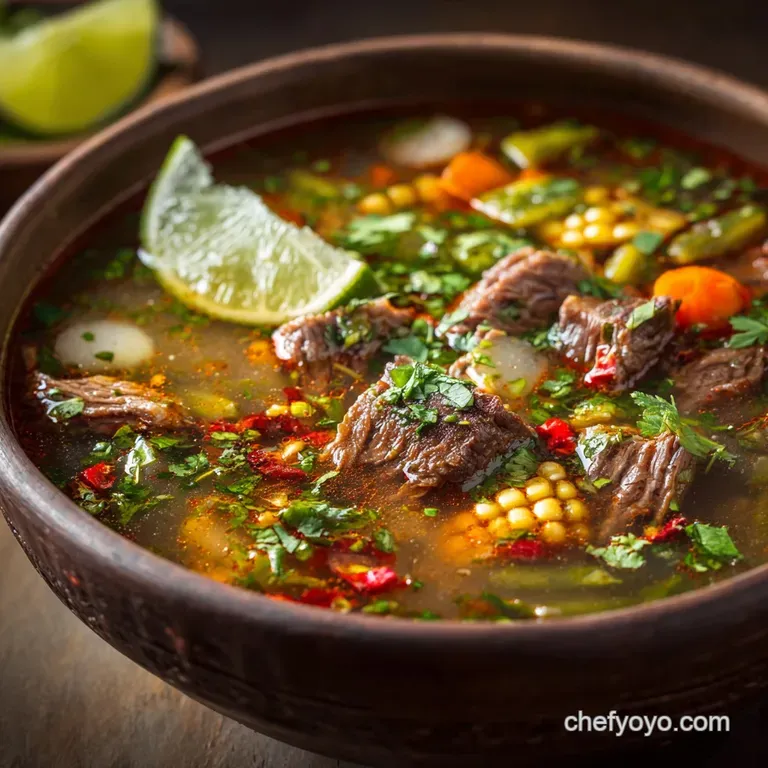
- Caldo de Res: The Ultimate Hearty Mexican Vegetable and Beef Soup
- The Science of Soulful Broth: Why This Caldo de Res Recipe Delivers Maximum Flavor
- Essential Components for Authentic Mexican Caldo de Res
- Mastering the Simmer: A Step-by-Step Guide to Making Caldo
- Elevating Your Caldo: Chef Secrets and Troubleshooting Tips
- Making Ahead and Maximizing Longevity
- Traditional Garnishes and Essential Serving Suggestions
- Recipe FAQs
- 📝 Recipe Card
Caldo de Res: The Ultimate Hearty Mexican Vegetable and Beef Soup
Oh my god, the aroma when this soup hits the stove. That deeply savory, slightly earthy smell is how you know a proper batch of Caldo de Res is underway. It’s pure, liquid comfort, warming you from the tips of your frozen fingers straight down to your soul.
This isn’t some quick, weak broth; we are talking about a rich, gelatinous, utterly restorative Mexican beef and vegetable masterpiece.
Look, life is busy, and sometimes you just need a recipe that feels indulgent but doesn't actually require specialized skills or crazy expensive ingredients. This traditional Mexican Beef Soup is a lifesaver because it’s ridiculously forgiving, cheap to make in bulk, and transforms humble root vegetables and bone-in shanks into pure gold.
It’s the perfect Sunday project that yields brilliant leftovers all week long.
I’ve made every mistake in the book trying to rush this soup, from cloudy broth to mushy vegetables. Now I know the secrets the exact timing and the crucial low and slow simmer that turn a simple beef soup into the perfect, authentic Caldo de Res .
Forget the textbook versions; let's crack on with the real tips that actually work in a home kitchen.
The Science of Soulful Broth: Why This Caldo de Res Recipe Delivers Maximum Flavor
You hear people talk about "soul food," and for me, this is it. The reason this particular Caldo de Res recipe is so incredible isn’t just the abundance of veggies; it’s the scientific logic behind the broth itself.
We are extracting maximum flavor and body from the ingredients before we even think about adding the vegetables.
Defining El Caldo: What Makes This Broth Special?
In Mexico, el caldo simply means broth, but when you talk about Caldo de Res , you're talking about something substantial. It needs to have cuerpo —body.
We achieve this body by starting with cold water and allowing the collagen in the bones and shanks to dissolve slowly over hours, which results in a rich, velvety, gelatinous mouthfeel when the soup cools. This texture is non-negotiable for an authentic experience.
A Brief History of This Restorative Mexican Staple
Many classic Mexican Soups and Stews follow the same blueprint: take a humble, inexpensive protein and stretch it into a restorative meal packed with seasonal vegetables. Caldo de Res is the perfect example of this ingenuity.
It’s the food you get when you’re sick, the dish you crave when it’s cold, and the simple, clean meal that truly restores you. It has regional variations, of course, but the core principle of rich broth and chunky, vibrant vegetables remains constant.
Difficulty Level and Time Commitment Explained
While the active preparation time is less than 30 minutes, this Caldo de Res demands patience. You cannot rush the long simmer; that’s where the true depth of flavor is developed.
If you try to power through in an hour, you'll end up with beef that’s tough and a broth that tastes watery and flat. Trust the clock, and let the gentle heat do the hard work for you.
Achieving the Crystal Clear Gelatinous Broth
The secret weapon here is the cold water start and, most importantly, the skimming. When you apply heat to meat in cold water, impurities rise to the surface in a greyish foam. If you leave that foam, it breaks down and makes the final Caldo de Res murky and sometimes bitter.
Skim it off aggressively for the first 15 minutes, and your broth will be pristine.
The Essential Role of Marrow Bones and Beef Shanks
We use bone-in beef shank because it provides both meat (for eating) and bone (for broth body). The bone marrow melts into the broth, lending incredible richness and mouthfeel. If you can only find boneless stew meat, please, please supplement it with a pound of cheap knuckle or marrow bones.
That gelatin is the backbone of the perfect Caldo de Res .
Layering Aromatics for Deep, Complex Flavor
The simple aromatics whole unpeeled onion and smashed garlic aren't added for mere flavor; they are added for clarity. By cooking them whole and unpeeled, they gently infuse the water without imparting harsh, raw flavors, and we remove them completely later.
This keeps the final flavor profile clean and focused on the beef and vegetables, exactly how traditional Caldo de Res should taste.
Essential Components for Authentic Mexican Caldo de Res
Choosing the right ingredients is half the battle when making a soulful soup. We are going for rugged, rustic flavor, which means we need hardy cuts and robust root vegetables that won't dissolve after hours of simmering.
Choosing the Best Beef Cut for Rich Stock (Shanks and Marrow)
I swear by bone-in beef shanks. They stand up beautifully to the long cooking process and break down into incredibly tender, fall apart pieces. If you want a slightly richer, more unctuous Caldo de Res , look for short ribs, but be prepared for a bit more fat skimming.
The Essential Root Vegetables and Fresh Produce List
The vegetable lineup for Caldo de Res should always include the slow cooking root vegetables first, followed by the quicker cooking soft items. Potatoes, carrots, and chayote squash are the core trio. Corn adds a welcome sweetness.
We then finish with cabbage and zucchini, which require very little time.
Smart Ingredient Substitutions for Your Pantry
If you find yourself missing an essential component, don't sweat it. A good home cook always knows how to pivot. Here are some easy swaps to keep your Caldo de Res project moving along:
| Missing Ingredient | Viable Substitute | Notes |
|---|---|---|
| Beef Shank | Oxtail or Bone-in Short Ribs | May need 30 60 min longer simmer time. |
| Chayote Squash | Parsnip or Celery Root | Cut slightly smaller, check for tenderness before potatoes are fully soft. |
| Yukon Gold Potatoes | Red Potatoes or Russet (quartered) | Russets are starchier; watch carefully to prevent them from dissolving. |
| Cabbage | Napa Cabbage or Bok Choy | Use Napa/Bok Choy only in the final 5 minutes of simmering to prevent mushiness. |
| Yellow Onion | White Onion or Leek whites | Peel the leeks but use the white parts whole. |
Mastering the Simmer: A step-by-step Guide to Making Caldo
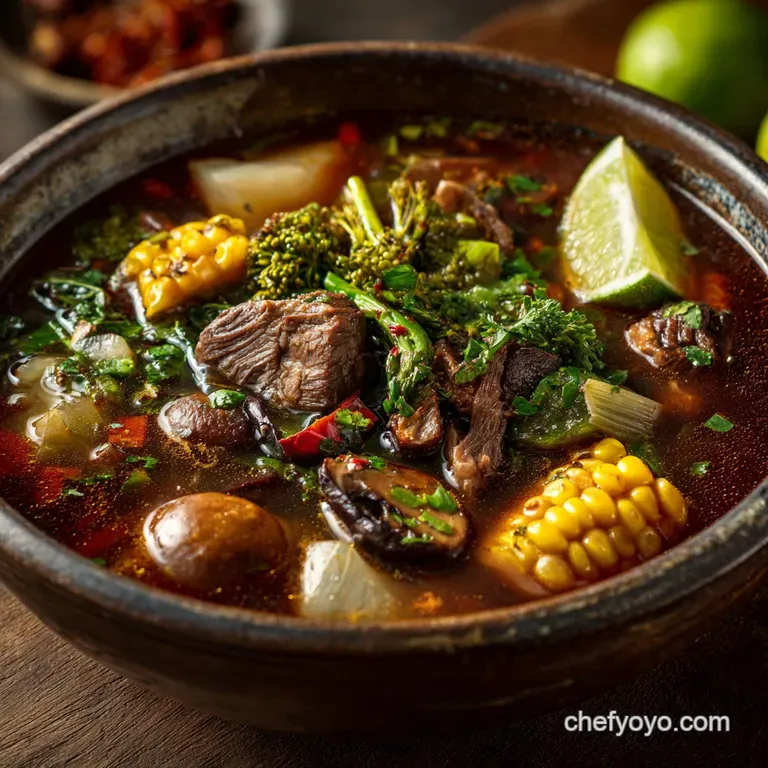
We break this down into three simple phases: building the foundation, timing the vegetables, and perfecting the final seasoning. Pay close attention to Phase 2; that's where most people mess up their vegetable texture when making Caldo de Res .
Phase 1: Preparing the Beef and Clarifying the Stock
Pat your beef shanks completely dry. This is non-negotiable if you want a proper sear. The optional searing step (Step 2 in the instructions above) adds a depth of flavor that a non-seared broth simply cannot match it's that nutty, roasted flavor of the Maillard reaction that sticks to the bottom of the pot.
Once the meat is in, add your cold water and aromatics. Remember what I said about the foam? Skim it relentlessly. Don't worry about fat right now, just the grey protein foam. Let this simmer, barely bubbling, for a full two hours.
This long, slow process extracts all the gelatin we need for an excellent batch of Caldo de Res .
Phase 2: Timing the Vegetable Addition (Root vs. Leafy)
This is the most critical stage. My mistake when I first started making this soup was throwing everything in at once. Don’t do it! The hard root vegetables need about 25 minutes, but soft greens and squash need much less time.
First, remove and discard the spent onion, garlic, and bay leaves. Next, add the carrots, potatoes, chayote, and corn. Cook for 15 minutes. Then, and only then, add the cabbage and zucchini.
They are done when they are tender but still have a slight bite (al dente), usually about 10 more minutes. The vegetables should look vibrant and whole, not sad and dissolved into the broth.
Phase 3: The Final Seasoning and Resting Period
You adjusted the salt after two hours of simmering, right? Now, taste again. The vegetables will have released some moisture, potentially weakening the flavor slightly. Adjust the salt one last time so the broth sings. We want the flavor to be perfectly balanced before serving.
Giving the Caldo de Res a final 5 minute rest off the heat allows the flavors to truly meld, and the beef pieces that have come loose will settle nicely in the pot.
Elevating Your Caldo: Chef Secrets and Troubleshooting Tips
I spent years messing up my broth clarity and ending up with weirdly textured vegetables. These specific tips are born from failure and guarantee a much better bowl of Mexican Vegetable Beef Soup.
Why Skimming the Foam is Non-Negotiable
Seriously, I can’t stress this enough. If you leave the grey scum from the meat in the pot during the initial cooking phase, it will break down into fine particles and make your broth cloudy. Cloudiness equals sadness.
Take 10 minutes at the start to carefully use a fine mesh skimmer and remove everything that rises. It ensures your finished Caldo de Res has that beautiful, clear appearance.
How to Prevent Mushy Vegetables
Mushy vegetables are a crime against humanity, especially when crafting a gorgeous bowl of Caldo de Res. The timing sequence in the recipe is your defense. If you cut your pieces large (1.5 to 2 inches) and adhere to the 15 minute gap between hard and soft vegetable additions, you will nail the texture every single time.
Zucchini especially will become soup filler if added too soon.
Adjusting the Acidity and Spice Balance
Authentic Caldo de Res is not typically spicy or highly acidic until you garnish it. The broth itself is savory and deep. The key to finishing this dish is the fresh lime juice added just before eating. It cuts through the richness of the beef and brightens the entire flavor profile unbelievably. If you want heat, serve the soup with a side of chili oil or a spicy salsa, allowing each person to customize their bowl. It tastes amazing alongside something fresh, too, like a small bowl of Strawberry Mango Salsa: The Easiest Fresh Summer Dip for contrast.
Making Ahead and Maximizing Longevity
This is one of those dishes that actually tastes better the next day once the flavors have had time to settle and deepen. Proper storage is essential, though, especially since we’ve spent so much time crafting the perfect broth for this amazing Caldo de Res .
Refrigeration Guidelines for Safe Storage
Once the soup has cooled slightly (but within two hours of cooking), transfer the entire pot to the refrigerator. Critical Tip: If you made a great gelatinous broth, you will notice a thick layer of fat solidifying on the top when chilled. Leave this layer on until you reheat the soup.
This fat cap acts as a natural seal, protecting the Caldo de Res underneath from oxidizing and helping it last longer. It is perfectly safe refrigerated for 4 5 days.
Best Methods for Freezing Caldo de Res Components Separately
Yes, you can absolutely freeze Caldo de Res, but I highly recommend freezing the broth and meat separately from the vegetables, if possible. The potatoes and chayote can sometimes turn a little grainy or mushy after thawing.
Ladle the broth and beef into airtight containers or heavy duty freezer bags (lay them flat for stackability). It holds up beautifully for 3 4 months.
Reheating Without Losing Broth Clarity
When reheating, place the frozen or refrigerated broth (with the solid fat cap) into a saucepan over medium low heat. Let it melt slowly. As it heats up, you can easily skim off that solid layer of fat using a spoon if you want a lighter soup, which is usually my preference.
If you froze the vegetables separately, add them back to the hot broth to warm through gently. Do not bring the broth to a rolling boil again, or you risk breaking down the beautiful gelatin structure you worked so hard to achieve in your perfect Caldo de Res .
Traditional Garnishes and Essential Serving Suggestions
The final step for any amazing soup is the garnish. For this magnificent Mexican Vegetable Beef Soup, the garnish is non-negotiable and provides the necessary brightness and acidity.
The simplest service is the best service here. Serve the Caldo de Res piping hot, ensuring every bowl gets a fair share of the meltingly tender beef and a variety of vegetables.
We always serve this with warm corn tortillas for dipping that chewy texture against the liquid warmth is sublime. And always, always finish with a generous sprinkle of fresh cilantro and a couple of lime wedges.
That lime is the secret weapon that truly makes this whole bowl of Caldo de Res pop! If you want a full meal spread, serving it alongside traditional Mexican Red Rice (Arroz Rojo) is the classic move, trust me.
Recipe FAQs
How do I ensure my Caldo de Res broth is clear and not cloudy?
Clarity comes from maintaining a very low heat and rigorous skimming. Ensure the soup never reaches a rolling boil, only a gentle simmer, as aggressive boiling emulsifies the fats and proteins, resulting in a cloudy stock.
Regularly skim the gray foam (impurities) that rises to the surface during the first hour of cooking using a fine mesh sieve or a ladle; this step is critical for a beautifully clear broth.
What is the best cut of beef to use besides traditional shanks for this soup?
While beef shanks provide the richest flavor and most gelatinous broth, chuck roast or short ribs are excellent alternatives. Look for cuts with good marbling and connective tissue, as these break down during the long cook, ensuring the meat is tender.
If you use a leaner cut like stew meat, reduce the cooking time slightly to prevent toughness and consider adding a beef knuckle or marrow bone separately for depth.
When should I add the different vegetables so they don't turn mushy?
Vegetables should be added in stages based on their density and cooking requirements. Start with hardy roots like potatoes, corn (cobs), and carrots about 45 minutes before the meat is fully tender and the soup is scheduled to finish.
Reserve softer items like cabbage wedges, zucchini, and string beans for the last 15 minutes of cooking time so they are tender crisp and retain their vibrant color and structure.
My broth tastes bland. How can I deepen the flavor profile after the long simmer?
Ensure you used enough salt throughout the cooking process, as large volumes of liquid require substantial seasoning; always taste and adjust near the end of the simmer. You can deepen savory notes by adding a teaspoon of quality beef bouillon paste or a splash of fish sauce (don’t worry, it won’t taste fishy).
For brightness, finish the soup with fresh cilantro, onions, and plenty of fresh lime juice right before serving, which helps cut through the richness and elevate the whole dish.
Can I adapt this recipe for a vegetarian or vegan diet?
Yes, you can create a vegetarian version by swapping the beef for large chunks of mushrooms (like portobello or oyster mushrooms) or firm tofu, and using a high-quality vegetable stock instead of water.
To replicate the savory richness that beef bones provide, try roasting the root vegetables and mushrooms before adding them to the stock to develop intense umami flavors.
How long does Caldo de Res last, and is it suitable for freezing?
Caldo de Res keeps well in an airtight container in the refrigerator for 3 to 4 days, and the flavors often improve overnight. It is an excellent candidate for freezing, lasting up to 3 months when stored in freezer safe containers.
For the best texture upon thawing, it is recommended to remove the softer vegetables (like zucchini and cabbage) before freezing the broth and meat, as they tend to become excessively mushy after thawing and reheating.
Hearty Caldo De Res Soup
Ingredients:
Instructions:
Nutrition Facts:
| Calories | 341 kcal |
|---|---|
| Protein | 51.0 g |
| Fat | 13.6 g |
| Carbs | 3.8 g |
