Beef Tenderloin: the Royal Herb-Crusted Roast
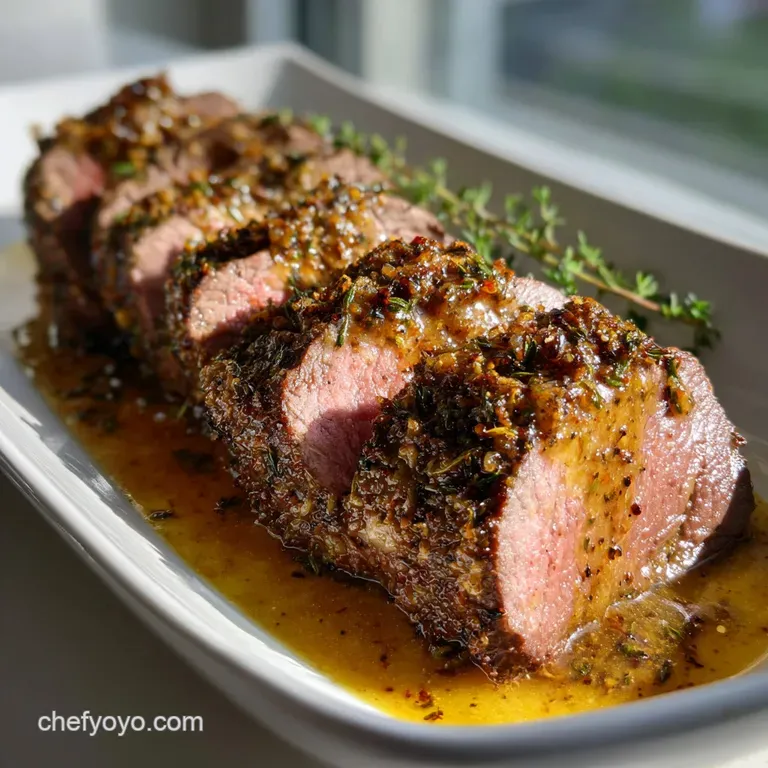
- The Royal Roast: Mastering Center-Cut Fillet
- The Science of Tenderness: Achieving the Perfect Crust and Interior
- Building the Herb Crust: Essential Ingredients and Quality Notes
- Achieving the Golden Standard: The Sear and Roast Method
- Expert Advice: Troubleshooting Temperature and Timing
- Preserving the Excellence: Storage and Reheating Best Practices
- The Grand Finale: Recommended Pairings and Effortless Pan Sauce
- Recipe FAQs
- 📝 Recipe Card
The Royal Roast: Mastering Center Cut Fillet
That deep, rich aroma when the herb infused butter hits the smoking hot pan? The sound of the crust setting quickly, promising a tender interior? We are talking about the ultimate luxury cut, the magnificent Beef Tenderloin .
It’s the kind of roast that simply melts on your tongue, truly special.
Look, I know this cut costs a bit, but for the minimal effort you put in, the payoff is insane. This isn't a long, slow cook; in fact, it’s remarkably fast, making it perfect for impressing people quickly on a Saturday night.
You can have a magnificent centerpiece on the table faster than you can manage a tricky casserole.
Forget those dry, gray roasts you get at sad dinner parties. This is the best tenderloin recipe you will ever need, focusing entirely on temperature control and maximizing that pure, glorious flavour. We’re going to nail the sear and roast method, guaranteeing perfection.
Let's crack on and master this royal cut.
The Science of Tenderness: Achieving the Perfect Crust and Interior
Why the Center Cut Excels for Roasting
The center cut, also known as the Chateaubriand, is basically uniform in thickness. This means when you roast a Beef Tenderloin roast , you don't end up with dried out ends and raw middles.
It’s the fillet mignon area lean but incredibly tender because this muscle does minimal work on the animal. Mistake I once made: Trying to roast the thin tail section without folding it under; it curled up and cooked unevenly every single time. Stick to the centre!
The Critical Role of Temperature in Premium Cuts
Temperature control isn't optional here, darling; it is the entire recipe. You need an instant read thermometer, period. If you pull your Beef Tenderloin out too late, you’ve ruined the signature, buttery texture.
We aim for that sweet spot of medium rare, letting the quality of the cut truly shine through in every single slice.
Understanding the 'Sear and Roast' Philosophy
This method is non-negotiable for achieving a flawless crust and a perfect pink center. High heat sets the exterior quickly, creating a flavourful, textural barrier. Then, we transition to a gentler oven cook to finish it evenly.
It’s the professional secret to maximizing the inherent beauty of the whole Beef Tenderloin without drying out its core.
Dry Brining for Maximum Moisture Retention
Dry brining just means seasoning the raw meat early. The salt draws out moisture from the surface, creating a super salty liquid that is then reabsorbed into the meat. This process seasons the muscle deep inside and slightly breaks down surface proteins, aiding the browning process later.
Trust me, seasoning your Beef Tenderloin 30 minutes before cooking yields a juicier, more flavourful result than seasoning just before searing.
Maillard Reaction Mastery: over High heat Searing Explained
The Maillard reaction is that beautiful, complex chemical browning that happens when amino acids and sugars react under high, dry heat. This is why you must, absolutely must , pat the Beef Tenderloin totally dry with paper towels before it hits the oil.
A dry surface is the only way to develop that deep, dark, flavorful crust, bypassing steam entirely.
The Importance of the Post Roast Rest Period
This is the point where 90% of home cooks fail! Slicing immediately causes the internal pressure to release all the stored juices right onto your cutting board. Resting for 15 minutes allows the temperature gradient to even out and the muscle fibers to relax, effectively reabsorbing all that magnificent moisture. You wait for your coffee to cool; you wait for your roast. This applies to all high end cuts, including when I make my famous Gyro Meat Recipe: Best Homemade Lamb Beef Loaf Pan Method .
Building the Herb Crust: Essential Ingredients and Quality Notes
Selecting and Prepping the Tenderloin: Trim and Tie
Always, always remove the silver skin. It is tough, thin, inedible fascia that will shrink and deform your roast as it cooks. Use a sharp knife to carefully slice it away. Tying the Beef Tenderloin with kitchen twine ensures it holds a perfect cylindrical shape, guaranteeing that coveted edge-to-edge even cooking.
You want the roast to look like a perfectly rolled log.
Fresh vs. Dried Herbs: Choosing Your Aromatics
Fresh herbs are highly recommended for this recipe. The volatile oils in fresh rosemary and thyme release a powerful, beautiful aroma as the butter melts in the oven. If you absolutely have to substitute, use half the amount of dried herbs, but try to seek out the fresh stuff.
| Ingredient | Substitution |
|---|---|
| Shallots | Half a small yellow onion, finely minced. |
| Red Wine | Equal amount of balsamic vinegar combined with extra beef stock. |
| Fresh Garlic | 1 tsp garlic powder mixed into the salt rub for a milder taste. |
Fat Choice: Clarified Butter vs. High Smoke Oil
We use high smoke point oil (like grapeseed or even light olive oil) for the initial sear because it can handle the intense heat without burning. Then, we use softened butter for the crust because butter brings fantastic flavour and moisture.
Melting that butter crust over the roast in the oven keeps the outside incredibly moist and fragrant.
Scaling the Recipe: Adjusting Quantities for Larger Roasts
This recipe is designed for a standard 3 pound center cut. If you use a much larger whole Beef Tenderloin , say 6 pounds, you will need to sear it longer or skip the stovetop sear entirely and use a very hot oven instead.
Just remember, a larger roast requires both more prep time and significantly more resting time.
Achieving the Golden Standard: The Sear and Roast Method
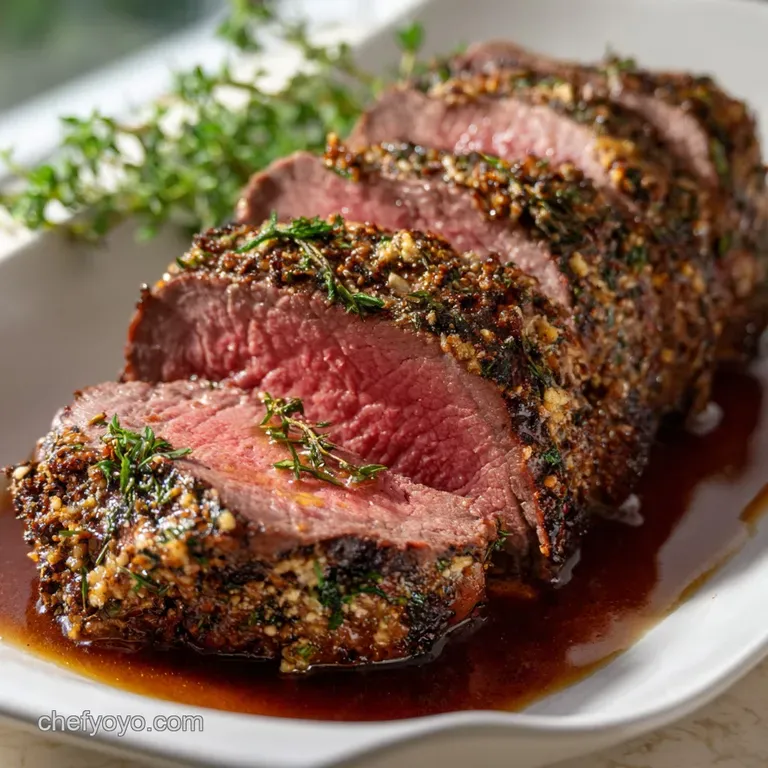
Step 1: Prepping and Applying the Herb Paste
Get that Beef Tenderloin out of the fridge early at least 30 minutes! While it tempers, vigorously mix your softened butter, minced garlic, and fresh herbs until combined.
We are going to spread the paste on the Beef Tenderloin only after the initial sear, so the herbs don't burn to a bitter crisp during the high heat phase.
Step 2: over High heat Sear and Initial Oven Placement
Preheat your heavy skillet (cast iron is best) in the oven first. That’s a secret trick! When you pull it out and add the oil, the entire pan is already screaming hot, guaranteeing an immediate, aggressive sear.
Sear all sides for about two minutes per side, listening for that deep, beautiful sizzling sound that signals crust development.
Step 3: Monitoring Internal Temperature for Target Doneness
Once the crust is applied, the Beef Tenderloin goes back into the 425°F oven. This high heat helps quickly finish the outside while the center slowly comes up to temperature.
Remember the pull temperature rule: 125°F is perfect for medium rare, but you must pull the roast when it reads 115°F 120°F! This is key for the most incredible Beef Tenderloin recipes oven .
Step 4: Building the Effortless Pan Sauce from Drippings
This is where you leverage all that flavour left behind in the pan the fond . After removing the roast, place the pan back on the stovetop. Add the minced shallots and scrape up every single browned bit from the bottom. This becomes the soul of your sauce!
Deglazing with red wine creates a deeply savoury reduction that perfectly complements the rich flavor of the Beef Tenderloin Fillet Recipes we are aiming for.
Expert Advice: Troubleshooting Temperature and Timing
The Definitive Temperature Chart for Perfect Beef Tenderloin
Guesswork ruins the perfect roast. Use this chart religiously.
Chef's Note: Always use an instant read thermometer inserted into the thickest part of the roast, avoiding bone and surface fat. The carry over cooking is essential to hitting the final temperature target.
| Desired Doneness | Pull Temperature | Final Temperature (After Rest) |
|---|---|---|
| Rare | 115°F (46°C) | 125°F (52°C) |
| Medium Rare | 120°F (49° C) | 130°F (54° C) |
| Medium | 130°F (54°C) | 140°F (60°C) |
Why Your Roast Cooks Unevenly (And How to Fix It)
If your roast looks like a hockey puck on the outside and raw in the middle, you likely didn't temper it long enough. If the ends are dry, you definitely didn't tie it properly. Fixing unevenness means cutting off the thin end (the 'tail') and using it for another meal. I sometimes cut the tail and use it for a quick stir fry, maybe something like my Pepper Steak Recipe: Speedy Wok Stir Fry with Tender Beef .
Common Mistakes When Preparing Premium Cuts
People often make three main mistakes. First, they use too low a heat for the initial sear, resulting in a grayish exterior instead of a beautiful brown crust. Second, they season too lightly. A thick cut like this needs aggressive seasoning!
Third, and most critical: Not resting the Beef Tenderloin . It sounds simple, but skipping that fifteen minutes will yield a dry disaster every single time. Learn from my past errors when perfecting these Beef Tenderloin recipes oven .
Preserving the Excellence: Storage and Reheating Best Practices
Short Term Refrigeration Safety Guidelines
Leftover Beef Tenderloin Roast is a treasure! It should be cooled quickly and stored in an airtight container immediately after dinner. It’s perfectly safe in the fridge for 3 to 4 days. I love slicing it cold and thin for unbelievable sandwiches the next day.
Freezing Cooked Tenderloin Safely
But does it freeze well? You bet, though the texture will soften slightly upon thawing. For the best result, slice the cold roast into medallions first. Wrap the individual slices tightly in plastic wrap, then place them in a heavy duty freezer bag, squeezing all the air out. It keeps beautifully for up to 3 months.
The Best Way to Reheat Without Drying Out the Fillet
Do NOT microwave this cut. That is a capital offense. To reheat without ruining the texture, slice the cold roast into medallions and place them in an oven set to a very low 300°F (150°C). Add a tiny splash of beef stock or water to the pan and cover loosely with foil.
Warm until just heated through about 10 minutes. This method ensures the meat stays moist and tender.
The Grand Finale: Recommended Pairings and Effortless Pan Sauce
The delicate flavor and incredible texture of a properly cooked Beef Tenderloin deserve simple, elegant sides that enhance the meat, not compete with it. I always pair this with something creamy and starchy, like Dauphinoise Potatoes, just perfect for soaking up that flawless pan sauce. And if you have any leftover trimmings that you need to use up, don't forget you can always use those bits to build a deep, flavorful stock base, similar to what’s needed for Caldo de Res: The Ultimate Mexican Beef Soup Recipe .
We need the perfect Beef Tenderloin oven recipe in our lives, and this precise method is it. It proves that the most luxurious meals don't require complicated techniques just careful attention to detail and a whole lot of love.
Enjoy the perfection of your homemade centre cut Beef Tenderloin !
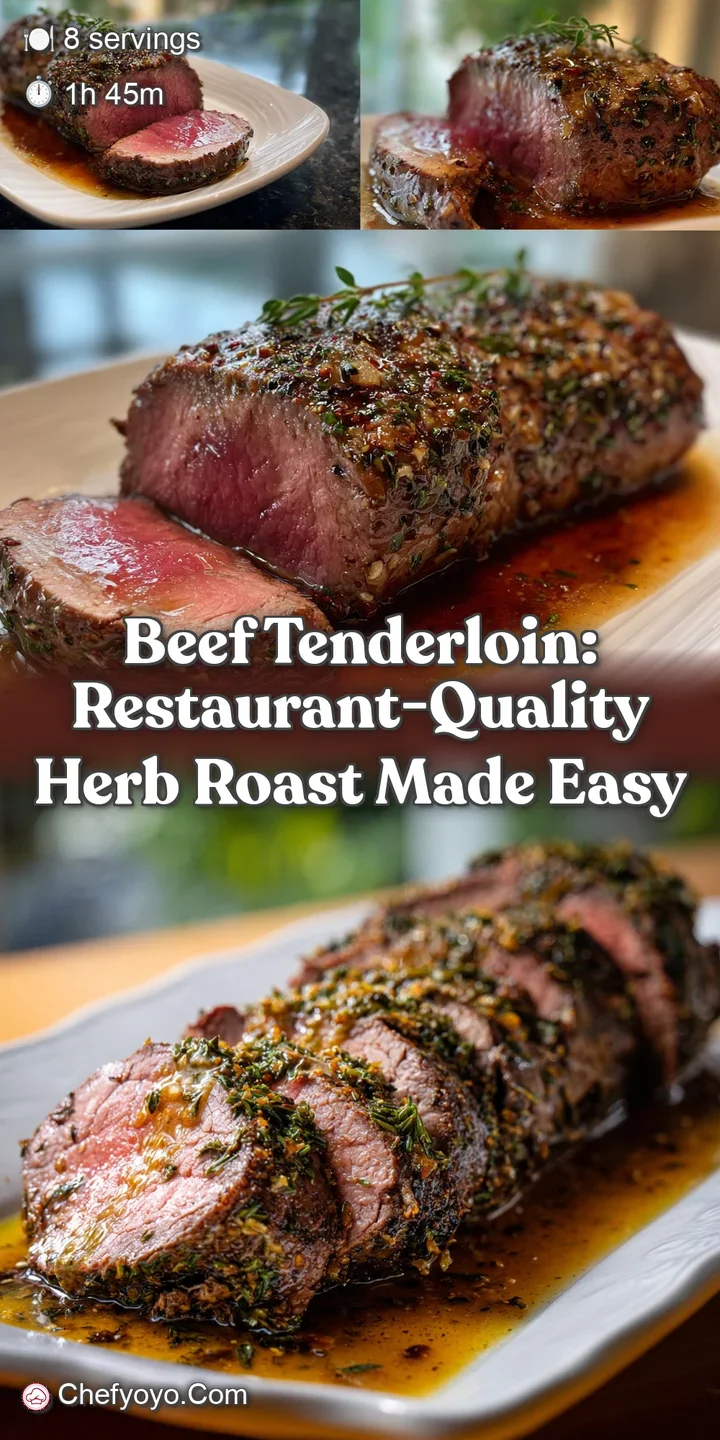
Recipe FAQs
How do I guarantee my Beef Tenderloin is perfectly medium rare?
The only reliable method is using an instant read thermometer, inserted into the thickest part of the roast. For medium rare, remove the beef from the oven when the internal temperature reaches 130°F (54°C).
This allows for crucial carryover cooking, which will raise the final resting temperature to a perfect 135 140°F (57 60°C).
Why did my tenderloin turn out dry and tough after roasting?
Dryness in beef tenderloin is almost always a result of overcooking, as it is a very lean cut with minimal internal fat to keep it moist. Secondly, failing to rest the meat sufficiently after roasting allows essential internal juices to escape when sliced.
Ensure a minimum 15-minute rest period, loosely tented with foil.
Do I need to tie (truss) the tenderloin before roasting?
Trussing is highly recommended, especially if you are roasting a whole center cut. Tying the tenderloin with butcher’s twine into a uniform cylinder ensures that the thinner ends do not finish cooking far before the thicker center. This technique guarantees even cooking from one end of the roast to the other.
Can I prepare the herb crust ahead of time?
You may prepare the herb and garlic paste up to 24 hours in advance and store it covered in the refrigerator until needed. However, only apply the crust to the tenderloin 1 to 2 hours before cooking.
Applying it too early allows the salt in the paste to begin drawing moisture from the beef's surface, inhibiting a proper sear.
Can I use this recipe setup for grilling or smoking instead of oven roasting?
Yes, you can adapt this by using the 'reverse sear' method on a grill or smoker. Cook the tenderloin over very low, indirect heat (around 225°F/107°C) until the internal temperature hits 120°F.
Then, finish it quickly with a hot sear on direct heat to crisp the herb crust and achieve the beautiful brown exterior.
How should I store leftover Beef Tenderloin and is it safe to freeze?
Store cooked leftovers in an airtight container in the refrigerator for up to three days. While you can freeze cooked tenderloin, it often compromises the tender texture upon thawing and reheating.
If reheating, slice the beef thinly and warm gently in the pan sauce or beef broth rather than microwaving to avoid toughness.
What if I don't want to make a pan sauce immediately after cooking?
You can certainly skip the immediate pan sauce, but make sure to deglaze the hot roasting pan immediately with a little wine or water, scraping up all the savory fond (browned bits).
Pour this rich, flavored liquid into a container and store it; you can use it later as the concentrated base for a separate gravy or sauce.
Herb Crusted Beef Tenderloin Roast
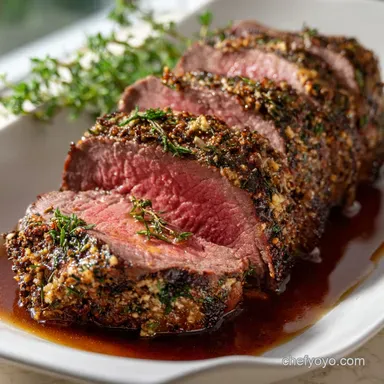
Ingredients:
Instructions:
Nutrition Facts:
| Calories | 437 kcal |
|---|---|
| Protein | 36.9 g |
| Fat | 26.5 g |
| Carbs | 7.9 g |
