Italian Seasoning: the Maestros 5-Minute Blend
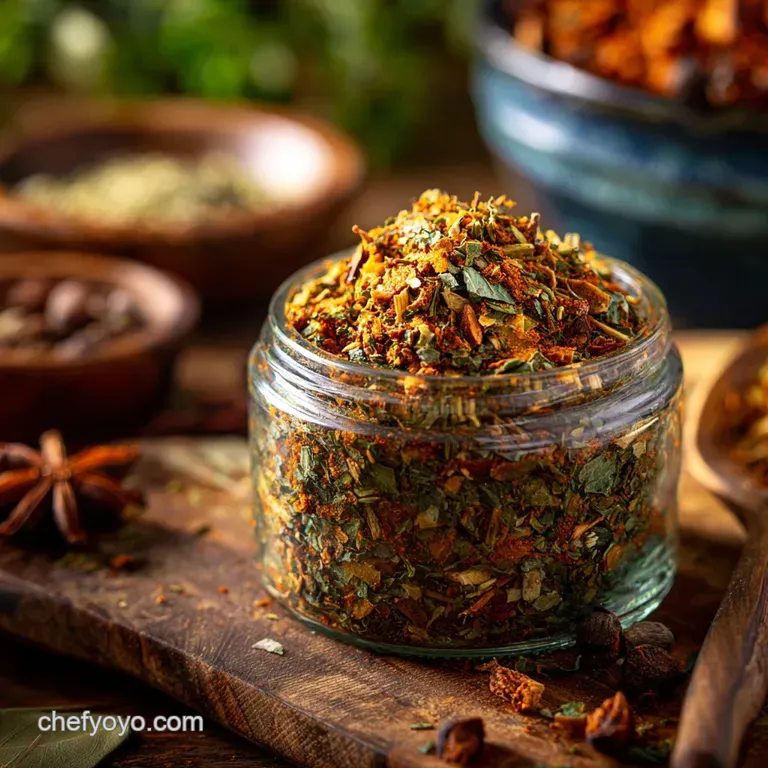
- Ditch the store-bought: Unveiling the Maestro's Homemade Italian Blend
- The Science of Aroma: What Makes This Dry Rub So Special?
- Essential Herbs and Spices: Building Your Perfect Italian Base
- Mixing Magic: The Quickest Way to Make Your Seasoning
- Troubleshooting and Expert Blending Techniques
- Maximizing Potency: Storing Your Homemade Herb Mix
- Beyond Pasta Sauce: Creative Ways to Use Your Mediterranean Blend
- Ditch the Guesswork: The Importance of Freshly Prepared Blends
- Why Garlic and Onion Powder are Non-Negotiable in This Italian Seasoning
- Advanced Tips for the Seasoning Enthusiast
- Addressing Shelf Life Concerns and Potency Drop-Off
- Recipe FAQs
- 📝 Recipe Card
Ditch the store-bought: Unveiling the Maestro's Homemade Italian Blend
You know that feeling when you open a jar of store-bought spices? That faint, dusty scent that promises flavour but delivers, well, disappointment? That stops today. We are fixing that with the most potent, aromatic, and genuinely exciting batch of Italian Seasoning you will ever make.
It smells like sunshine and grandmother’s kitchen, even before it hits the pan. It's truly transformative.
I used to rush to the grocery store every time a recipe called for this classic mix, only to pay three times too much for dry, lacklustre herbs. But seriously, why spend the cash on something you can whip up in five minutes flat with ingredients you probably already have?
Making your own Italian Seasoning mix is the ultimate kitchen hack for saving money and instantly upgrading your weeknight meals.
We are diving deep into the exact science of balance here. This isn't just about throwing herbs together; it’s about creating harmony. Get ready to ditch the blandness forever, because this straightforward Italian Seasoning recipe guarantees vibrant flavour every single time.
The Science of Aroma: What Makes This Dry Rub So Special?
The secret to superior seasoning isn't just using the right herbs; it's understanding how they interact and how to process them for maximum flavour release. This particular formula for Homemade Italian Seasoning focuses on balance, ensuring no single ingredient overwhelms the whole.
Why Quality Herbs Matter for a Superior Taste
Listen up: a spice blend is only as good as its weakest link. If your dried basil has been sitting untouched for five years, your final Italian Seasoning mix is going to taste stale, cardboard-y, and fundamentally flat.
Freshly purchased, high-quality dried herbs ones that still retain their vibrant colour and strong scent are non-negotiable here. That tiny extra cost makes a colossal difference in the final product.
The Five Minute Prep Time Advantage
Honestly, the main benefit of keeping a jar of this Italian Seasoning ready is pure, unadulterated speed. You don't have to measure seven different jars every time you decide to make something quick like Bruschetta with Tomato and Basil: The Essential Classic Italian Antipasto . You grab one jar, one spoon, and you are done. That efficiency is priceless when the dinner clock is ticking.
What is in Authentic Italian Seasoning?
Contrary to popular belief, there is no single "authentic" standard; it shifts across regions. Our specific blend, however, relies on the classic, beloved Mediterranean herbs: oregano, basil, and marjoram, supported by the earthiness of thyme and rosemary.
We also introduce the critical supporting cast: garlic powder, onion powder, and red pepper flakes. These powders are what transform a simple herb mix into a robust, all-purpose Italian Herb Seasoning Mix .
Finding the Right Ratio for Balance
The standard ratio in commercial Italian Seasoning often pushes oregano to the front, which can make the blend taste aggressive. My ratio uses more basil and marjoram to soften the edges, giving it a sweeter, more complex aroma that blooms beautifully when heated.
This specific balance is what makes this blend so versatile it won't overpower delicate ingredients.
The Critical Role of Grinding and Texture
This is where many home cooks fail when they attempt Homemade Italian Seasoning . The culprit? Dried rosemary. Those tiny, tough needles never soften and feel horrible in your mouth.
You absolutely must crush the rosemary (and ideally the thyme, too) into a fine powder or small flakes using a mortar and pestle before mixing. This step ensures a smooth, seamless texture in your final Italian Seasoning .
Heat Activation vs. Cold Infusion
Dry herbs, unlike fresh, actually improve slightly when lightly heated. We rely on heat activation when we cook, meaning the volatile oils awaken when the seasoning hits hot oil or simmering sauce.
However, when you first mix this Italian Seasoning blend, you need to allow a day or two (cold infusion) for the distinct herb flavours to truly "marry." Don't use it immediately after mixing; give it time to settle.
Essential Herbs and Spices: Building Your Perfect Italian Base
Let’s talk components. Building a great Italian Spice Blend is like building a house: you need a strong foundation and beautiful finishing touches. We start with the classics and refine them with powerful aromatics.
Dry Ingredient List and Measurements
Here is the exact breakdown for my preferred version of the Italian Seasoning Recipe . Remember, always use dry measuring spoons for dry ingredients; volumetric measurements are key here.
| Ingredient | US Customary | Substitution (If Needed) |
|---|---|---|
| Dried Oregano (preferably Mediterranean) | 2 Tablespoons | Dried Thyme (Use 1.5 Tbsp) |
| Dried Basil | 1.5 Tablespoons | Dried Tarragon (Use sparingly, 1 tsp) |
| Dried Marjoram | 1 Tablespoon | Additional Dried Oregano |
| Dried Thyme | 1 Teaspoon | Dried Savory (equal amount) |
| Dried Rosemary, finely crushed | 1 Teaspoon | 1/4 tsp ground fennel seed |
| Garlic Powder | 1/2 Teaspoon | Dried chives (1/2 tsp) |
| Onion Powder | 1/4 Teaspoon | Skip, or use extra garlic powder |
| Crushed Red Pepper Flakes | 1/4 Teaspoon | Dash of black pepper |
Herb Pairing Notes: Oregano vs. Marjoram
If you look closely at the ingredient list, you’ll notice we use both oregano and marjoram. Why? They are related, but they perform different roles in the overall blend. Oregano is loud, slightly bitter, and assertive; it's the anchor.
Marjoram is softer, warmer, and slightly floral, adding complexity and sweetness that brightens the whole mix. Using them together prevents the final Italian Seasoning Mix from tasting like just a pile of oregano.
Chef's Note: If you want a truly rustic, powerful flavour, use Mediterranean oregano it contains higher levels of volatile oils than standard US varieties. This really elevates the standard Italian Seasoning .
Key Substitutions for Allergy or Preference
I get it; sometimes you just don't have all the jars, or maybe you hate rosemary (which is fine, even if I judge you slightly). The key to successful substitutions when making Homemade Italian Seasoning is matching the flavour profile.
If you skip rosemary, you lose the piney depth, so replace it with something aromatic, like fennel or a hint of sage. Don’t be afraid to tweak this ultimate Italian Seasoning blend to suit your pantry.
Mixing Magic: The Quickest Way to Make Your Seasoning
The actual blending process takes less time than it takes to boil a kettle, but there are a few pro moves that ensure superior mixing and distribution of the finer powders.
Required Equipment for Optimal Blending
Forget the fancy equipment; all you truly need are quality measuring spoons and a jar with a tight fitting lid. However, if you have a small mortar and pestle, use it! It's the perfect tool for crushing the dried rosemary and releasing the maximum aromatic potency required for perfect Italian Seasoning .
step-by-step Mixing Instructions
- Crush the Coarse Herbs: Take the dried rosemary (and thyme, if you want a smoother blend) and crush them until they are fine flakes, not needles. This is the single most important step for high-quality Italian Herb Seasoning Mix .
- Combine All Ingredients: Dump all the crushed and uncrushed herbs, along with the garlic powder, onion powder, and red pepper flakes, directly into your empty storage jar.
- Seal and Shake Vigorously: Secure the lid as tightly as possible. Now, shake it like you mean it! Shake for a full 60 seconds, rotating the jar as you go. This ensures the heavy powders (garlic/onion) don't just sink to the bottom of your DIY Italian Seasoning .
- Wait: Resist the urge to use it immediately. Label the jar and let it sit on your counter for 24 hours. The rest period allows the essential oils to mingle.
How to Test the Flavor Profile Before Storing
Before you seal it up for good, take a small pinch of your freshly blended Italian Seasoning and rub it between your thumb and forefinger for a few seconds. Then smell it.
This friction gently warms the herbs and activates the oils, giving you the best idea of the final scent and flavour profile. Does the oregano seem too dominant? Adjustments are easiest to make right now before you store your amazing Homemade Italian Seasoning .
Troubleshooting and Expert Blending Techniques
Sometimes, even the simplest mixes can go wrong. Maybe the texture is off, or the flavour is lacking punch. Don't worry, I've made all the mistakes already, so you don't have to! Mastering a true Italian Seasoning blend just takes a little practice.
My Seasoning Tastes Too Bitter: Common Mistakes
If your Italian Seasoning tastes overly bitter or metallic, two things usually happened: first, you used too much oregano compared to basil/marjoram; second, you used very old, dusty herbs.
Fix 1: Add a tiny pinch of sugar and an extra half teaspoon of basil to balance the bitterness. Fix 2: Dump the stale ingredients and start over. I know it hurts, but old herbs are useless, and they won't make a good Italian Seasoning Mix .
Reviving Older or Dormant Herbs
Okay, so your herbs are almost fresh, but maybe they’ve lost a little zing? You can often revive them slightly before blending them into your Italian Seasoning .
Lightly toast the flaky herbs (oregano, basil) in a dry pan over low heat until you can just smell them about 30 seconds. Do not let them smoke or burn! Let them cool fully, then crush and mix.
This tiny step releases dormant volatile oils, making your DIY Italian Seasoning significantly more potent.
Tips for Creating a Fine Powder vs. A Coarse Rub
The texture of your Italian Seasoning matters greatly depending on its ultimate use. For a dipping oil or salad dressing, a fine powder is best as it disperses easily. For a dry rub, a coarser blend works perfectly.
- Fine Powder: Run the entire batch (after the initial crush) through a dedicated spice grinder for 10 seconds.
- Coarse Rub: Simply crush the rosemary and thyme, and rely on the vigorous shaking method. This gives you distinct pieces of leaf visible in your Italian Seasoning .
Maximizing Potency: Storing Your Homemade Herb Mix
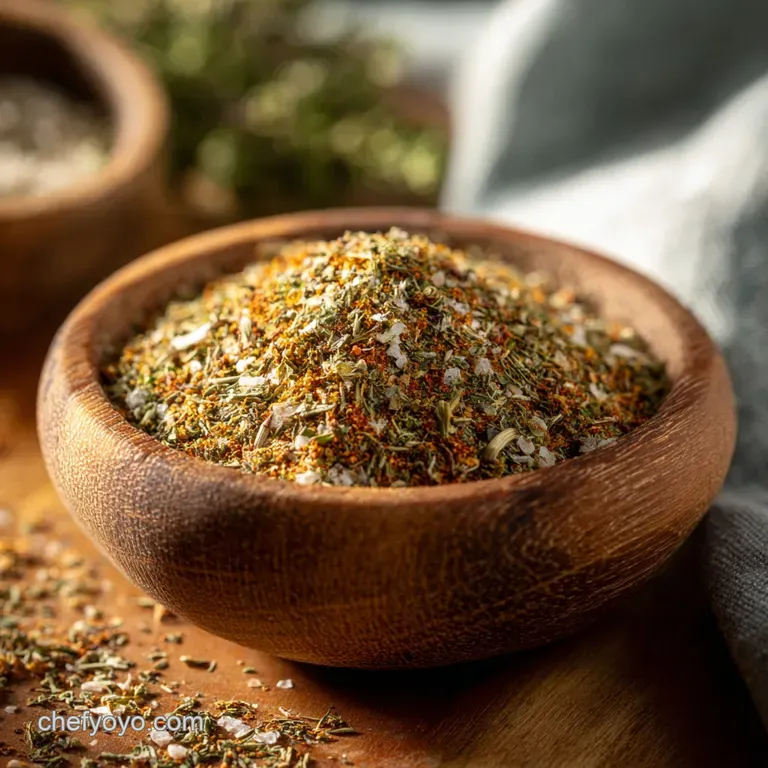
You’ve made this incredible, fresh Italian Seasoning —now don’t ruin it with poor storage! The goal is to keep those beautiful volatile oils trapped inside.
Ideal Containers and Environment
Air, heat, and light are the enemies of all spice blends. The best storage container for your Italian Seasoning is an opaque glass jar with a tightly sealed lid. Avoid storing it in clear glass if it lives on an open shelf.
Keep the jar away from the back of the stove, the window, or above the microwave. A cool, dark pantry is the only acceptable home for maximum potency.
Shelf Life and Indicators of Staleness
A good homemade Italian Seasoning blend, made with fresh herbs, should last anywhere from 6 to 12 months. After 12 months, it won't be dangerous, but the flavour will start to seriously decline. The indicator of staleness is simple: smell it.
If you can’t smell the powerful oregano or the bright basil, it’s time to throw it out and whip up a new batch of Italian Seasoning Ingredients .
Can I Freeze Dry Seasoning Blends?
While technically possible, freezing dry seasoning blends like this Italian Seasoning is generally unnecessary and can actually increase the risk of condensation damage.
When you take the jar out of the freezer, temperature changes can introduce moisture, which clumps the powders and causes the herbs to break down faster. Just stick to the cool, dark pantry method for this particular Italian Spice Blend .
Beyond Pasta Sauce: Creative Ways to Use Your Mediterranean Blend
The beauty of having a dedicated jar of incredible, fresh Italian Seasoning is how quickly it transforms basic ingredients. This blend isn’t just for Sunday gravy; it’s a daily flavour tool.
Making Weeknight Meals Shine
I use this exact Homemade Italian Seasoning blend in almost every Mediterranean inspired dish I make. It provides instant flavour foundation.
- Vinaigrettes: Whisk 1 teaspoon of the Italian Seasoning into your basic oil and vinegar dressing. It’s fantastic on simple cucumber and tomato salads.
- Breadstick Dusting: Brush melted butter onto breadsticks or pizza crust edges and sprinkle liberally with the blend before baking.
- Perfecting Meatballs: When making classic comfort food like Spaghetti and Meatballs: Proper Slow Simmered Italian Classic , adding 1 tablespoon of this blend to the meat mixture (alongside salt and pepper) provides incredible depth.
- Low-Carb Bake: It works brilliantly layered into dishes like Zucchini Rollatini The LowCarb Baked Italian Comfort Food .
Finishing Touches and Marinades
This Italian Seasoning Mix also makes an unbelievable marinade base. Simply whisk 2 tablespoons of the blend with half a cup of olive oil and a squeeze of lemon juice. Use it to marinate pork tenderloins or firm tofu for grilling.
The depth of the Italian Seasoning really comes through after a few hours of marinating.
Ditch the Guesswork: The Importance of Freshly Prepared Blends
We’ve covered what is in the blend, but let's talk about the impact of using freshly mixed spices. When you purchase pre-blended Italian Seasoning from the store, you have no idea how long it sat on the shelf, nor do you know the quality of the raw herbs used.
That’s why preparing your own Italian Seasoning blend gives you total control over potency, flavour profile, and texture.
This is more than just convenience; it’s about culinary integrity. The true, potent flavour of this Italian Seasoning recipe stands up beautifully to long cooking times, meaning you can drop a spoonful into a slow simmering tomato sauce right at the start, and the flavour won't vanish an hour later.
That level of endurance is rare in older blends.
Why Garlic and Onion Powder are Non-Negotiable in This Italian Seasoning
Some purists argue that true Italian Herb Seasoning Mix should contain only herbs. They are wrong. While fresh herbs and garlic are essential for cooking in Italy, when you are creating a dried, shelf stable rub, the inclusion of powdered aromatics is critical for two reasons.
First, powders distribute instantly and evenly throughout the flaky leaves, ensuring every single particle of your Italian Seasoning carries a savoury punch. Second, garlic and onion powders are fantastic flavor boosters that require almost no moisture to activate.
They provide a foundational umami depth that perfectly complements the herbaceous notes of the oregano and basil. Leave them out, and your homemade blend will feel flat.
Balancing the Heat: Red Pepper Flakes in Your Seasoning
You might be surprised to find red pepper flakes in a basic Italian Seasoning Recipe . Don't worry, we are not trying to make it spicy; we are trying to make it interesting.
That small quarter teaspoon doesn't add intense heat; it adds a crucial background warmth that cuts through the earthiness of the oregano and the sweetness of the basil. It’s the finishing touch that elevates this specific Italian Spice Blend from good to fantastic.
If you are serving children or someone highly sensitive to any heat, you can halve the amount. But I strongly encourage keeping at least a tiny pinch in your Homemade Italian Seasoning because it makes a massive difference in the overall complexity.
Advanced Tips for the Seasoning Enthusiast
If you've mastered the basic Italian Seasoning recipe and are looking to level up your spice game, here are a few techniques I rely on to make my blends truly professional grade.
Utilizing Mortar and Pestle for Optimal Blending
A dedicated spice grinder is fast, but a mortar and pestle gives you superior control. When crushing the rosemary and thyme, the friction not only breaks the needles but gently presses the oils out, coating the surfaces of the other herbs already in the bowl.
This physical action results in a far more integrated and potent batch of Italian Seasoning than simply shaking ingredients together.
I recommend grinding the oregano and basil lightly, too. Don't turn them to dust, but gently break them down just enough so they are smaller than the commercial versions you buy. This increased surface area means better flavour release when you use the finished Italian Seasoning .
Customizing Your Italian Seasoning Ingredients for Specific Dishes
The recipe provided is the ultimate all-purpose blend. But once you have this foundation, you can easily customize the next batch of Homemade Italian Seasoning for specific culinary needs.
- For Sauces (Pizza/Pasta): Increase the amount of basil to 2 tablespoons and add 1/2 teaspoon of dried fennel seeds for that classic Italian complexity.
- For Seafood: Reduce the rosemary slightly and add 1/2 teaspoon of dried lemon zest (not fresh!) to brighten the blend. This lighter Italian Herb Seasoning Mix is perfect for white fish.
- For Roasting Vegetables: Add 1 tablespoon of Kosher salt and 1/2 teaspoon of smoked paprika directly to the blend to create a robust finishing rub.
Remember, every time you customize your Italian Seasoning , make sure to label the jar clearly so you don’t accidentally use the spicy version in your kids' pasta sauce!
Addressing Shelf Life Concerns and Potency Drop Off
I want to revisit the issue of shelf life because it’s so critical to the success of making your own dry mixes. The oils in the herbs are volatile, meaning they evaporate into the air over time. That is literally the aroma you smell and when the smell is gone, so is the flavour.
If you notice your Italian Seasoning losing its punch after six months, you have three options:
- Use More: The easiest solution. If the flavour is weak, just double the quantity you add to your recipe.
- Toast it: Use the revival technique mentioned earlier. Toast the weak blend lightly in a dry pan just before use to kickstart the oils.
- Replenish: The best option. Since this Italian Seasoning Recipe takes five minutes to make, just accept that dried spices have a lifespan and make a new batch every 6 8 months. Buy small quantities of raw herbs specifically for your Homemade Italian Seasoning .
Honestly, once you taste how vibrant and fresh a truly Homemade Italian Seasoning is, you’ll never look back at those dusty store jars again. It’s quick, it’s easy, and it guarantees better flavour in every single bite. Go mix up a jar right now! You deserve the upgrade.
Recipe FAQs
How long will this homemade Italian seasoning stay fresh and potent?
When stored in an airtight glass container away from direct sunlight and heat, this blend will maintain its peak flavour intensity for 6 to 12 months. After a year, the volatile oils begin to dissipate, meaning you may need to use a slightly larger quantity to achieve the same desired flavour profile.
Can I use fresh herbs like basil or oregano instead of dried herbs in this recipe?
No, this particular recipe is designed exclusively for dried herbs as they are necessary for shelf stability and concentrated flavour. Fresh herbs contain significant moisture and must be preserved or used immediately; they cannot be substituted directly into this dry blend mixture.
If you must use fresh herbs, use them separately in your final dish using a 3:1 ratio (three parts fresh to one part dried).
Should I grind the mixture in a spice grinder before storing it?
While grinding provides a finer, more uniform texture, we generally advise against it for long term storage of whole blends. Grinding exposes more surface area to the air, which dramatically accelerates the dissipation of aromatic oils, reducing the blend's potency.
We recommend lightly crushing the mixture with a mortar and pestle immediately before use to maximize freshness and aroma.
I follow a low-sodium diet; should I add salt to this Italian seasoning blend?
We intentionally omit salt from the Maestro’s Blend so you have absolute control over the final sodium content of your recipes. This allows the blend to be versatile for both cooking and brining applications where salt is adjusted separately.
Always add your salt directly to the dish, not to the main seasoning container.
What is the best substitution if I am missing Marjoram?
Marjoram provides a delicate, slightly sweet flavour profile compared to its cousin, oregano, so the best substitute is equal parts oregano and thyme. Alternatively, if you wish to keep the flavour lighter, you may slightly increase the amount of dried basil you use in the final blend.
Why does my homemade seasoning blend taste dull or bitter?
A dull flavour usually signals that the initial dried herbs used were old and lacked volatile oils, so ensure your herbs are reasonably fresh upon purchase. Bitterness can occur if hard herbs, such as whole rosemary needles, are not properly crushed, or if the seasoning was stored near a stove where heat damaged the delicate oils.
Is there a way to 'activate' the flavour of the seasoning before adding it to liquid dishes?
Yes, utilizing the technique known as "blooming" significantly deepens the flavour of dry spices. To do this, briefly sauté the seasoning in a dry skillet for 30 seconds until fragrant, or mix it into a tablespoon of warm olive oil before adding it to your sauce or marinade.
This process gently heats the volatile oils, releasing maximum aroma and taste.
Homemade Italian Seasoning Blend
Ingredients:
Instructions:
Nutrition Facts:
| Calories | 5 kcal |
|---|---|
| Fat | < 0.1 g |
| Fiber | 0.5 g |
