Homemade Taco Seasoning: Smoky and Earthy
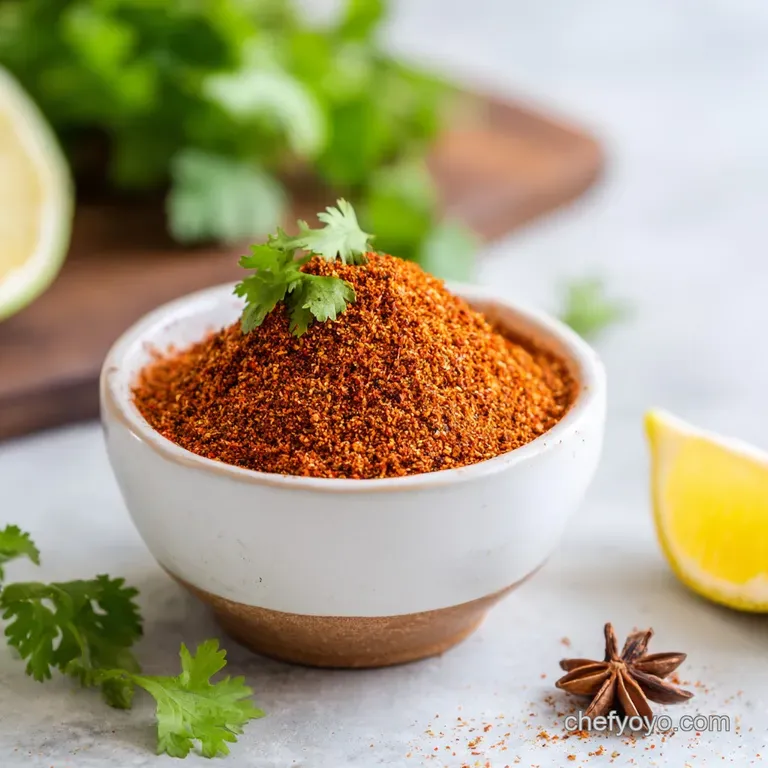
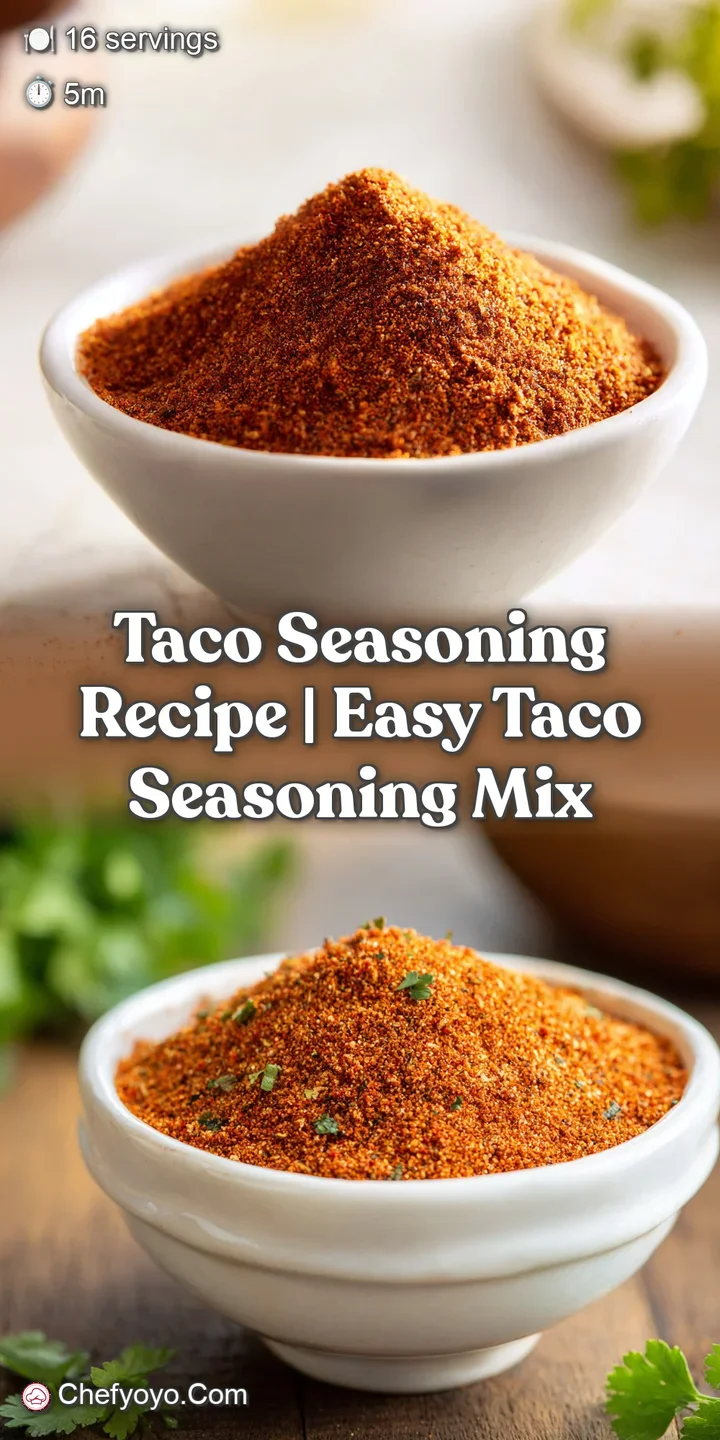
- Time: Active 5 minutes, Passive 0 minutes, Total 5 minutes
- Flavor/Texture Hook: Smoky, zesty, and earthy with a velvety finish
- Perfect for: Busy weeknight dinners, bulk meal prep, and DIY gift jars
- Craft a Bold Homemade Taco Seasoning Recipe
- Essential Specs and Precise Metrics
- Fresh Ingredients Versus Store Packets
- Tools for Better Spice Mixing
- The Method for Vibrant Flavor
- Solving Your Common Spice Problems
- Adapting Spices for Dietary Needs
- Keeping Your Spice Blends Fresh
- Creative Uses for Bold Flavors
- Debunking Common Spice Myths
- Recipe FAQs
- 📝 Recipe Card
Craft a Bold Homemade Taco Seasoning Recipe
Walking through the Mercado in San Antonio is an experience that stays with you long after you leave. The air is thick with the scent of roasted chilies and the sharp, citrusy bite of fresh lime. I remember watching an older woman at a small spice stall. She didn't have fancy labels or plastic packets.
She had huge, colorful mounds of ground spices that looked like velvet. She’d scoop a bit of this and a pinch of that into a small bag, and the aroma was so intense it made my mouth water instantly.
That was the moment I realized that the flat, salty dust I was buying in the grocery store wasn't really "taco seasoning" at all.
When I got home, I spent weeks trying to capture that vibrant energy in my own kitchen. I realized that traditional Mexican flavors aren't just about heat, they are about the balance of earthiness from cumin and the sweetness of smoked paprika.
This taco seasoning recipe is my tribute to that lady in San Antonio. It’s bold, it’s colorful, and it brings a level of soul to your ground beef or shredded chicken that you just can't get from a factory sealed envelope.
You deserve a kitchen that smells like a bustling market, not a cardboard box.
Honestly, once you see how easy it is to control the flavor profile yourself, you'll never go back. We are talking about deep reds, bright oranges, and a smell that fills your whole house the second it hits the hot pan.
This isn't just about making dinner, it’s about creating a sensory experience that makes your family actually excited to sit down at the table.
Essential Specs and Precise Metrics
When we talk about making a great spice blend, consistency is everything. You don't want one batch to be a fire breathing dragon and the next to be bland. Using precise measurements ensures that every time you make a batch of this taco seasoning recipe, it tastes exactly like the first time you fell in love with it.
The Fat Soluble Secret: Many of the flavor compounds in chili powder and cumin are fat soluble. This means they need a little oil or fat in the pan to truly wake up. If you just throw spices into dry meat, they stay muted.
The Texture Thickener: Including a small amount of cornstarch is a total trick of the trade. It helps the spices cling to the meat and, when combined with a little water, creates a silky sauce that coats every single crumb of beef.
Blooming Power: When these spices hit the heat, the oils inside them expand and release their colorful aromas. This is why the smell of tacos cooking is so much more intense than the smell of the raw powder in the jar.
| Cook Method | Time | Texture | Best For |
|---|---|---|---|
| Stovetop Mix | 2 minutes | Velvety sauce | Ground beef, turkey, or tofu crumbles |
| Dry Rub Style | 0 minutes | Crusty exterior | Seared chicken breast or flank steak |
| Slow Cooker | 8 hours | Deeply infused | Pork carnitas or pulled chicken thighs |
The beauty of a DIY blend is how it transforms depending on how you use it. If you are looking for that classic, saucy taco meat, the stovetop method with a splash of water is your best friend. But if you want a vibrant crust on a piece of grilled fish, using it as a dry rub is brilliant.
It’s all about how those spices interact with moisture and heat.
| Component | Science Role | Pro Secret |
|---|---|---|
| Chili Powder | Base Flavor | Use a blend of Ancho and New Mexico chilies for complexity. |
| Ground Cumin | Earthy Anchor | Buy whole seeds and toast them before grinding for 2x the aroma. |
| Cornstarch | Emulsifier | This is what prevents the "greasy puddle" at the bottom of your taco. |
Using high-quality spices is the most important thing you can do for this recipe. If your chili powder has been sitting in the back of the pantry since the last Olympics, it’s going to taste like sawdust. Fresh spices should have a vibrant color and a punchy smell that hits you the moment you open the lid.
Fresh Ingredients Versus Store Packets
The "stuff" in the store-bought packets is often mostly salt, sugar, and anti caking agents like silicon dioxide (yes, sand). By making this taco seasoning recipe yourself, you are cutting out the junk and focusing entirely on the flavor. You also get to control the heat.
If you want it spicy, you add more cayenne. If you want it mild, you leave it out.
- 4 tbsp Chili Powder: This is the bulk of your blend. Why this? Provides the iconic deep red color and the primary savory flavor profile.
- 2 tsp Smoked Paprika: Adds a subtle wood fired scent. Why this? It bridges the gap between the spicy chili and the earthy cumin.
- 1 tbsp Ground Cumin: The heart of Mexican cooking. Why this? Gives that unmistakable "taco" aroma that is deeply savory and warm.
- 1 tbsp Garlic Powder: Essential for depth. Why this? Distributes savory garlic flavor evenly without the risk of burning fresh cloves.
- 1 tbsp Onion Powder: Adds a touch of sweetness. Why this? Balances the sharper spices with a rounded, cooked onion flavor.
- 1 tsp Dried Oregano: The herbal note. Why this? Use Mexican oregano if you can find it for a more citrusy finish.
- 1 tsp Black Pepper: For a sharp, biting heat. Why this? Freshly cracked is always better for a more vibrant sensory hit.
- 1 tsp Kosher Salt: Enhances everything. Why this? Large grains allow for better control over the total saltiness of the dish.
- 0.5 tsp Cayenne Pepper: This is your heat dial. Why this? Provides a clean, sharp spicy kick that lingers on the tongue.
- 1 tsp Cornstarch: The secret to the sauce. Why this? Acts as a thickener to create a silky coating on your protein.
If you're out of smoked paprika, you can use regular sweet paprika, though you'll miss that campfire style depth. If you want to dive deeper into custom blends, my Homemade Taco Seasoning article covers even more ways to tweak these ratios for specific meat types.
| Original Ingredient | Substitute | Why It Works |
|---|---|---|
| Chili Powder | Ancho Chili Powder | Provides a sweeter, milder flavor with more raisin like notes. |
| Cornstarch | Arrowroot Powder | Same thickening power but stays clearer and is paleo friendly. |
| Cayenne Pepper | Red Pepper Flakes | Adds a more textured heat that you can actually see in the meat. |
Using the right substitutes can actually make the recipe better depending on your specific tastes. For example, if you prefer a more "authentic" street taco vibe, swapping the chili powder for pure Ancho powder gives you a much darker, richer sauce that isn't spicy at all.
Tools for Better Spice Mixing
You don't need a lab to make a great taco seasoning recipe, but a few basic tools make the process much cleaner. I used to just shake the spices in a jar, but I found that the heavier salts would always settle at the bottom, leaving the top too spicy and the bottom too salty.
Chef's Tip: Before you start mixing, wipe your measuring spoons completely dry. Even a tiny bit of moisture will cause the onion and garlic powders to clump together into little rocks that are impossible to break apart later.
- Glass Mixing Bowl: Better than plastic because it won't absorb the strong oils from the cumin and chili.
- Small Whisk: A fork works, but a tiny whisk is much better at breaking up those stubborn clumps in the garlic powder.
- Airtight Glass Jars: Mason jars are perfect. Avoid plastic containers for long term storage as spices can lose their potency faster in them.
- Funnel: Unless you have the steady hands of a surgeon, a funnel will save you from wasting half your vibrant spices on the countertop.
The Method for Vibrant Flavor
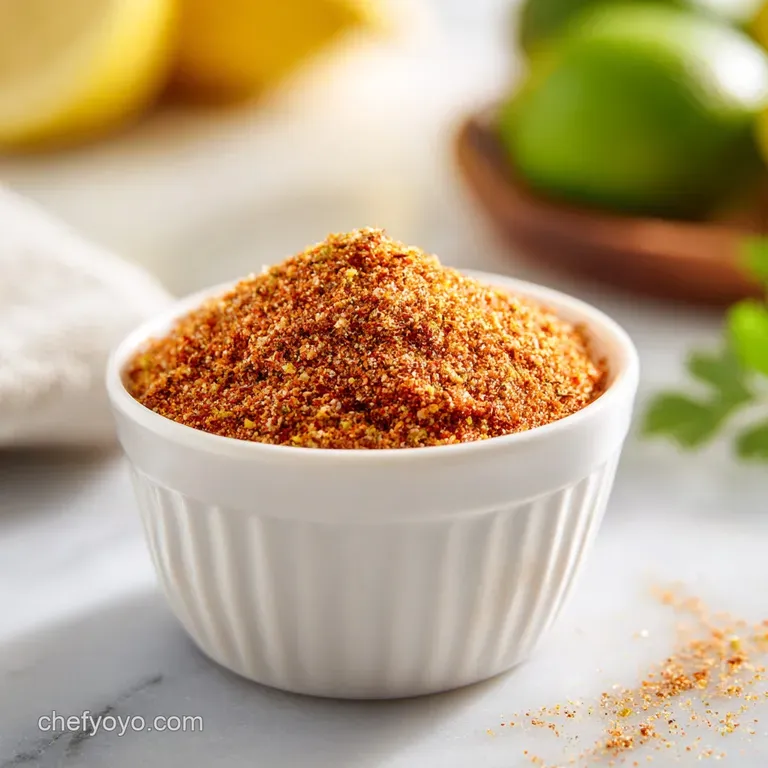
This process is fast, but don't rush the measuring. The beauty of this taco seasoning recipe is in the ratio. You want that perfect balance where no single spice overpowers the rest. Follow these steps to ensure a perfectly homogenous blend every single time.
- Measure for Consistency: Use the level off method with your measuring spoons. Combine the chili powder, ground cumin, and smoked paprika in a small glass mixing bowl first.
- Blend for Uniformity: Add the garlic powder, onion powder, kosher salt, dried oregano, black pepper, cayenne, and cornstarch to the bowl.
- Whisk Thoroughly: Use a whisk or fork to combine the spices until the color is a uniform, deep brick red. Note: This ensures you don't get a "salt bomb" in one bite and "pepper fire" in the next.
- Check for Clumps: Use the back of a spoon to press out any lumps in the onion or garlic powder until the mixture is fine and powdery.
- Aroma Check: Give the bowl a sniff. You should smell the earthiness of the cumin first, followed by the smoky paprika.
- Transfer to Storage: Carefully pour the mixture into an airtight glass jar using your funnel.
- Label Your Jar: Mark the date on the jar. Spices are safe forever, but they lose their colorful personality after about 6 months.
- Prepare Your Protein: Brown 1 pound of ground beef in a skillet until no pink remains and the fat has rendered.
- Apply the Seasoning: Add 2 tablespoons of your mix to the meat. Stir for 30 seconds until the spices smell toasted and fragrant.
- Hydrate the Sauce: Add 1/4 cup of water to the pan and simmer until the liquid thickens into a velvety, glossy sauce.
If you're making a big batch of tacos, this mix is also incredible on seafood. Try it out on some fish tacos for a zesty change of pace from the usual beef night.
Solving Your Common Spice Problems
Even a simple taco seasoning recipe can have its moments of drama. The most common issue people have is clumping or the seasoning tasting "dusty" rather than flavorful. This usually happens because of how the spices were handled or the age of the ingredients.
Why Your Seasoning Is Clumping
If you open your jar and find a solid brick of spice, moisture is the culprit. Onion powder and garlic powder are highly "hygroscopic," meaning they suck moisture right out of the air. If you live in a humid climate or if you measured your spices over a steaming pot of boiling water, they will clump.
Why Your Taco Meat Is Gritty
If the meat feels powdery or gritty on your tongue, you likely skipped the water step or didn't cook the spices long enough. Spices need a little liquid to soften their cell walls and release their oils. Without water, the cornstarch stays as a dry powder instead of turning into a silky sauce.
| Problem | Root Cause | Solution |
|---|---|---|
| Too Salty | Used table salt instead of Kosher | Reduce salt by half or add a squeeze of lime juice to balance. |
| No Flavor | Old or "stale" spices | Buy whole cumin seeds and toast them, or replace spices older than 1 year. |
| Too Much Heat | Over measured cayenne | Add a tablespoon of tomato paste or a splash of heavy cream to mellow it. |
Common Mistakes Checklist:
- ✓ Never measure spices directly over a steaming pan (steam gets into the jar and causes clumping).
- ✓ Always whisk the blend before using to redistribute the heavier salt and cornstarch.
- ✓ Don't forget the water - it's what activates the cornstarch for that velvety texture.
- ✓ Store the jar in a dark pantry, never on the counter next to the hot stove.
- ✓ Toast the dry spices in the meat fat for 30 seconds before adding water to "bloom" the flavor.
Adapting Spices for Dietary Needs
One of the best things about this taco seasoning recipe is how inclusive it can be. When you control the jar, you control the health profile. Whether you are watching your salt intake or trying to keep things "clean," this blend is your playground.
Low Sodium Adjustments
The typical store packet has enough salt to pickle a whole cow. To make this heart healthy, you can actually remove the salt entirely from the blend. Instead, add a splash of fresh lime juice or a teaspoon of apple cider vinegar at the very end of cooking.
The acidity mimics the "pop" that salt provides without the sodium.
Making It Spicy
If you want a vibrant, tongue tingling heat, double the cayenne pepper. Alternatively, you can add half a teaspoon of chipotle powder. This adds a "slow burn" and a deep smokiness that pair perfectly with the smoked paprika already in the recipe.
Scaling Your Spice Batches
If you are cooking for a crowd or just want to stock up for the month, scaling this recipe is incredibly easy. Just keep the ratios the same.
- For 1/2 Batch: Use 2 tbsp Chili Powder and 1.5 tsp of the other main spices. Reduce water to 2 tbsp when cooking.
- For 2x Batch: This will fit perfectly in a standard 4 oz spice jar. Use 8 tbsp Chili Powder and double everything else.
- For 4x Batch: Great for meal prep. Use 1 cup of Chili Powder as your base. Remember to only use 1.5x the salt and cayenne to prevent it from becoming overwhelming.
Keeping Your Spice Blends Fresh
Spices don't technically "go bad" in the sense that they will make you sick, but they certainly "die" in terms of flavor. A vibrant taco seasoning recipe should look bright and smell intense.
If yours looks grey or doesn't make you want to cook immediately upon smelling it, it’s time to start fresh.
The Light Enemy: UV light breaks down the volatile oils in spices. If you store your beautiful red taco seasoning in a clear jar on a sunny windowsill, it will turn brown and tasteless in weeks. Keep it in a dark cupboard.
Heat Management: Many people keep their spice racks right above or next to the stove. This is a mistake! The constant heat fluctuations cause the spices to lose their potency much faster. A cool, dry pantry is the only place for your bold blends.
Zero Waste Tip: If you have a jar that is almost empty but has a lot of "spice dust" stuck to the sides, don't wash it out. Pour a little warm water or beef broth into the jar, shake it up, and pour that liquid directly into your taco pan. It’s like a flavor packed bonus shot!
Creative Uses for Bold Flavors
Don't let the name fool you; this taco seasoning recipe is a versatile powerhouse in the kitchen. Once you have a jar of this vibrant red powder sitting in your pantry, you'll start finding reasons to put it on everything. It’s not just for ground beef on Tuesdays!
Beyond the Taco Shell
Try tossing raw cauliflower florets in a little olive oil and a tablespoon of this seasoning before roasting them at 400°F. The cornstarch helps the spices stick, and the smoked paprika caramelizes into a savory crust that is absolutely addictive.
It’s also brilliant as a popcorn seasoning just mix it with a little melted butter and shake it over a hot bowl of corn.
Choosing Your Protein
While ground beef is the classic choice, this blend was born to be on chicken. I love rubbing it under the skin of a whole chicken before roasting. The cumin and garlic infuse the meat while the paprika turns the skin a beautiful, vibrant mahogany color.
| Protein Type | Amount of Seasoning | Liquid Needed | Best Topping |
|---|---|---|---|
| Ground Beef (80/20) | 2 tablespoons | 1/4 cup water | Sharp Cheddar |
| Chicken Breast | 1.5 tablespoons | 2 tbsp lime juice | Fresh Cilantro |
| Black Beans | 1 tablespoon | 3 tbsp bean liquid | Pickled Onions |
Debunking Common Spice Myths
There are a lot of misconceptions floating around about how spices work. Let's clear the air so you can cook with total confidence.
Myth: Searing meat "seals in the juices." This is one of the oldest lies in the kitchen. Searing actually causes moisture loss. However, we sear meat because of the Maillard reaction that's the browning that creates hundreds of new flavor compounds.
Adding your taco seasoning during this browning phase allows the spices to toast in the rendered fat, which is where the real magic happens.
Myth: Chili powder is just ground up chili peppers. In the US, "Chili Powder" (with an 'i') is almost always a blend. It contains ground chilies, but also cumin, oregano, and sometimes salt. This is why our recipe uses it as a base.
If you use "Chile Powder" (with an 'e'), you are getting pure ground peppers, which will be much hotter and less complex.
Myth: You should always use fresh garlic over powder. For a slow simmered sauce, fresh is great. But for a quick cooking taco meat, garlic powder is actually superior.
It distributes the flavor more evenly and doesn't have the risk of burning and becoming bitter in the hot skillet fat like fresh minced garlic does.
Recipe FAQs
What ingredients for taco seasoning?
Combine pantry staples for the best flavor. You will need 4 tablespoons chili powder, 2 teaspoons smoked paprika, 1 tablespoon ground cumin, 1 tablespoon garlic powder, 1 tablespoon onion powder, 1 teaspoon dried oregano, 1 teaspoon black pepper, 1 teaspoon kosher salt, 0.5 teaspoon cayenne pepper, and
1 teaspoon cornstarch.
What can I use if I don't have taco seasoning mix?
Mix your own using the proportions above. If you enjoyed learning to balance the earthiness of cumin with the heat of chili powder here, you can apply similar logic when building layers of flavor for a flavorful enchilada sauce.
How much taco seasoning and water for 1 pound of meat?
Use 2 tablespoons of seasoning per pound. Always add a splash of water to the pan along with the spices, which activates the cornstarch to create a velvety, restaurant style coating on your protein.
Is taco seasoning ok for diabetics?
Yes, this homemade version is a great option. By making it yourself, you avoid the hidden sugars and preservatives often found in commercial packets, allowing you to control the sodium and spice levels entirely.
Is it true I must buy store-bought packets for the best texture?
No, this is a common misconception. A homemade blend produces a fresher, more vibrant flavor profile, and the small amount of cornstarch included in this recipe ensures you achieve that classic, thickened sauce consistency without any fillers.
How to store taco seasoning?
Transfer the mixture to an airtight glass jar. Store it in a cool, dark cupboard to maintain the potency of the spices for up to 6 months.
How to ensure the seasoning is perfectly mixed?
Whisk thoroughly in a glass bowl until no clumps remain. Breaking up the garlic and onion powders before storage is the secret to ensuring every scoop provides a consistent flavor when you finally add it to your meat.
Homemade Taco Seasoning 2
Ingredients:
Instructions:
Nutrition Facts:
| Calories | 13 kcal |
|---|---|
| Protein | 0.6 g |
| Fat | 0.4 g |
| Carbs | 2.6 g |
| Fiber | 1.1 g |
| Sugar | 0.3 g |
| Sodium | 147 mg |
