How to Steam Eggs: Effortless Peeling
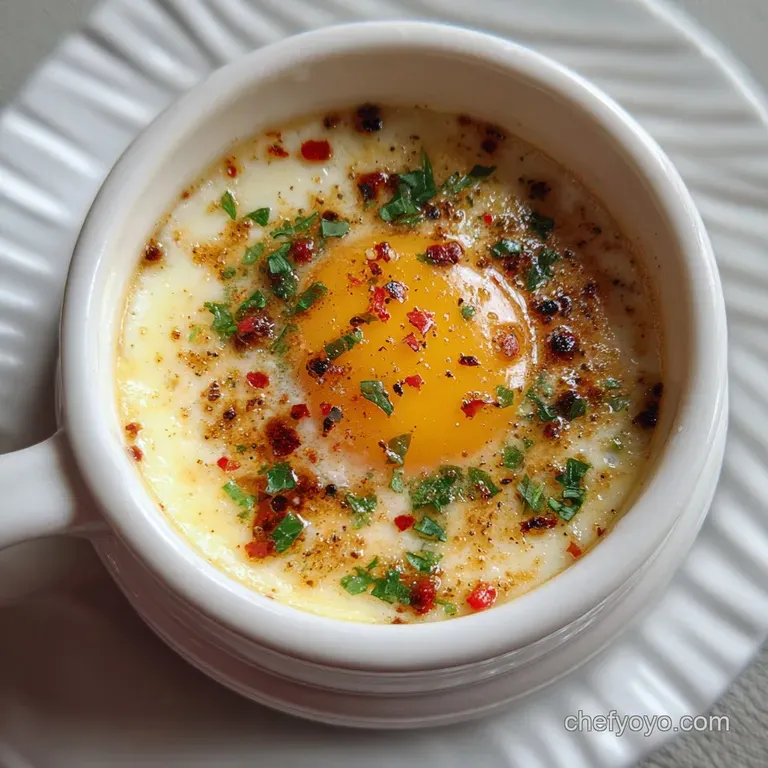
- Time: Active 2 minutes, Passive 12 minutes, Total 14 minutes
- Flavor/Texture Hook: Velvety yolks with shells that shatter and slide right off.
- Perfect for: Meal prep, budget-friendly breakfasts, and stress free deviled eggs.
- Discovering the Easiest Way How to Steam Eggs
- The Physics of the Vapor Barrier
- Choosing the Best Method for Success
- The Essential Elements for Perfect Results
- Simple Tools for the Home Cook
- The Simple Elements Needed for Success
- Mastering the Twelve Minute Steam Cycle
- Fixing Common Problems Before They Start
- Adapting Your Recipe for Any Occasion
- Storing and Reusing Your Steamed Eggs
- Warming Ways to Serve Your Meal
- Myths About Steaming
- Recipe FAQs
- 📝 Recipe Card
Discovering the Easiest Way How to Steam Eggs
I used to be a chronic egg peel failer. You know the type - standing over the sink, picking away tiny shards of shell like a forensic scientist, only to end up with an egg that looks like it went through a blender. It’s frustrating, especially when you’re just trying to get a simple breakfast on the table.
I tried the salt in the water, the vinegar trick, even the "old eggs vs. fresh eggs" debate, but nothing worked consistently.
Everything changed when I stopped boiling and started steaming. The first time I tried it, I tapped the shell on the counter and it didn't just crack - it basically surrendered. The entire shell slipped off in two clean pieces, revealing a silky, unblemished surface underneath.
I actually stood there in my kitchen and cheered. If you've been struggling with the "traditional" boiling method, this recipe is going to be your new best friend.
We're going to use exactly 6 large eggs and a tiny bit of water to create a steam chamber that does all the heavy lifting. This isn't just a recipe; it's a fundamental shift in how you'll handle your morning protein.
It's cost effective, incredibly fast, and yields the most consistent results I've ever seen in my twenty years of home cooking. Trust me, once you see that shell slide off, you'll never look back.
The Physics of the Vapor Barrier
Thermal Penetration: Steam carries more heat energy than boiling water at the same temperature, allowing it to penetrate the porous eggshell more efficiently to set the outer whites instantly.
This rapid setting prevents the membrane from bonding to the shell, which is why steamed eggs peel so much more easily than boiled ones.
Choosing the Best Method for Success
| Method | Time | Texture | Best For |
|---|---|---|---|
| Stovetop Steam | 12 minutes | Silky and tender | Every day meal prep |
| Oven Roasting | 30 minutes | Dense and nutty | Large holiday batches |
| Traditional Boil | 10 minutes | Rubbery whites | When you have no lid |
Steaming is my go to because it's the perfect middle ground between speed and quality. While the oven method works for dozens of eggs at once, it can sometimes leave little brown spots on the whites that look a bit odd. Stovetop steaming gives you that classic, clean look every single time.
The Essential Elements for Perfect Results
| Ingredient | Science Role | Pro Secret |
|---|---|---|
| 6 Large Eggs | Primary Protein | Use eggs straight from the fridge for better timing control. |
| 1 Cup Water | Steam Generator | Filtered water prevents mineral buildup in your steaming pot. |
| 2 Cups Ice | Thermal Shock | Larger cubes melt slower, keeping the "shock" water colder. |
Simple Tools for the Home Cook
You don't need a fancy electric egg cooker to get this done. A simple pot with a tight fitting lid is the real hero here. If you have a steamer basket, that's great because it keeps the eggs from rattling around on the bottom of the pot, but even a small colander that fits inside your pot will work.
The goal is to keep the 6 large eggs just above the water level. If you're working on a budget, you can even use a few crumpled up balls of aluminum foil to hold a heat proof plate above the simmering water. It’s all about creating that humid environment. For more breakfast inspiration using simple tools, you might want to check out my UltraCrisp Homemade Waffles recipe for a weekend treat.
The Simple Elements Needed for Success
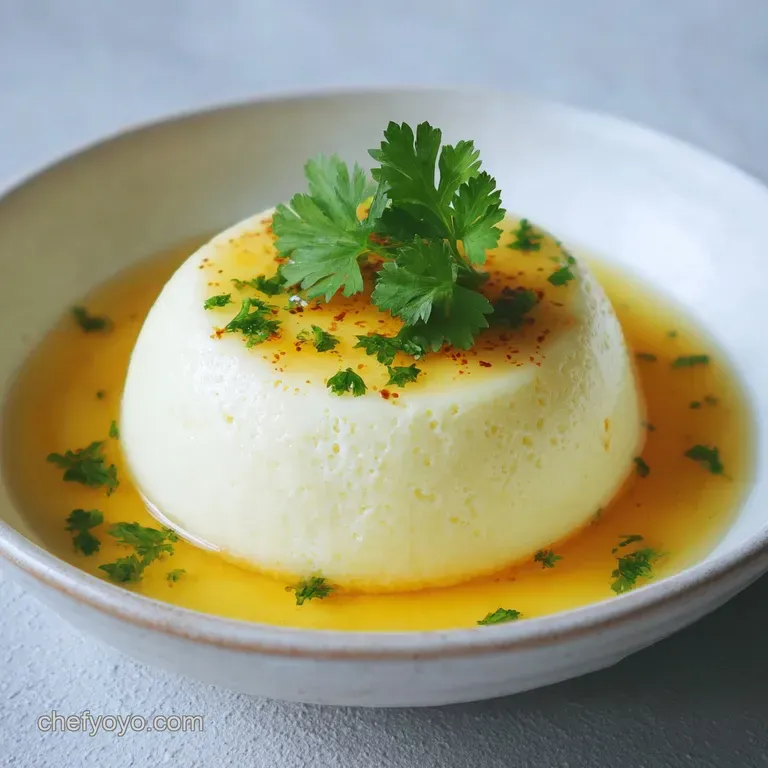
- 6 large eggs: The star of the show. Why this? They provide the most consistent cook time for the 12 minute window. (Sub: Medium eggs, but reduce cook time by 1 minute).
- 1 cup water: For the steam. Why this? Enough to last 12 minutes without boiling dry. (Sub: Any potable liquid, but water is best).
- 2 cups ice: For the shock bath. Why this? Stops the carryover cooking immediately. (Sub: Reusable ice packs if needed).
- 2 cups cold water: To create the bath. Why this? Surrounds the egg for even cooling. (Sub: Very cold tap water).
Mastering the Twelve Minute Steam Cycle
- Create the Steam Chamber. Pour 1 cup water into a medium pot and bring it to a boil over high heat. Note: You only need about an inch of water.
- The Gentle Load. Place a steamer basket into the pot and carefully add the 6 large eggs using tongs. Expect a loud hiss of steam.
- Seal the Pot. Cover with a tight fitting lid and reduce the heat to medium high. Look for steam escaping the edges.
- Set the Timer. Let them steam for exactly 12 minutes for a firm, creamy yolk. Note: Don't peek! Opening the lid lets the heat escape.
- Prepare the Bath. While they cook, combine 2 cups ice and 2 cups cold water in a large bowl. Make sure it is ice cold.
- The Thermal Shock. When the timer goes off, immediately move the eggs into the ice bath. They should sizzle slightly as they hit the water.
- Rest and Chill. Leave the eggs in the cold water for at least 15 minutes. Note: This ensures the yolk fully sets and the membrane shrinks.
- The Easy Peel. Gently tap the egg on a hard surface to crack the shell all over. Watch the shell shatter and slide off.
- Rinse and Dry. Give them a quick rinse to remove any tiny shell fragments and pat dry with a towel.
- Final Check. Slice one open to see that beautiful, centered, velvety yolk.
Fixing Common Problems Before They Start
Why did my eggs crack?
Sometimes the sudden change in temperature from a cold fridge to a hot steamer causes the shell to expand too quickly. This usually happens if you drop the eggs in too roughly. To prevent this, place them gently with tongs or a slotted spoon.
If one does crack, the steam usually sets the white so fast that it doesn't leak out nearly as much as it would in boiling water.
Why is the yolk still runny?
Altitude and the size of your eggs can change things. If you're using extra large eggs, 12 minutes might leave the center a bit soft. Also, if your lid isn't tight, you're losing the heat needed to cook them through. Make sure your "steam chamber" is truly sealed.
| Problem | Root Cause | Solution |
|---|---|---|
| Green ring on yolk | Overcooked | Reduce steam time by 1 minute and use more ice. |
| Hard to peel | Not shocked enough | Ensure the ice bath stays freezing for the full 15 minutes. |
| Dimple on the end | Air pocket | Store eggs blunt side up before cooking to center the yolk. |
Common Mistakes Checklist
- ✓ Adding eggs before the water is actually boiling (this messes up the timing).
- ✓ Using a lid that doesn't fit tightly, allowing essential steam to escape.
- ✓ Skipping the ice bath - carryover cooking is the enemy of a velvety yolk.
- ✓ Peeling while the eggs are still warm; the membrane needs to cool to release.
- ✓ Not using enough water and letting the pot boil dry.
Adapting Your Recipe for Any Occasion
If you're cooking for a crowd, you can easily double this recipe. Just make sure your steamer basket isn't overcrowded; the steam needs to circulate around each egg. For 12 eggs, keep the spices and liquids mostly the same, but ensure your pot is large enough that the eggs aren't stacked more than two layers deep.
If you are doing a massive batch for a party, you can even use this method for steamed eggs for deviled eggs, which will give you that flawless, smooth exterior every time.
For a completely different texture, you might want to try Chinese steamed eggs (also known as egg custard). While the technique is different - you're steaming a liquid egg mixture rather than eggs in their shell - the principle of gentle steam heat remains the same.
It’s a wonderful comfort food that feels like a warm hug in a bowl.
If you are in a massive rush, you can look into microwave steamed eggs, but be careful! Never put a whole egg in the shell in the microwave. Instead, you'd use a specialized microwave egg poacher that uses a tiny bit of water to create steam.
It’s a great easy steamed eggs hack for the office, but for the best flavor and texture, the stovetop method we've covered here is king.
Storing and Reusing Your Steamed Eggs
Storage: You can keep these steamed hard boiled eggs in the fridge for up to 7 days. I highly recommend keeping them in their shells until you’re ready to eat them.
The shell acts as a natural protective barrier, keeping the whites from drying out or absorbing other "fridge smells" (we've all been there with the leftover onion).
Zero Waste: Don't toss those shells! If you have a garden, crushed eggshells are a fantastic source of calcium for your soil, especially for tomato plants. You can also dry them out and grind them into a fine powder to add to your compost. As for the eggs themselves, if you have a few left over that are reaching the end of their week, they are the base for a Classic Creamy Egg recipe that makes the best sandwiches.
Warming Ways to Serve Your Meal
There is something so traditional and simple about a perfectly steamed egg with a sprinkle of flaky sea salt and cracked black pepper. If you want to take it a step further, slice them in half and serve them alongside some Air Fryer Chicken recipe for a high protein lunch that actually keeps you full.
Simple Pairing Ideas
- The Avocado Toast: Smash half an avocado on sourdough, top with a 12 minute steamed egg, and a drizzle of sriracha.
- The Ramen Bowl: Use a 6 minute steamed soft boiled eggs technique (just reduce the time) and marinate them in soy sauce and ginger.
- The Classic Salad: Roughly chop two eggs and toss them into a bed of seasonal greens with a simple lemon vinaigrette.
Myths About Steaming
A lot of people think you need to add salt or baking soda to the water to make eggs peel easier. The truth is, that doesn't do much because the shell is designed to be a protective barrier. The real secret is the temperature shock and the steam itself. Another common myth is that you must use "old" eggs.
While older eggs have a larger air pocket, the steaming method is so effective that even farm fresh eggs will peel beautifully. It's about the physics of the steam, not the age of the chicken's work!
Finally,, don't believe the hype that you need expensive gadgets. Whether you're making steamed hard boiled eggs for a snack or preparing a fancy platter, your trusty old pot and lid are all you need to achieve professional results on a home cook's budget. Happy steaming!
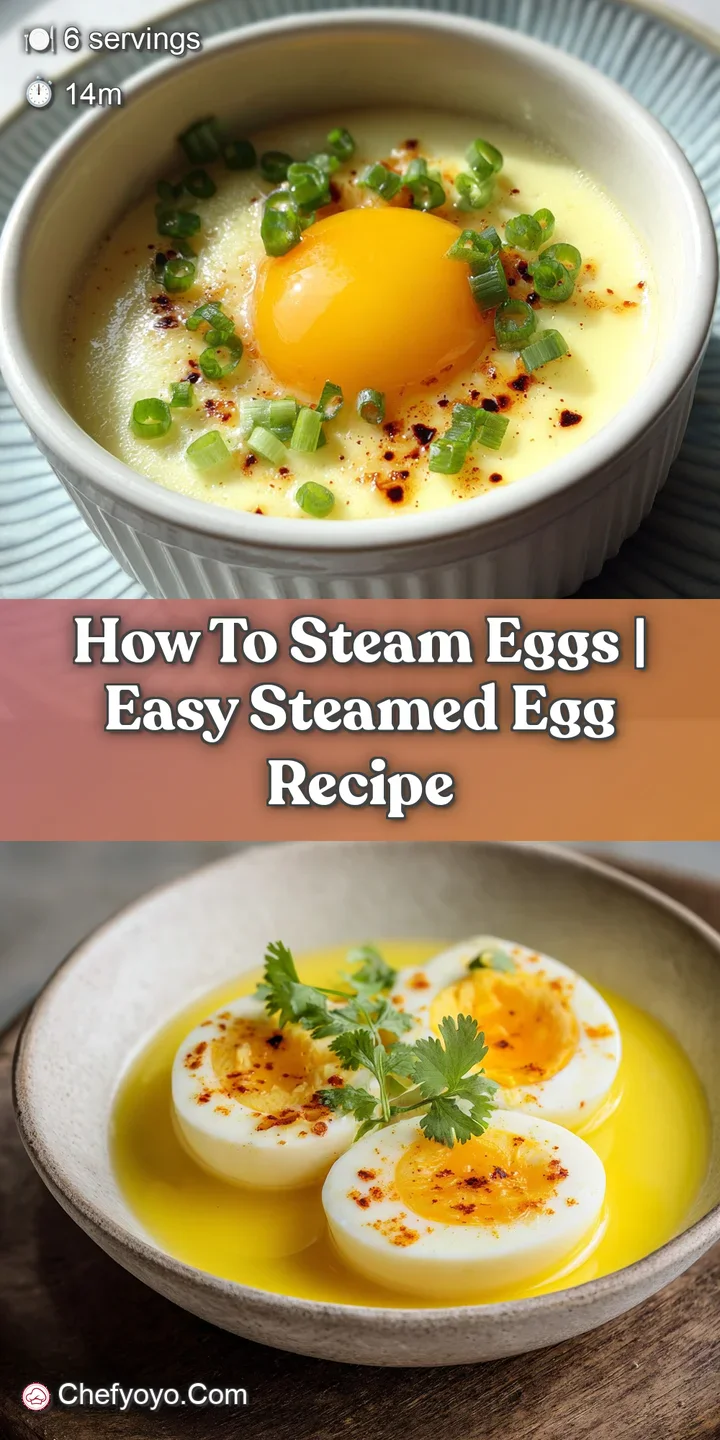
Recipe FAQs
How do I steam my eggs?
Pour 1 cup of water into a pot and bring it to a boil. Place a steamer basket in the pot, add your eggs, cover tightly, and reduce heat to medium high. Steam for exactly 12 minutes, then immediately transfer to an ice bath for at least 15 minutes before peeling.
How much time do eggs take to steam?
Steaming eggs takes approximately 12 minutes for a firm, creamy yolk. This is followed by a 15-minute ice bath to stop the cooking and aid in peeling. For softer yolks, reduce the steaming time to around 6-8 minutes.
How do you steam eggs so they are easier to peel?
The key is the rapid temperature change. Steam the eggs until done, then immediately plunge them into a very cold ice bath for at least 15 minutes. This rapid cooling causes the egg white to contract away from the shell membrane, making them slide off easily, much like controlling texture in Cloud Nine Creamy Homemade Mashed Potatoes Recipe.
How long to steam eggs in an egg steamer?
Follow the general stovetop steaming guideline of 12 minutes for large eggs. While electric egg steamers often have presets, 12 minutes usually yields perfectly cooked steamed eggs that are easy to peel once properly shocked in an ice bath.
Can I steam eggs directly in the water?
No, this will result in boiling, not steaming. To achieve steam, the eggs must be suspended above the boiling water, typically in a steamer basket or on a rack, allowing the vapor to cook them gently.
Do I need special equipment to steam eggs?
No, a standard pot with a tight fitting lid is sufficient. A steamer basket or even a small colander that fits inside the pot works well to keep the eggs above the water. You can even improvise with crumpled aluminum foil to create a makeshift rack.
Will fresh eggs peel easily after steaming?
Yes, steaming and an ice bath make even fresh eggs easy to peel. The rapid setting of the egg white by steam, combined with the thermal shock of the ice bath, causes the membrane to detach from the shell, regardless of the egg's age. This principle of temperature control is also vital for achieving crispy results, similar to how we manage it in How to Make Hash Browns Crunchy: My Secret for Irresistibly Crisp Perfection.
How To Steam Eggs
Ingredients:
Instructions:
Nutrition Facts:
| Calories | 72 kcal |
|---|---|
| Protein | 6.3 g |
| Fat | 4.8 g |
| Carbs | 0.4 g |
| Fiber | 0 g |
| Sugar | 0.2 g |
| Sodium | 71 mg |
