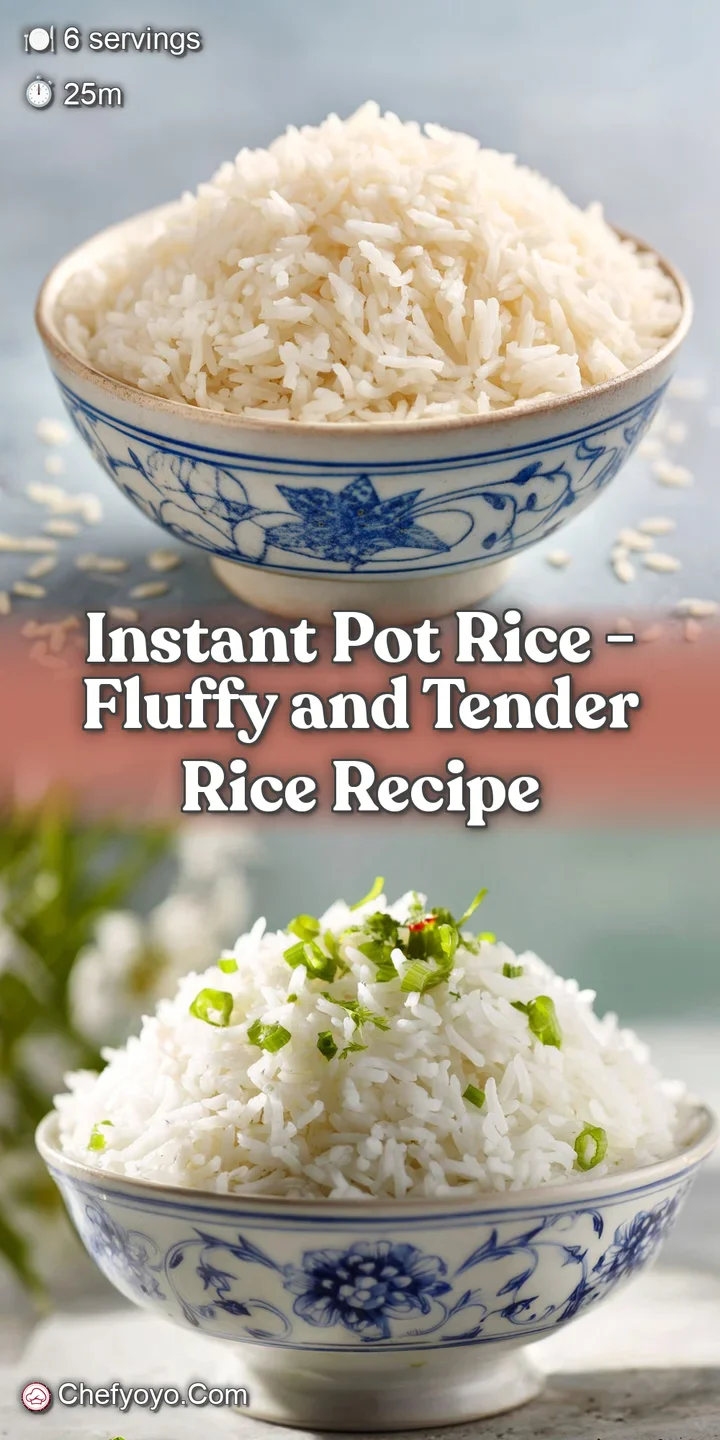
Instant Pot Rice: Fluffy and Tender
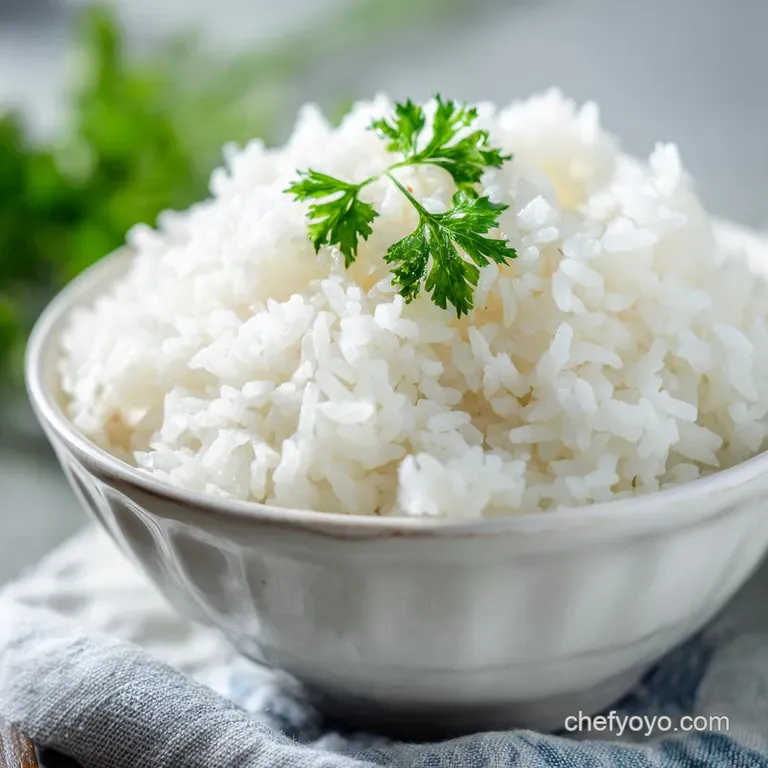
- Time: Active 5 minutes, Passive 20 minutes, Total 25 minutes
- Flavor/Texture Hook: Tender, distinct, and fluffy grains
- Perfect for: Busy weeknight meal prep or a base for stir fries
- Making Fluffy Instant Pot Rice Every Single Time
- Why the 1:1 Ratio Wins
- Examining Elements for Better Texture Results
- Gathering Your Supplies for Pressure Cooking
- Bringing the Grains to Life
- Solving Common Texture Issues Quickly
- Creative Ways to Flavor the Base
- Smart Methods for Storing Leftovers
- Flavorful Pairings for Fresh Steamed Rice
- Recipe FAQs
- 📝 Recipe Card
Making Fluffy Instant Pot Rice Every Single Time
There is a specific sound that happens when you open a pressure cooker after the pin drops a soft, wet whoosh of steam that carries the faint, toasted aroma of warm grain. For a long time, I treated my Instant Pot like a mystery box, especially with something as "simple" as rice.
I remember one Tuesday night specifically, standing over the sink with a pot of what looked like Elmer’s glue because I had trusted the preset "Rice" button without checking the facts. It was a gummy, translucent mess that broke my heart and ruined my stir fry plans.
But then I learned about the magic of the rinse and the 1:1 ratio. Once you see the water turn from cloudy white to crystal clear in the strainer, you’ve already won half the battle.
This recipe isn't about fancy tricks; it's about reliable physics that works in your favor while you're busy doing literally anything else. We're aiming for grains that are tender enough to melt in your mouth but strong enough to stand alone without clumping into a sad ball of starch.
When you nail this, the rice doesn't just sit on the plate; it provides a bouncy, clean foundation for whatever you've spent your energy cooking. Whether you're topping it with a rich curry or just a knob of butter and some cracked pepper, the texture remains the star.
It's a fundamental skill that turns a kitchen appliance from a gadget into a workhorse you can actually trust when the "what's for dinner?" panic sets in.
Why the 1:1 Ratio Wins
- Zero Evaporation: Unlike a stovetop pot where steam escapes under the lid, the sealed environment keeps every drop of liquid inside to hydrate the grains.
- Pressure Hydration: High pressure forces moisture into the center of the rice grain much faster than boiling, ensuring even cooking without mushy exteriors.
- Starch Removal: Rinsing the rice for 60 to 90 seconds removes the surface Amylopectin, which is the "glue" that causes clumping.
- Oil Lubrication: Adding a teaspoon of olive oil coats the exterior of the grains, providing a physical barrier that keeps them separate and distinct.
| Cooking Method | Cook Time | Texture Result | Best Used For |
|---|---|---|---|
| Stovetop | 18 minutes | Soft and slightly sticky | Traditional pilafs or sides |
| Oven Baked | 30 minutes | Very dry and fluffy | Large crowds/casseroles |
| Instant Pot | 5 minutes | Tender and separate | Quick meals and meal prep |
The difference between these methods really comes down to how much control you have over the moisture. In the oven, you get a very consistent heat, but it takes forever. On the stove, you’re always adjusting the flame to prevent the bottom from scorching.
The pressure cooker removes that guesswork by using a set time and a sealed chamber, making it the most consistent choice for daily cooking.
Examining Elements for Better Texture Results
| Component | Science Role | Pro Secret |
|---|---|---|
| Long grain white rice | Low starch structure | Use a high-quality Jasmine or Basmati for the best aroma. |
| Filtered Water | Pure hydration | Cold water prevents the rice from soaking too early, ensuring an even "snap." |
| Extra virgin olive oil | Surface tension | This creates a slight sheen and prevents the dreaded "foam" from clogging the valve. |
| Sea salt | Flavor enhancement | Salt dissolves into the water and seasons the grain from the inside out. |
Choosing the right rice is the first step toward success. Long grain varieties naturally have less starch than short grain ones, which is why they are the primary choice for this specific method. If you want a more complex meal, this rice makes the perfect bed for my creamy red beans and rice.
Gathering Your Supplies for Pressure Cooking
You don't need a pantry full of gadgets to make this work, which is the beauty of the minimal tools approach. A standard 6 quart or 8 quart Instant Pot is the centerpiece here. The stainless steel inner pot is excellent for conducting heat quickly, though you must ensure it is clean of any previous "burn" residue before you start.
Beyond the pot, a fine mesh strainer is non negotiable. You need something with holes small enough that the grains won't slip through, but enough surface area to let the water flow freely. Finally,, grab a silicone spatula or a dedicated rice paddle.
Metal spoons can sometimes fracture the delicate cooked grains, turning your fluffy masterpiece into a fragmented mess at the very last second.
Bringing the Grains to Life
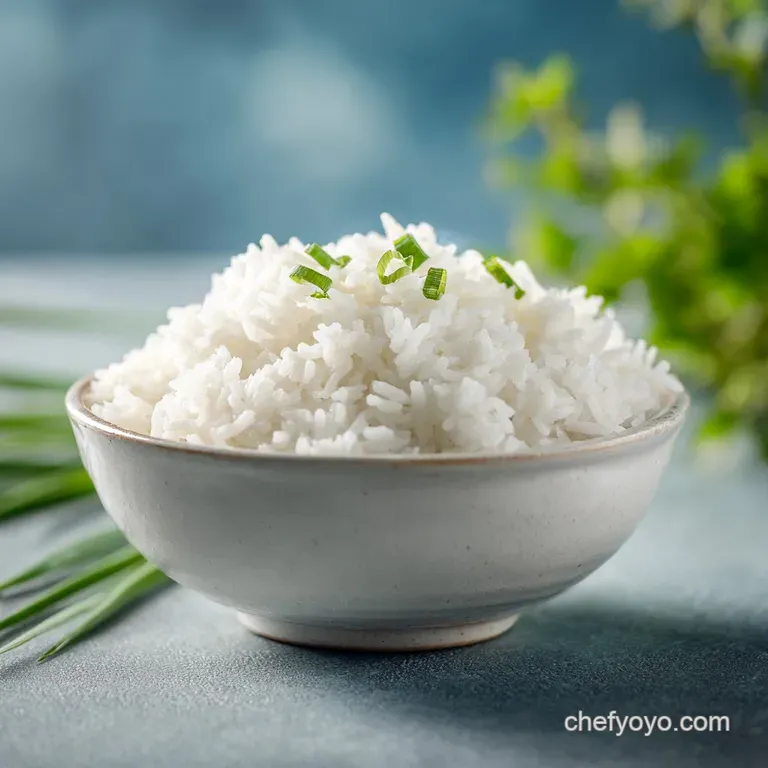
- Rinse the rice. Place 2 cups of long grain white rice in a fine mesh strainer and hold it under cold running water for 60 90 seconds. Note: You'll see the water transition from milky to clear; this is the starch leaving the building.
- Transfer to pot. Shake the excess water off and tip the rice into the Instant Pot liner.
- Add liquids. Pour in 2 cups of cold filtered water, 0.5 tsp of sea salt, and 1 tsp of extra virgin olive oil.
- Stir once. Give it one gentle swirl with a spoon to ensure no grains are stuck high up on the dry walls of the pot.
- Seal the lid. Twist the lid on and ensure the steam release valve is pointed toward 'Sealing'.
- Set the time. Select 'Manual' or 'Pressure Cook' on High Pressure and set the timer for exactly 5 minutes.
- Natural release. When the timer beeps, leave the pot alone for 10 minutes. Wait until the timer on the screen shows "L0:10".
- Quick release. Flip the valve to 'Venting' to release any leftover steam, then open the lid.
- Fluff the grains. Use your silicone spatula to gently lift and fold the rice until it looks airy and light.
- Serve immediately. Transfer to a bowl to stop the residual cooking from the hot bottom of the pot.
Solving Common Texture Issues Quickly
Even with a perfect plan, things can go sideways. The most common heartbreak is the "Burn" notice. Usually, this happens because the rice wasn't rinsed well enough, or there was a bit of leftover starch from a previous meal stuck to the bottom of the pot.
If the pot can't detect enough thin liquid to create steam, it panics and shuts down to prevent scorching.
Another issue is the "mush factor." If your rice looks like porridge, you likely added too much water or let it sit on the 'Keep Warm' setting for an hour. The rice continues to absorb moisture even after the pressure is gone.
| Problem | Root Cause | Solution |
|---|---|---|
| Grains are crunchy | Not enough water or old rice | Add 2 tbsp water and steam for 2 more mins. |
| Rice is sticky | Surface starch remained | Rinse longer next time until water is clear. |
| Burn Notice | Pot bottom was dirty | Scrape the bottom and add 1/4 cup extra water. |
Common Mistakes Checklist
- ✓ Never skip the rinse; surface starch is the enemy of fluffy rice.
- ✓ Use the exact 1:1 ratio eyeballing the water leads to inconsistent results.
- ✓ Check that your sealing ring is properly seated so the pot reaches pressure quickly.
- ✓ Don't peek! Opening the lid before the 10 minute rest ruins the final hydration.
- ✓ Use cold water only; warm water starts the cooking process too early and leads to mush.
Creative Ways to Flavor the Base
If you want to move beyond plain white rice, the Instant Pot is very forgiving. You can swap the water for chicken or vegetable broth for a savory boost. Just keep the ratio exactly the same. If you're in the mood for something spicy, try it with homemade tteokbokki.
For a tropical twist, you can replace half of the water with full fat coconut milk. This creates a rich, velvety texture that pairs beautifully with grilled pineapple or spicy shrimp. Just be aware that the fat in the coconut milk might cause the pot to take a little longer to reach pressure.
Chef's Tip: If you want an earthy, yellow rice, add 1/2 teaspoon of turmeric and a pinch of cumin to the water before sealing. It colors the rice beautifully without changing the cooking time.
Smart Methods for Storing Leftovers
Leftover rice is a gift for future you. If you have extra, spread it out on a baking sheet to cool quickly before putting it in the fridge. This prevents the grains from clumping together in a big cold block. It will stay fresh in an airtight container for up to 4 days.
For long term storage, rice freezes surprisingly well. Place 1 cup portions in freezer safe bags and flatten them out. They will last for 3 months. When you're ready to eat, don't defrost them just pop the frozen block into a bowl with a damp paper towel on top and microwave for 2 minutes.
The steam from the towel will revive the grains to their original fluffy glory.
Flavorful Pairings for Fresh Steamed Rice
Since this rice is so neutral and clean, it works with almost anything. I love using it as a base for "bowl" dinners. Think roasted sweet potatoes, black beans, avocado, and a heavy drizzle of lime juice. Because the grains stay separate, they don't get soggy even if you add a lot of sauce or dressing.
If you’re doing a traditional Sunday roast, this rice can actually replace potatoes. It soaks up gravy beautifully without becoming heavy. It’s also the ultimate side for a quick stir fry.
Since the rice only takes 25 minutes from start to finish, you can chop your veggies and sear your protein in the time it takes the Instant Pot to do its thing. It's the kind of reliable staple that makes the whole kitchen feel more organized.
Recipe FAQs
How do you cook rice in my Instant Pot?
Rinse 2 cups of long grain white rice in a fine mesh strainer for 60 90 seconds until the water runs clear. Combine the rice with 2 cups of cold filtered water, 0.5 tsp of sea salt, and 1 tsp of extra virgin olive oil in the inner pot.
Secure the lid, set to 'Sealing', and pressure cook on High for 5 minutes, followed by a 10-minute natural pressure release.
What is the ratio of rice to water in Instant Pot?
Use an exact 1:1 ratio. For every cup of dry long grain white rice, add exactly one cup of cold filtered water to ensure consistent hydration and avoid mushy results.
Can you use your insta pot as a rice cooker?
Yes, it performs exceptionally well for this purpose. The pressure cooking environment creates uniform steam distribution, which is ideal for achieving fluffy grains every time.
Can I cook 2 cups of rice in an Instant Pot?
Yes, that is the standard batch size for this method. Ensure you measure exactly 2 cups of cold water to maintain the required ratio for perfect texture.
Is it true I must use warm water to speed up the cooking process?
No, this is a common misconception. You should always use cold water because warm water initiates the cooking process prematurely, which often leads to unevenly cooked or mushy rice.
How to avoid sticky or gummy rice?
Rinse your grains thoroughly under cold running water. Removing excess surface starch before cooking is the secret to getting distinct, fluffy grains; if you enjoyed this method of mastering starch control, you can apply similar logic when thickening sauces for other meals.
Should I open the pot immediately after the timer beeps?
No, wait for the 10-minute natural pressure release. Opening the lid before this rest period allows too much moisture to escape, ruining the final hydration and texture of the rice.
Instant Pot Rice Guide
Ingredients:
Instructions:
Nutrition Facts:
| Calories | 232 calories |
|---|---|
| Protein | 4.4 g |
| Fat | 1.2 g |
| Carbs | 49.3 g |
| Fiber | 0.8 g |
| Sugar | 0.1 g |
| Sodium | 192 mg |
