Chicken Francese: Elegant Lemon Butter Cutlets Ready in Under 40 Minutes
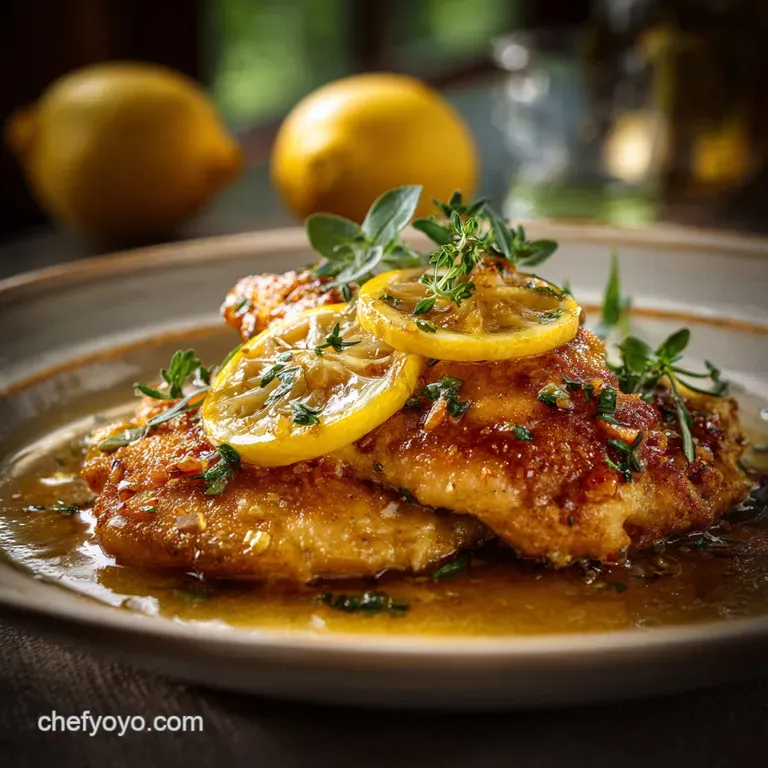
- Elegant Lemon-Butter Chicken Francese: A Speedy 35 Minute Classic
- The Origin Story of Elegant Lemon-Butter Chicken Francese
- Culinary Science: Why the Lemon-Butter Sauce is Irresistible
- Essential Ingredients for Authentic Chicken Francese
- Mastering the Art of Chicken Francese: Step-by-Step Directions
- Expert Techniques and Avoiding Common Francese Fails
- Practical Guide to Storing and Reheating Chicken Francese
- Complementary Side Dishes to Serve With Chicken Francese
- Recipe FAQs
- 📝 Recipe Card
Elegant Lemon Butter Chicken Francese: A Speedy 35 Minute Classic
That intense, bright scent of lemon and dry white wine hitting the hot pan? That’s Chicken Francese talking, my friend. It creates a creamy, vibrant sauce that hugs every golden brown cutlet perfectly.
Honestly, just smelling this dish cook instantly lifts my spirits, and the delicate texture of the fried coating is pure heaven.
You know those weeknights when you want something unbelievably sophisticated but only have 35 minutes? This recipe is your secret weapon. It looks like you slaved all day, but it’s just a clever application of frying and deglazing.
It costs practically nothing, yet delivers maximum culinary impact, especially when you compare it to ordering takeout.
We aren't going to settle for pale, soggy cutlets here, folks. We are aiming for golden, crisp perfection and a sauce so silky it makes you weep a little. Let’s dive into how to make truly restaurant worthy Lemon Butter Chicken Francese right now.
The Origin Story of Elegant Lemon Butter Chicken Francese
Chicken Francese is a gorgeous example of Italian American cuisine, probably born in New York kitchens during the mid-20th century. It takes the delicate Italian preparation technique, scaloppini , and marries it with a classic French finishing butter sauce, the monté au beurre .
This combination explains why the dish feels both hearty and incredibly refined.
What Makes Francese Different from Piccata?
People always confuse Francese with Piccata, and I totally get it. Both dishes use thin cutlets and a bright lemon butter sauce. The critical difference is the coating sequence and the presence of capers. Piccata typically has a simple flour coating, relies heavily on capers, and often uses more olive oil.
Francese reverses the coating process— flour first, then egg —giving the cutlets a distinctive, tender yet substantial outer layer. This specific coating prevents the sauce from becoming thin or watery when the cutlets are added back in.
Why the Egg-First Coating is Essential for Texture.
Wait, did I say flour first, then egg? Yes, exactly. This is where most home cooks trip up, confusing it with standard breading procedures. We use the flour to stick directly to the thinly pounded cutlet, creating a foundation that the egg mixture can adhere to without sliding off.
The egg wash then cooks up into a soft, slightly puffy gold shell when it hits the hot pan. Trust me: this unique coating method creates the signature tender, resilient crust that holds up in the lemon sauce.
Achieving Restaurant Quality Francese in Under 35 Minutes.
The speed of this recipe relies on two key factors: preparation and heat. First, pound your cutlets aggressively thin; thin cutlets cook in about three minutes flat. Second, once you start frying, do not stop moving.
The sauce comes together in the very same pan, grabbing all those tasty brown bits the fond —which adds massive flavor depth instantly. It’s a rapid fire sequence of searing, deglazing, and finishing.
Culinary Science: Why the Lemon Butter Sauce is Irresistible
The sauce is the star, period. Its irresistibility comes from balancing the three main elements: richness (butter), acid (lemon/wine), and savory depth (chicken stock/fond). The flavor is intense, bright, and never heavy.
Essential Ingredients for Authentic Chicken Francese
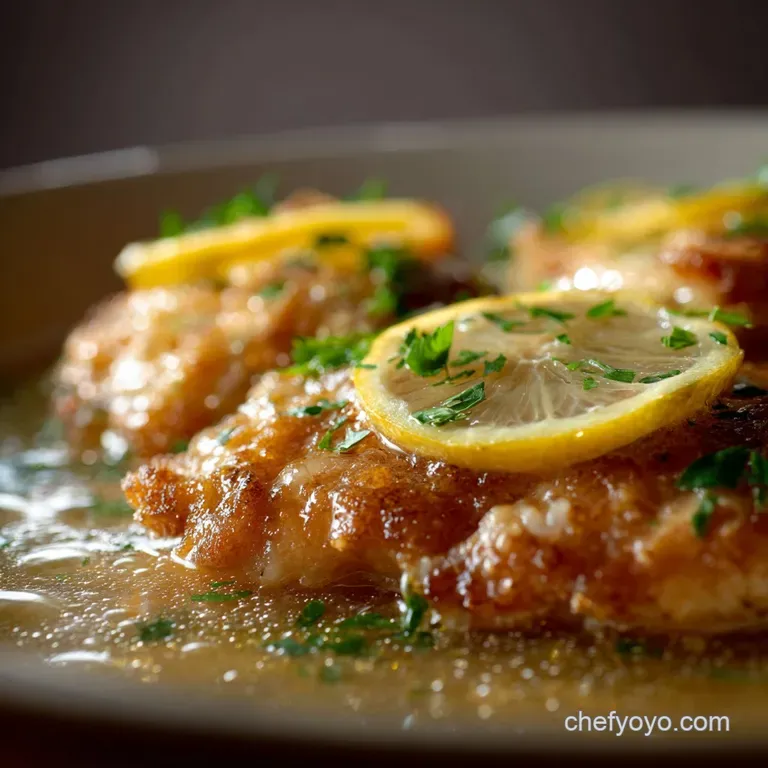
| Ingredient | Substitute/Note |
|---|---|
| Thin Cutlets (Pounded) | Sliced pork tenderloin or veal scallopini are excellent, thin alternatives. |
| All-Purpose Flour | Use a quality gluten-free blend, or rice flour mixed with a pinch of cornstarch. |
| Dry White Wine | high-quality, low-sodium chicken stock + 1 tsp white wine vinegar. |
| Fresh Lemon Juice | There is no substitute. Use only fresh, never bottled. |
| Unsalted Butter (Cubed) | Salted butter works, but reduce any added salt in the final sauce. |
The Magic of Deglazing: Building Depth with Dry White Wine.
After you pull the golden cutlets out, the bottom of your pan will look... messy. This is a good thing! Those little caramelized bits are concentrated flavor bombs. Pouring in the dry white wine instantly releases them into the liquid this process is deglazing.
I love using a crisp Pinot Grigio because it’s bright and clean. This is the absolute foundation of your savory sauce depth, so don't rush this step; scrape up everything .
Emulsifying Butter for a Silky, Non-Breaking Finish.
This is the professional trick, the monté au beurre . You add cold butter, cubed, to a hot but off-the-heat reduction while whisking fiercely. The cold butter slowly melts and incorporates the fat into the liquid, creating a stable, velvety emulsion.
Crucial tip: If your pan is still boiling when you add the butter, the sauce will split into greasy oil and watery liquid. That’s a broken sauce, and we want none of that!
Temperature Control: Ensuring Tender, Golden Brown Cutlets.
You need medium high heat when frying these thin cutlets. Too low, and the cutlets steam inside their coating and turn soggy. Too high, and they burn before the interior is fully cooked.
Aim for shimmering oil —when you drop a tiny flake of the coating into the pan, it should sizzle immediately but not aggressively spit.
Preparing the Main Protein: Thinly Pounded Cutlets.
Slicing your breasts horizontally creates those lovely, fast cooking cutlets. I wrap mine in cling film and pound gently but firmly until they are uniform, maybe 1/4 inch thick. I once tried to rush this and ended up with one side raw and the other side charred. It was not pretty, friends.
Optimal Ratios of Fresh Lemon Juice and Zest.
Francese should be bright, not tart. I find the 1/4 cup of fresh lemon juice is perfect for balancing the richness of the butter and the wine. I sometimes add just a whisper of zest right at the end for an extra aromatic kick, but be careful not to overdo the zest, as it can turn bitter.
Flour Alternatives and gluten-free Coatings.
If you are dealing with gluten intolerance, a good all-purpose gluten-free flour blend works beautifully. Alternatively, you can mix rice flour with a tiny bit of cornstarch. The key is using a fine powder that adheres well to the damp protein, giving the egg something to cling to.
Mastering the Art of Chicken Francese: step-by-step Directions
Setting Up the Dredging Station (Flour Egg Sequence).
Get three shallow dishes ready. Dish one holds the flour (seasoned generously with salt and pepper). Dish two holds the whisked eggs (I sometimes add a little grated Parmesan here, shhh). The third station is your resting area.
- Take a pounded cutlet.
- Dip fully into the flour , shaking off excess.
- Dip immediately into the egg mixture , ensuring even coating.
- Place on the resting platter; this allows the egg coating to "set" slightly before frying.
The Two-Stage Sauté: Achieving Perfect External Crispness.
Heat your oil and butter mixture over medium high heat until shimmering. Use a generous amount of fat, because these cutlets practically float.
Cook in small batches no more than three at a time in a standard 12 inch skillet. Cook for about 2– 3 minutes per side until beautifully golden brown. Transfer them to a wire rack after frying, not paper towels, to preserve the crispness.
Chef's Note: Using a wire rack prevents the bottom of the cutlets from steaming, which is a major cause of soggy coatings.
Creating the Velvety Lemon Wine Pan Sauce.
Once all the cutlets are fried and resting, pour off most of the frying oil, leaving the fond behind. Add the dry white wine and aggressively scrape the bottom of the pan until it's clean; reduce the wine by half.
Add the chicken stock and lemon juice, bringing it to a simmer. Allow it to reduce by about a third, which concentrates the flavor. This reduction takes 3 to 4 minutes.
The Final Simmer: Integrating the Cutlets Back into the Sauce.
Pull the pan off the heat entirely. Whisk in your cold, cubed butter one piece at a time until the sauce is creamy and glossy. Taste and adjust seasoning here. Now, slide your beautiful, golden cutlets back into the sauce, spooning the liquid over them gently.
They only need about a minute to warm through and soak up the sauce.
Expert Techniques and Avoiding Common Francese Fails
Preventing the Coating from Sliding Off the Cutlets.
The coating failure usually happens if the heat is too low or if you flip the cutlets too soon. Do not touch the cutlet until you see a definite golden edge forming. If you try to move it too early, the coating hasn't sufficiently set, and it will tear or stick to the pan.
Make sure the chicken is also patted dry before the initial flour dredge.
Troubleshooting a Broken (Separated) Sauce.
If your sauce separates meaning you see oil pooling and separating from the liquid it’s because it got too hot after the butter was added. To save it, pull it completely off the heat. Whisk in a tablespoon of cold water or cold stock very vigorously.
This sudden temperature change often helps re-emulsify the sauce. If all else fails, whisk in a tiny half teaspoon of cornstarch mixed with cold water (a slurry) and bring it back to a gentle simmer for 30 seconds.
The Best Fat for Frying: Why Clarified Butter is Key.
I use a mixture of light olive oil and unsalted butter. The oil has a higher smoke point, preventing the butter from burning immediately. If you have clarified butter (ghee), use that instead of regular butter; it has an even higher smoke point and offers a fantastic nutty flavor without the risk of scorching.
Practical Guide to Storing and Reheating Chicken Francese
Refrigeration: Maximizing Freshness and Sauce Integrity.
Francese is best eaten immediately, but leftovers are fantastic. Store the cutlets and the sauce together in an airtight container for 3 to 4 days. The sauce will set and thicken considerably in the fridge don't worry, that's normal.
Freezing Cooked Cutlets Versus Freezing the Sauce Alone.
You can freeze this! I prefer to freeze the sauce separately from the cutlets. The cutlets, once reheated from frozen, tend to lose their crisp texture. Freeze the sauce in a sealed container for up to 3 months.
Freeze the cooked cutlets individually on a baking sheet, then transfer to a freezer bag.
Best Methods for Reheating Without Losing Crispness.
Forget the microwave; it makes the coating mushy.
- Cutlets: Reheat the cutlets quickly in a 350°F (175°C) oven or toaster oven for about 8 minutes.
- Sauce: Gently warm the sauce in a small pan over low heat, whisking constantly. You might need to add a splash of stock or water to loosen it up.
Combine the reheated cutlets and the warmed sauce just before serving.
Complementary Side Dishes to Serve With Chicken Francese
Francese needs a clean, light base to soak up that unbelievable sauce.
- Pasta: Capellini or Linguine tossed simply with a little butter and Parmesan is traditional and perfect.
- Rice: Steamed white rice or even a lemon herb pilaf works beautifully.
- Veggies: A light green vegetable is essential for contrast. I often make simple roasted asparagus or green beans. It’s also the perfect partner for something like my Grilled Chicken Bruschetta Recipe: Juicy Chicken Fresh Topping if you want a complete summer meal plan!
Preventing the Coating from Sliding Off the Cutlets.
See above! Pat those cutlets bone dry, ensure your oil is hot enough, and leave them alone for a full two minutes before attempting the flip. It’s all about patience.
Troubleshooting a Broken (Separated) Sauce.
Again, cold water is your savior here. Remember, a broken sauce is usually too hot. Removing it from the heat and whisking in cold liquid will often bring it back together like magic.
The Best Fat for Frying: Why Clarified Butter is Key.
Using clarified butter (ghee) gives you all the flavor of butter without the low smoke point of milk solids. If you have some, swap out that 1 tablespoon of unsalted butter in the frying step for ghee. It browns the cutlets more evenly and adds a beautiful nutty layer.
Refrigeration: Maximizing Freshness and Sauce Integrity.
When storing, ensure the sauce fully covers the cutlets to prevent them from drying out. This also allows them to absorb more of that wonderful lemon flavor as they chill.
Freezing Cooked Cutlets Versus Freezing the Sauce Alone.
Freezing the sauce alone yields the best texture upon reheating. If you choose to freeze the cutlets, accept that the egg coating will likely become slightly softer after thawing. They will still taste good, but they lose that fresh crunch!
Best Methods for Reheating Without Losing Crispness.
If you are cooking this for a crowd, cook the cutlets completely ahead of time, let them cool, and keep them on a wire rack. When guests arrive, flash them in the oven while you make the sauce fresh. This ensures maximum crispness. Sometimes I make a big batch of cutlets and freeze half for easy weeknight meals it’s faster than making my Air Fryer AsianGlazed Boneless Chicken Thighs: Sticky Weeknight Winner !
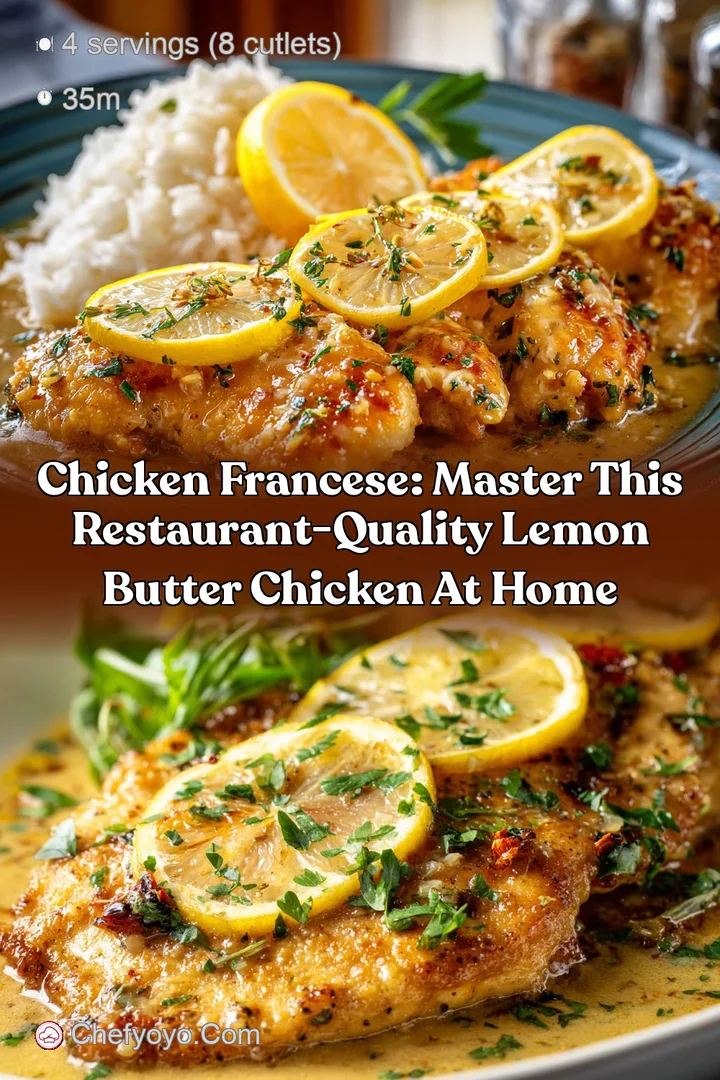
Recipe FAQs
Why isn't my Francese sauce thickening properly?
The flour coating on the chicken typically releases into the pan juices, acting as a natural thickener for the sauce. If the sauce is too thin, remove the chicken and simmer the sauce vigorously over medium heat for 3 to 5 minutes to reduce it down slightly.
For immediate thickening, you can whisk in a quick slurry made from a teaspoon of cornstarch mixed with cold water right before adding the final butter.
How do I prevent my chicken cutlets from becoming dry or tough?
Francese relies on very thin cutlets, making overcooking the primary cause of dryness. Ensure your cutlets are pounded to a uniform thickness (about 1/4 inch) and only cook them for 2-3 minutes per side until they register 165°F (74°C).
The meat will continue to cook slightly when it rests in the warm sauce, so pulling them from the pan just at the right moment is crucial.
Can I make this dish without using white wine?
Absolutely; the wine primarily adds depth and essential acidity. You can substitute the white wine measurement directly with high-quality, low-sodium chicken broth mixed with a teaspoon of extra fresh lemon juice per half cup of liquid.
This ensures you maintain the dish’s characteristic bright, acidic profile without the alcohol.
What is the best dry white wine to use for the sauce?
A crisp, unoaked white wine works best, such as Pinot Grigio, Sauvignon Blanc, or a dry Vermouth. Avoid heavily sweet or oaked varieties, as their flavour will concentrate and overpower the delicate lemon and butter notes of the sauce. Always remember the culinary maxim: if you wouldn't drink it, don't cook with it.
What is the difference between Chicken Francese and Chicken Piccata?
The main distinction lies in the coating method: Piccata is typically only floured, whereas Francese is floured and then dipped in egg, resulting in a slightly richer, thicker crust.
While both share a lemon butter sauce base, Francese often omits the capers that are characteristic of Piccata, focusing instead on the intense buttery and citrus notes.
Is Chicken Francese suitable for freezing?
While the cooked chicken itself freezes well, the emulsion sauce (lemon, butter, wine) can separate or become slightly grainy when frozen and thawed. It is best enjoyed fresh, but if you must freeze leftovers, store them in an airtight container and be prepared to whisk the sauce vigorously over low heat to help re-emulsify the butter during reheating.
How far in advance can I prepare the chicken cutlets?
You can pound and dredge the chicken cutlets in flour up to 12 hours ahead of time and keep them lightly covered in the refrigerator. However, do not dip the chicken into the egg wash until immediately before you plan to cook it.
If left sitting in the egg, the coating will absorb too much moisture, becoming sticky and gummy rather than crisping in the pan.
Lemon Butter Chicken Francese
Ingredients:
Instructions:
Nutrition Facts:
| Calories | 1180 kcal |
|---|---|
| Protein | 106.0 g |
| Fat | 65.0 g |
| Carbs | 34.0 g |
