Magic Quiche: Silky Custard
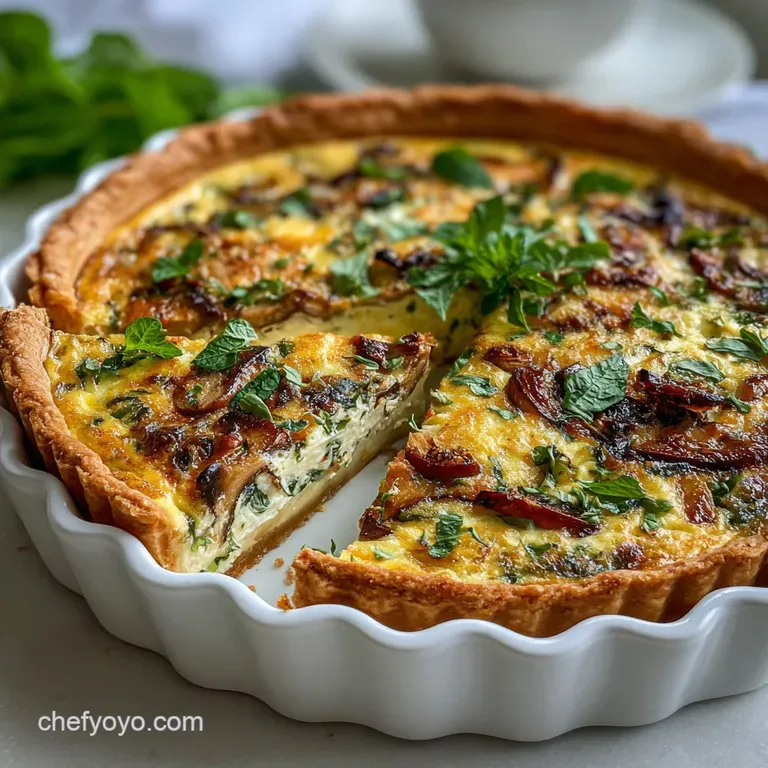
- Time: Active 15 minutes, Passive 35 minutes, Total 50 minutes
- Flavor/Texture Hook: Silky custard with a shatter crisp crust and earthy spinach
- Perfect for: Elegant weekend brunches, meal prep, or a sophisticated light dinner
- The Culinary Logic Behind the Silky Magic Quiche Custard
- Components Analysis for a Professional Finish
- Selecting Your Elements for the Foundation
- The Simple Tools for a Rustic Kitchen
- Mastering the Steps for a Golden Savory Tart
- Fixing Flaws for a Flawless Custard Every Time
- Adjusting the Scale for Any Gathering
- Debunking Common Custard Misconceptions
- How to Keep Your Quiche Fresh and Tasty
- Beautiful Ways to Serve Your Artisanal Creation
- Recipe FAQs
- 📝 Recipe Card
The Culinary Logic Behind the Silky Magic Quiche Custard
Imagine walking into a small stone cottage in the French countryside. The air is thick with the aroma of butter browning in a heavy skillet and the sharp, sweet scent of minced shallots hitting the heat. That was my first experience with a truly rustic quiche.
I used to think quiche was just a glorified omelet in a pie shell, but I was so wrong. It's actually a delicate custard that needs to wobble just right.
The secret I stumbled upon, which changed my kitchen game forever, is the magic quiche ratio. I remember a morning when I had exactly three eggs left and a handful of wilting spinach. I was terrified I’d end up with a soggy mess, but by following this volumetric method, the result was a revelation.
It wasn't just "good" for a Tuesday lunch; it was the kind of meal that makes you close your eyes and lean back in your chair.
This recipe is your ticket to that exact feeling. We are moving away from guesswork and leaning into a technique that guarantees a velvety, luxurious texture every single time. Whether you're hosting a fancy brunch or just want to treat yourself to something artisanal, this method won't let you down.
Trust me, once you see how the custard sets into a perfect, uniform slice, you'll never go back to your old ways.
The Physics of the Custard Wobble
Protein Dilution: By adding specific volumes of liquid to the eggs, we dilute the protein strands so they coagulate into a soft, lattice like structure rather than a tough, rubbery block. This ensures the custard stays tender and moist even after it is fully set.
| Servings | Ingredient Adjustments | Pan Size | Cook Time |
|---|---|---|---|
| 2-3 people | 2 eggs, liquid to 1 cup | 6 inch tart tin | 25 minutes |
| 6 people | 3 eggs, liquid to 1.5 cups | 9 inch deep dish | 35 minutes |
| 10-12 people | 6 eggs, liquid to 3 cups | 9x13 ceramic dish | 45 minutes |
The beauty of this artisanal approach is that it scales perfectly to your needs. If you find yourself cooking for a crowd, just remember that the julia child magic quiche ratio is your North Star. It keeps the math simple so you can focus on the flavors.
Components Analysis for a Professional Finish
| Ingredient | Science Role | Pro Secret |
|---|---|---|
| Large Eggs | Structural Binder | Use room temperature eggs to ensure they emulsify seamlessly with the fats. |
| Heavy Cream | Fat Stabilization | High fat content prevents the eggs from curdling at high temperatures. |
| Gruyère Cheese | Flavor & Emulsion | Its low melting point creates a smooth, integrated savory profile. |
| Fresh Baby Spinach | Moisture Control | Sautéing first removes excess water that would otherwise ruin the custard set. |
Using the child magic quiche ratio means we are measuring the eggs by volume first. It’s a bit unconventional if you're used to just cracking eggs into a bowl, but this precision is what separates a soggy cafeteria quiche from a masterpiece. You'll see exactly how we do this in the steps below.
Selecting Your Elements for the Foundation
For this Julia Child spinach quiche recipe, we want ingredients that speak of quality and tradition.
- 3 Large Eggs: These provide the backbone. Why this? They offer the perfect balance of lecithin and protein for a stable custard.
- 1 cup Heavy Cream or Whole Milk: Adjusted to reach 1.5 cups total liquid. Why this? Fat carries the flavor of the nutmeg and pepper throughout the dish.
- 0.5 tsp Kosher Salt: For seasoning.
- 1 pinch Nutmeg: Freshly grated is best. Why this? Nutmeg is the classic aromatic that bridges the gap between greens and dairy.
- 1 pinch White Pepper: For a subtle, clean heat.
- 1 tbsp Unsalted Butter: For sautéing.
- 150 g Fresh Baby Spinach: Roughly chopped.
- 1 small Shallot: Minced finely.
- 100 g Gruyère cheese: Shredded. Why this? It provides a nutty, complex saltiness that melts beautifully.
- 1 9 inch Pre baked deep dish pie shell: The vessel for our magic.
If you don't have Gruyère, a sharp white cheddar or even an artisanal Swiss cheese works beautifully. For the base, if you have time to make it from scratch, I highly recommend using The Flaky Foolproof recipe to ensure the bottom stays crisp and holds up to the heavy filling.
The Simple Tools for a Rustic Kitchen
You don't need a high tech kitchen to pull this off. A few reliable pieces of equipment will make the process smooth.
- Glass Measuring Cup: Essential for the displacement method to get that magic quiche ratio exactly right.
- Whisk: To thoroughly combine the eggs and cream without incorporating too much air.
- Skillet: A heavy bottomed pan, like a cast iron or stainless steel, for wilting the spinach.
- Box Grater: For freshly shredding your cheese (pre shredded has anti caking agents that ruin the melt).
- Baking Sheet: To catch any potential drips and make it easier to slide the quiche in and out of the oven.
I usually reach for my old reliable whisk that has a bit of weight to it. It helps break up the egg whites quickly so you don't over work the mixture. Over whisking creates bubbles, and we want a dense, silky interior, not a soufflé.
Mastering the Steps for a Golden Savory Tart
Step 1: How do I measure the "Magic Ratio"?
Crack your 3 Large Eggs into a large glass measuring cup. Note the level they reach, then pour in your Heavy Cream or Whole Milk until the total liquid volume hits exactly 1.5 cups. This is the core of the julia child magic quiche ratio that ensures a perfect set every time.
Step 2: How do I prepare the savory additions?
Melt 1 tbsp Unsalted Butter in a skillet over medium heat. Add the minced shallot and cook for 2 minutes until translucent. Toss in the 150 g Fresh Baby Spinach and sauté until the leaves are fully wilted and the moisture has evaporated. Let this mixture cool slightly.
Step 3: How do I assemble for the best texture?
Scatter the sautéed spinach and shallots across the bottom of your 1 9 inch Pre baked deep dish pie shell. Follow this with a layer of the 100 g shredded Gruyère cheese. Note: Keeping the cheese on top of the greens helps create a barrier that protects the crust from moisture.
Step 4: When is the quiche perfectly baked?
Whisk the egg and cream mixture with 0.5 tsp Kosher Salt, nutmeg, and white pepper. Pour this over the fillings in the shell. Place the quiche on a baking sheet and slide it into a preheated 375°F oven.
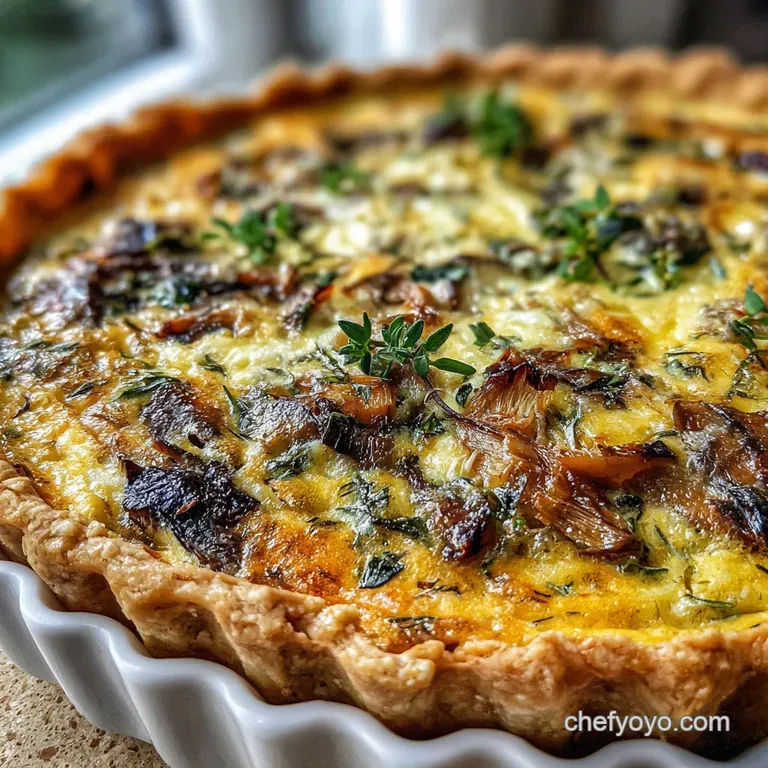
Bake for 35 minutes until the top is golden and the center has a slight, jelly like jiggle.
Chef's Tip: To prevent the edges of your crust from over browning while the custard sets, wrap the rim with a bit of aluminum foil for the first 20 minutes of baking.
Also, grate your nutmeg fresh right into the egg mixture; the oils in the spice are much more potent and aromatic that way.
| Original Ingredient | Substitute | Why It Works |
|---|---|---|
| Heavy Cream | Full fat Coconut Milk | Provides similar fat levels. Note: Adds a distinct tropical flavor. |
| Gruyère Cheese | Sharp White Cheddar | Excellent melting properties and a familiar bold tang. |
| Fresh Spinach | Swiss Chard | Similar earthy flavor but with a slightly firmer texture. |
It is worth noting that using milk instead of heavy cream will result in a slightly lighter custard, but it won't be quite as rich. If you want that true Mediterranean bistro feel, stick with the cream or a half and half mixture.
Fixing Flaws for a Flawless Custard Every Time
Why did my quiche sink in the middle?
A quiche usually collapses if it was over whisked or over baked. When you whisk too vigorously, you incorporate air bubbles that expand in the heat and then pop as the quiche cools, leading to a crater.
Similarly, over baking causes the egg proteins to tighten too much and squeeze out moisture, making the structure unstable.
Why is the bottom of my crust soggy?
The dreaded "soggy bottom" is usually caused by moisture from the vegetables or a crust that wasn't properly pre baked. This is why we sauté the spinach until it's quite dry. If the vegetables are still "weepy," that water has nowhere to go but into your pastry.
| Problem | Root Cause | Solution |
|---|---|---|
| Rubbery Texture | Too many eggs or over baked | Follow the magic quiche ratio and check for a jiggle at 35 mins. |
| Weeping Custard | Under baked or low-fat dairy | Ensure the center reaches 165°F and use at least whole milk. |
| Separated Filling | Oven temperature too high | Bake at 375°F on a middle rack for even heat distribution. |
Common Mistakes Checklist
- ✓ Squeeze every drop of liquid out of your sautéed greens before adding them to the shell.
- ✓ Preheat your baking sheet in the oven so the bottom of the quiche gets a heat blast immediately.
- ✓ Shred your own cheese from a block to avoid the powdery starch found in pre packed bags.
- ✓ Don't skip the rest period; let the quiche sit for 10 minutes after baking to finish setting.
Adjusting the Scale for Any Gathering
When you need to feed a crowd, the child magic quiche ratio is incredibly forgiving. If you are doubling the recipe for two pies, simply use 6 eggs and add enough liquid to reach 3 cups total.
When scaling up, I recommend keeping your spices like nutmeg and salt at about 1.5x the original amount first, then tasting the custard base before you pour it. You can always add more salt, but you can't take it out.
For a smaller individual portion, you can use a single egg and add liquid to the 0.5 cup mark. This fits perfectly into a large ramekin for a crustless version. If you are doing a Julia Child crustless quiche, make sure to butter the dish heavily and perhaps dust it with a little Parmesan cheese to create a savory "crust" that prevents sticking.
| Method | Time | Texture | Best For |
|---|---|---|---|
| Classic Deep Dish | 35 mins | Creamy & Substantial | Traditional Brunch |
| Individual Ramekins | 20 mins | Light & Delicate | Quick Lunches |
| Slab Quiche (9x13) | 45 mins | Firm & Sliceable | Large Gatherings |
Debunking Common Custard Misconceptions
One big myth is that adding more eggs makes a quiche "richer." In reality, more eggs just make it firmer and more like an omelet. The richness actually comes from the fat in the cream and the cheese.
The magic quiche ratio easy method proves that it's the balance of liquid to protein that creates that sought after silkiness.
Another misconception is that you have to blind bake your crust with weights for an hour. While blind baking is important, a simple 15 minute par bake is usually enough to seal the pastry so it doesn't soak up the custard.
If you're in a rush, you can even use a store-bought crust, just make sure it's a "deep dish" variety to hold all that glorious filling.
How to Keep Your Quiche Fresh and Tasty
Quiche is one of those rare dishes that might actually taste better the next day. The flavors of the shallots and nutmeg have time to truly meld into the cream.
Storage: Keep leftovers in the fridge for up to 4 days. Wrap it tightly in plastic wrap or store it in an airtight container to keep the crust from absorbing fridge odors.
Freezing: You can freeze a baked quiche for up to 2 months. To do this, let it cool completely, wrap it in a double layer of foil, and place it in a freezer bag. To reheat, don't thaw it; just pop it back into a 350°F oven for about 20 minutes until the center is hot.
Zero Waste Tip: Don't throw away those spinach stems! Finely mince them and sauté them right along with the shallots for extra fiber and flavor. If you have leftover custard that didn't fit in the shell, pour it into a buttered muffin tin for a quick "egg bite" snack.
Beautiful Ways to Serve Your Artisanal Creation
This quiche is a star on its own, but it loves company. I often serve it with a simple arugula salad dressed in a bright lemon vinaigrette to cut through the richness of the Gruyère. If you're feeling particularly indulgent, a drizzle of The Poach Companion recipe over the top is absolutely decadent for a special occasion.
- If you want a Mediterranean vibe, add a few sun dried tomatoes and kalamata olives to the filling.
- If you want a deeper flavor, replace some of the liquid in the custard with a tablespoon of concentrated Bone Broth recipe.
- If you want a crunchier topping, sprinkle a tablespoon of panko breadcrumbs mixed with melted butter over the cheese before baking.
There is something so satisfying about pulling a perfectly browned quiche out of the oven. The way the edges have slightly puffed and the center gives that characteristic wobble tells you that the 3 egg quiche how much milk question has been answered perfectly.
It's a rustic, honest piece of cooking that never fails to impress. Give it a try this weekend, and I promise you'll be the hero of the brunch table.

Recipe FAQs
What is Julia Child's quiche ratio?
The classic ratio involves measuring eggs by volume and then adding liquid to a specific total volume. For a standard 9 inch quiche, this typically means 3 large eggs plus enough heavy cream or milk to reach 1.5 cups total liquid. This volumetric approach ensures a perfectly balanced, silky custard.
What is the perfect ratio for quiche?
A 3:2 ratio of liquid to eggs by volume is ideal for a standard quiche. For example, using 3 large eggs (which measure approximately 0.75 cups) and 1.5 cups of liquid (like heavy cream or a mix of cream and milk) creates a rich, stable custard that sets beautifully without being rubbery.
What is the ratio of eggs to milk in Quiche Lorraine?
For Quiche Lorraine, a common ratio is roughly 3 eggs to 1.5 cups of liquid, with a significant portion being heavy cream. While milk can be used, heavy cream provides the richness and fat needed for a decadent texture, making it a popular choice for classic Quiche Lorraine, similar to the base for our Foolproof Velvet Victory NoRoux NoEgg Mac Cheese Recipe 35 Mins.
What is the most essential Julia Child recipe?
While subjective, Julia Child's Mastering the Art of French Cooking, Volume 1, is arguably her most essential contribution. Specific recipes like her Egg Sandwich on a Homemade Bagel: Ultimate Fluffy Omelette Stack or her foundational quiche technique are cornerstones of classic French home cooking that many beginners start with.
Do I need to use heavy cream in quiche?
No, you don't strictly need heavy cream, but it yields the richest result. Using whole milk or a half and-half mixture will produce a lighter custard, which can still be delicious. The fat content in dairy is crucial for a smooth, emulsified custard that prevents curdling.
How do I get a perfectly set quiche custard?
Achieve a perfect set by using the correct liquid-to-egg ratio and avoiding overbaking. The volumetric method, like the one used for our quiche recipe, ensures the right balance of protein and moisture. Bake until the center is just set with a slight jiggle, not completely firm, to prevent rubberiness.
Why is my quiche crust soggy?
A soggy crust is usually due to excess moisture from fillings or insufficient prebaking. Sautéing vegetables until very dry and giving the crust a par-bake before adding the filling are critical steps. If you enjoyed controlling moisture here, see how the same principle applies to managing texture in our Cloud Nine Cream The Foolproof Homemade Whipped Cream Recipe.
Magic Quiche Recipe
Ingredients:
Instructions:
Nutrition Facts:
| Calories | 348 kcal |
|---|---|
| Protein | 11.9 g |
| Fat | 26.5 g |
| Carbs | 16.4 g |
| Fiber | 1.2 g |
| Sugar | 1.8 g |
| Sodium | 385 mg |
