How to Make Cheese: Acid-Heat Coagulation Masterclass
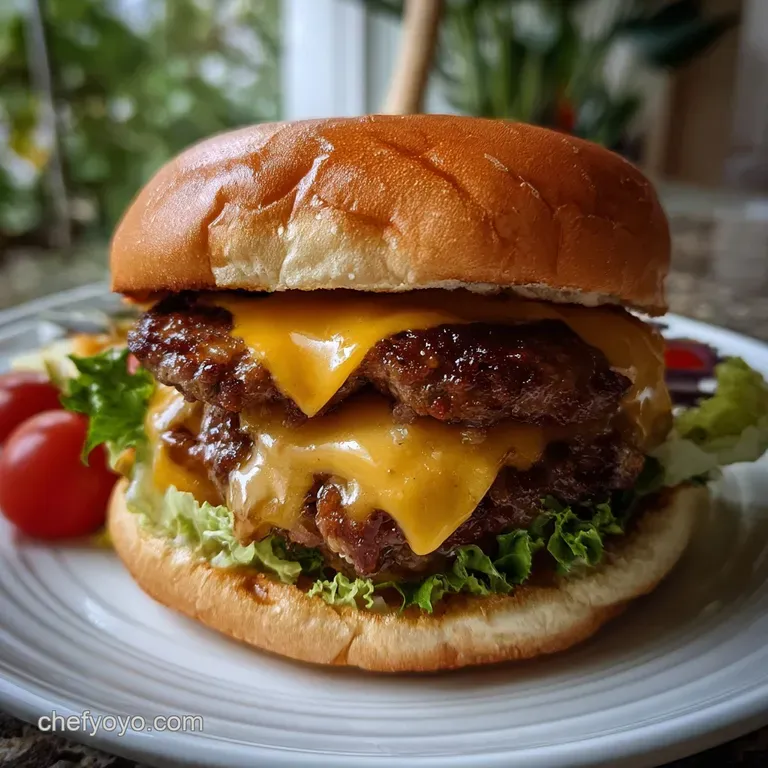
- Effort/Time: Low-intensity prep, 2 hour total-time.
- Flavor Hook: Clean, milky profile with a velvety-soft finish.
- Perfect for: Protein-rich salads, griddle-seared appetizers, or homemade-burger toppings.
- Yield Dynamics and Thermal Processing Timelines
- The Molecular Foundation: Selecting Your Primary Elements
- Essential Hardware for Precision Thermal Management
- The Atomic Protocol for Successful Milk Coagulation
- Resolving Texture Deficiencies and Chemical Imbalances
- Flavor Engineering and Alternative Acid Catalysts
- Moisture Retention Protocols and Cold-Chain Management
- Culinary Applications for Your Homemade Curds
- Recipe FAQs
- 📝 Recipe Card
Master the Perfect how to make cheese
You’ve stood over a pot of scorched milk, watching in frustration as it refuses to separate, leaving you with a cloudy, grainy mess instead of firm curds. I’ve been there I once ruined three gallons of expensive grass fed dairy because I rushed the temperature spike and broke the protein structure.
The secret isn’t just heat; it’s the precise molecular timing between thermal peak and acid introduction when learning how to make cheese.
When you learn how to make cheese at home, you’re not just cooking; you’re performing a controlled chemical reaction. The goal is a glossy sheen on the curd and a translucent, straw colored whey. If your whey looks like milk, you’ve missed the mark on acidity.
This guide uses a specific thermodynamic protocol to ensure your curds shatter perfectly under a knife but remain supple on the palate. We are targeting the "Goldilocks zone" of 190°F (88°C), where casein proteins are primed for their structural transformation.
The Science of Why it Works
Acid Heat Coagulation: High heat (190°F) denatures whey proteins, while white vinegar drops the pH, causing casein micelles to collapse and bond into curds.
Ionic Bridging: Sodium ions from the sea salt strengthen these protein bonds, expelling excess moisture for a firmer final texture.
Yield Dynamics and Thermal Processing Timelines
Understanding the logistics of how to make cheese ensures you have the right volume for your meal prep or dinner party. This recipe yields 16 servings, providing a significant protein boost to any dish.
- Prep Time: 10 minutes.
- Cook/Inactive Time: 1 hour 50 mins.
- Total Time: 2 hours.
- Yield: 16 servings (approximately 1.5 to 2 cups of pressed curds).
Chef's Tip: Freeze your salt for 10 minutes before folding it into the warm curds. This slight temperature differential prevents the salt from dissolving instantly, allowing for more even distribution throughout the dense protein matrix for how to make cheese.
The Molecular Foundation: Selecting Your Primary Elements
The quality of your output depends entirely on the structural integrity of your input. Avoid ultra pasteurized (UHT) milk at all costs; the over high heat treatment used in UHT kills the proteins’ ability to bond, resulting in a slurry that will never set.
| Ingredient | Chemical/Physical Role (Science) | The Pro Secret (Why This Matters) |
|---|---|---|
| Horizon Organic Whole Milk | Casein and whey protein source for structural matrix. | Why this? Higher fat content (3.5%+) ensures a velvety mouthfeel and better curd yield. |
| Heinz Distilled White Vinegar | Acid catalyst to lower pH and trigger coagulation. | Why this? Neutral flavor profile ensures the final curd tastes like fresh dairy, not pickles. |
| Diamond Crystal Fine Sea Salt | Ionic bonding agent and preservative. | Why this? Fine grain dissolves quickly in the warm curd without creating grit. |
Essential Hardware for Precision Thermal Management
To successfully execute how to make cheese, you need tools that offer superior heat retention and precise measurement. Thin bottomed pots are the enemy; they create "hot spots" that scorch milk sugars (lactose) before the proteins reach the denaturation point.
- Lodge Enameled Cast Iron Dutch Oven: The heavy walls provide consistent thermal mass, preventing rapid temperature fluctuations.
- Thermapen ONE Digital Thermometer: Instant read accuracy is non-negotiable for hitting the 190°F target exactly.
- OXO Good Grips Fine Mesh Strainer: Essential for capturing small curd fragments that escape traditional cheesecloth.
- Grade 90 Unbleached Cheesecloth: The tight weave allows for maximum pressure during the draining phase without losing solids.
- Silicon Spatula: Used for a "gentle fold" technique to keep curds from shattering into dust.
The Atomic Protocol for Successful Milk Coagulation
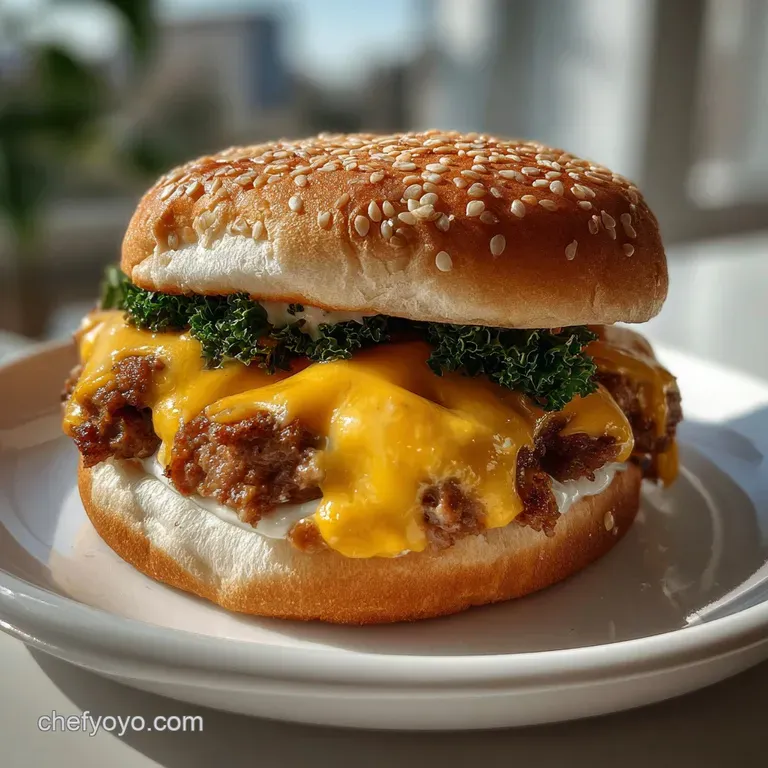
Follow these steps with surgical precision. Each minute matters when managing the delicate balance of protein denaturation.
- Pour 1 gallon Horizon Organic Whole Milk into the Lodge Dutch Oven.
- Heat over medium low for approximately 20 minutes until the surface begins to foam and the Thermapen reads 190°F. Note: Premature boiling causes "rubbery" curds due to over denaturation.
- Remove from heat immediately to stop the thermal climb.
- Slowly pour 2/3 cup Heinz White Vinegar over a spatula into the milk. Note: This creates a "waterfall" effect for even distribution.
- Stir once, very gently, for 5 seconds until large, white clouds (curds) separate from the yellow liquid (whey).
- Rest undisturbed for 15 minutes until the coagulation is complete and curds float to the top.
- Ladle curds into a cheesecloth lined OXO straineruntil all visible solids are captured.
- Rinse curds under cold tap water for 30 seconds until the vinegar scent vanishes and curds feel cool.
- Fold in 1.5 tsp Diamond Crystal Fine Sea Saltuntil the salt is invisible and the mixture is uniform.
- Twist the cheesecloth tightly and place a heavy weight (like a cast iron skillet) on top for 1 hour 15 mins until the cheese is firm, matte, and springs back when pressed.
Resolving Texture Deficiencies and Chemical Imbalances
When you first learn to make cheese, small variables like humidity or milk freshness can shift the outcome. If your results aren't perfect, the solution usually lies in the pH or the cooling rate.
Why Your Cheese is Rubbery
This is a classic case of "thermal overshoot." If the milk boils or stays at 190°F for too long, the protein fibers tighten into a net that is too dense. This creates a "squeaky" or rubbery texture that resists flavor absorption.
| Problem | Root Cause | The Fix | Pro Protocol |
|---|---|---|---|
| No Curds Form | Insufficient acidity or UHT milk. | Add 1 tbsp vinegar; check label for "Ultra Pasteurized." | Always use "Pasteurized" or "Raw" only. |
| Grainy Texture | Stirring too vigorously after adding acid. | Add acid and walk away; do not agitate the pot. | Think "gentle fold," not "whisk." |
| Sour Flavor | Excessive vinegar or poor rinsing. | Rinse curds longer in cold water. | Taste a curd before pressing; if sour, rinse again. |
Flavor Engineering and Alternative Acid Catalysts
Once you master the base protocol for how to make cheese, you can begin to manipulate the flavor architecture. The "to make cheese" process is highly adaptable to different acid sources.
- Citrus Modification: Replace white vinegar with 3/4 cup fresh lemon juice. Note: Adds bright, floral notes but results in a slightly softer curd.
- Herb Infusion: Add 1 tbsp of finely minced chives or dill during the salting phase.
- Heat Integration: Fold in 1/2 tsp of crushed red pepper flakes for a "hot honey" style pairing.
- The "To Make Cheese" Vegan Swap: Use full fat canned coconut milk (not "lite"). Note: The fat-to-protein ratio is different, resulting in a spreadable "cream cheese" rather than a firm block.
Chef's Tip: If you find the texture too dry, add 1 tablespoon of heavy cream back into the curds before pressing. This increases the lipid content and creates a "luxurious" mouthfeel for any batch of how to make cheese.
Moisture Retention Protocols and Cold Chain Management
Homemade cheese lacks the chemical stabilizers found in commercial products. It is highly susceptible to "surface oxidation" and picking up odors from the fridge.
- Fridge Storage: Store in an airtight glass container for up to 5 days. Wrap the block in parchment paper before placing it in the container to absorb excess moisture.
- Freezing: This cheese does not freeze well in block form. However, you can crumble it and freeze it for use in cooked dishes (like fillings) for up to 2 months.
- Reheating: To maintain the "velvety" texture, do not microwave. Pan-sear the slices in a hot skillet with a touch of butter for 1 minute per side until golden brown.
💡 ZERO WASTE PHILOSOPHY: Don't discard the leftover yellow liquid (whey). Transform: Use it as the liquid base for bread dough or smoothies.
Science: Whey contains leftover lactalbumin proteins and minerals that provide a "tangy" depth and superior rise in yeast breads. Mastering how to make cheese creates valuable byproduct streams.
Culinary Applications for Your Homemade Curds
Your freshly pressed cheese is a blank canvas for umami development. Because it has a high melting point, it won't vanish when exposed to heat, making it the Best burger recipe companion.
Try slicing the block into 1/2 inch thick rectangles. Sear them on a hot griddle until a mahogany crust forms the flavor shifts from "milky" to "nutty" through the Maillard reaction. This seared cheese pairs perfectly with my How to Make recipe for a quick, high protein snack that hits all the sensory notes.
If you’re looking for a creamier application, crumble the curds over hot vegetables. The residual heat will soften the protein without melting it completely, similar to the technique used in our Broccoli and Cheese recipe. This successful attempt at how to make cheese opens up culinary possibilities.
Common Myths
Myth: You need rennet to make cheese at home. Truth: Rennet is only required for aged, enzyme driven cheeses like Cheddar or Swiss. For fresh cheeses, acid heat coagulation is faster and more reliable for home cooks.
Myth: The milk must boil to separate. Truth: Boiling (212°F) destroys the delicate flavor of the dairy and creates a "burnt" aftertaste. Separation begins as low as 175°F, but 190°F is the "sweet spot" for maximum yield.
Learning how to make cheese is a foundational skill that bridges the gap between basic cooking and culinary engineering. By respecting the thermodynamics of the milk and the chemistry of the acid, you can produce a versatile, professional grade ingredient in just 2 hours.
Trust the thermometer, be gentle with the curds, and you’ll never go back to store-bought blocks again.
Recipe FAQs
Is this recipe suitable for beginners?
Yes, it utilizes acid heat coagulation. This method avoids the long waiting times associated with culturing starters, offering immediate results. If you want to explore slow, flavor building techniques next, mastering temperature control here provides a great foundation for recipes like our Foolproof Velvet Victory NoRoux NoEgg Mac Cheese Recipe 35 Mins.
Can I substitute whole milk for skim milk?
Whole milk yields a richer cheese. Higher fat content provides a smoother mouthfeel but requires precise temperature monitoring during heating. Skim milk produces a leaner curd that can sometimes feel drier.
Why is my milk curdling too slowly?
Acid addition rate is too slow or temperature is low. The chemical reaction requires rapid denaturation of the casein micelles, usually achieved when the added acid drops the pH quickly to the coagulation point (pH 5.2).
- Ensure milk temperature is between 180°F and 190°F
- Stir gently but consistently after acid addition
- Verify the concentration of your acidifying agent
Does the type of acid matter for texture?
No significant difference in final texture. Both vinegar and lemon juice work via H+ ion introduction, but lemon juice introduces trace solids that may slightly cloud the whey. Mastering even, consistent mixing is key, a skill also vital when achieving perfect grain separation in recipes like our How to Make Fluffy Cilantro Lime Rice The Restaurant Style Recipe.
Is straining the curds necessary?
Yes, moisture removal defines final firmness. Straining separates the solid casein matrix (curds) from the liquid whey, allowing you to press out residual water for a firm block.
Can I use this cheese immediately after pressing?
Yes, it is ready to serve warm. While aging develops complex flavors, this quick cheese is structurally sound and delicious immediately, offering a clean, milky taste profile.
Myth: Pasteurization destroys all curdling ability.
Myth: Pasteurization destroys all curdling ability. Reality: High heat can slightly denature whey proteins, but acid heat coagulation works on the casein, which remains reactive. This process succeeds because the denaturation required is achieved chemically, not biologically.
Master How To Make Cheese
Ingredients:
Instructions:
Nutrition Facts:
| Calories | 88 kcal |
|---|---|
| Protein | 6.1 g |
| Fat | 6.2 g |
| Carbs | 1.4 g |
| Fiber | 0 g |
| Sugar | 1.2 g |
| Sodium | 218 mg |
