The Comfort King Grandmas Secretly Moist Meatloaf with Tangy Glaze
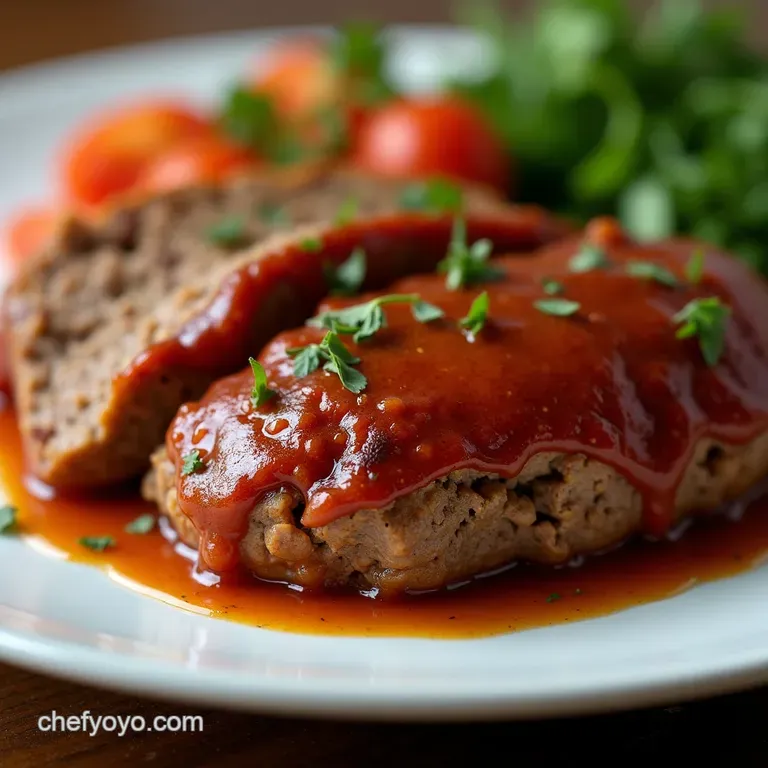
- Banish Dry Dinner Disasters: Why This Homemade Meatloaf Reigns Supreme
- The Secret to Succulence: Mastering the Panade Technique for Legendary Texture
- Curating the Ultimate Meat Blend for Flavor Depth
- The Gentle Assembly: Mixing Without Compacting the Meatloaf
- Glazing for the Golden Finish: When to Apply the Tang
- Next-Day Nirvana: Storing and Reheating Your Leftover Meatloaf
- Recipe FAQs
- 📝 Recipe Card
Banish Dry Dinner Disasters: Why This Homemade Meatloaf Reigns Supreme
There are few dishes as inherently comforting as a perfectly executed meatloaf. It evokes memories of warmth, family gatherings, and satisfying, stick-to-your ribs dining. Yet, the reputation of Homemade Meatloaf is often marred by recollections of dry, crumbly bricks served with an apologetic drizzle of sauce.
We are here to put those sad memories to rest. Our approach to crafting The Comfort King: Grandma's Secretly Moist Meatloaf with Tangy Glaze focuses entirely on texture and depth of flavour, resulting in a moist, cohesive slice every single time.
While the preparation is straightforward landing firmly in the easy-to-medium category the subtle techniques we employ elevate this classic dish into the centrepiece it deserves to be.
Forget complicated preparations; this is about respecting the ingredients and mastering the binding process to achieve pure culinary satisfaction.
The Secret to Succulence: Mastering the Panade Technique for Legendary Texture
The absolute cornerstone of any truly magnificent meatloaf the element that separates the sublime from the Sahara is the panade . This is simply the French term for the bread/liquid binder, and getting this right is crucial for moisture retention throughout the 60 75 minute bake time.
Our method involves taking 1 cup of Panko breadcrumbs and allowing them to soak thoroughly in 1/2 cup of whole milk for at least five minutes. The breadcrumbs swell, creating millions of tiny moisture pockets throughout the final product.
When subjected to oven heat, these pockets release steam gently, keeping the meat fibres tender and preventing that dreaded dryness.
Elevating the Classic: A Truly Hearty Centerpiece
To ensure our loaf isn't just moist but rich in flavour, we move beyond the standard 100% ground beef approach. The Best Homemade Meatloaf Recipe utilizes a trio of flavours: 1 lb of 80/20 ground beef provides the necessary richness and savoury base, while 1 lb of ground pork is introduced to supply luxurious fat content, which inherently translates to superior juiciness.
This blend is foundational to creating a deeply satisfying structure that holds together beautifully when sliced, yet melts tenderly in the mouth.
Why Our Recipe Beats the Stale Brick Mentality
The difference between a good meatloaf and a great one often comes down to pre-cooking the aromatics. Many recipes simply toss raw, diced onions into the mix, which releases excess water during baking, causing the loaf to steam and sometimes weep out its flavour.
We strongly recommend lightly sautéing the medium yellow onion until softened (about five minutes) before incorporating it. Adding the three minced garlic cloves for the final minute of sautéing ensures their flavour is sweet and mellow, not acrid.
Allowing these cooked elements to cool slightly before mixing prevents them from prematurely cooking the eggs or toughening the meat.
A Nod to British Comfort: Hearty Flavors Unleashed
While the glaze leans American, the interior seasoning borrows from deep European comfort food traditions. Alongside salt and freshly ground black pepper, we incorporate 1/2 teaspoon of dried thyme and a tablespoon of Worcestershire sauce.
The Worcestershire sauce is non-negotiable; it delivers a concentrated hit of umami that mimics slow simmered depth, ensuring that even a quick-to-prepare Beef Meatloaf Easy option tastes like it cooked all day.
Curating the Ultimate Meat Blend for Flavor Depth
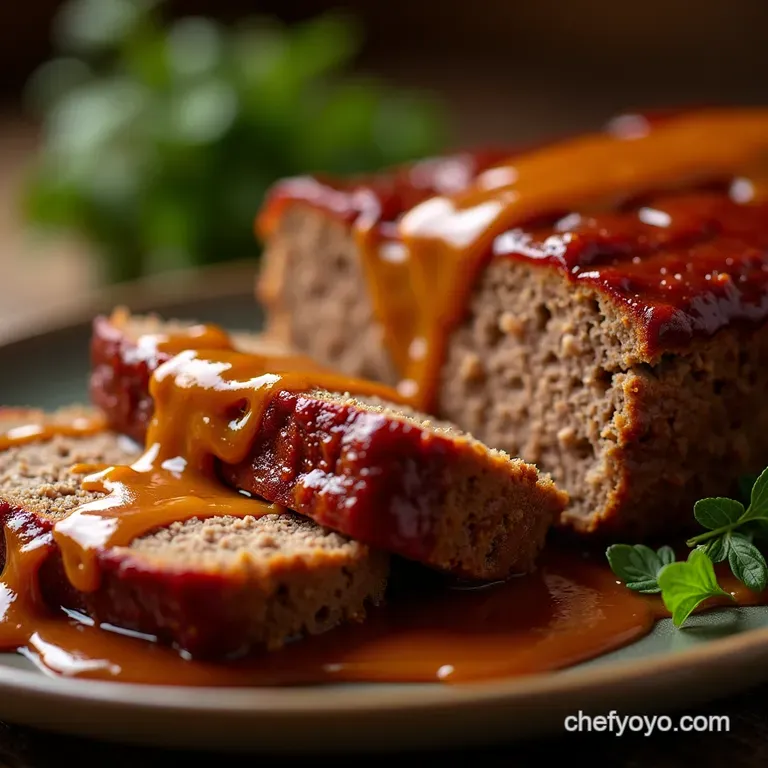
Achieving the perfect balance of fat, protein, and seasoning is key when discussing the Homemade Meatloaf Recipe . We are aiming for maximum flavour impact without relying on heavy fillers.
Sourcing the Meats: Beef, Pork, and Veal Ratios Explained
While we primarily advocate for the beef and-pork combination for accessible richness, some aficionados prefer a trio. If you choose to substitute half the pork with ground veal, you gain a slightly leaner texture with a subtle, sweeter complexity that lifts the overall flavour profile, making it taste even more refined.
However, for the core recipe, the combination of standard ground beef (ensure it's not too lean 80/20 is the goal) and pork provides the fat required to achieve a truly Moist Homemade Meatloaf Recipe .
The Milk Soaked Breadcrumb Magic (The Panade)
As mentioned, the panade is your moisture insurance policy. Using Panko breadcrumbs, rather than standard dried breadcrumbs, is a subtle but important choice. Panko flakes are lighter and absorb moisture more evenly without becoming gummy, ensuring the structure remains fluffy.
Once soaked in the 1/2 cup of milk, this mixture is whisked together with two lightly beaten large eggs, which act as the final structural glue alongside the soaked bread.
Crafting the Killer Tangy Glaze: Ketchup, Brown Sugar, and Spice
Every classic meatloaf needs a vibrant topping to cut through the richness of the meat. Our Homemade Meatloaf Sauce is quick to assemble: simply combine 1/2 cup of ketchup, 1/4 cup of packed brown sugar (for deep, caramelised sweetness), 1 tablespoon of apple cider vinegar, and 1 teaspoon of Dijon mustard.
Whisk this mixture until homogenous; this glaze will be applied in two stages for optimal caramelisation.
Essential Kitchen Tools for Shaping Your Masterpiece
While you could use any standard baking dish, a 9x5 inch loaf pan provides the classic shape and helps the loaf cook evenly from the sides in. Critically, however, is the meat thermometer. Guessing internal temperature is the primary cause of both undercooked (and unsafe) or overcooked (and dry) meatloaf.
We aim squarely for 160° F ( 71° C) internal temperature before resting.
Related Recipes Worth Trying
- Classic Meatloaf with Marinara Sauce Moist Flavorful Recipe — Upgrade your weeknight meal with this moist Classic Meatloaf with Marinara Sauce Forget ketchupthis traditional recipe uses a bright homemade tomato sauce...
- Homemade Butternut Squash Sage Ravioli Recipe Fresh Pasta Ideas — Master the art of fresh ravioli recipes with this classic Butternut Squash Sage filling Foolproof pasta dough guides included Click for a taste of autumn...
- The Best Homemade Cheddar Garlic Herb Potato Soup — Ditch the tinned stuff This Cheddar Garlic Herb Potato Soup is gloriously creamy and packed with sharp cheese flavour Easy to make and truly hearty comfort...
The Gentle Assembly: Mixing Without Compacting the Meatloaf
This stage requires restraint. If you treat your meat mixture like dough for bread, you will end up with a dense, inedible brick. The goal is to combine the ingredients just enough so that everything is evenly distributed, but no more.
Preparing the Aromatic Foundation: Sautéing Onions and Garlic
Before anything touches the raw meat, you should gently sweat your diced onion in a touch of oil until translucent about five minutes. Add the three cloves of minced garlic during the last 60 seconds of cooking. Removing the raw edge from the onion prevents it from becoming watery while baking.
Once softened, set this mixture aside to cool down completely.
Gently Incorporating Binders and Seasonings
In the main mixing bowl, combine your whisked eggs, salt, pepper, thyme, and Worcestershire sauce. Follow this by gently stirring in the cooled sautéed aromatics and the fully saturated Panko panade. Mix these wet elements thoroughly before introducing the meats.
Shaping the Loaf: Free Form vs. Pan Baking Decisions
Add the combined ground beef and pork to the bowl. Using your hands gently fold and press the mixture until you see no streaks of separate ingredients. This usually takes 30 to 60 seconds of light work.
You can press this mixture into your prepared loaf pan or, if you prefer better air circulation for a crispier crust, shape it into a free form loaf on a parchment lined baking sheet.
Baking for Juiciness: Temperature Zones and Timing Secrets
Preheat your oven to a moderate 350° F ( 175° C). Apply about half of your prepared tangy glaze evenly over the top of the loaf. Bake this initial stage for 40 minutes.
This allows the loaf to set its structure before the sugar in the glaze starts to caramelise aggressively.
Glazing for the Golden Finish: When to Apply the Tang
The second application of the glaze is essential for achieving that iconic, glossy, slightly sticky exterior without burning the sugars prematurely.
Resting the Cooked Comfort King Before Slicing
This final step is as vital as the panade. Once the internal temperature hits 160° F ( 71° C), remove the meatloaf from the oven. Let it rest, undisturbed, for a crucial 10 to 15 minutes.
During this resting period, the internal juices redistribute throughout the meat, ensuring that when you slice into the loaf, those juices stay in the meat rather than immediately pooling on your cutting board. This rest makes the difference between a good slice and an exceptional one.
Next Day Nirvana: Storing and Reheating Your Leftover Meatloaf
One of the greatest joys of making a large Homemade Meatloaf is enjoying the leftovers. The flavour often deepens overnight, making it a superb option for lunches or quick dinners.
Storing Techniques to Maintain Moisture Integrity
Once fully cooled after resting, slice the meatloaf into serving portions. Store these slices in an airtight container. For extra insurance against dryness, you can add a very small splash of beef stock or water to the bottom of the container before sealing this creates a small humid pocket.
It will keep well in the refrigerator for up to four days.
Incorporating Greens: A Subtle Spinach Filling Variation
For a nutrient boost, consider preparing a Meatloaf Without Onions by substituting the sautéed onion with 1 cup of finely chopped, squeezed dry frozen spinach mixed directly into the meat blend, perhaps alongside a little extra dried parsley for freshness.
Freezing Instructions for Future Weeknight Wins
This recipe freezes wonderfully. Wrap individual or whole cooled slices tightly in plastic wrap, then again in aluminum foil, or place them in a freezer safe bag, squeezing out as much air as possible. Frozen meatloaf will maintain peak quality for up to three months.
Thaw overnight in the refrigerator before reheating.
Pairing Perfection: Recommended Sides for Your Meal
To complete this ultimate comfort meal, consider pairing your flavourful loaf with traditional accompaniments. Creamy mashed potatoes are non-negotiable, providing the perfect absorbent base. For vegetables, honey glazed carrots or simple steamed green beans offer necessary sweetness and freshness.
And if you truly want to lean into the heartiness, make a simple, rich Homemade Meatloaf Gravy using beef stock, thickened with a roux, to drizzle generously over both the meat and the potatoes.

Recipe FAQs
Why is my Homemade Meatloaf always coming out dry and crumbly?
That's a common pitfall! The key to a moist loaf, like this recipe promises, is the 'panade' soaking your breadcrumbs in milk ensures the meat retains moisture as it cooks. Also, ensure you aren't using ultra lean mince (80/20 is best) and resist the urge to overcook it past 160°F internal temperature; it finishes cooking while resting.
Can I make this recipe ahead of time, and how should I store leftovers?
Absolutely, prepping ahead is a dream for a busy cook! You can mix the entire meatloaf batter (without baking) and store it tightly wrapped in the fridge for up to 24 hours. Leftovers are brilliant; store sliced meatloaf in an airtight container in the fridge for up to 3 4 days.
It's arguably even better the next day when cold!
Do I really need to use two types of meat in this Homemade Meatloaf recipe?
While you technically can use just beef, mixing it with pork (or veal) is where the magic happens. Beef gives you that deep, savoury flavour, but pork contributes essential fat, which keeps the final product from turning into a tough brick. It’s the classic combination for ensuring a rich texture.
What’s the best way to serve this meatloaf, and can I skip the glaze?
For the ultimate comfort experience, you must serve it with mountains of creamy mashed potatoes and a generous drizzle of simple brown gravy it’s simply the done thing!
While you can skip the glaze, the tangy sugar vinegar mix provides a lovely counterpoint to the richness of the meat; if you skip it, consider using a smear of good quality tomato purée instead.
My loaf seems to be splitting while baking is it too tight or too hot?
Splitting is usually a sign of overworking the mixture when combining ingredients, which creates tension in the proteins. Make sure you mix everything gently until just combined. Also, check your oven temperature; if it's too high, the outside cooks too fast and bursts while the inside tries to expand.
Can I freeze meatloaf, and if so, should I freeze it cooked or raw?
Freezing meatloaf is an excellent way to batch cook! It freezes beautifully both ways. If freezing raw, wrap the shaped loaf tightly in plastic wrap and foil. If freezing cooked, slice it first, which makes defrosting much easier for single portions later on it keeps well for about three months either way.
Moist Homemade Meatloaf
Ingredients:
Instructions:
Nutrition Facts:
| Calories | 1013 kcal |
|---|---|
| Protein | 15.3 g |
| Fat | 11.4 g |
| Carbs | 64.4 g |
| Fiber | 13.2 g |
| Sodium | 727 mg |
