Lemon Lavender Cake Recipe: Moist & Zesty
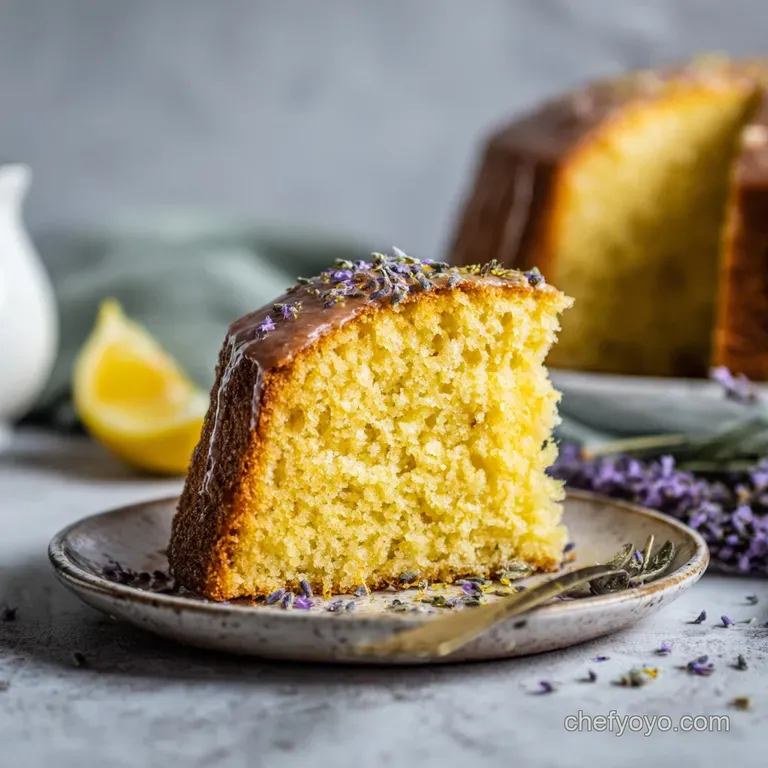
- Time: Active 20 minutes, Passive 45 minutes, Total 1 hours 5 mins
- Flavor/Texture Hook: Velvety crumb with a shatter crisp glaze
- Perfect for: Wholesome garden parties or a rustic weekend treat
- Why this lemon lavender cake recipe works
- Essential Ingredient Component Analysis
- Wholesome Building Blocks
- Necessary Artisanal Tools
- Step-by-Step Baking Guide
- Troubleshooting Your Bake
- Simple Dietary Adjustments
- Kitchen Myths Debunked
- Storage and Waste Tips
- Perfect Serving Ideas
- Recipe FAQs
- 📝 Recipe Card
Why this lemon lavender cake recipe works
The first time I pulled this cake out of the oven, the floral aroma didn't just fill my kitchen it practically hugged me. I used to think lavender in food was risky, like eating a bar of soap, but then I realized the mistake. Most people just toss the buds in. The trick I learned is all about friction.
By rubbing the lavender and lemon zest directly into the sugar, you're not just mixing; you're bruising those ingredients to release every drop of essential oil. It transforms the sugar into a damp, fragrant sand that perfumes the entire crumb.
Trust me, once you smell that citrus floral punch, you’ll never go back to just whisking things together.
This cake recipe is the result of years of "too dry" or "too floral" failures. We've balanced the sharp acidity of the lemon with the creamy weight of Greek yogurt to ensure the texture stays silky, never crumbly.
It's a rustic, wholesome bake that feels fancy but is actually incredibly sturdy and reliable for any home cook.
The Science of Essential Oil Infusion: When you massage citrus zest and lavender into sugar, the sharp edges of the sugar crystals tear into the plant cells. This mechanical action forces the aromatic oils out, binding them to the sugar so the flavor survives the high heat of the oven.
- Aromatic Bonding: Sugar is hygroscopic, meaning it clings to moisture and oils, ensuring the lavender scent is distributed evenly rather than in "soapy" pockets.
- Acidic Moisture Balance: The lactic acid in the Greek yogurt weakens gluten strands, which is why the texture feels so velvety and soft.
- Protein Structure: Using three whole eggs provides the necessary lift and "bounce," preventing the dense lavender oils from weighing down the rise.
| Method | Time | Texture | Best For |
|---|---|---|---|
| Standard Oven | 45 minutes | Golden crust, even crumb | Traditional pound cake feel |
| Steamed (Stovetop) | 60 minutes | Ultra moist, pale exterior | Dense, pudding like texture |
| Toaster Oven | 40 minutes | Crispier edges, dark top | Small batches or quick fixes |
Cooking this on the stovetop in a water bath creates a much denser, almost custard like cake, whereas the oven gives you that classic rustic crumb we're aiming for today. Most of my friends prefer the oven method for that slight outer crunch.
Essential Ingredient Component Analysis
| Ingredient | Science Role | Pro Secret |
|---|---|---|
| Greek Yogurt | Provides acidity to activate leavening and adds fat for a silky mouthfeel. | Use full fat only; low-fat makes the cake rubbery and tough. |
| Dried Lavender | Delivers the botanical top notes and essential oils. | Grind it with a bit of the sugar to avoid "leafy" textures. |
| Unsalted Butter | Creates the tender crumb through the creaming process with sugar. | Must be "pliable" room temp your finger should leave an indent easily. |
Wholesome Building Blocks
- 1.5 cups (300g) granulated white sugar: The base for our aromatic infusion.
- Substitute: Cane sugar. Why this? Provides the structural sweetness and abrasive texture needed to bruise the lavender.
- 1.5 tbsp dried culinary lavender, finely ground: Ensure it is "culinary" grade to avoid perfumes.
- Substitute: 2 drops lavender extract. Why this? Dried buds provide a more complex, rustic floral profile than extracts.
- 2 tbsp lemon zest, freshly grated: Use a microplane for the finest texture.
- Substitute: 1 tsp lemon oil. Why this? Zest contains the oils that provide flavor without adding excess liquid acid.
- 1 cup (225g) unsalted butter, room temperature: The heart of the cake's richness.
- Substitute: 1 cup refined coconut oil (solid). Why this? Butter offers a nostalgic, artisanal flavor that oils simply can't match.
- 3 large room temperature eggs: Essential for structure and aeration.
- Substitute: 3/4 cup silken tofu (blended). Why this? Eggs provide the protein "net" that holds the cake's height.
- 0.5 cup (120g) full fat Greek yogurt: For moisture and a slight tang.
- Substitute: Sour cream. Why this? The high fat and protein content ensures a moist, dense crumb.
- 1.5 cups (190g) all purpose flour: The structural foundation.
- Substitute: 1:1 gluten-free flour blend. Why this? AP flour provides the perfect amount of gluten for a sturdy loaf.
- 1 tsp baking powder & 0.5 tsp fine sea salt: Our lift and flavor enhancer.
- Substitute: 1/4 tsp baking soda + 1/2 tsp cream of tartar. Why this? Salt balances the floral notes so they don't become cloying.
Chef's Tip: If you don't have a spice grinder for the lavender, just use a mortar and pestle with a tablespoon of the sugar. It prevents the buds from bouncing around and ensures a fine powder.
Necessary Artisanal Tools
You don't need a high tech kitchen to master this bake. I personally love using a classic 9x5 inch loaf pan for that rustic, sliced bread look. A stand mixer is helpful, but honestly, a sturdy whisk and some elbow grease work just as well for an artisanal touch.
You'll also want a microplane for the lemon zest nothing else gets those oils out quite as effectively.
Since this recipe features a decadent lemon curd filling, you might want to check out my Sunshine in a recipe for extra tips on getting that silky consistency. Having a small heavy bottomed saucepan is key for the curd so you don't scorch the eggs.
step-by-step Baking Guide
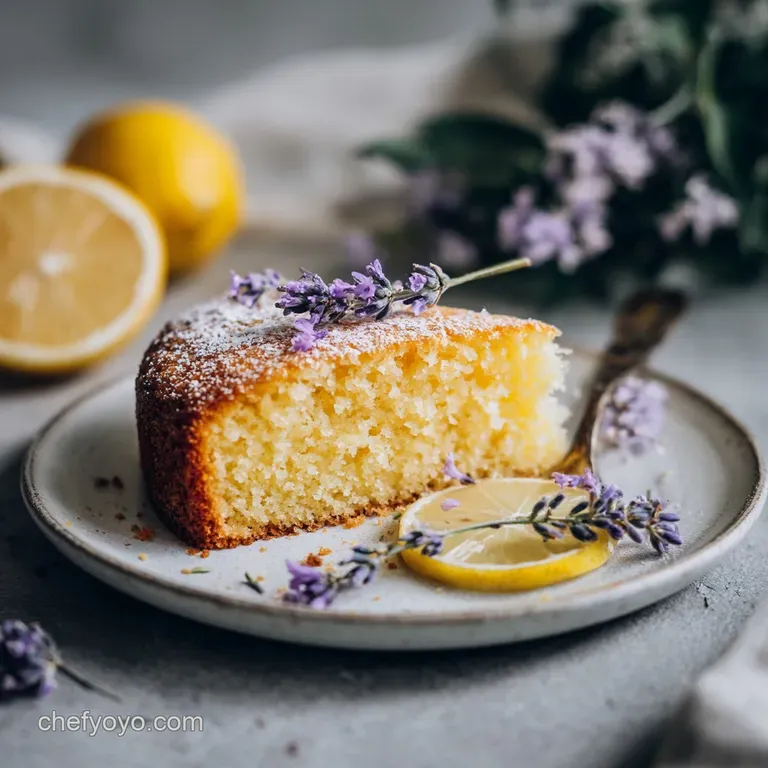
1. Infuse the Aromatics
Combine the 1.5 cups sugar, 1.5 tbsp ground lavender, and 2 tbsp lemon zest in a bowl. Rub the mixture between your fingertips for 2 minutes until the sugar looks like damp sand and smells intensely floral. Note: This is the most important step for flavor depth.
2. Cream the Butter
Beat the 1 cup room temperature butter with the aromatic sugar. Continue for about 3-5 minutes until the mixture is pale, fluffy, and doubled in volume.
3. Incorporate the Eggs
Add the 3 large eggs one at a time, beating well after each addition. The batter should look smooth and emulsified until no streaks of yellow remain.
4. Mix the Wet Bases
Whisk in the 0.5 cup Greek yogurt. Don't worry if it looks slightly curdled at this stage; it will come together once the dry ingredients are added.
5. Sift the Dry Solids
In a separate bowl, whisk the 1.5 cups flour, 1 tsp baking powder, and 0.5 tsp salt. Gradually fold this into the wet ingredients until just combined and no flour pockets exist. Note: Overmixing here will make the cake tough.
6. Prepare the Golden Bake
Pour the batter into a greased 9x5 loaf pan. Bake at 350°F (180°C) for 45 minutes until a skewer comes out clean and the top is golden brown.
7. Simmer the Lemon Curd
While the cake bakes, whisk 0.5 cup lemon juice, 0.5 cup sugar, and 3 egg yolks in a saucepan over low heat. Stir constantly until the mixture coats the back of a spoon. Whisk in the 4 tbsp cold butter last.
8. Glaze and Finish
Whisk 1 cup powdered sugar, 2 tbsp milk, and 1 tsp lemon juice. Drizzle over the cooled cake until it drips naturally down the sides.
Troubleshooting Your Bake
The "Soapy" Flavor Trap
If your cake tastes like a perfume shop, it’s usually because the lavender wasn't ground finely enough or you used too much. Large chunks of lavender release concentrated bursts of oil that overwhelm the palate.
Why the Cake Sunk
A sunken middle usually means the oven door was opened too early, causing a sudden temperature drop. It can also happen if your baking powder is expired always check that "best by" date before you start.
| Problem | Root Cause | Solution |
|---|---|---|
| Gummy Bottom | Too much yogurt or underbaked. | Bake for 5 extra mins; check center temp is 200°F. |
| Dry Crumb | Overbaked or too much flour. | Spoon and level flour; don't scoop directly from the bag. |
| No Lavender Scent | Failed to rub sugar and herbs. | Massage the lavender/sugar for at least 2 full mins. |
Common Mistakes Checklist ✓ Ensure eggs are truly room temperature to prevent the butter from seizing. ✓ Never skip sifting the flour; it prevents clumps in the dense yogurt batter. ✓ Use only "culinary" lavender, as craft lavender is often treated with synthetic scents.
✓ Let the cake cool for at least 20 minutes before glazing, or the sugar will just melt off. ✓ Don't over grind the lavender into a paste; a coarse powder is what you want.
Simple Dietary Adjustments
Scaling this recipe down is quite simple if you're baking for a smaller household. To make a "half loaf," use a 6 inch round pan, reduce the bake time by 10 minutes, and use 2 small eggs instead of 3 large ones. If you're looking for a completely different profile, you might enjoy learning How to Make recipe which uses a similar cream cheese swirl technique.
When doubling the recipe for a party, I suggest using two separate loaf pans rather than one giant one. Large batches of this specific batter struggle to cook through the center before the edges burn. Stick to the 1.5x rule for spices and salt to ensure the floral notes don't become aggressive.
Kitchen Myths Debunked
One big myth is that lavender loses its flavor if you bake it too long. In reality, the heat actually helps mellow out the camphor like notes in the herb, making it taste more like "herbaceous vanilla" than a cleaning product. Another common misconception is that you must use fresh lavender for better flavor.
I actually prefer dried; it’s more concentrated and doesn't add unwanted moisture to the delicate crumb.
Storage and Waste Tips
Storage Guidelines: This cake actually tastes better on day two once the lavender oils have had time to "bloom" into the crumb. Keep it in an airtight container at room temperature for up to 3 days. For longer storage, it freezes beautifully for up to 2 months.
Just wrap the un glazed loaf tightly in plastic wrap and foil.
Zero Waste Tips: Don't throw away those spent lemon rinds! After zesting and juicing, toss the rinds into a jar of white vinegar. After two weeks, you'll have a natural, citrus scented kitchen cleaner.
Also, any leftover lavender buds can be simmered with a bit of sugar and water to make a simple syrup for your morning tea.
Perfect Serving Ideas
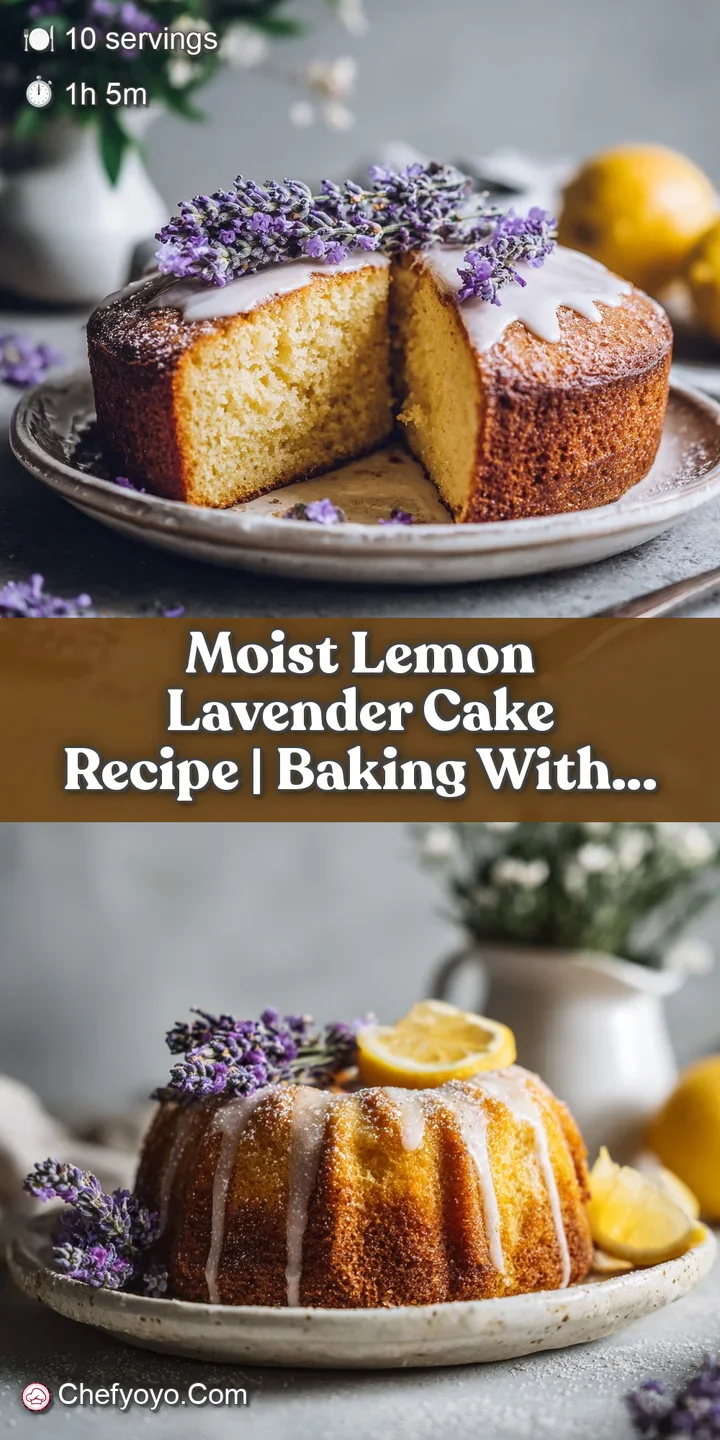
This cake is the definition of a "garden party" dessert. I love serving a thick slice with a dollop of extra thick cream or a side of fresh blackberries. The tartness of the berries cuts through the floral sweetness of the lavender perfectly.
If you're feeling fancy, pair a slice with a hot "London Fog" (Earl Grey tea with steamed milk and vanilla). The bergamot in the tea echoes the citrus in the cake, creating a really sophisticated flavor bridge. For a more casual afternoon, it’s honestly brilliant just on its own with a cold glass of milk. If you find yourself with extra lemons, you could even whip up a batch of my Homemade Lemonade Classic recipe to serve alongside it.
Recipe FAQs
Do lemon and lavender go well together?
Yes, they are an excellent pairing. The bright, sharp acidity of the lemon perfectly balances the sometimes soapy, intensely floral notes of the lavender. This balance prevents the cake from tasting overwhelming or perfumed.
How much lavender should I add to a cake?
Start with 1.5 teaspoons of finely ground culinary lavender per 1.5 cups of flour. Too much will dominate; too little will be undetectable. Rubbing the buds into the sugar first releases the essential oils for maximum flavor without bitterness.
What flavors pair best with lavender?
Citrus (lemon, orange), honey, vanilla, and white chocolate are ideal complements. These flavors are either bright enough to cut the floral intensity or subtle enough to support the botanical notes beautifully.
Is it true that using extracts instead of dried lavender is better for flavor distribution?
No, this is a common misconception. While extracts are potent, dried culinary lavender, when properly massaged into the sugar, releases a more complex and rustic aromatic profile that withstands baking temperatures better.
What is in a Queen Elizabeth cake?
A traditional Queen Elizabeth cake typically features a simple, moist yellow cake base topped with a cooked coconut pecan frosting. It does not usually contain lemon or lavender, focusing instead on a rich, sweet textural contrast.
How do I ensure the cake stays moist since lavender can dry out the crumb?
Incorporate full fat Greek yogurt or sour cream into the wet ingredients. The high fat and lactic acid content tenderizes the gluten, guaranteeing a silky mouthfeel. If you enjoyed controlling texture here, apply the same principle when learning Classic St. Louis recipe to achieve rich results.
How do I infuse the lemon zest flavor deeply without making the batter too thin?
Mechanically infuse the zest by rubbing it vigorously into the granulated sugar with your fingertips. This action bruises the zest cells, releasing the essential oils which bond to the sugar crystals before mixing in the butter.
Moist Lemon Lavender Cake
Ingredients:
Instructions:
Nutrition Facts:
| Calories | 527 kcal |
|---|---|
| Protein | 5.7 g |
| Fat | 26.2 g |
| Carbs | 67 g |
| Fiber | 0.8 g |
| Sugar | 52 g |
| Sodium | 210 mg |
