The Chefs Classic Vanilla Buttermilk Pound Cake
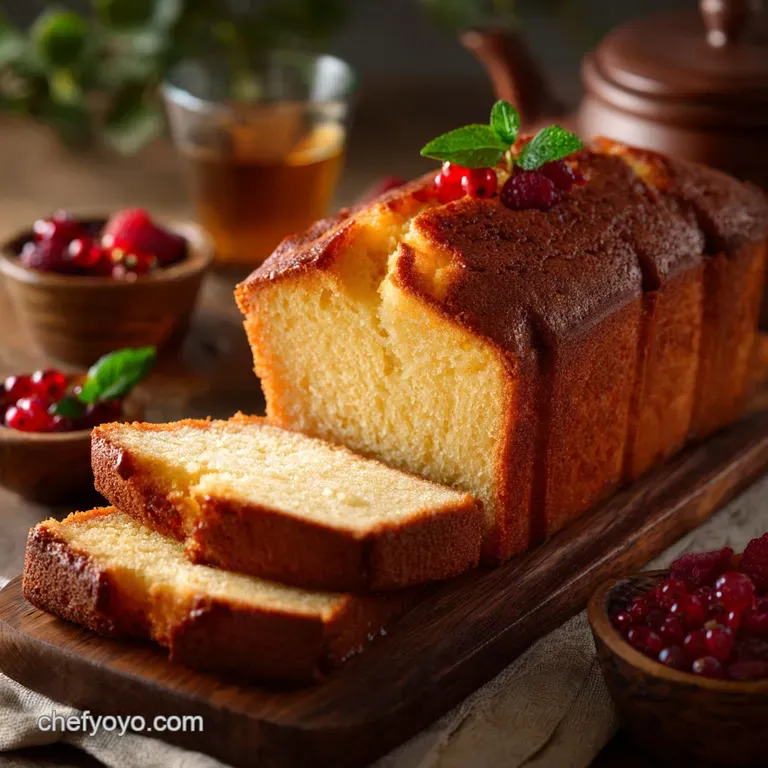
- Why This Buttermilk Recipe Elevates the Classic Pound Cake
- Achieving the Ideal Crumb: Mastering the Vanilla Pound Cake
- Sourcing the Core Ingredients for Maximum Vanilla Flavor
- Essential Equipment and Tools for a Perfect Loaf
- The Critical Creaming Method for Lift and Volume
- Step-by-Step Guide to Baking The Chef’s Classic Pound Cake
- Troubleshooting Common Issues When Baking Vanilla Pound Cake
- Recipe FAQs
- 📝 Recipe Card
Why This Buttermilk Recipe Elevates the Classic Pound Cake
The traditional pound cake, born in colonial kitchens, famously called for a pound each of butter, sugar, flour, and eggs. While simple and foundational, this ratio often results in a crumb that, while dense and satisfying, can be dry or heavy.
Our updated approach revolutionizes this classic by incorporating buttermilk, transforming the texture and setting the stage for what we confidently call the Best Pound Cake Recipe .
The inclusion of liquid and slightly acidic buttermilk ensures every slice of this vanilla pound cake recipe moist and luxurious, balancing the inherent density with exceptional tenderness.
On top of that,, a touch of baking powder is added to the dry components to guarantee a superior lift that the original, strictly measured formulation could never achieve, delivering a reliably perfect bake every time.
Achieving the Ideal Crumb: Mastering the Vanilla Pound Cake
Creating a magnificent vanilla pound cake isn't just about combining ingredients; it’s about understanding the chemical interactions that produce that famously tight, yet impossibly tender, crumb.
The Buttermilk Secret to Supreme Moisture
Buttermilk is truly the unsung hero in this formulation. Its acidic nature reacts gently with the small amount of baking powder we introduce, yielding a subtle rise and a softer crumb structure.
Crucially, the fats and acidity in the buttermilk tenderize the gluten strands forming within the flour, preventing the cake from becoming tough, even when the batter is handled for the required mixing time.
This ensures that every bite retains that desirable density without crossing the line into dryness, resulting in a supremely vanilla pound cake recipe moist structure.
Balancing Density and Tenderness in Every Slice
The classic nature of pound cake demands a certain heft; it should feel substantial. We achieve this balance through precise ingredient ratios, specifically the high amount of sugar and fat relative to the liquid.
However, the tenderness is secured during the creaming process (where air is whipped into the butter and sugar), which provides the primary mechanical leavening. This technique builds a framework that supports the weight of the rich ingredients while maintaining an appealing softness.
From Colonial Kitchen to Modern Dessert Table
The longevity of the pound cake speaks to its simple excellence. Originating as a straightforward method for using basic larder staples, this dessert has evolved into an elegant canvas for flavour.
While the fundamental structure remains, updating the technique such as requiring room temperature ingredients and carefully monitoring mixing ensures that preparing a truly decadent vanilla pound cake from scratch is now accessible, reliable, and guaranteed to elevate any afternoon tea or celebration.
Sourcing the Core Ingredients for Maximum Vanilla Flavor
When baking a dessert where the main flavour note is vanilla, ingredient quality is paramount. You are relying on the butter, sugar, and vanilla to shine, so skimping here simply isn't an option. Use real unsalted butter it contains the right fat content necessary for optimal creaming.
For the dry components, use high-quality all-purpose flour that is spooned and leveled precisely (approximately 2 ½ cups or 315g) to prevent an overly dense result. Finally, every dairy component, including the 1 cup of butter, 5 large eggs, and ¾ cup of buttermilk, must be staged outside the refrigerator at least one hour beforehand.
This commitment to room temperature is non-negotiable for achieving a smooth, properly emulsified batter.
Related Recipes Worth Trying
- Foolproof Dutch Baby Pancakes Recipe MileHigh Puff Perfection — Forget flat flapjacksour simple Dutch Baby recipe delivers breakfast theatre Get the best German Pancakes Recipe with crisp edges and a custardy center...
- The Ultimate Puff Classic Lemon Sugar Dutch Baby Pancake Recipe — Achieve maximum height with this foolproof Dutch Baby Pancake recipe Its light custardy and puffs dramatically in the oven Learn the hot skillet secret for...
- Authentic Tres Leches Cake The Moist Recipe From Scratch — Learn how to make Tres Leches cake from scratch This authentic recipe yields a light sponge drenched in rich milk soak making the moistest creamiest texture...
Essential Equipment and Tools for a Perfect Loaf
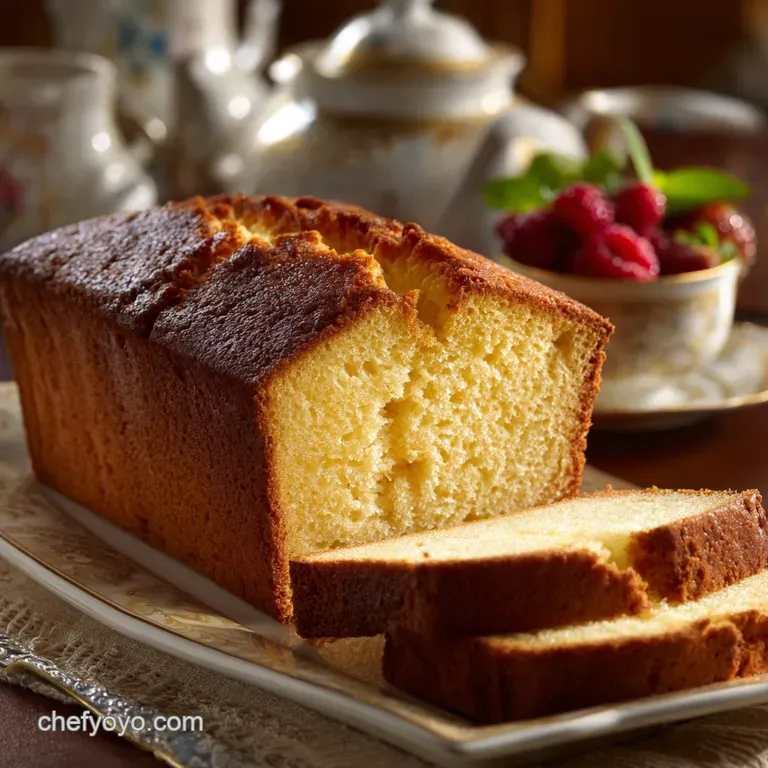
While the ingredients are simple, the tools greatly impact the final result. A stand mixer fitted with the paddle attachment is strongly recommended, as the extended creaming time required is difficult to achieve properly with hand mixing alone.
Choosing Between Vanilla Extract, Paste, or Bean Scrape
Since vanilla is the star, choose your product wisely. We recommend using 1 tablespoon of pure vanilla bean paste. The paste offers the visual speckled beauty of the bean combined with the intense, deep flavour profile of a high-quality extract.
If using a pure extract, ensure it is not imitation, which can yield a flat, disappointing taste.
The Flour Blend That Supports This Dense Structure
For our purposes, simple all-purpose flour works beautifully, especially when paired with 1 teaspoon of baking powder and ½ teaspoon of salt. The key is to handle the flour gently.
If you overmix or pack the flour cup too tightly, the finished cake will be heavy, tough, and lack the fine crumb that defines the perfect vanilla pound cake .
Selecting the Right Baking Pan (and Why Size Matters)
The volume of this batter designed for a standard 9x5-inch pan requires specific equipment. This recipe is perfectly suited for a generous vanilla pound cake loaf , or alternatively, a 10-cup vanilla pound cake bundt .
Since pound cakes bake for an extended time at a lower temperature (325°F or 160°C), using the correct pan size prevents overflow or uneven cooking. A pan too small will overflow, while one too large will result in a thin, dry cake.
Ensuring All Dairy and Eggs Are at Room Temperature
This step is arguably the most crucial technical detail in the entire recipe. When butter and sugar are creamed, they trap air. If the butter is cold, it cannot incorporate sufficient air; if the eggs or buttermilk are cold, they will seize the creamed mixture, causing the fat to separate and the batter to curdle, resulting in a significantly reduced volume and a final cake that is dense and heavy.
The Critical Creaming Method for Lift and Volume
The success of your homemade pound cake instructions begins and ends with proper creaming. Place the softened butter (1 cup) and granulated sugar (1 ¾ cups) into your mixer bowl. Beat this mixture on medium high speed for a full 5 to 7 minutes.
Do not shorten this time. You are looking for a visible transformation: the mixture must be very pale yellow, almost white, and significantly increased in volume. This extended whipping creates the necessary air pockets that provide the structure and lightness in an otherwise heavy batter.
Once this stage is complete, reduce the mixer speed and introduce the five eggs one at a time, ensuring each egg is fully emulsified before adding the next.
step-by-step Guide to Baking The Chef’s Classic Pound Cake
Following a measured, deliberate approach ensures success when baking this substantial cake.
Lining and Prepping the Pan for a Clean Release
Before combining the ingredients, preheat your oven to 325°F (160°C). Thoroughly grease your chosen pan (loaf or Bundt) with butter or cooking spray, then dust it completely with flour. This essential "grease and-flour" step prevents the delicate crust from tearing when the cake is inverted.
If using a loaf pan, once the batter is added, smooth the top and create a shallow trough down the center with a spatula; this encourages the signature attractive crack during baking.
The 30-Second Test: Knowing When to Stop Mixing the Batter
After successfully creaming the butter, sugar, and eggs, you will incorporate the dry mixture (flour, baking powder, salt) alternately with the buttermilk. Follow the "dry start, dry finish" rule: begin with one-third of the flour, alternate with half the buttermilk, then the second third of flour, the remaining buttermilk, and finish with the final third of flour.
Keep the mixer on low speed and mix only until the ingredients are just incorporated. Once the last streak of flour disappears, stop the mixer immediately this is your 30-second test.
Finish the remaining mixing by hand with a rubber spatula to gently fold in any pockets of flour hiding at the bottom, ensuring you do not develop tough gluten strands through overmixing. This step is vital for a genuinely vanilla pound cake recipe easy to slice and enjoy.
Monitoring Oven Temperature for an Even Golden Crust
Because this batter is rich and dense, it requires a longer, slower bake. The 325°F oven temperature is intentionally low to ensure the center of the cake bakes fully without burning the exterior crust.
The total baking time ranges from 60 to 75 minutes for a loaf or up to 85 minutes for a Bundt. The cake is ready when a long wooden skewer inserted into the center comes out clean or with a few moist, not wet, crumbs attached.
Allow the cake to cool in the pan for 15– 20 minutes on a wire rack before inverting it to finish cooling completely.
Troubleshooting Common Issues When Baking Vanilla Pound Cake
Even the most meticulous baker occasionally encounters hiccups. Understanding the common pitfalls of this recipe allows for easy corrections.
Why Did My Cake Sink in the Middle? (And How to Fix It)
A sunken center is typically the result of one of two issues: temperature or air incorporation. If the cake was removed from the oven before the center was fully set, the structure could not support its weight, leading to a collapse.
Alternatively, if the butter and sugar were not creamed long enough, or if cold ingredients were used, the initial batter volume was too low, resulting in a weak structure that failed during the later stages of baking.
Ensure you adhere strictly to the 5 7 minute creaming time and verify the doneness with a skewer.
Preventing a Tough or Dry Texture
A tough or dry texture most often stems from overmixing the batter after the flour has been introduced. Gluten develops quickly when wet flour is agitated. Stick to the rule of mixing the wet and dry components only until combined, and finish by hand.
Next,, always ensure flour is measured correctly spooned and leveled as using too much flour instantly leads to a dry finish.
Serving Suggestions: Glazes, Berries, and Sauces
This rich cake stands brilliantly alone, but it also serves as a phenomenal foundation for accompaniments. For a classic finish, prepare a simple vanilla pound cake glaze made from confectioners' sugar whisked with a splash of milk and vanilla extract, drizzled over the warm cake.
Alternatively, serve slices with fresh summer berries and a dollop of softly whipped cream or crème fraîche. The cake’s density pairs beautifully with the acidity of the fruit.
Best Practices for Storing Leftover Pound Cake
Proper cooling is essential for storage; do not attempt to store the cake until it is completely cool about 60 minutes minimum on a wire rack. Pound cake stores exceptionally well due to its high fat content.
Wrap the cooled loaf tightly in plastic wrap, then place it in a resealable freezer bag or an airtight container. Stored this way, it will remain moist and delicious at room temperature for up to four days, or can be frozen for up to two months.
Recipe FAQs
Why is my pound cake tough or dense? I thought I followed the creaming method perfectly!
Pound cakes rely heavily on the air incorporated during the creaming stage, which should take a proper 5 to 7 minutes until the butter and sugar are fluffy and pale. If your ingredients, especially the eggs and butter, weren't truly at room temperature, the batter will split and can't hold enough air, leading to a denser crumb.
Secondly, stop mixing the moment you add the last of the flour overmixing develops gluten and gives you a cake with the toughness of old boots.
How long will this lovely Vanilla Pound Cake keep, and what’s the best way to store the leftovers?
If wrapped tightly in cling film or foil, your finished Vanilla Pound Cake will stay wonderfully fresh at room temperature for up to 4 or 5 days. Never store it in the refrigerator, as the cold air sucks the moisture out faster than you can say “time for a cuppa.” If you’re planning ahead, the cake freezes beautifully for up to three months; just wrap it twice before popping it in the freezer.
I haven't got any buttermilk on hand. Is there a simple stand-in I can use for this recipe?
Absolutely! Buttermilk is crucial for that signature moist crumb and tangy flavour, but a simple substitute works a treat if you're caught short. Measure out ¾ cup of whole milk and stir in 1 teaspoon of white vinegar or lemon juice.
Let it sit for about five minutes until it looks slightly curdled, and then use it exactly as you would the buttermilk a proper quick fix!
I fancy changing things up a bit; what are some easy variations or flavour tweaks I can try?
The beauty of a pound cake is its versatility! For a cracking twist, add the zest of two lemons and 2 Tbsp of lemon juice to the batter for a bright, citrus lift. Alternatively, incorporate a teaspoon of almond extract alongside the vanilla for a nutty complexity.
For serving, try replacing a plain glaze with a drizzle of salted caramel a lovely accompaniment to the rich vanilla flavour.
That baking time is colossal! How do I know for sure if my pound cake is cooked right through the middle?
Pound cakes are substantial bakes, so patience is a virtue, old chap. The most reliable test is inserting a long wooden skewer or cake tester into the deepest part of the cake; it should come out clean or with only a few moist crumbs attached no wet batter!
If the edges are browning too quickly before the middle is done, fashion a little "tin foil hat" to cover the top of the pan for the last 15-20 minutes of baking.
Moist Vanilla Pound Cake Buttermilk Recipe
Ingredients:
Instructions:
Nutrition Facts:
| Calories | 129 kcal |
|---|---|
| Protein | 2.0 g |
| Fat | 7.8 g |
| Carbs | 18.8 g |
| Fiber | 0.3 g |
| Sodium | 88 mg |
