Nigerian Chicken Stew Recipe: Velvety Tomato Finish
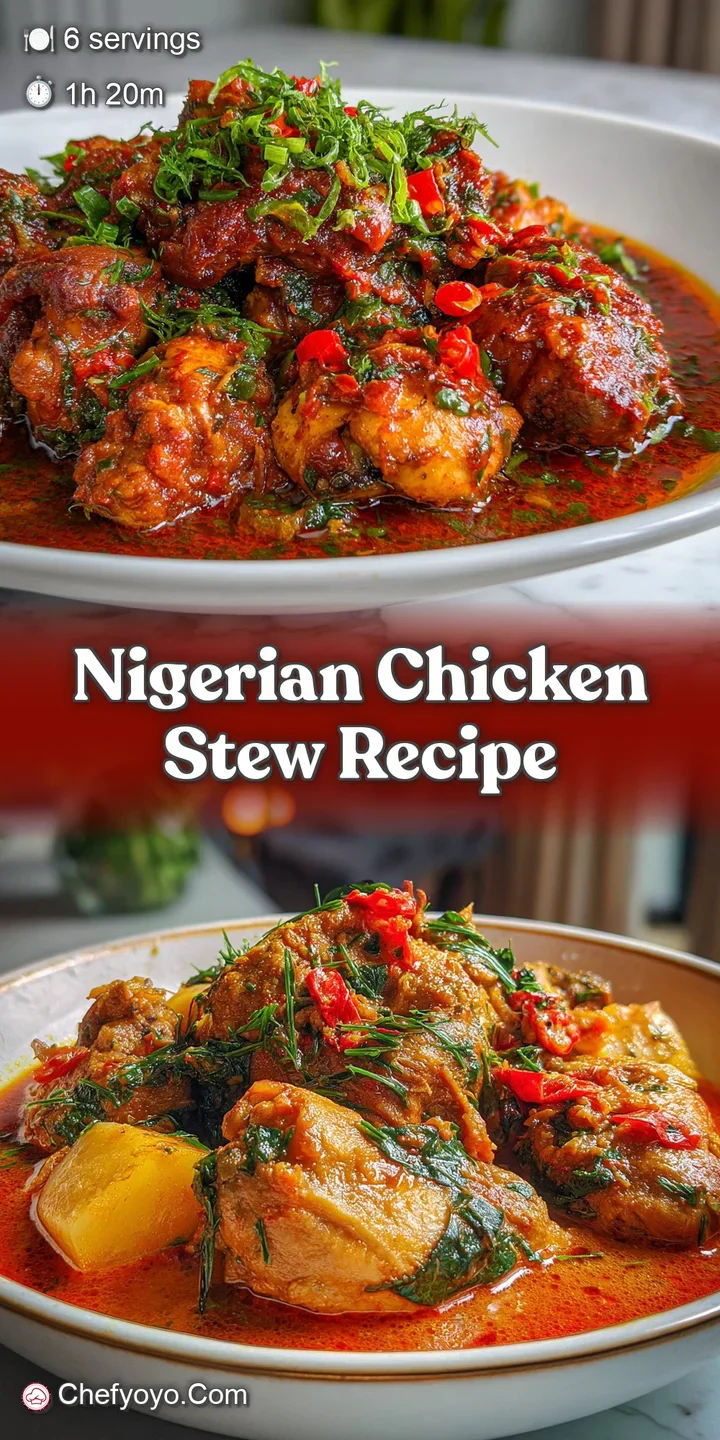
- Time: Active 20 minutes, Passive 60 minutes, Total 1 hours 20 mins
- Flavor/Texture Hook: Vibrant, punchy heat with a velvety, oil rich tomato finish
- Perfect for: Sunday family dinners or bold meal prep that tastes better the next day
- The Vibrant Secret Behind This Nigerian Chicken Stew Recipe
- Why the Traditional Fry Down Method Works
- Scientific Reasons for the Perfect Oil Break
- Sourcing the Best Nigerian Chicken Stew Ingredients
- Essential Gear for the Best Stew
- Mastering the Sizzle Step by Step
- Solving Common Stew and Sauce Issues
- Vibrant Twists for Your Dinner Table
- Storing and Reheating Your Bold Stew
- Street Food Pairings for Your Feast
- Recipe FAQs
- 📝 Recipe Card
The Vibrant Secret Behind This Nigerian Chicken Stew Recipe
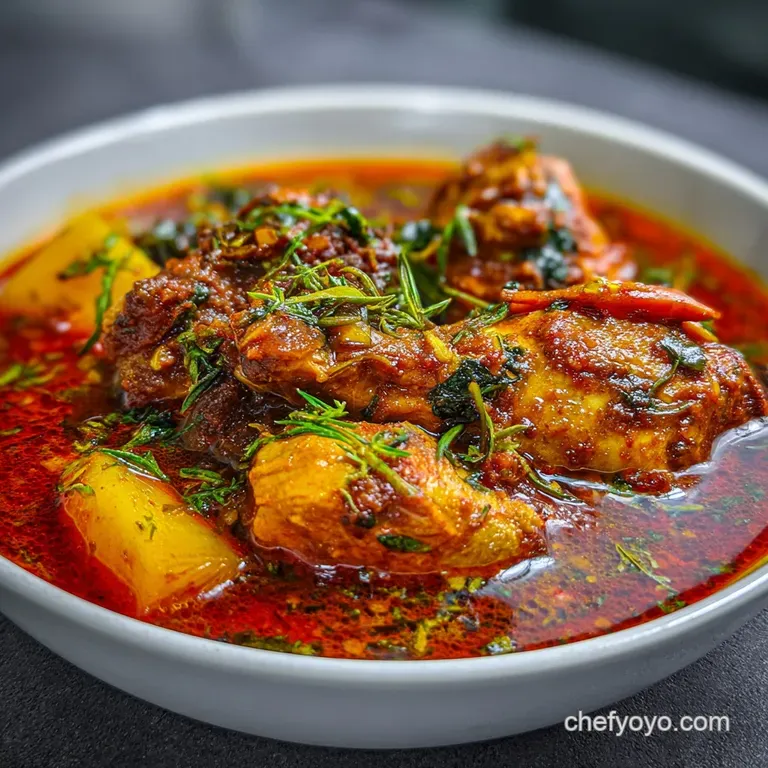
The first thing you notice is the scent. It isn’t just "cooking"; it’s a fragrant, sharp sweet bloom of red onions hitting hot vegetable oil that fills every corner of the house. I remember the first time I tried to make this without my friend’s guidance.
I didn't fry the peppers long enough, and the result was a pale, watery mess that tasted like raw garden soil. But when you get that "fry down" right, the sauce transforms into a deep, sunset crimson velvet that makes you want to lick the spoon clean.
That sizzle when the blended pepper mix hits the hot oil is your cue that the magic is happening. You’re looking for that specific moment where the oil starts to float back to the top, signaling that the water has vanished and the flavors have fully concentrated.
It’s the difference between a basic tomato sauce and a true Nigerian red stew. We're going for bold, street food style intensity here, not a subtle simmer.
You'll love how the scotch bonnets provide a back of-the throat hum rather than just a stinging burn, especially when balanced by the sweetness of the tatashe. It's a recipe that demands patience but rewards you with a flavor so punchy it practically dances on your tongue.
We’re going to walk through how to avoid the "sour" trap and ensure your chicken comes out tender every single time.
Why the Traditional Fry Down Method Works
Maillard Concentration: Frying the blended pepper and tomato base at a high temperature evaporates excess water, allowing natural sugars to caramelize and deepening the red hue.
Acid Neutralization: High heat breaks down the harsh citric acid in canned tomatoes and raw peppers, transforming a sharp tang into a mellow, savory sweetness.
Fat Soluble Infusion: The spices, particularly the Nigerian curry and thyme, are toasted in the oil during the frying stage, which unlocks aromatic compounds that water based simmering simply cannot reach.
| Thickness | Internal Temp | Rest Time | Visual Cue |
|---|---|---|---|
| Medium Thighs | 165°F (74°C) | 5 minutes | Juices run clear when pierced |
| Thick Bone in | 170°F (77°C) | 8 minutes | Meat pulls away from the bone slightly |
| Small Pieces | 160°F (71°C) | 3 minutes | Firm to the touch with no springiness |
Getting the temperature right ensures the chicken stays succulent while the sauce continues to thicken. If you’re looking for a shorter cook time with a different flavor profile, you might enjoy the speed of my Chicken and Noodles Recipe for those frantic weeknights.
Scientific Reasons for the Perfect Oil Break
Understanding the "oil break" is the secret to Nigerian cooking. This isn't just a random step; it’s a chemical indicator that the emulsion of water and solids has been broken through evaporation.
When you see the oil separating and shimmering on the surface, you know the sauce has reached peak concentration and the raw vegetable flavors are gone.
| Component | Science Role | Pro Secret |
|---|---|---|
| Red Bell Peppers | Provides base sugars and pectin | Deseed them thoroughly to prevent a bitter, "green" aftertaste. |
| Scotch Bonnets | Capsaicin delivery and floral notes | Pierce one whole instead of blending all three if you want a milder kick. |
| Nigerian Curry | Turmeric and cumin aromatic base | Use a Nigerian brand like Ducros for that specific, vibrant street food yellow. |
| Vegetable Oil | Heat conductor and flavor carrier | Don't skimp; the oil is what "fries" the sauce into its final velvety state. |
Sourcing the Best Nigerian Chicken Stew Ingredients
- 5 Large Red Bell Peppers (Tatashe): These give the stew its signature color and thickness. Why this? They provide the bulk and sweetness needed to balance the fiery scotch bonnets.
- Substitute: 5 Roasted red peppers from a jar (drained) for a smokier, faster base.
- 29 oz Canned Plum Tomatoes: Provides the necessary acidity and liquid. Why this? Canned plum tomatoes have a more consistent sugar to acid ratio than fresh winter tomatoes.
- Substitute: 6-8 large, very ripe Roma tomatoes.
- 3 Scotch Bonnet Peppers: The source of the vibrant heat. Why this? They offer a fruity, floral heat that Habaneros lack.
- Substitute: 3 Habanero peppers (very similar heat profile).
- 2 Large Red Onions: Used both for blending and for frying. Why this? Red onions have a higher sugar content than white onions, helping the caramelization.
- Substitute: Yellow onions or shallots for a milder base.
- 3 lbs Bone in Skinless Chicken Thighs: The primary protein. Why this? Bone in meat stays juicier during the long simmer and adds collagen to the sauce.
- Substitute: Drumsticks or a whole chicken cut into pieces.
- 1 cup Vegetable Oil: For frying the base. Why this? A neutral oil with a high smoke point is essential for the long "fry down" process.
- Substitute: Canola oil or peanut oil.
- 2 Garlic Cloves & 1 inch Fresh Ginger: Aromatics. Why this? Ginger cuts through the richness of the oil and adds a bright top note.
- Substitute: 1 tsp garlic powder and 1 tsp ground ginger in a pinch.
- 2 tsp Nigerian Curry Powder & 2 tsp Dried Thyme: The core spice profile. Why this? This specific combination creates the classic "west african" flavor profile.
- Substitute: Madras curry powder and dried oregano.
- 3 Chicken Bouillon Cubes: For that deep umami depth. Why this? Maggi or Knorr cubes are traditional for achieving that specific savory "slap."
- Substitute: 1 tbsp Better Than Bouillon chicken base.
Essential Gear for the Best Stew
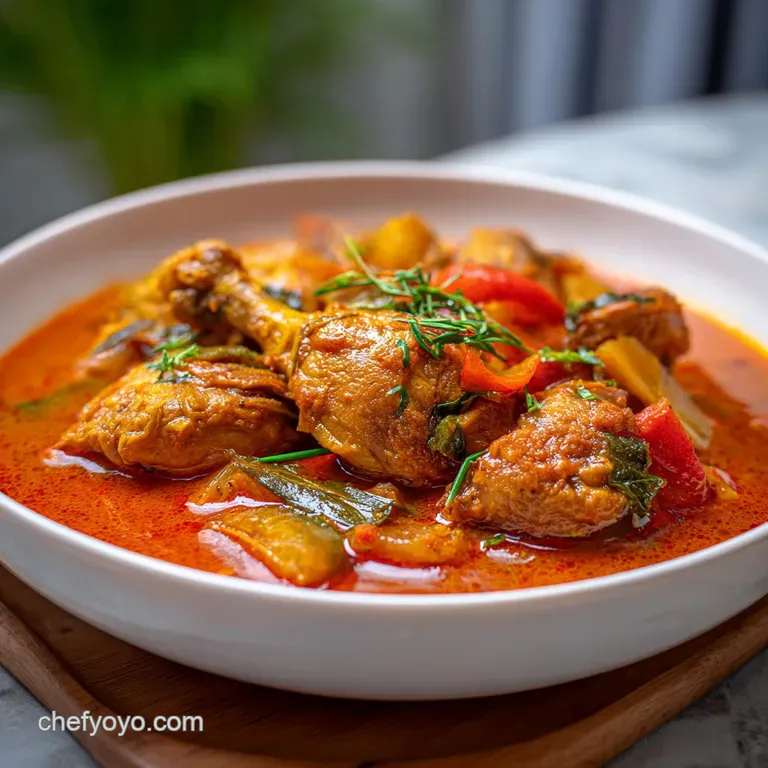
You don't need a professional kitchen, but a high speed blender is your best friend here. It needs to turn those tough bell peppers into a silky puree so the sauce doesn't feel grainy. A heavy bottomed pot, like a Dutch oven or a thick stainless steel pot, is also non negotiable.
Thin pots will scorch the tomato sugars before the water has a chance to evaporate.
Chef's Tip: Freeze your ginger for 10 minutes before grating. It prevents the ginger from turning into a stringy mess and allows you to grate it directly into the pot with a microplane.
Mastering the Sizzle step-by-step
- Blend the base. Combine the red bell peppers, plum tomatoes, scotch bonnets, and one red onion in a blender. Pulse until the mixture is a completely smooth, vibrant puree.
- Boil the puree. Pour the blended mix into a pot and boil over medium high heat for about 15-20 minutes. Note: This removes the bulk of the water so the frying stage goes faster.
- Prepare the chicken. Pat the chicken thighs dry and season with 1 tsp salt.
- Sear the protein. Heat the 1 cup vegetable oil in a large pot and brown the chicken on both sides until the skin is golden and crisp. Remove and set aside.
- Sauté aromatics. In the same oil, add the remaining chopped onion. Fry for 5 minutes until the edges turn a dark, caramelized brown.
- Add the "holy trinity". Stir in the minced garlic, grated ginger, curry powder, and thyme. Fry for 60 seconds until the aroma is punchy and fragrant.
- The big fry down. Carefully pour the boiled pepper puree into the hot oil. Stir frequently for 20-25 minutes until the sauce darkens and the oil floats to the top.
- Incorporate the liquids. Add the chicken stock and crumble in the 3 bouillon cubes. Add the bay leaves.
- The final simmer. Return the chicken to the pot. Cover and simmer on low for 25-30 minutes until the chicken is tender and the sauce is velvety.
- Taste and adjust. Check for salt and heat. If it’s too thick, add a splash more stock; if too thin, simmer uncovered for 5 more minutes.
Solving Common Stew and Sauce Issues
Why Your Stew Tastes Sour
This is the most common heartbreak. It usually happens when the peppers aren't fried long enough or if the tomatoes were particularly acidic. The "raw" taste of the peppers lingers if the water hasn't been fully cooked out.
| Problem | Root Cause | Solution |
|---|---|---|
| Sour/Acidic Taste | Under fried pepper base | Simmer for 10 more minutes with the lid off; add a pinch of sugar. |
| Thin, Watery Sauce | Too much stock or under boiled base | Remove chicken and boil the sauce on high to reduce by 20%. |
| Bitter Aftertaste | Burned spices or pepper seeds | Ensure you don't burn the garlic; remove bay leaves earlier. |
Why the Oil Won't Separate
If you’ve been stirring for 30 minutes and you don't see that beautiful shimmering oil on top, your heat might be too low. The separation requires a certain temperature to break the tomato water bond.
- ✓ Pat chicken completely dry before searing to prevent steaming the meat.
- ✓ Never skip the "boil down" step for the pepper mix; it saves 20 minutes of frying later.
- ✓ Use a splatter guard the pepper mix will pop and sizzle aggressively.
- ✓ Don't wash the pot after searing the chicken; those brown bits (fond) are pure flavor.
- ✓ Let the stew sit for 10 minutes after turning off the heat to allow the oil to rise.
Vibrant Twists for Your Dinner Table
If you want to change things up, this base is incredibly forgiving. You can turn this into a "Designer Stew" (Ayamase style) by using only green bell peppers and green chillies, though the flavor will be more earthy and less sweet. For a different type of citrusy chicken experience, you might want to look at my Chicken Francese With recipe which uses a completely different, lighter technique.
Fresh vs. Shortcut Comparison
| Feature | Fresh Blender Base | Canned/Pre made Shortcut |
|---|---|---|
| Flavor Profile | Bright, floral, and multi dimensional | One note and slightly metallic |
| Texture | Thick, pulpy, and rich | Smooth but often too thin |
| Time Investment | 1 hour 20 mins | 45 minutes |
- For a Smoky Party Style Flavor
- Roast the bell peppers and onions under a broiler until the skins char before blending.
- To Save 30 Minutes
- Use a high-quality pre blended tomato and pepper paste, but you must fry it in double the oil to kill the "canned" taste.
- Vegan Friendly Alternative
- Swap the chicken for fried chunks of firm tofu or boiled yam slices, and use vegetable bouillon.
Storing and Reheating Your Bold Stew
This stew is a meal prepper's dream. In the fridge, it stays vibrant and actually improves in flavor for up to 5 days as the spices meld with the chicken. When you're ready to eat, reheat it on the stovetop over low heat with a tiny splash of water to loosen the sauce.
Avoid the microwave if possible, as it can make the oil separate unpleasantly and toughen the chicken.
For long term storage, this freezes beautifully for up to 3 months. I suggest freezing it in individual portions. To reuse scraps, don't throw away the leftover oil or sauce at the bottom of the pot it is "liquid gold." Stir it into plain white rice or use it as a base for a quick shakshuka the next morning.
Street Food Pairings for Your Feast
To truly honor this nigerian chicken stew recipe, you need the right sidekick. White parboiled rice is the standard, acting as a blank canvas for that punchy red sauce. However, if you want a more "street food" vibe, serve it alongside fried plantains (dodo).
The sweetness of the caramelized plantain against the heat of the scotch bonnet is a match made in heaven.
If you are feeling adventurous, serve this with a side of Peruvian Green Sauce recipe to dip your chicken into. The creamy, herbal kick of the Aji Verde creates a fascinating fusion with the tomato heavy Nigerian base. Whether you choose rice, pounded yam, or even a piece of crusty bread, just make sure you have something to soak up every last drop of that vibrant red oil.
Chef's Tip: Add a splash of the oil from the stew to your rice water while it cooks. It gives the rice a subtle golden hue and a hint of the stew’s aroma before you even plate it.
Recipe FAQs
Can I use canned tomato paste instead of fresh tomatoes for a richer color?
Yes, use a concentrated paste, but boil it separately first. Tomato paste deepens flavor, but you must fry it in the oil after the peppers to cook out the raw, metallic tang before adding any liquid.
How to avoid the stew tasting sour after cooking?
Fry the pepper base for at least 20 minutes uncovered until the oil separates completely. This process evaporates water and concentrates the sugars, effectively neutralizing the harsh acidity of the tomatoes and peppers.
How to tell when the long oil-frying stage is complete?
Watch for the oil to rise and shimmer brightly on the surface of the reduced tomato solids. This chemical change signifies that the water has evaporated, and the flavor base is fully concentrated and ready for the stock.
Can I substitute Scotch Bonnets with Habaneros for the heat?
Yes, Habaneros are a close heat substitute for Scotch Bonnets in this stew. They offer a similar fruitiness and intense heat level, though Scotch Bonnets sometimes carry a slightly more floral top note.
How to ensure the chicken remains tender after the long simmer?
Sear the chicken thoroughly first, then ensure the final simmer is at the lowest possible heat for 30 minutes. Searing locks in moisture; cooking too high during the simmer will dry the meat before the sauce fully thickens.
Is it necessary to boil the blended pepper mix before frying in oil?
No, boiling is not strictly necessary, but it significantly cuts down your frying time. Boiling off the initial water mass first allows you to achieve that crucial oil break much faster.
What is the best way to reheat leftover Nigerian Chicken Stew?
Stovetop heating over low heat with a small splash of water is best for texture. Microwaving can sometimes cause the oils to separate unevenly; if you master the fat blending here, you’ll understand why temperature control matters in this sauce.
Nigerian Chicken Stew Recipe
Ingredients:
Instructions:
Nutrition Facts:
| Calories | 741 kcal |
|---|---|
| Protein | 44.6 g |
| Fat | 50.2 g |
| Carbs | 23.4 g |
| Fiber | 5.1 g |
| Sugar | 11.8 g |
| Sodium | 685 mg |
