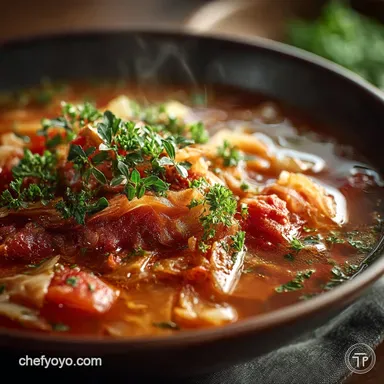
The Unrolled Rhapsody Hearty Cabbage Roll Soup a Golabki Classic
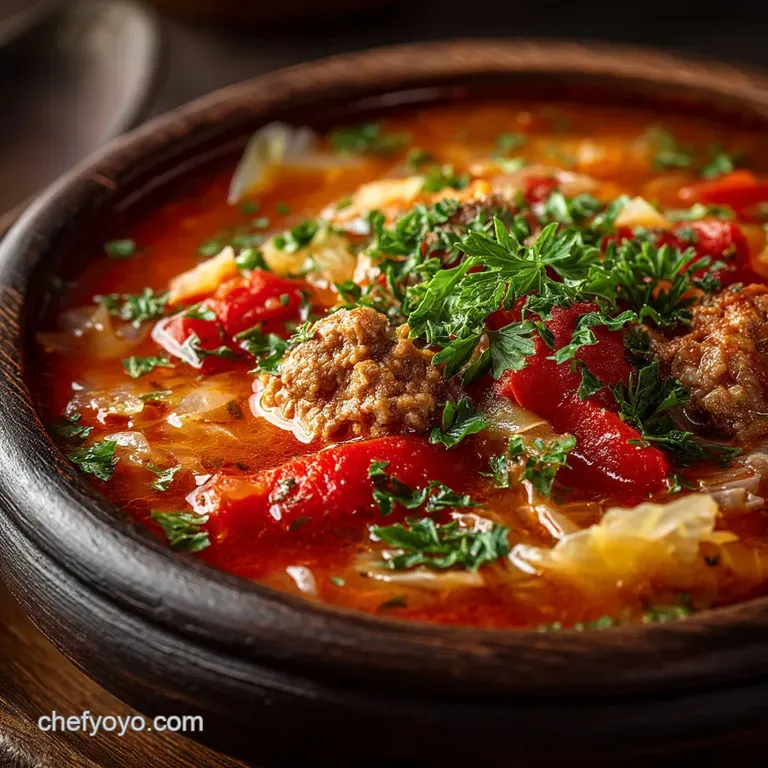
- Unlocking Authentic Golabki Flavor Without the Fold
- Why This Cabbage Roll Soup Is the Ultimate Comfort Meal
- Sourcing the Soulful Components for the Broth
- Building Depth: Aromatics and Acid in Cabbage Roll Soup
- The One-Pot Method: Combining Layers of Flavor
- Serving Your Rhapsody: Presentation and Garnishes
- Extending the Life and Flavor of Your Golabki Soup
- Customizing Your Cabbage Roll Soup Experience
- Recipe FAQs
- 📝 Recipe Card
Unlocking Authentic Golabki Flavor Without the Fold
For those who adore the deep, savory complexity of Eastern European stuffed cabbage rolls, known as Golabki in Poland or Holubtsi in Ukraine, but balk at the hour of meticulous rolling and folding, this deconstructed version is your culinary salvation.
We capture the entire profile of the traditional dish, the rich ground meat, the tender cabbage, and the distinctly sweet-and-sour tomato broth, in a streamlined, easy-to-manage One-pot Cabbage Roll Soup Recipe .
This method allows you to enjoy truly authentic flavor without the fuss, delivering a deeply satisfying, Hearty Cabbage Roll Soup that is ready for the table in just over an hour. It’s all the reward of the classic, with none of the fiddly preparation.
Why This Cabbage Roll Soup Is the Ultimate Comfort Meal
The beauty of transforming a stuffed dish into a soup lies in its efficiency and its ability to maximize flavor integration. Instead of serving segregated components, every bite of this glorious stew is infused with the complex taste balance that defines the original Golabki.
The Historical Roots of the Eastern European Classic
The concept of wrapping rice and meat within cabbage leaves is a staple across much of Eastern Europe, Scandinavia, and the Balkans. Historically, these dishes were born out of necessity, utilizing readily available, inexpensive ingredients like cabbage and grains to stretch small amounts of meat for large families.
The resulting flavor profile, often featuring tangy components like sour cream or vinegar, was designed to cut through the richness of the beef and pork mixture. Our Cabbage Roll Soup honors this tradition, making the historical, soul-warming essence accessible to the modern cook.
Why This 'Deconstructed' Cabbage Roll Soup Wins Dinner
The primary advantage of the soup format is, quite simply, time. While traditional Golabki requires blanching large outer leaves, cooling them, filling them, and then simmering them, our approach involves nothing more than quickly shredding a medium head of green cabbage.
This ease elevates the dish, making it a viable weeknight option. On top of that,, cooking the meat, rice, and cabbage directly in the seasoned broth ensures the flavors meld deeply during the essential 35-to-45-minute simmer, resulting in a more unified and intensely flavored dish than its labor-intensive counterpart.
Navigating the Sweet, Sour, and Savory Balance
The defining characteristic of authentic Cabbage Roll Soup is its delicate, multi-layered seasoning. This isn't just a tomato meat soup; it must achieve that signature Golabki tang.
We achieve this critical balance by utilizing two key additions at the very end of the cooking process: two tablespoons of Apple Cider Vinegar for acidity, and two tablespoons of brown sugar to soften the sharp edge of the tomatoes and vinegar.
These ingredients are non-negotiable for achieving that nostalgic, traditional flavor profile.
Tool Check: Essential Kitchen Gear for One-Pot Simplicity
Since this is a straightforward, single-pot operation, the equipment list is mercifully brief. You will absolutely need a large, heavy-bottomed Dutch Oven or a quality stock pot with a minimum capacity of six quarts. The heavy base helps prevent the rice from sticking and burning during the long simmer.
Beyond that, a sharp chef’s knife for prepping the approximately 900 grams of cabbage and aromatics, and a sturdy wooden spoon or heatproof spatula for browning the meat, are all you require.
Sourcing the Soulful Components for the Broth
The foundation of any great stew is the liquid base. For a rich, complex Cabbage Roll Soup Recipe , we rely on six cups of low-sodium beef broth combined with canned tomatoes. Using low-sodium broth gives you maximum control over the final seasoning.
Beyond the liquid, we introduce critical depth with one tablespoon of smoked paprika, preferably Hungarian style, and two bay leaves, both of which deepen the earthy, smoky notes inherent in traditional Eastern European cooking.
Building Depth: Aromatics and Acid in Cabbage Roll Soup
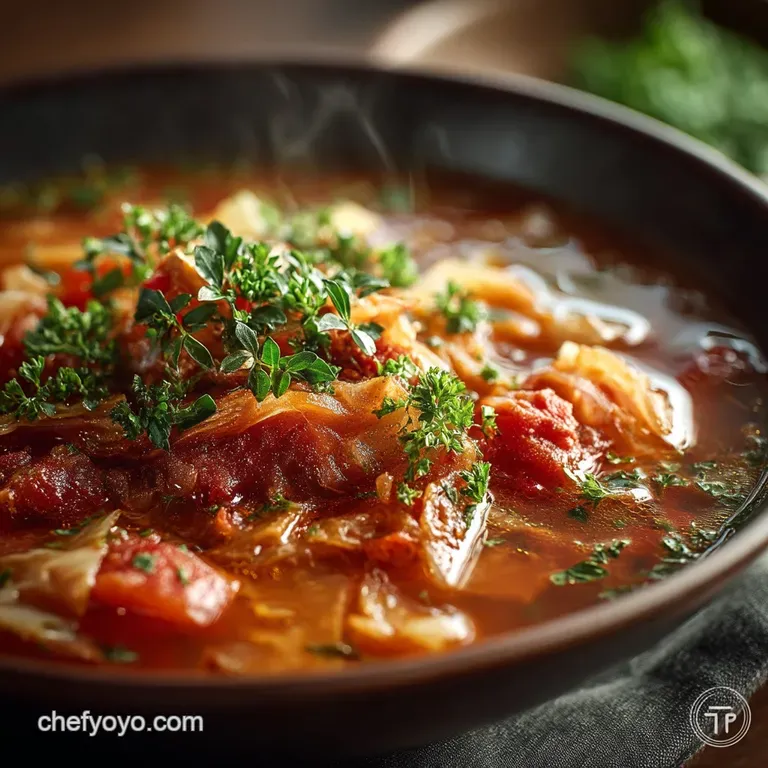
Layering flavors effectively is what separates a good soup from a truly exceptional one. We start by building a fond (the browned bits left on the bottom of the pot) and searing our flavor agents.
Selecting the Best Cut of Ground Meat (Beef vs. Pork Ratio)
To provide the richest flavor, I recommend using one pound of ground meat with an 80/20 fat content. While 100% ground beef works well, a blend incorporating pork adds an extra dimension of richness and moisture, mirroring the traditional fillings.
Before building the broth, this meat must be fully browned for 5–8 minutes with preliminary seasoning, and crucially, all excess fat must be carefully drained off to ensure a clean, non-greasy finish to the soup.
The Secret to Perfectly Tender Cabbage Leaves
We use one medium head of green cabbage, cored and sliced into thin ribbons. The key here is not to chop it too finely, as you want texture that stands up to the long simmer, yielding a substantial "bite" rather than disappearing into the broth.
Since the cabbage is added early in the process, it has plenty of time to fully wilt and soften, resulting in fall-apart tenderness akin to the steamed leaves of the wrapped version.
Mastering the Tomato Base: Paste vs. Crushed Options
We use two types of tomatoes for maximum flavor impact. First, a six-ounce can of tomato paste is added directly to the browned meat and toasted for 2–3 minutes along with the smoked paprika.
This step, which caramelizes the paste, is essential for unlocking the deepest, sweetest notes of the tomato. Then, one 28-ounce can of crushed or diced tomatoes (fire-roasted if available) provides the body and acidity for the main liquid component.
Preparing the Rice: Rinsing and Pre-Cooking Considerations
To maintain a clean broth and prevent the final dish from becoming overly starchy or gluey, it is vital to thoroughly rinse the half-cup of uncooked white rice (Basmati or long-grain) before adding it to the pot.
We use uncooked rice because it swells as it absorbs the seasoned broth during the long simmer, carrying flavor deep into the grain. We avoid pre-cooking the rice entirely, as this would result in a mushy texture and uneven cooking.
Related Recipes Worth Trying
- Cracking Good oven roasted Garlic Cabbage Steaks with Lemon Drizzle — Forget boiled cabbage These oven roasted Garlic Cabbage Steaks caramelise into nutty perfection They are healthy easy and a brilliant Keto Cabbage Steaks...
- Perfectly Rolled Chicken Cordon Bleu Crispy Cheesy — Stop ordering out Learn how to make foolproof crispy Chicken Cordon Bleu at home with this easy baked recipe Perfect for a weeknight dinner or party
- The Ultimate Quick Fix Silky Smooth 10Minute Egg Drop Soup — Ditch the takeaway Learn how to make authentic velvety Egg Drop Soup at home in under 15 minutes Get the foolproof technique for perfect ribbons
The One-Pot Method: Combining Layers of Flavor
This One-pot Cabbage Roll Soup Recipe is structured to build flavor from the ground up, ensuring every element is cooked perfectly. For those interested in adapting this for a different cooking vessel, remember that both the Cabbage Roll Soup Slow Cooker and Cabbage Roll Soup Instant Pot methods would require adjusting liquid levels and cook times, particularly since rice is included, but the fundamental layering process remains the same.
Serving Your Rhapsody: Presentation and Garnishes
The beauty of this dish is its rustic simplicity, yet a thoughtful presentation always elevates the meal. After the cook time is complete, the robust aroma and deep ruby-red color make this soup inherently appetizing.
Searing the Meat and Building the Aromatics Foundation
The cooking process starts by sautéing the finely chopped yellow onion and diced carrot (if using) in olive oil for 5–7 minutes until they are soft and translucent. Next, minced garlic is added for one minute.
The ground meat is then browned thoroughly, broken up with a spoon, seasoned, and the rendered fat is drained, a crucial step for achieving a high-quality broth. Finally, we stir in the tomato paste and paprika, toasting them for two minutes to maximize their depth before introducing the liquids.
The Crucial Simmer: Achieving Fall-Apart Tenderness
Once the beef broth, tomatoes, and bay leaves are added, the pot is brought to a boil. After mixing in the rinsed rice and the bulk of the shredded cabbage (which initially looks voluminous but shrinks quickly), the heat is reduced to low.
The pot is then covered partially, allowing the soup to simmer gently for the crucial 35–45 minutes. This extended simmer is what ensures the cabbage is velvety soft and the rice is perfectly cooked, absorbing the rich broth.
Integrating Rice and Final Seasoning Adjustments
During the simmer, it’s important to stir the soup occasionally, especially during the second half of the cooking time, to prevent the starchy rice from settling and sticking to the bottom of the Dutch oven. Once the cabbage is tender and the rice is fully cooked, the bay leaves are removed.
This is the moment to introduce the balancing agents: the apple cider vinegar and the brown sugar, which finalize the signature sweet-and-sour profile.
Rest Time: Allowing the Flavors to Fully Marry
While tempting to serve immediately, allowing the Hearty Cabbage Roll Soup to rest off the heat for 5–10 minutes allows the individual flavor compounds (especially the tang of the vinegar and the spice of the paprika) to fully integrate into the meat and rice.
This resting period significantly improves the overall taste complexity and ensures a more cohesive final dish.
Extending the Life and Flavor of Your Golabki Soup
One of the great advantages of preparing a soup like this is that it invariably tastes even better the next day. As the soup chills, the flavors deepen and the rice continues to absorb the liquid, thickening the stew further into a dense, satisfying meal.
Customizing Your Cabbage Roll Soup Experience
The versatility of this dish makes it easy to adapt to various dietary needs or preference changes, proving it is a truly flexible addition to your culinary repertoire.
Optimal Storage Practices and Reheating Tips
This soup stores beautifully in an airtight container in the refrigerator for up to four days. Be aware that the rice will continue to soak up the broth, potentially necessitating a splash of extra beef broth or water when reheating. To reheat, simply warm gently on the stovetop over low heat, stirring frequently.
Can I Freeze Cabbage Roll Soup? (And How to Thaw It)
Yes, Cabbage Roll Soup freezes exceptionally well, making it ideal for meal prep. The texture of the cabbage remains stable, and the broth holds its flavor. Simply cool the soup completely before transferring it to freezer-safe containers, leaving about one inch of headspace to allow for expansion.
It can be frozen for up to three months. To thaw, move it to the refrigerator overnight, then reheat slowly on the stove, again adding extra liquid as needed to achieve the desired consistency.
Delicious Variations: Low-Carb Swaps and Vegetarian Alternatives
For those following a low-carb diet, this dish is easily converted into a Cabbage Roll Soup Keto friendly meal by making one simple substitution: ditch the half-cup of white rice and replace it with two cups of riced cauliflower.
Add the cauliflower during the last 15 minutes of simmering. If you prefer a slow-cooked meal, this whole recipe translates perfectly into a Cabbage Soup Crockpot preparation; simply adjust the cooking time to 6–8 hours on low.
For an extra boost of authentic tartness, try swapping up to half of the fresh cabbage with well-drained sauerkraut, reducing the added vinegar slightly to account for the increased tang.
Decoding the Nutrition: Calorie and Protein Considerations
Based on eight generous servings, this Cabbage Roll Soup is remarkably nutrient-dense. Each serving typically falls in the range of 380–420 calories, providing a significant 25–30 grams of protein, thanks to the robust meat content. It also offers 5–7 grams of fiber per bowl.
To manage sodium intake effectively, which is often a concern with canned goods and broth, always opt for low-sodium broth and adjust the final salt seasoning only after tasting. This makes the Cabbage Roll Soup Healthy and satisfying without compromising flavor.
Recipe FAQs
This recipe makes a massive batch, can I freeze this glorious Cabbage Roll Soup for a rainy day?
Absolutely! This soup is brilliant for freezing, making it proper comfort food for a moment's notice. Cool it completely before transferring it to airtight containers, ensuring you leave about an inch of headspace, as the liquid will expand.
It will keep happily in the freezer for up to three months; thaw overnight in the fridge and reheat gently on the hob.
The recipe calls for vinegar and sugar, which sounds a bit bonkers. Is that really necessary for authentic flavour?
Ah, the sweet and sour profile is the secret sauce, it’s what separates this from a bog-standard tomato stew! Traditional Golabki relies heavily on that apple cider vinegar and brown sugar to cut through the richness of the meat and balance the intense acidity of the tomatoes.
You can adjust the amounts to your personal palate, but skipping it entirely means you miss the defining, authentic Eastern European taste. Give it a whirl!
My Cabbage Roll Soup is getting a bit gloopy! Did I use the wrong rice, or what’s the deal?
It sounds like the starch police paid a visit! If you didn't rinse your rice thoroughly beforehand, it can release excess starch and thicken the broth into a bit of a stodge. If you find it’s too thick after cooking, don't fret; simply top it up with a splash more broth or water until it reaches your preferred consistency.
Next time, give that rice a good wash until the water runs clear!
I’m trying to cut back on carbs; how do I make this Hearty Cabbage Roll Soup Keto-friendly?
You’re in luck! The easiest swap for a low-carb version is ditching the white rice completely and replacing it with riced cauliflower. Add the riced cauliflower toward the end of the cooking time (the last 10-15 minutes), as it cooks much faster than traditional rice and you don't want it turning to mush.
This keeps the texture right while significantly lowering the carb count, job done!
I prefer a leaner soup; can I use different meat or skip the ground beef altogether?
Absolutely! For a leaner soup, swap the beef for ground turkey or chicken; just be mindful that these require less cooking time and benefit from a little extra seasoning to boost flavour. If you're going fully veggie, swap the meat for lentils (green or brown) and use vegetable broth instead of beef broth.
You'll still get a wonderfully satisfying soup.
Traditional Cabbage Roll Soup Recipe Golabki No Rolling Needed