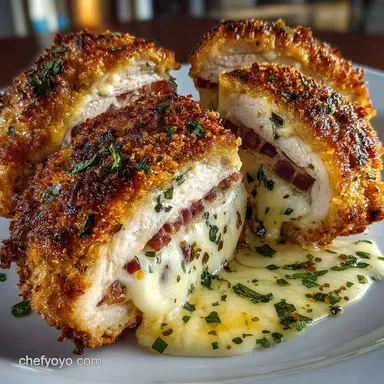
Perfectly Rolled Chicken Cordon Bleu Crispy Cheesy and Worth Every Crumb
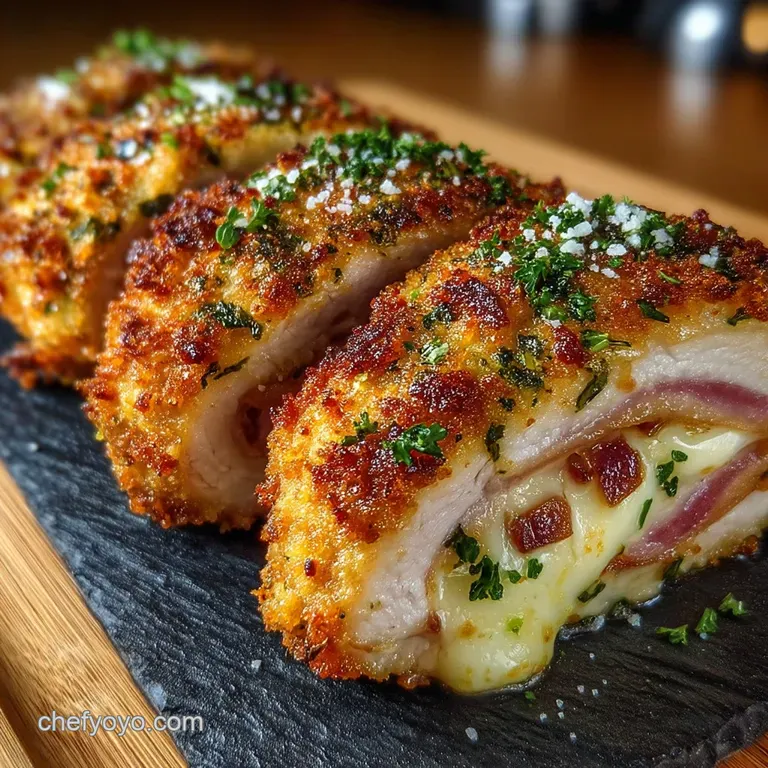
- Elevating the Weeknight Meal: Why This Chicken Cordon Bleu Wins Every Time
- Demystifying the Restaurant Classic: Simplicity Meets Sophistication
- Curating Your Premium Components for Maximum Flavor
- Essential Tools for Perfect Rolling and Pounding
- The Art of Pounding: Creating the Ideal Canvas for Filling
- Assembly Mastery: Rolling Your Chicken Cordon Bleu Securely
- Baking vs. Frying: Achieving That Perfect Golden Finish
- Troubleshooting Common Cordon Bleu Mishaps
- Beyond the Plate: Serving Suggestions and Storage
- Recipe FAQs
- 📝 Recipe Card
Elevating the Weeknight Meal: Why This Chicken Cordon Bleu Wins Every Time
There are certain dishes that instantly signal a special occasion, the kind of meal you reserve for anniversary dinners or when you simply need a major culinary win. Chicken Cordon Bleu is undeniably one of them.
Its reputation precedes it: a perfectly rolled, golden-crusted pocket filled with salty ham and gooey, melted cheese chicken is pure comfort wrapped in elegance. However, the magic of this recipe lies in its accessibility.
While it looks complex, mastering this classic dish is far simpler than you might imagine, making it an incredible addition to your rotation of Weeknight Dinner Recipes . Forget the frozen varieties; we are going to craft something truly spectacular right in your own kitchen.
Demystifying the Restaurant Classic: Simplicity Meets Sophistication
The beauty of true Chicken Cordon Bleu stems from the marriage of simple, high-quality components: tender chicken, savory cured meat, and sharp, creamy cheese. The challenge, traditionally, has been managing the structural integrity of the roll during cooking.
Our approach focuses on technique, proper pounding and diligent breading, to ensure you achieve that coveted, shatteringly Crispy Chicken Cordon Bleu exterior while keeping the interior impossibly juicy.
The Secret to Golden, Non-Soggy Breading
A soggy crust is the nemesis of any great breaded cutlet. Our secret weapon here is the move away from traditional deep-frying towards a carefully executed bake, aided by two key factors: Panko breadcrumbs and a touch of fat.
Panko, the Japanese style of flaky breadcrumb, absorbs less oil and air-fries beautifully in the oven, creating an unparalleled crunch. On top of that,, we forgo heavy batter for a clean triple-dredge, which locks in moisture and builds structure.
What Makes This Cordon Bleu Recipe Truly 'Easy'
The perceived difficulty of this Chicken Cordon Bleu Recipe often comes from fear of the roll collapsing. We counteract this by insisting on thin, evenly pounded cutlets and using a systematic rolling method where the sides are tucked inward before the final spiral begins.
This meticulous assembly prevents the delicious filling from escaping during cooking, turning what could be a messy failure into a guaranteed success.
Setting Expectations: A Truly Show-Stopping Dinner
While this recipe requires about 30 minutes of focused prep time, the results justify every moment. This is not just an elevated family meal; it’s the Dinner Party Chicken you’ll be asked to make again and again.
Whether you are aiming for a light lunch version, perhaps as a Chicken Cordon Bleu Sandwich the next day, or serving the full plated version, the rich satisfaction of perfectly Melted Cheese Chicken inside a crisp shell is unmatched.
Curating Your Premium Components for Maximum Flavor
To achieve excellence, you must begin with superior ingredients. Since the flavor profile relies heavily on just three core components, chicken, ham, and cheese, quality cannot be overlooked. For a perfect yield of four servings, you will need four substantial, boneless, skinless chicken breasts.
These must be prepared to be thin and pliable.
Selecting the Right Ham and Swiss Cheese Selection
When selecting your ham, aim for something thinly sliced, such as good quality deli-sliced Black Forest or smoked ham. You need enough surface area to cover the cheese and chicken entirely.
For the cheese, Swiss is traditional for its excellent melting properties and nutty flavor, though Gruyère provides a richer, more assertive taste profile. We recommend using two thin slices of each ingredient per roll to create a protective barrier around the meat.
Breadcrumb Preparation: Achieving Peak Crunch Factor
We elevate the standard breading by integrating flavor directly into the coating. Instead of plain Panko, we mix the 1 1/2 cups of Panko breadcrumbs with 1/4 cup of finely grated Parmesan cheese and 1 tablespoon of fresh, finely chopped parsley .
This addition yields a savory, herbaceous crust that toasts beautifully in the oven.
The Triple-Dredge Technique: Ingredients Checklist
The integrity of the crust depends on the proper three-step coating process. You will need three shallow dishes: one containing 1/2 cup of all-purpose flour seasoned lightly with salt and pepper; the second containing two lightly whisked large eggs (the binder); and the third containing your Panko-Parmesan mixture.
Ensure you have plenty of Kosher salt and freshly ground black pepper on hand for seasoning the chicken itself.
Essential Tools for Perfect Rolling and Pounding
Before you begin construction, gather your specialized gear. The most crucial tool for achieving the necessary thinness is a meat mallet, or if you don't have one, the flat side of a heavy rolling pin works admirably.
You will also need plastic wrap or wax paper to protect the chicken while pounding, and parchment paper to line your baking sheet to prevent sticking.
Related Recipes Worth Trying
- Proper British Comfort Easy Fluffy Chicken and Dumplings — Forget the tin This Chicken and Dumplings recipe features tender chicken in a savoury broth crowned with cloudlike homemade dumplings Easy to master
- Easy Chicken Piccata Recipe The Zesty 30Minute Dinner — Master this Classic Chicken Piccata with a bright buttery lemon sauce in under 30 minutes Perfect for your next Weeknight Chicken Dinner
- The Best Crispy Air Fryer Chicken Parmesan Recipe — Ditch the deep fryer This 30minute Air Fryer Chicken Parmesan recipe delivers ultimate crunch without the oil A guaranteed weeknight hero
The Art of Pounding: Creating the Ideal Canvas for Filling
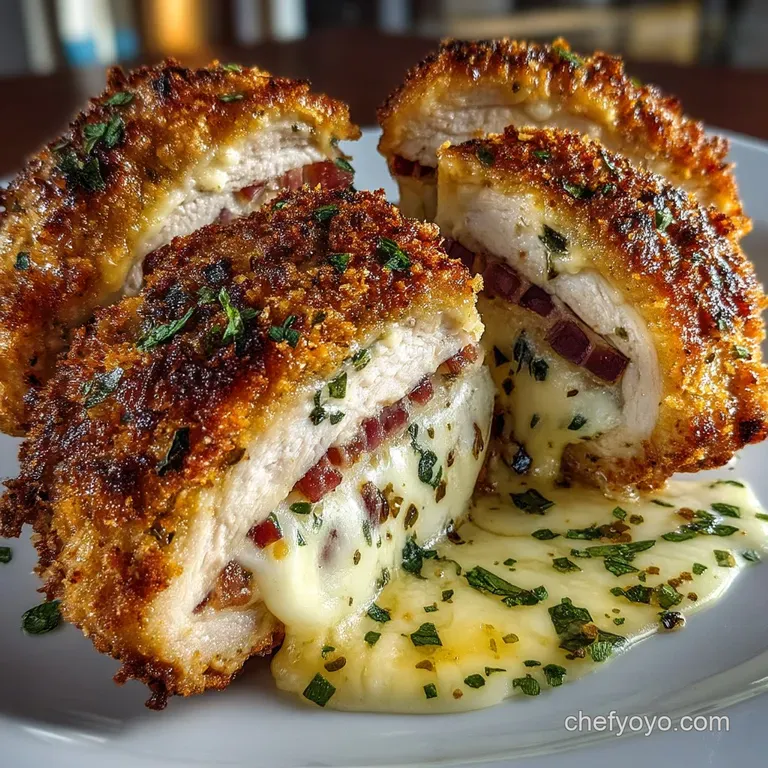
This step is non-negotiable for success. Take each chicken cutlet and place it between two sheets of plastic wrap. Beginning from the center and working outward, use the flat side of your mallet to gently, but firmly, pound the meat until it reaches a uniform thickness of approximately 1/4 inch.
Even thickness is critical; thick spots will remain raw while thin spots dry out. Once pounded, season both sides of the cutlets generously with salt and pepper.
Assembly Mastery: Rolling Your Chicken Cordon Bleu Securely
Once your chicken canvases are ready, lay them flat. On the surface of one cutlet, place your filling: one slice of ham, followed by one slice of Swiss cheese, then another slice of ham, topped with the second slice of cheese. Ensure the filling is centered and doesn't extend too close to the edges.
The trick to a tight roll is to begin at one short end, tucking the sides inward like you would fold a burrito, and then roll the entire piece tightly towards you. Use one or two toothpicks skewered through the seam to temporarily hold the shape before breading.
Baking vs. Frying: Achieving That Perfect Golden Finish
While a deep-fried version offers immediate gratification, baking provides a healthier, less stressful route to a Crispy Chicken Cordon Bleu . If you have an Chicken Cordon Bleu Air Fryer , that is another excellent, fast option, but our focus here is on achieving that golden hue in the conventional oven.
Step-by-step: Ensuring Uniform Thickness Before Filling
As detailed above, meticulous pounding ensures uniform cooking. There should be no excessively thick areas in the cutlet; the goal is a thin, elastic sheet of protein ready to encase its rich core.
Tuck, Roll, and Secure: Preventing Leaks Mid-Cook
The tucking technique during the rolling process is what prevents the cheese from melting out prematurely. If you notice a gap between the layers, use a toothpick to gently secure the roll, but remember to remove these before serving!
Temperature Checks for Juicy, Fully Cooked Breast Meat
Preheat your oven to 400° F ( 200° C). Before baking, lightly drizzle the coated rolls with about 2 tablespoons of olive oil . This fat helps the Panko brown beautifully. Bake for 25 to 30 minutes.
The most crucial check for safety and texture is internal temperature. Use an instant-read thermometer; the chicken is done only when it registers 165° F ( 74° C) at the thickest part of the roll.
The Post-Bake Rest: Why It Matters for Juiciness
Once removed from the oven, allow the Chicken Cordon Bleu rolls to rest on a cutting board for five minutes before slicing or removing the toothpicks. This brief resting period allows the meat fibers to relax and redistribute the juices, guaranteeing that every bite remains moist and tender.
Troubleshooting Common Cordon Bleu Mishaps
Even experts face challenges, but knowing how to adapt is key to culinary confidence.
Fixing Tears and Preventing Cheese Blowouts
If you notice a small tear during the rolling phase, don't panic. Before dredging, you can mend small holes by pressing a small piece of excess, pounded chicken breast over the gap, or simply use a damp fingertip to press the breadcrumbs firmly into the opening during the coating process.
During baking, if you see a slight ooze, simply spoon a little of the excess Panko mixture onto the area to create a temporary seal.
Variations: Exploring Alternative Cheeses and Herbs
While Swiss reigns supreme, feel free to experiment. Provolone offers a sharper bite, while smoked Gouda introduces a lovely depth. You can also infuse the breading with different seasonings, smoked paprika or a dash of garlic powder transforms the flavor profile instantly.
If you’re looking for a unique alternative, consider the Chicken Cordon Bleu Casserole adaptation, where rolls are baked over a creamy sauce base.
Make-ahead Instructions for Busy Cooks
These rolls are excellent candidates for advance preparation. Complete steps 1 through 6 (pounding, filling, rolling, and breading). Place the breaded rolls on a parchment-lined tray and freeze them until solid. Transfer to a freezer bag.
When ready to cook, bake them directly from frozen, adding about 10- 15 minutes to the baking time, ensuring they reach that 165° F internal temperature.
Nutritional Snapshot of This Rich Dinner
This version of Chicken Cordon Bleu focuses on baking to manage fat, resulting in a dish that provides substantial protein. While it remains a richer option due to the ham and cheese, balancing it with light sides, as suggested below, makes it fit beautifully into a balanced diet.
Beyond the Plate: Serving Suggestions and Storage
A dish this iconic deserves thoughtful accompaniments. The richness of the ham and Melted Cheese Chicken demands something bright to cut through the fat.
- Sauce Companion: A light, zesty Dijon cream sauce complements the Swiss beautifully. A squeeze of fresh lemon juice over the final plated dish also works wonders.
- Starchy Side: Creamy mashed potatoes absorb any flavorful drippings perfectly, though for a lighter fare, consider roasted sweet potatoes.
- Greenery: A sharply dressed salad, perhaps involving arugula tossed with a red wine vinaigrette, provides the necessary acidity to refresh the palate between bites of this hearty classic.
Recipe FAQs
My Chicken Cordon Bleu keeps unrolling while baking! What am I doing wrong?
Ah, the dreaded Cordon Bleu unraveling! This usually happens if the chicken wasn't pounded thin enough or if you didn't roll it tightly enough from the start. Make sure you tuck in the sides as you roll, like wrapping a snug parcel, and use a couple of sturdy toothpicks to secure the seam before breading.
Can I make this Chicken Cordon Bleu ahead of time? How should I store the leftovers?
You can certainly prep them ahead! Roll and bread the chicken completely, then place them on a tray in the fridge for up to 24 hours; just don't let them sit too long, or the breading might get soggy.
For leftovers, they are best reheated in an oven or air fryer until crisp again, rather than microwaving, which tends to make them chewy.
I’m worried about the cheese oozing out. Is there a trick to stop that when I bake my Chicken Cordon Bleu?
That cheesy lava flow is tricky, but doable! Make sure you are using slightly less filling than you think you need, and always layer the ham on top of the cheese to act as a protective barrier.
Also, baking on a wire rack set over a baking sheet helps the heat circulate evenly, preventing the bottom from getting scorched while the centre melts too aggressively.
Is it better to pan-fry or bake Chicken Cordon Bleu? Which gives the best crunch?
For the crispiest result with less oil, baking, especially with a good drizzle of olive oil on the panko crust, is fantastic. However, if you fancy that classic, deep golden colour, shallow pan-frying for just 2-3 minutes per side before finishing it in the oven ensures a shatteringly crisp exterior all around.
What can I substitute for Swiss cheese if I can't get hold of any, or someone has a dairy preference?
If you’re after that classic nutty flavour, Gruyère is an excellent swap, as it’s very similar in profile. For a milder melt, Provolone works a treat, and for a slightly tangier bite, even thinly sliced Mozzarella works, though you might want to reduce the ham slightly to balance the flavour profile.
Perfectly Rolled Chicken Cordon Bleu Crispy Cheesy