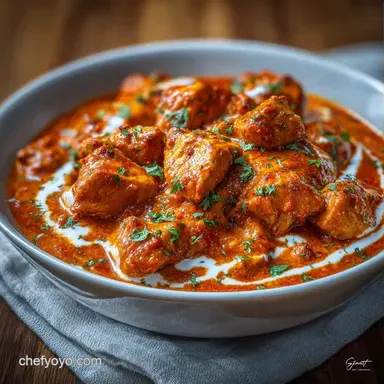
Chicken Tikka Masala: Authentic and Creamy
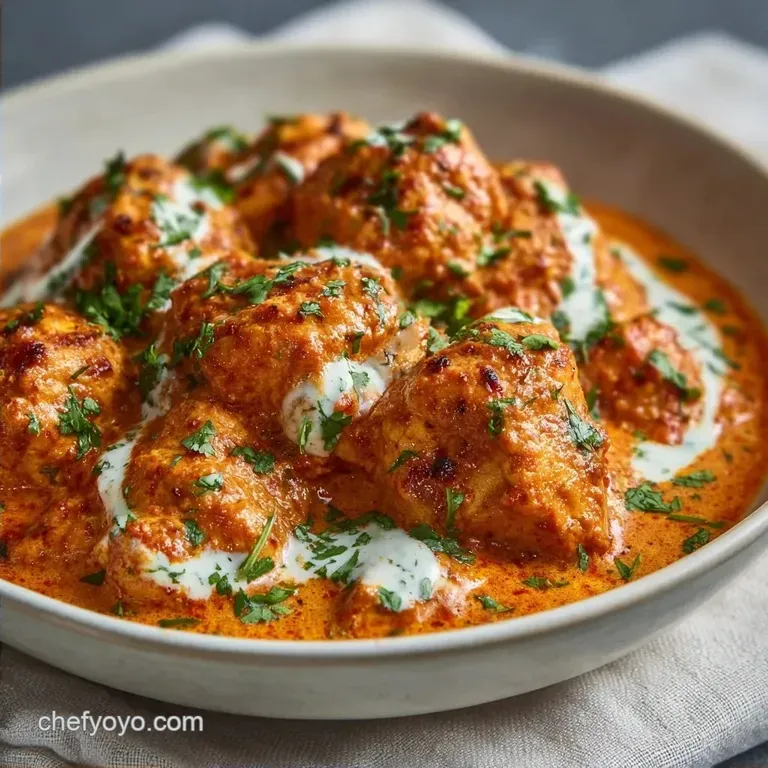
- Time: 20 min prep + 30 min cook + 2 hr chilling
- Flavor/Texture Hook: Charred, smoky chicken in a smooth, tangy sauce
- Perfect for: A cozy date night or high impact meal prep
- Chicken Tikka Masala: Quick Home Version
- Why These Techniques Work
- What Each Ingredient Does
- Ingredients and Easy Swaps
- The Essential Kitchen Tools
- The Cooking Process
- Fixing Common Sauce Issues
- Troubleshooting Common Issues
- Creative Flavor Twists
- Adjusting the Portion Size
- Common Cooking Myths
- Storage and Leftover Tips
- Best Ways to Serve
- Recipe FAQs
- 📝 Recipe Card
That first hit of garlic and ginger hitting hot ghee is where the magic starts. You can smell the spices waking up in the pan, filling the whole kitchen with that warm, earthy scent that makes you want to skip the table and eat straight from the skillet. It's one of those smells that feels like a hug.
I used to try making this with chicken breasts because I thought it was "healthier." All I got was rubbery meat that tasted like nothing. Switching to boneless thighs changed everything. They stay juicy even after the sear and the simmer, which is the only way to actually do this recipe justice.
You can expect a dish that hits every taste bud. It's tangy from the yogurt, spicy from the cayenne, and rich from the butter and cream. Chicken Tikka Masala isn't just a meal, it's a mood.
Chicken Tikka Masala: Quick Home Version
Right then, let's get into how this actually comes together. The goal here is to mimic the smoky, charred flavor of a clay oven using a standard skillet. By searing the meat in batches, we get those mahogany edges that add a huge amount of depth to the final sauce.
If you're in a rush, you can skip the long marinade, but you'll lose that tenderness. I've tried it, and while it's "fine," it's not the same. The yogurt does a lot of heavy lifting here, breaking down the proteins so the chicken practically melts.
But what about the sauce? We're building layers. First the aromatics, then the tomato base, and finally the cream. If you want something slightly different but equally rich, you might enjoy my Butter Chicken recipe which leans more into the buttery side than the spicy side.
Why These Techniques Work
Lactic Acid: The yogurt marinade uses lactic acid to gently break down muscle fibers, making the meat tender without making it mushy.
High Heat Searing: Searing at medium high heat creates browned edges that add a smoky complexity, mimicking a traditional tandoor.
| Method | Time | Texture | Best For |
|---|---|---|---|
| Classic Tandoor | 3+ hours | Extra charred | Special occasions |
| Skillet Version | 2h 50m | Tender and juicy | Weeknight dinner |
| Instant Pot | 1 hour | Very soft | Maximum speed |
What Each Ingredient Does
| Ingredient | What It Does | Best Swap |
|---|---|---|
| Greek Yogurt | Tenderizes and adds tang | Plain whole milk yogurt |
| Ghee | High smoke point for searing | Neutral oil or butter |
| Heavy Cream | Balances heat and adds body | Full fat coconut milk |
| Chicken Thighs | Provides fat and moisture | Chicken breast (cut larger) |
Ingredients and Easy Swaps
- 1 tbsp lemon juice (Swap
- Lime juice)
- 1 tbsp minced garlic (Swap
- Garlic paste)
- 1 tbsp grated fresh ginger (Swap
- Ginger paste)
- 1 tsp garam masala (Swap
- A mix of cinnamon, cloves, and cumin)
- 1 tsp turmeric powder (Swap
- None, keep for color)
- 1/2 tsp cayenne pepper (Swap
- Paprika for less heat)
- 1 tsp salt (Swap
- Kosher salt)
- 2 tbsp ghee or neutral oil (Swap
- Unsalted butter)
- 1 large onion, finely diced (Swap
- Shallots)
- 1 tbsp minced garlic (Swap
- Garlic paste)
- 1 tbsp grated fresh ginger (Swap
- Ginger paste)
- 1 tbsp sugar or honey (Swap
- Maple syrup)
- 1 tsp ground coriander (Swap
- Ground cumin)
- 1 tsp ground cumin (Swap
- Ground coriander)
- 1 tsp paprika (Swap
- Smoked paprika for more char)
- 1/2 tsp salt (Swap
- Sea salt)
- 1/2 cup heavy cream (Swap
- Coconut cream)
- 1 tbsp butter, cold (Swap
- Cold ghee)
The Essential Kitchen Tools
You don't need a professional kitchen for this, but a few things make it easier. A large stainless steel or cast iron skillet is a must. Non stick is okay, but you won't get that same deep brown crust on the chicken.
I also recommend a whisk for the marinade to ensure there are no clumps of spices. A sharp chef's knife is important for getting those chicken pieces to a uniform 1 inch size, so they all cook at the same rate.
The Cooking Process
- Whisk yogurt, lemon juice, garlic, ginger, and spices in a bowl. Toss in chicken thigh pieces until fully coated. Note: Cover and chill for at least 2 hours to tenderize.
- Heat 1 tbsp ghee in a skillet over medium high. Sear chicken in batches for 3-4 mins per side until mahogany colored charred edges appear. Remove and set aside.
- Use the same skillet to sauté diced onion until translucent and soft.
- Add garlic and ginger, cooking for 1 minute until the aroma is fragrant.
- Stir in tomato sauce, sugar, coriander, cumin, and paprika. Simmer for a few minutes until the sauce darkens slightly.
- Stir in heavy cream and cold butter until the sauce is smooth and velvety.
- Return seared chicken to the pan.
- Simmer over medium low heat until chicken is cooked through and sauce thickens.
Fixing Common Sauce Issues
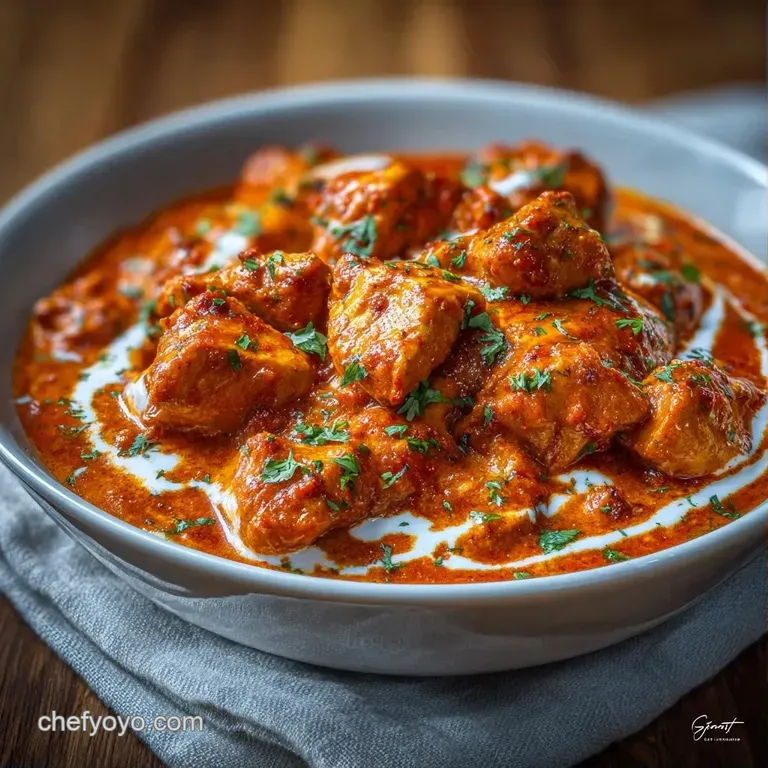
If you've never made this before, a few things might go sideways. Most of the time, it's just a temperature issue or a ratio problem.
Troubleshooting Common Issues
| Issue | Solution |
|---|---|
| Why Your Sauce Separates | This usually happens if the heat is too high when you add the cream. The fats break away from the solids. You can fix this by whisking in a teaspoon of water or cornstarch slurry over low heat. |
| Why the Chicken is Tough | This is almost always because the chicken was crowded in the pan during the sear. If there's too much meat, it steams instead of browning. Always work in batches. |
| The Sauce is Too Spicy | If the cayenne hit too hard, don't add water. Add a bit more Greek yogurt or a splash of extra cream. The fat neutralizes the capsaicin. |
Creative Flavor Twists
If you want to move away from the standard version, try adding a handful of fresh spinach at the very end. It wilts in about 60 seconds and adds a nice pop of color. Some people like to add a pinch of dried fenugreek leaves (Kasuri Methi) for that restaurant style aroma.
For a different protein, you can use shrimp. Just skip the long marinade and sear them for only 2 mins per side before adding them to the finished sauce. If you're feeling adventurous, try adding a teaspoon of cocoa powder to the sauce.
It doesn't taste like chocolate, but it deepens the color and adds an earthy base.
If you're serving this to a crowd, a side of Mango Lassi is the best way to balance the spices. The sweetness of the mango cuts right through the heat of the Tikka Masala.
Adjusting the Portion Size
Cutting the Recipe in Half Use a smaller 10 inch skillet. Reduce the simmering time by about 20% since the liquid will evaporate faster in a smaller volume. If the recipe calls for 1 egg in a similar binder, beat it first and use half.
Doubling or Tripling Don't just double the salt and cayenne. Start with 1.5x the spices and taste as you go. Liquids should be reduced by about 10% because larger pots often retain more moisture. Most importantly, sear the chicken in 4-5 batches. If you crowd the pan, you'll lose the char.
Common Cooking Myths
"Searing seals in the juices" This is a total myth. Searing doesn't create a waterproof seal on the meat. It creates flavor through browning. The juiciness comes from using thighs and not overcooking them.
"You must use a Tandoor for authenticity" While a clay oven is great, the flavor comes from the marinade and the char. A hot skillet or a broiler can get you 90% of the way there.
Storage and Leftover Tips
Fridge and Freezer Store leftovers in an airtight container in the fridge for up to 4 days. This Chicken Tikka Masala actually tastes better on day two because the spices have more time to meld. For the freezer, it stays good for 3 months. Freeze it in portions with some cooked rice for an easy meal.
Reheating Avoid the microwave if you can. Heat it in a small pot over medium low heat. Add a splash of water or a knob of butter to loosen the sauce, as the cream tends to thicken in the fridge.
Zero Waste Don't toss the leftover marinade if you didn't use it all on the chicken. You can brush it onto roasted cauliflower or potatoes before popping them in the oven. If you have leftover onion stems, toss them into a veggie scrap bag in the freezer for your next stock.
Best Ways to Serve
The classic pairing is basmati rice, but garlic naan is where it's at. I love using the bread to scoop up the extra sauce. If you want something lighter, try serving the chicken over steamed cauliflower or sautéed spinach.
For a full spread, add some pickled red onions on top. The acidity of the vinegar cuts through the richness of the cream and butter. It adds a bright, crisp contrast to the deep, savory notes of the Chicken Tikka Masala.
Recipe FAQs
Can you use chicken thighs in tikka masala?
Yes, they are the ideal choice. Thighs remain juicy and tender throughout the searing and simmering process compared to leaner cuts.
What kind of chicken is best for tikka masala?
Boneless, skinless chicken thighs. Using thighs prevents the meat from drying out and ensures a velvety texture that complements the cream sauce.
How to marinate chicken thighs for chicken tikka masala?
Whisk together Greek yogurt, lemon juice, garlic, ginger, and spices in a large bowl. Toss in the chicken pieces until fully coated and refrigerate for at least 2 hours.
What are some common mistakes to avoid when making chicken tikka masala?
Avoid overcrowding the skillet during the searing stage. Working in batches ensures the chicken develops mahogany-colored charred edges instead of steaming in its own juices.
Is it true that adding water is the best way to fix a sauce that is too spicy?
No, this is a common misconception. Add a bit more Greek yogurt to mellow the heat without compromising the thickness of the sauce.
How to fix sauce that has separated?
Whisk in a teaspoon of water over low heat. This typically occurs if the heat is too high when adding the heavy cream, causing the fats to break away.
What is the best way to reheat leftovers?
Heat in a small pot over medium-low heat. Add a splash of water or cold butter to loosen the thickened sauce, and serve it alongside soft homemade rolls to soak up the gravy.
Chicken Tikka Masala for 4 Servings