Shrimp Fettuccine Alfredo: Silky One Pan
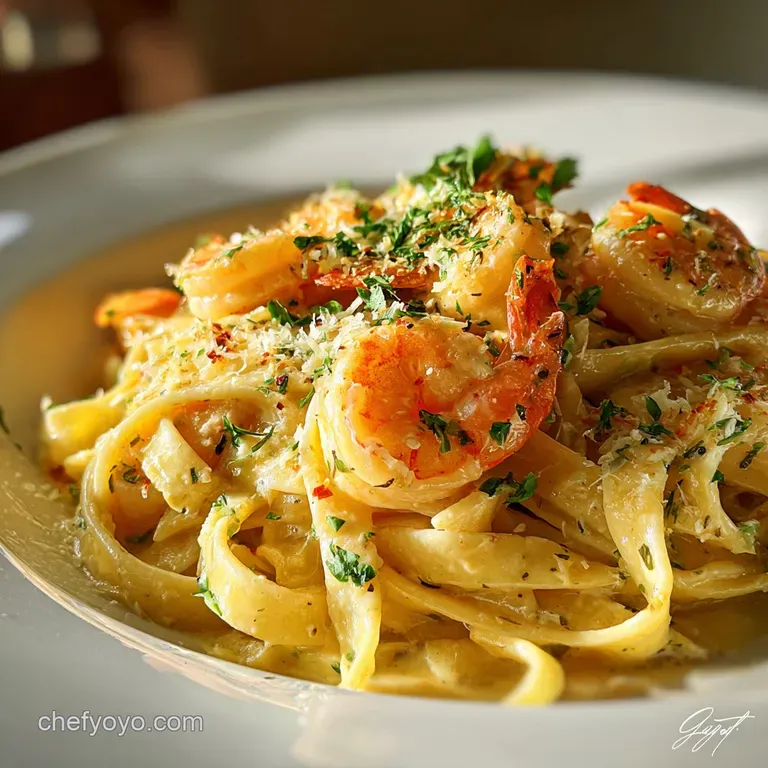
- Time: Active 10 minutes, Passive 20 minutes, Total 30 minutes
- Flavor/Texture Hook: Silky, garlic infused cream with a buttery, sea salted snap from the shrimp
- Perfect for: A weeknight date night or a high end dinner that requires zero cleanup
- Creating a Creamy Classic Shrimp Fettuccine Alfredo at Home
- Mastering the Essential One Pan Cooking Techniques
- The Science Behind a Silky Pasta Sauce
- Selecting the Best Components for Your Pasta
- Essential Tools for This Quick Seafood Dinner
- Step by Step Guide for Perfect Pasta
- Fixing Common Errors for Professional Results
- Flexible Swaps for Different Dietary Needs
- Myths About Creamy Pasta
- Keeping Your Leftovers Fresh and Creamy
- Presentation Ideas for Your Seafood Masterpiece
- Recipe FAQs
- 📝 Recipe Card
Creating a Creamy Classic Shrimp Fettuccine Alfredo at Home
I still remember the first time I tried to make a "fancy" pasta dinner for my roommates in college. I bought the pre shredded cheese in the green shaker bottle and a jar of white sauce that smelled more like preservatives than actual dairy. The result was a clumpy, salty mess that stuck to the roof of our mouths.
It was a disaster, but it started my obsession with figuring out how to get that restaurant quality silkiness without the restaurant price tag.
The real magic happens the moment those shrimp hit the hot oil. There is this specific sizzle, followed by that unmistakable aroma of smoked paprika and garlic, that just fills the kitchen and makes everyone wander in asking, "When is dinner?" This recipe isn't about standing over a pot of boiling water and a separate skillet; it is about harmony.
We are going to build layers of flavor in one single pan, making sure every strand of pasta is coated in a rich, buttery emulsion.
You are going to love how the heavy cream reduces down with the chicken broth, creating a sauce that is thick enough to cling to the noodles but light enough that you will actually want seconds. We are skipping the heavy flour thickeners and letting the natural starches do the heavy lifting.
This is the version I make when I want to feel like a pro chef but only have 30 minutes to pull it all together.
Mastering the Essential One Pan Cooking Techniques
Understanding the "how" is what separates a soggy pasta from a spectacular one. In this recipe, we are using a few clever tricks to ensure the shrimp stay bouncy and the sauce stays smooth.
- Starch Controlled Emulsification: By cooking the pasta directly in the liquid, we retain the starches that usually get dumped down the drain. This starch acts as a natural bridge between the fats in the cream and the liquids, creating a stable, velvety sauce that won't "break" or become oily.
- The Carryover Cooking Principle: We sear the shrimp first and remove them while they are still slightly translucent in the center. They finish cooking in the residual heat of the resting bowl and the final toss, ensuring they never turn into rubbery little pucks.
- Thermal Protein Control: Heavy cream is much more stable at high temperatures than milk or half and half. The high fat content prevents the proteins from curdling when they meet the acidic lemon juice and the heat of the pan.
Cook Method Comparison
| Method | Time | Texture | Best For |
|---|---|---|---|
| Traditional (Two Pots) | 40 minutes | Firm pasta, thinner sauce | Traditionalists who don't mind dishes |
| One Pan Simmer | 30 minutes | Velvety, starch rich sauce | Maximum flavor with minimal cleanup |
| Slow Cooker | 3 hours | Very soft pasta, muted flavors | Large batches for hands off prep |
Choosing the one pan method isn't just about saving time on the dishes; it is actually a flavor strategy. Similar to the logic I use for my How to Make recipe, letting the pasta absorb the broth and cream directly makes every bite taste like the sauce, rather than just being coated by it.
The Science Behind a Silky Pasta Sauce
Getting the physics right in the pan is the difference between a gritty sauce and a glossy one. Let's look at why these specific components are non negotiable for your Shrimp Fettuccine Alfredo.
Component Analysis
| Ingredient | Science Role | Pro Secret |
|---|---|---|
| Parmigiano Reggiano | Emulsifier & Umami | Grate it yourself; the starch in pre shredded bags prevents melting. |
| Fettuccine Starches | Thickening Agent | Don't rinse the noodles! The surface starch is your "glue" for the sauce. |
| Heavy Cream | Fat Structure | Use full fat to prevent the sauce from "breaking" or separating under heat. |
| Shrimp Proteins | Moisture Barrier | Pat them bone dry before searing to get a golden crust instead of steam. |
When you sear the shrimp, you're initiating the Maillard reaction. This creates those tiny brown bits on the bottom of the pan, known as fond. When we add the broth and cream later, we deglaze the pan, pulling those savory, toasted flavors back into the sauce.
It is a tiny step that adds massive depth to the final dish.
Selecting the Best Components for Your Pasta
Before you head to the store, let's talk about the lineup. Quality matters here because there are so few ingredients to hide behind.
- 1 lb large shrimp: Peeled and deveined. Why this? Large shrimp provide a better texture and won't vanish into the pasta folds.
- 10 oz dry fettuccine noodles: The classic choice. Why this? The wide surface area is designed to hold onto heavy, cream based sauces.
- 1.5 cups heavy whipping cream: Don't swap for milk. Why this? High fat content is necessary for the glossy, non gritty emulsion we want.
- 1 cup Parmigiano Reggiano: Freshly grated. Why this? Real Parmesan melts into the sauce, while "shaker" cheese stays grainy.
- 2 cups low sodium chicken broth: This provides the cooking liquid.
- 3 tbsp unsalted butter: To sauté the aromatics and add richness.
- 4 cloves garlic: Minced finely.
- 1 small shallot: Finely diced for a subtle sweetness.
- 1 tbsp extra virgin olive oil: For the initial over high heat sear.
- Seasonings: 1/2 tsp kosher salt, 1/4 tsp cracked black pepper, 1/4 tsp smoked paprika.
- Finishing touches: 1 tsp fresh lemon juice and 2 tbsp chopped fresh Italian parsley.
Substitution Table
| Original Ingredient | Substitute | Why It Works |
|---|---|---|
| Fettuccine | Linguine | Similar shape and surface area. Note: Cook time may vary by 1-2 mins. |
| Shallot | Yellow Onion | Provides the same aromatic base but with a slightly sharper bite. |
| Chicken Broth | Seafood Stock | Deepens the oceanic flavor profile. Note: Check salt levels carefully. |
Using the right fat is also a trick I learned from My Go To Recipe. Combining oil and butter allows you to sear at a higher temperature without the butter solids burning too quickly.
Essential Tools for This Quick Seafood Dinner
You don't need a kitchen full of gadgets, but a few specific items will make your life much easier and the results more consistent.
- Large Skillet or Braiser: Use something with high sides and a heavy bottom (like a 12 inch cast iron or stainless steel pan) to hold the liquid and pasta.
- Microplane Grater: This is the best way to get that "snow like" Parmesan that melts instantly.
- Tongs: Vital for tossing the pasta and ensuring every strand is coated without breaking the noodles.
- Instant Read Thermometer: Optional, but if you want to be precise, shrimp are done at 120°F (49°C) for a perfect "pop."
Chef's Tip: Freeze your block of Parmesan for about 10 minutes before grating. It makes the cheese firmer and prevents it from clumping or melting from the heat of your hands as you grate.
step-by-step Guide for Perfect Pasta
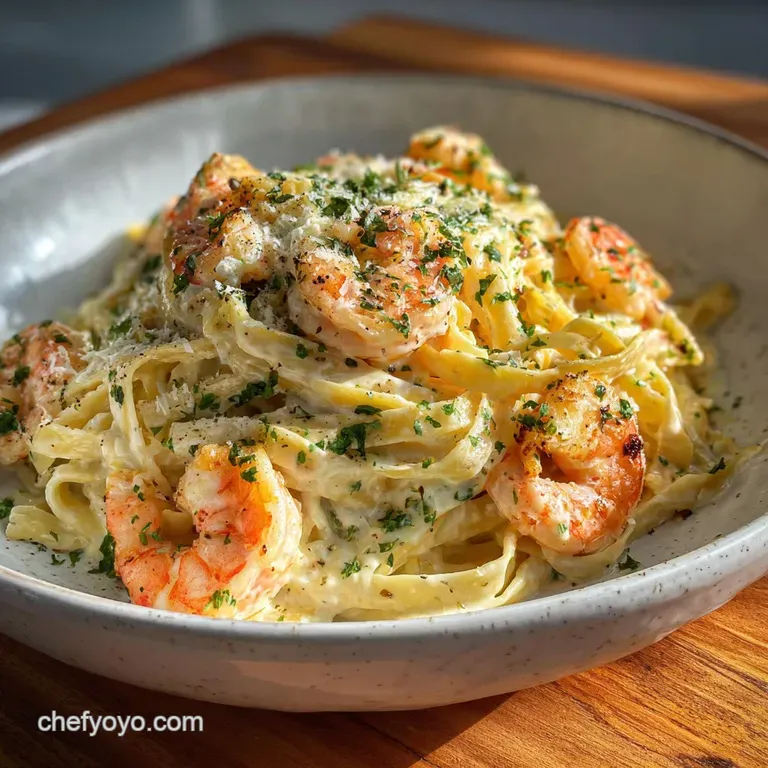
Let's get cooking. Follow these steps closely, and pay attention to the sensory cues - they are your best guide in the kitchen.
1. High Heat Sear
Toss the 1 lb large shrimp with the salt, pepper, and smoked paprika. Heat the olive oil in your skillet over medium high heat. Add the shrimp in a single layer and cook for 2 minutes until the edges are pink and the aroma of toasted paprika fills the room.
Remove them to a plate immediately; they should be slightly underdone.
2. Building Flavor Foundation
Reduce the heat to medium and add the 3 tbsp of butter. Once it stops foaming, toss in the minced garlic and diced shallot. Sauté for about 1 minute until the shallots are translucent and the garlic is fragrant but not browned.
Note: If the garlic turns dark brown, it will be bitter, so move fast!
3. One Pan Simmer
Pour in the 2 cups of chicken broth and 1.5 cups of heavy cream. Use a wooden spoon to scrape up any golden bits from the bottom of the pan. Bring the liquid to a gentle simmer.
4. Adding the Pasta
Add the 10 oz of dry fettuccine noodles to the pan. You might need to nudge them down as they soften. Cook for about 10 to 12 minutes, stirring frequently until the liquid has reduced by half and the pasta is al dente.
Note: Frequent stirring is key here to release the starches and prevent sticking.
5. Final Emulsion
Turn the heat to low. Stir in the 1 cup of freshly grated Parmigiano Reggiano one handful at a time. Continue stirring until the cheese has completely melted into a glossy, velvety sauce.
6. Finishing Touches
Add the 1 tsp of lemon juice and return the cooked shrimp (and any juices from the plate) to the pan. Toss everything together for 1 minute until the shrimp are heated through and coated in sauce.
7. The Garnish
Turn off the heat entirely. Sprinkle the 2 tbsp of fresh Italian parsley over the top. The residual heat will soften the herbs and release their oils without losing their bright green color.
Fixing Common Errors for Professional Results
Even the best cooks run into a snag now and then. If your sauce doesn't look like a silk ribbon, don't panic! Most issues are easily fixed with a little heat management.
Fixing Runny Sauce
If your sauce looks more like soup than Alfredo after the pasta is cooked, you likely just need more surface area. Crank the heat up for 60 seconds while tossing the pasta vigorously. This evaporates the water while the mechanical action of tossing helps the fat and starch bind together.
Preventing Grainy Sauce
Graininess usually happens when the cheese is added to boiling liquid, which causes the proteins to seize and clump. Always drop your heat to low or even turn it off before adding the Parmesan.
| Problem | Root Cause | Solution |
|---|---|---|
| Rubbery Shrimp | Overcooking during the sear | Remove shrimp when they are still 80% cooked; they finish in the sauce. |
| Sticky Pasta Clumps | Not stirring enough | Stir every 2 minutes to keep the noodles separated in the liquid. |
| Bland Sauce | Lack of acid | Add an extra squeeze of lemon or a pinch more salt to brighten the cream. |
Common Mistakes Checklist
- ✓ Don't use cold cream: Let it sit on the counter for 10 minutes to prevent the sauce from breaking when it hits the hot pan.
- ✓ Avoid the "Green Can": Only use block cheese that you grate yourself for a smooth melt.
- ✓ Pat the shrimp dry: Use paper towels to remove all surface moisture before searing to get a better crust.
- ✓ Don't rinse the pasta: You need that starch to thicken the sauce naturally.
- ✓ Respect the rest: Let the dish sit for 2 minutes after cooking; the sauce will thicken as it cools slightly.
Flexible Swaps for Different Dietary Needs
While the classic version is hard to beat, sometimes you need to work with what is in the pantry or accommodate a guest's needs.
- For a Cajun Kick: Swap the smoked paprika for 1 tablespoon of Cajun seasoning and add a splash of hot sauce to the cream.
- Low Carb Swap: Use zucchini noodles (zoodles) or spaghetti squash. Note: If using zoodles, do not simmer them in the liquid; just toss them in at the very end as they release a lot of water.
- dairy-free Alternative: Use full fat coconut milk instead of heavy cream and nutritional yeast instead of Parmesan. The flavor will be more tropical, but the texture will remain creamy.
Serving Size Calculator
| Servings | Shrimp | Pasta | Liquid (Broth + Cream) |
|---|---|---|---|
| 2 People | 0.5 lb | 5 oz | 1.75 cups total |
| 4 People | 1 lb | 10 oz | 3.5 cups total |
| 6 People | 1.5 lb | 15 oz | 5.25 cups total |
When scaling up to 6 or more people, you might need to work in batches to sear the shrimp. Overcrowding the pan will cause the shrimp to steam rather than sear, losing that beautiful golden color and snap.
Myths About Creamy Pasta
Myth: You must boil the pasta in water first. Truth: One pan pasta is actually superior for cream sauces because the starches stay in the pan. This creates a more stable emulsion that clings to the noodles better than a sauce made in a separate pot.
Myth: Adding oil to the pasta water prevents sticking. Truth: In this recipe, we want the sauce to stick to the pasta. Oil creates a slippery barrier on the noodles that prevents the Alfredo sauce from actually "gripping" the fettuccine.
Myth: Alfredo should always have nutmeg. Truth: While traditional Roman Alfredo (just butter and cheese) doesn't use it, many American versions do. It is purely a matter of preference, but for this shrimp version, I find the smoked paprika and lemon provide enough complexity.
Keeping Your Leftovers Fresh and Creamy
Storage: This dish is best eaten immediately, but you can store it in an airtight container in the fridge for up to 2 days. The pasta will continue to absorb the sauce as it sits, so it will be much thicker the next day.
Reheating: Avoid the microwave if possible; it will turn the shrimp into rubber. Instead, place the pasta in a skillet over low heat with a splash of milk or broth. Stir gently until the sauce loosens up and becomes creamy again.
Freezing: I don't recommend freezing this dish. Cream based sauces tend to separate and become "mealy" when frozen and thawed, and the shrimp texture will suffer significantly.
Zero Waste Tip: If you have leftover shrimp shells from peeling, don't toss them! Simmer them in the chicken broth for 10 minutes before starting the recipe to create a quick "shrimp stock" that adds even more depth to the final dish.
Presentation Ideas for Your Seafood Masterpiece
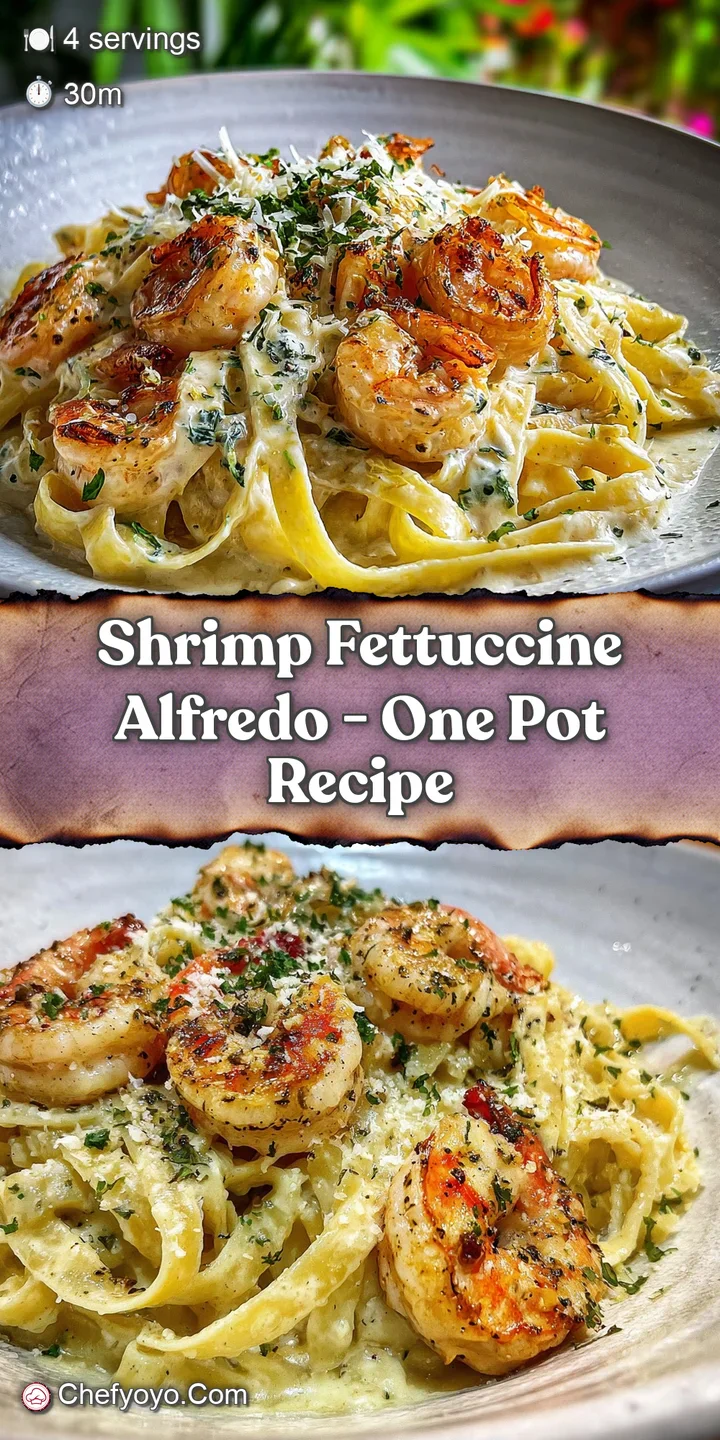
To get that "better than dining out" experience, serving is just as important as cooking. I like to serve this in wide, shallow bowls that have been slightly warmed in the oven. It keeps the cream sauce from tightening up too fast while you are eating.
The Perfect Side Pairing
This is a rich, heavy dish, so you want something bright and acidic to cut through the fat. A simple arugula salad with a lemon shallot vinaigrette is my go to. If you want something more substantial, some charred broccolini with red pepper flakes provides a nice bitter contrast to the sweet shrimp and savory cream.
If You Want...
- A thicker sauce: Add an extra half cup of Parmesan at the end and let it sit for 3 minutes before serving.
- A lighter feel: Swap half of the heavy cream for additional chicken broth and add extra lemon zest.
- More crunch: Toasted panko breadcrumbs with a little lemon zest sprinkled over the top add a brilliant texture.
Trust me on the lemon it might seem like a small detail, but that hit of acid right at the end wakes up all the fats and makes the shrimp flavors really sing. Now, let's crack on and get that pan heating up!
Recipe FAQs
Can I substitute milk for heavy cream in this Alfredo recipe?
No, stick with heavy cream. Milk has too little fat and will result in a thin, watery sauce that easily separates under the heat required to cook the pasta.
How to ensure the shrimp cook perfectly and aren't rubbery?
Sear them first, then remove them from the pan. Cook the shrimp only until they are about 80% done, then transfer them to a separate plate while the sauce finishes; they will finish cooking when tossed back in at the very end.
How to make the sauce thick and glossy without adding flour?
Cook the fettuccine directly in the broth and cream mixture. The pasta releases starches into the liquid, which act as a natural emulsifier to bind the fats and liquids, creating a superior, velvety texture.
Is it true that pre-shredded Parmesan cheese works just as well as a block?
False. Pre-shredded cheeses are coated with anti caking agents, typically cellulose, which prevents them from melting smoothly into the sauce, leading to a gritty final texture.
How do I properly deglaze the pan after searing the shrimp?
Pour in the chicken broth and scrape up the fond immediately. The browned bits (fond) left by the seared shrimp contain concentrated flavor; simmering the broth dissolves these bits back into the liquid base for depth.
How to reheat leftovers without the sauce breaking into oil?
Reheat gently on the stovetop with added liquid. Place the pasta in a skillet over low heat and stir in a splash of milk or broth until the sauce loosens and emulsifies again; avoid the microwave.
Can I use linguine instead of fettuccine for this recipe?
Yes, linguine is a suitable alternative. Since both are long, flat pastas, linguine will hold the creamy sauce well, though you may need to check for doneness about 2 minutes earlier than the fettuccine.
One Pan Shrimp Fettuccine
Ingredients:
Instructions:
Nutrition Facts:
| Calories | 896 kcal |
|---|---|
| Protein | 44.1 g |
| Fat | 52.4 g |
| Carbs | 58.2 g |
| Fiber | 2.4 g |
| Sugar | 3.1 g |
| Sodium | 785 mg |
