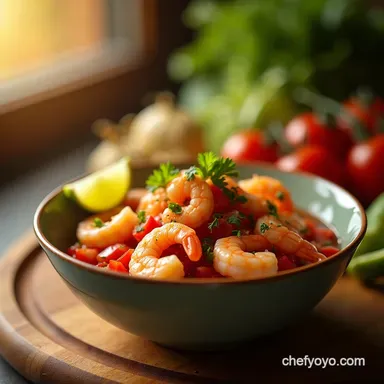
Sunshine in a Bowl Quick Zesty Classic Shrimp Ceviche
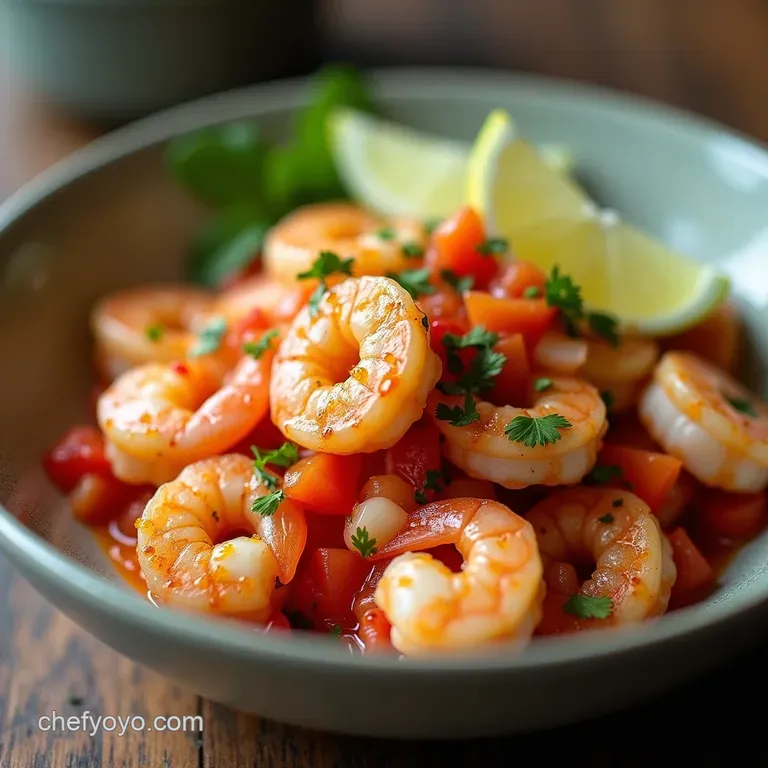
Decoding the Magic: Why This Ceviche Recipe Shines Bright
There’s something inherently joyous about a bowl of well made Shrimp Ceviche . It’s a dish that arrives looking vibrant and complex, yet its creation hinges on simplicity and the absolute quality of its components.
This isn't merely a recipe; it’s a technique that captures the essence of coastal cuisine, transforming humble ingredients into an unforgettable Seafood Dinner . When you master this bright, zesty preparation, you unlock one of the most refreshing starters in the culinary world.
Forget the stove; we are letting nature and fresh acid do the heavy lifting, ensuring the shrimp retains a delicate, almost buttery texture that perfectly contrasts the punchy vegetables.
Seaside Flavor Without the Ferry Ride
For those of us who don't live within earshot of the ocean waves, bringing the taste of the sea home can sometimes feel like a distant dream. However, this Authentic Shrimp Ceviche Recipe bridges that gap beautifully.
By using high-quality raw shrimp and curing it properly, we achieve a flavour profile that is clean, sharp, and utterly transporting. It carries the sun-drenched notes of lime and cilantro, making it an ideal centrepiece for warm weather gatherings or as a palate awakening starter any time of year.
Mastering the Quick Cure Technique for Perfect Shrimp Ceviche
The real secret to outstanding ceviche lies not in cooking time, but in curing time. When preparing this Easy Shrimp Ceviche , timing is everything.
We are looking for the moment the shrimp transitions from translucent pink to opaque white a visual cue that the proteins have firmed up due to the acid denaturing them, much like heat would. Going too long results in chewy, firm shrimp, while rushing it leaves them slimy.
Our goal is textural perfection: firm, yet tender.
A Vibrant Alternative to Traditional Cooked Meals
In a world saturated with heavy sauces and complicated steps, Shrimp Ceviche offers a refreshing, healthful alternative. It’s low in fat (barring any avocado additions) and packed with fresh vegetables and vibrant flavours.
Whether you are looking for light appetizers or aiming to impress guests without spending hours over a hot hob, this preparation method is incredibly efficient. It’s quick to assemble, requires minimal active cooking time, and always delivers a "wow" factor when presented correctly.
Assembling Your Ultimate Ceviche Pantry
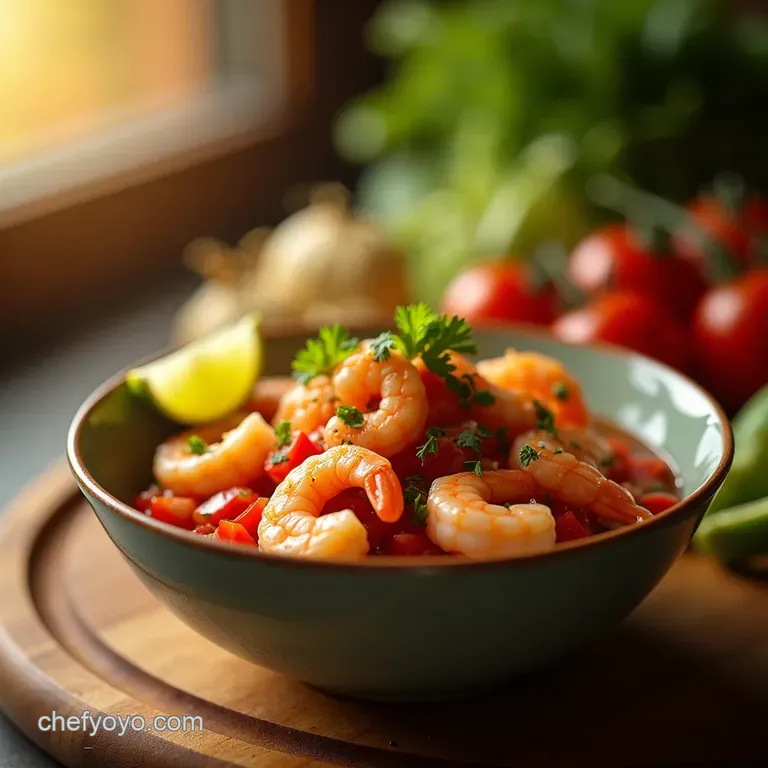
To achieve the brilliant flavour profile inherent in great ceviche, preparation begins long before the shrimp hits the marinade. Every Shrimp Ceviche Ingredient plays a specific role, from the sharp acidity that cures the protein to the cooling elements that balance the heat.
Since we are relying on fresh ingredients rather than complex spice rubs, the quality of each component is amplified tenfold in the final dish.
Essential Components: From Prawn to Piquant Pepper
For a truly stunning version of this classic dish, you will need approximately one pound of raw shrimp small to medium size is best, as they cure evenly and offer the perfect bite size.
This is paired with the aromatic backbone: finely diced red onion for sharpness, a fiery kick from a minced jalapeño or serrano pepper (remove seeds for less heat), and the essential brightness of fresh Roma tomatoes, seeded to prevent the final dish from becoming watery.
Don't forget a generous handful of freshly chopped cilantro and a single, finely minced clove of garlic to deepen the base flavour.
The Critical Role of Fresh Lime Juice in Curing
You simply cannot substitute bottled lime juice when making true Shrimp Ceviche . The volatile oils and pure acidity found in freshly squeezed lime juice are non-negotiable; bottled juice often contains preservatives that dull the necessary sharp tang.
We aim for roughly one cup of freshly squeezed juice to fully submerge the shrimp for the curing process. Optionally, a splash of orange juice can be introduced to slightly mellow the harshness of pure lime, lending a subtle sweetness that rounds out the flavour profile beautifully.
Tools Needed: Essential Equipment for Effortless Prep
Since we are dealing with high acidity, the vessel you use matters greatly. Skip any reactive metals like aluminium bowls, as the acid can react poorly with them. A large, non-reactive glass or high-quality stainless steel bowl is your best friend here.
On top of that,, a sharp chef’s knife is crucial for precise chopping unevenly sized pieces of shrimp or vegetables will cure at different rates, impacting the final texture. A handheld citrus juicer will also save considerable time and extract the maximum juice yield.
Related Recipes Worth Trying
- Easy Authentic Mexican Shrimp Ceviche Recipe Sunshine in a Bowl — This easy shrimp ceviche recipe brings the Pacific coast to your kitchen Learn how to make authentic Mexican Shrimp Ceviche with avocado and mango
- Authentic Shrimp and Sausage Gumbo Recipe The Foolproof Roux — Nail that perfect deep chocolate roux for the best Shrimp and Sausage Gumbo This hearty Seafood Gumbo Recipe brings authentic Louisiana flavour home Get cooking
- Quick Creamy Tuscan Shrimp Orzo Recipe 40 Mins — Make this stunning Creamy Tuscan Shrimp Orzo in under 40 minutes Its a rich onepan Italian shrimp dish perfect for weeknights Get the foolproof steps here
The step-by-step Guide to Perfect Shrimp Ceviche Assembly
This Shrimp Ceviche Recipe flows logically: prep the protein, cure it gently, drain the excess liquid, and then introduce the supporting cast of vegetables and herbs.
Following these steps in sequence ensures that the shrimp cures correctly before it is flavoured by the vegetables, preventing the vegetables from leeching moisture into the marinade too early.
Preparing the Shrimp: Cutting and Initial Chill
Start by ensuring your shrimp are perfectly thawed (if frozen) and meticulously patted dry this step is vital for flavour concentration. Next, chop the peeled and deveined shrimp into uniform, bite sized pieces, roughly half an inch across. Place these pieces into your non-reactive bowl.
Immediately sprinkle with about one teaspoon of salt and a quarter teaspoon of freshly cracked black pepper. The salt begins its work here, gently drawing out initial moisture.
The Citrus Bath: Timing the Acidic Transformation
Pour your fresh lime juice and optional orange juice over the shrimp, ensuring every piece is swimming happily beneath the surface of the citrus liquid. Cover the bowl and place it into the refrigerator. This is where the magic happens. Check the progress after 30 minutes.
The shrimp should be turning opaque pink. For this volume of shrimp, 30 to 45 minutes is usually the sweet spot. Avoid the temptation to over cure; we want tender bites, not firm rubber.
Folding in the Frescos: Integrating Vegetables and Herbs
Once cured, carefully drain away about 75% of the acidic marinade. You want the shrimp still lightly coated, but not swimming in liquid, as this prevents the final dish from becoming thin soup. Now, gently fold in the finely diced red onion, the fiery minced chilli, the minced garlic, and the diced tomatoes.
Mix with a very light hand. Allowing this mixture to rest, uncovered, in the fridge for a final 15 minutes lets the vegetables lightly pickle in the remaining acid, enhancing their flavour complexity.
The Final Flavor Infusion Before Serving
The last step involves the fresh, cooling elements. Just before you plan to serve your Shrimp Ceviche , fold in the chopped cilantro and any diced avocado you might be using. Taste the mixture critically. Does it need an extra pinch of salt to bring the flavours forward?
Perhaps a tiny squeeze more lime to sharpen the finish? Adjust as necessary, serve immediately while it is bracingly cold, and watch it disappear.
Elevating Your Experience: Serving Suggestions and Twists
A beautiful plate of ceviche deserves equally thoughtful accompaniments. While fantastic on its own, pairing it correctly transforms this light dish into a complete, satisfying meal. Serving it with a textural counterpoint is key.
Consider assembling Shrimp Ceviche Tacos using warm, soft corn tortillas, or layering it high upon a crisp base to create a stunning Shrimp Ceviche Tostada . These vessels provide the necessary crunch to offset the softness of the cured seafood.
Pairing Perfection: What to Serve Alongside Your Shrimp Ceviche
To balance the heat and acidity, simple, cooling sides are best. Finely sliced cucumber lightly marinated in white wine vinegar or a side of buttery, diced avocado served immediately alongside are excellent choices.
If you are leaning into the Mexican theme, skip the lettuce and instead serve it with crisp, slightly salted plantain chips rather than traditional tortilla chips for a different textural experience.
Spice Level Adjustments for a Hotter Kick
If you find yourself craving more intense heat, there are several ways to ramp up the fire without compromising the texture. Finely mince a small portion of habanero or scotch bonnet pepper (use gloves!) and introduce it with the onions.
Alternatively, for a smoky depth, a dash of high-quality hot sauce made with chipotle peppers can be incorporated during the final seasoning adjustment.
How Long Can Cured Shrimp Sit Safely?
Because the acid in ceviche continues to work slowly, the texture degrades over time. For the best quality, Shrimp Ceviche should be consumed within 4 to 6 hours of the shrimp being fully cured and mixed with the vegetables.
While it remains safe to eat for up to 24 hours if kept very cold, the shrimp will begin to toughen and the vegetables will soften considerably, losing that prized fresh snap.
Creative Additions: Mastering Unique Ceviche Variations
While we celebrate the classic preparation, this dish is a wonderful canvas for creativity. For a sweet and savoury contrast, incorporate finely diced, ripe mango into the mix a wonderful addition that pairs perfectly with the chilli heat, resulting in a delightful Shrimp Ceviche with Mango .
Another superb variation involves adding finely diced jicama; its earthy sweetness and exceptional crunch provide a wonderful textural component that stands up well to the citrus bath.
These additions ensure that every time you make this incredible dish, you discover a new layer of flavour within these versatile Shrimp Dishes .
Recipe FAQs
How do I know when the shrimp in my ceviche is actually "cooked" by the lime juice?
That’s the million dollar question! You’re looking for the shrimp to turn completely opaque pink like fully cooked shrimp and become firm to the touch. If they are still translucent in the centre, they need more time.
Remember, over curing makes them tough, so aim for firm but still tender, rather than rock hard.
Can I use frozen shrimp for this Shrimp Ceviche recipe, or does it have to be fresh off the boat?
Frozen shrimp is absolutely fine, provided you thaw it properly under cold running water, not warm water, which cooks the outside. The most crucial step afterwards is to pat the shrimp absolutely bone dry; moisture is the enemy of vibrant ceviche flavour! If the shrimp quality is high, the result will be splendid.
My ceviche tastes watery after marinating. What did I do wrong?
This usually happens if you skip drying the raw shrimp, or if you don't drain off the excess marinade liquid before adding your vegetables. After the initial cure (about 30 minutes), gently pour off most of the liquid you want the flavour, not a soup! A good drain ensures a concentrated, punchy final dish.
I'm worried about food safety with raw seafood. How long can I safely keep finished shrimp ceviche in the fridge?
Since the acid only 'cooks' the surface proteins, it’s best treated like cooked seafood. For peak freshness and safety, aim to eat your ceviche the same day it's made. If you have leftovers, store them in an airtight container and consume within 24 hours but honestly, it’s so good, there rarely are any leftovers!
Can I substitute the lime juice, or make this less sharp for a milder flavour?
You certainly can dial back the sharpness! We use a splash of orange juice in the recipe specifically to balance the acidity of the lime. If you still find it too tart, try substituting up to half the lime juice with fresh lemon juice or even adding a finely diced, very ripe mango towards the end for a tropical counterpoint.
What's the best way to serve this so it looks as good as it tastes?
Presentation is everything, especially when serving something this vibrant! Serve it chilled in small glass bowls or on a large platter lined with crisp lettuce cups. The classic choice is alongside warm, sturdy tortilla chips or colourful, crunchy tostadas.
Don’t forget a final garnish of thinly sliced avocado and perhaps a couple of radish slices for extra crunch.
Zesty Classic Shrimp Ceviche