Orange Cinnamon Milk Tea: Silky & Warming
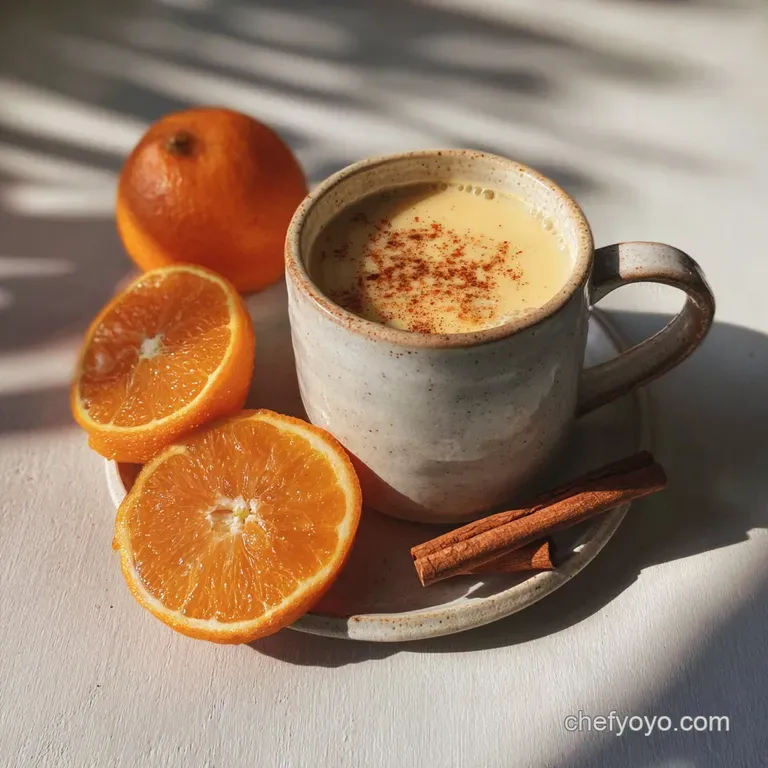
- Time: Active 5 minutes, Passive 10 minutes, Total 15 minutes
- Flavor/Texture Hook: Silky, citrus forward, and warming
- Perfect for: Cozy rainy afternoons or a contemporary brunch treat
- Perfecting Your Orange Cinnamon Milk Tea
- Science of Citrus and Spice
- Essential Specs and Timing
- Sourcing Quality Base Ingredients
- Essential Kitchen Tools and Gear
- Brewing the Perfect Infusion
- Solving Common Infusion Mistakes
- Creative Flavor and Spice Twists
- Storage and Reheating Best Practices
- Beautiful Presentation and Serving
- Debunking Infusion and Dairy Myths
- Recipe FAQs
- 📝 Recipe Card
Perfecting Your Orange Cinnamon Milk Tea
Imagine this: you're standing in your kitchen on a gray, drizzly Tuesday. You take a whole Ceylon cinnamon stick and press down until you hear that satisfying woodsy snap. Immediately, the air fills with a dry, spicy scent that feels like a hug.
Then, you run a vegetable peeler over a bright orange, releasing a tiny, invisible mist of citrus oils that cut right through the cinnamon. That's the moment this tea starts being an experience rather than just a drink.
We've all had those lackluster cups of "spiced tea" where the milk makes everything taste watery and the orange is basically non existent. I spent months making those mistakes so you don't have to.
The secret isn't more tea; it's the sequence of the "burn." We're going to treat these ingredients with the respect they deserve to create something contemporary and undeniably authentic in its flavor profile.
This Orange Cinnamon Milk Tea is my go to when I need a fusion of comfort and energy. It uses the bold, malty backbone of Assam tea to stand up against the richness of whole milk. No artificial syrups, no powder just real zest, real bark, and a touch of maple sweetness that brings it all together into a velvety finish.
Science of Citrus and Spice
Thermodynamic Infusion: Simmering cinnamon in water before adding dairy allows the heat to break down the tough cellulose of the bark, releasing cinnamic aldehyde that would otherwise remain trapped.
Citrus Volatility: Orange oils (limonene) are fat soluble, meaning adding them to the tea base and then introducing whole milk captures the aroma in the fat globules, preventing the scent from evaporating too quickly.
Essential Specs and Timing
| Method | Total Time | Texture | Best For |
|---|---|---|---|
| Stovetop | 15 minutes | Velvety and deep | Maximum flavor extraction |
| Microwave | 6 minutes | Lighter and thinner | A quick caffeine fix |
| Slow Cooker | 2 hours | Intense and syrupy | Large holiday batches |
Using the stovetop method allows you to monitor the "simmer shimmer" that specific point where the tea is dark enough but hasn't turned bitter from over boiling. This is particularly important when working with loose leaf Assam, which can get grumpy and astringent if you treat it too harshly.
Sourcing Quality Base Ingredients
- 1.5 cups filtered water: Using filtered water prevents mineral interference with the tea's natural tannins.
- 2 tablespoons loose leaf Assam black tea: This provides the "malty" character essential for a strong Orange Cinnamon Milk Tea. Why this? Assam has the body to not get "lost" once we add the milk.
- 2 whole Ceylon cinnamon sticks, cracked: Use Ceylon (the "true" cinnamon) for a delicate, sweet floral note rather than the spicy bite of Cassia.
- 3 large strips fresh orange zest: Avoid the bitter white pith; you only want the orange "skin" for the aromatic oils.
- 1 cup whole milk: The fat content is non negotiable for that velvety mouthfeel we're after.
- 1 tablespoon Grade A maple syrup: This adds a woody sweetness that complements the cinnamon better than white sugar.
| Original Ingredient | Substitute | Why It Works |
|---|---|---|
| Whole Milk (1 cup) | Oat Milk (full fat, 1 cup) | Naturally creamy and sweet. Note: Adds a slight toasted grain flavor to the tea. |
| Assam Black Tea | Ceylon Black Tea | Lighter and more floral. Note: Resulting tea will be less "malty" and more delicate. |
| Maple Syrup | Honey | Floral and thick. Note: Changes the flavor profile slightly; add only after the tea has cooled slightly. |
Essential Kitchen Tools and Gear
You don't need a professional barista setup to make this, but a small heavy bottomed saucepan is your best friend here. It distributes heat evenly, which prevents the milk from scorching at the bottom a mistake I once made that ruined a perfectly good batch (and a pan!).
You'll also want a fine mesh strainer; there is nothing worse than a stray bit of tea leaf interrupting a smooth sip.
If you are a fan of texture and want to take this further, you might consider using the same equipment you'd use for my Deliciously Chewy recipe to add some pearls to this brew. A good digital thermometer isn't strictly necessary, but it helps if you're worried about scalding the milk.
Brewing the Perfect Infusion
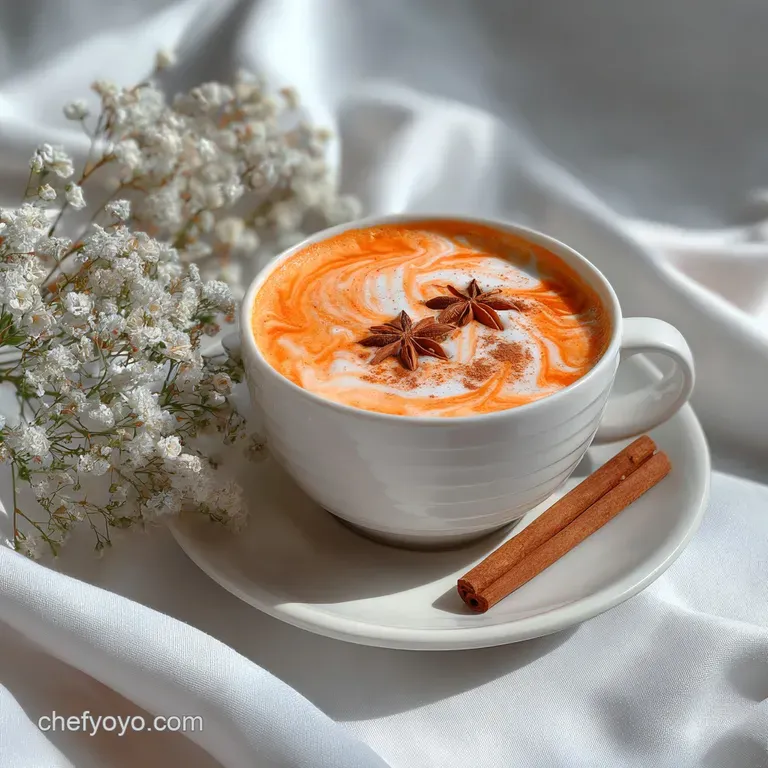
Preparing the Aromatic Base
Place 1.5 cups filtered water into your saucepan. Add 2 whole Ceylon cinnamon sticks (be sure to crack them by hand first) and 3 large strips of fresh orange zest. Note: Cracking the sticks increases the surface area for faster infusion.
Infusing the Tea
Bring the water to a gentle boil, then immediately reduce to a simmer. Add 2 tablespoons loose leaf Assam black tea. Simmer for 4 minutes until the liquid is dark mahogany and smells like a spice market.
Integrating the Milk
Pour in 1 cup whole milk. Turn the heat to medium low. Do not walk away now! You want to heat this until small bubbles form around the edges and steam rises steadily.
Finishing the Pour
Stir in 1 tablespoon Grade A maple syrup. Turn off the heat and let it sit for 60 seconds. This allows the flavors to settle and the "heat" to mellow into a cohesive profile.
The Final Strain
Place your fine mesh strainer over two mugs. Pour the liquid through, ensuring every drop of the infused milk is captured while the spent leaves and zest remain behind.
Chef's Tip: Freeze your orange zest for 10 minutes before adding it to the pot; the cold helps "shatter" the oil glands when they hit the hot water, resulting in a much more intense citrus punch.
Solving Common Infusion Mistakes
Why Your Tea Tastes Bitter
If you find your brew has a harsh, dry aftertaste, you've likely over extracted the tea leaves or used water that was too hot for too long. Assam is resilient, but even it has limits.
Why the Milk Curdled
Citrus and dairy can be tricky. If you boil the orange zest with the milk for too long, the acidity can cause the proteins to clump. Always infuse the orange in the water first, then add the milk at the very end.
| Problem | Root Cause | Solution |
|---|---|---|
| Weak orange flavor | Pith included or zest too old | Use only the outermost skin and "express" the oils by twisting the peel. |
| Gritty texture | Strainer holes too large | Use a double layer fine mesh or a paper coffee filter for total clarity. |
| Too watery | Too much water, not enough tea | Ensure you follow the 1.5 cup water to 1 cup milk ratio for the right body. |
Common Mistakes Checklist
- ✓ Never let the milk reach a rolling boil (it changes the flavor and texture).
- ✓ Don't skip cracking the cinnamon; whole sticks take twice as long to release flavor.
- ✓ Use fresh oranges only dried peel often tastes like dust rather than fruit.
- ✓ Stir the maple syrup at the end to ensure it doesn't scorch on the bottom of the pan.
Creative Flavor and Spice Twists
If you want a deeper, more dessert like experience, try adding a tiny pinch of sea salt. It sounds weird, but it makes the orange and maple pop in a way that’s almost addictive. This warm, citrusy profile actually reminds me of the aromatic notes in my Spiced Cranberry Sauce recipe, where the balance of acid and spice is key.
If you’re making this for a crowd, you can double or triple the recipe easily. For a "Spiced Chai" variation, add two crushed green cardamom pods along with the cinnamon. The cardamom introduces a contemporary floral note that plays beautifully with the orange.
Storage and Reheating Best Practices
This tea is best enjoyed immediately while the aromatics are at their peak. However, if you have leftovers, you can store them in a glass jar in the fridge for up to 2 days. The flavors actually deepen over time, though the citrus might lose its "bright" edge.
To reheat, avoid the microwave if possible. Instead, pour the tea back into a small saucepan and heat over low until just steaming. If you find the flavor has dulled, add a fresh strip of orange zest during the reheating process to "wake up" the scent.
Beautiful Presentation and Serving
When I serve this, I love to use clear glass mugs. There’s something so comforting about seeing that creamy, tan liquid against the backdrop of a fresh cinnamon stick garnish. If you’re feeling fancy, take a fresh piece of orange peel and "spritz" it over the top of the mug before dropping it in.
This tea pairs incredibly well with something buttery and slightly sweet. It’s the perfect companion to a warm Cinnamon Rolls recipe, as the citrus in the tea cuts through the heavy frosting of the rolls.
Debunking Infusion and Dairy Myths
A common misconception is that you should never boil tea leaves. While this is true for delicate green teas, a robust Assam actually benefits from a brief simmer to stand up to the addition of heavy dairy. Without that "hard" boil, the tea would taste thin once the milk is added.
Another myth is that "milk tea" is just for cold weather. In many cultures, warm spiced milk tea is used in the heat of summer to help the body regulate temperature through perspiration. Whether it's 30 degrees or 0 degrees outside, the combination of orange and cinnamon is always a winner.
Recipe FAQs
Do cinnamon and orange go together?
Yes, they create a classic warm, aromatic pairing. Cinnamon provides woody depth while the orange zest offers bright, floral top notes, balancing each other perfectly.
What is orange and cinnamon tea good for?
It is excellent for soothing digestion and providing comforting warmth. The polyphenols in black tea offer antioxidants, while the spice profile aids in settling the stomach after a heavy meal.
Can I put cinnamon in my milk tea?
Yes, cinnamon is highly recommended for enriching milk tea flavor. For the best infusion, you must crack the sticks before simmering them in the water base to release their essential oils effectively.
What is orange milk tea called?
It is generally referred to as an Orange Spiced Milk Tea or a variation of Hong Kong Style Milk Tea (if using the specific brewing method). When orange and cinnamon are combined, it’s a fusion flavor that highlights bright citrus notes over traditional chai spices.
How do I ensure the orange zest flavor isn't lost when I add the milk?
Infuse the zest in the initial hot water phase for at least four minutes before adding the milk. The oil soluble citrus compounds need high heat to extract; if you want a more intense flavor profile, see how we manage acid balance in my Simmer Fresh Orange recipe.
Is it true I must use whole milk for this recipe to be good?
No, this is a common misconception, but whole milk yields the best texture. The fat content in whole milk is crucial for achieving the signature velvety mouthfeel by capturing the aromatic oils; lower fat options will result in a thinner, less luxurious drink.
What is the best way to prepare the cinnamon for maximum flavor extraction?
Crack the cinnamon sticks sharply before adding them to the simmering water. Applying pressure physically breaks the tough cellulose, exposing more surface area so the volatile flavors disperse faster into the infusion base.
Orange Cinnamon Milk Tea Recipe
Ingredients:
Instructions:
Nutrition Facts:
| Calories | 101 kcal |
|---|---|
| Protein | 3.9g |
| Fat | 4.0g |
| Carbs | 12.6g |
| Fiber | 0.1g |
| Sugar | 11.9g |
| Sodium | 53mg |
