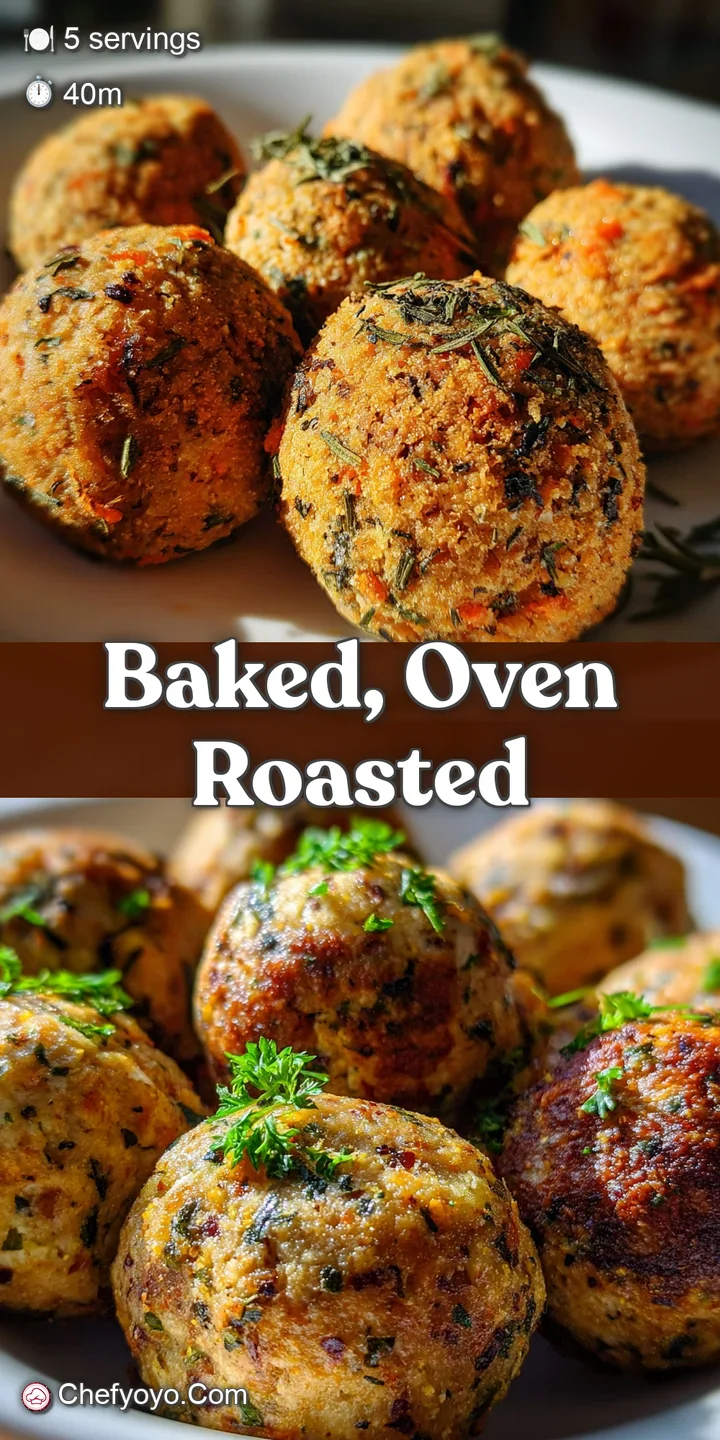
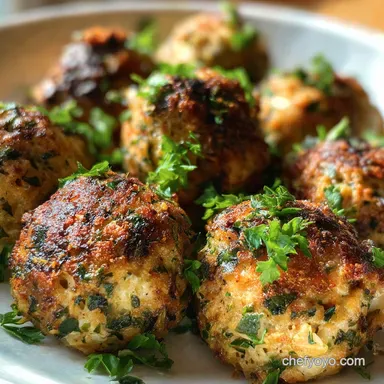
Meatballs Cooked in the Oven with Garlic and Herbs
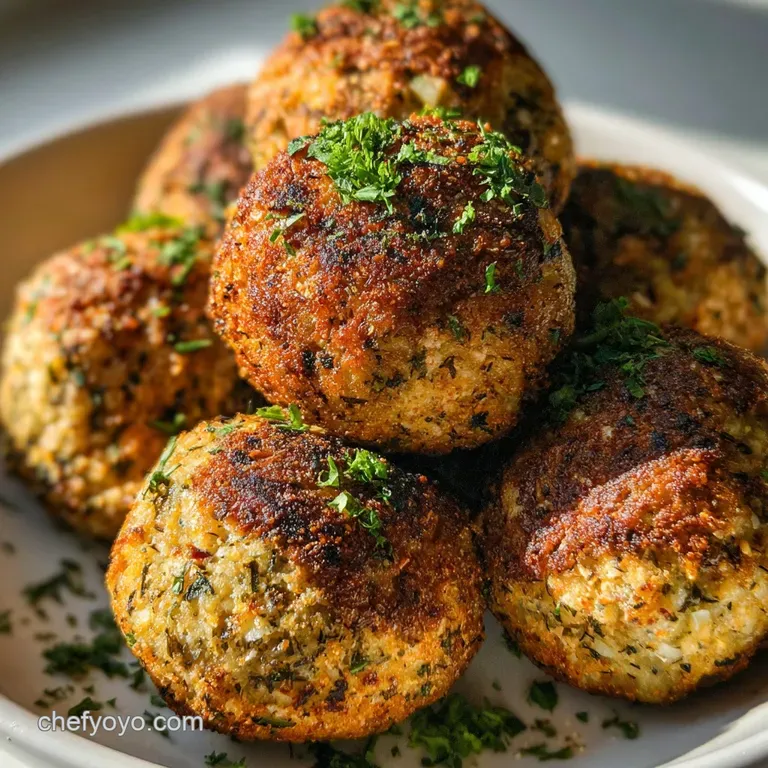
- Time: Active 20 minutes, Passive 20 minutes, Total 40 minutes
- Flavor/Texture Hook: Tender, herb infused center with a satisfyingly caramelized exterior
- Perfect for: High protein meal prep, contemporary family dinners, or crowd-pleasing appetizers
- Meatballs Cooked in the Oven with Garlic and Herbs
- Key Techniques for Tender Texture
- Essential Recipe Specifications and Timing
- Components for Bold Savory Flavor
- Necessary Gear for Success
- Steps to Bring It Together
- Troubleshooting Common Cooking Issues
- Creative Swaps and Variations
- Proper Storage and Waste Tips
- Best Ways to Serve
- High in Sodium
- Recipe FAQs
- 📝 Recipe Card
Have you ever wondered why some meatballs feel like bouncy rubber while others practically melt on your tongue? It usually comes down to the heat source and how you treat the proteins before they even see a pan.
Discover the perfect recipe for Meatballs Cooked in the Oven with Garlic and Herbs that will become a family favorite.
We've all been there, standing over a splattering skillet, turning individual spheres while the smoke alarm threatens to lose its mind. This oven based method is my absolute secret for achieving that sought after fusion of a crisp exterior and a juicy heart without the stovetop chaos.
It’s about working smarter, not harder, to get that contemporary, polished result every single time.
Expect a flavor profile that hits all the right notes: the richness of the 80/20 beef, the sweetness of the pork, and the bright, sharp kick of fresh garlic. We aren't just making dinner here; we’re creating a texture driven experience that balances heavy savory elements with a vibrant herb profile.
Trust me on this, once you go the oven route, you’ll never look back to the skillet.
Meatballs Cooked in the Oven with Garlic and Herbs
Understanding the mechanics of your oven is the first step toward mastery. Unlike a skillet, which provides aggressive direct heat to only one surface at a time, the oven creates a convection like environment that surrounds the meat.
This ensures the proteins cook evenly from the outside in, preventing that dreaded "raw middle, burnt outside" scenario we've all faced at least once.
The Science of Why it Works: over High heat roasting triggers the Maillard reaction, a chemical interaction between amino acids and reducing sugars that creates hundreds of different flavor compounds.
This process, combined with rapid protein denaturation, locks in moisture while building a savory, complex crust.
- Panade Hydration: Soaking panko in whole milk creates a gel like paste that physically blocks meat proteins from bonding too tightly.
- Fat Emulsification: The inclusion of ground pork adds a lower melting point fat, which lubricates the leaner beef fibers during the roast.
- Enzymatic Release: Mincing fresh garlic into a paste ruptures more cell walls than slicing, releasing allicin for a more intense, contemporary flavor profile.
- Thermal Carryover: Pulling the tray at the exact right moment allows internal juices to redistribute as the temperature stabilizes.
| Method Type | Texture Result | Cleanup Level |
|---|---|---|
| Fresh Oven Roast | Tender, uniform, juicy | Minimal (one tray) |
| Shortcut Pre cooked | Rubbery, dry, bland | Very Low |
| Traditional Pan Fry | Crispy but often greasy | High (grease splatters) |
This comparison highlights why we choose the oven for this specific baked meatballs recipe. While shortcuts exist, they often sacrifice the velvety mouthfeel that comes from a properly hydrated panade and fresh aromatics. If you're looking to pair these with a sauce, consider how the Garlic and Herbs will interact with a Garlic Parmesan Sauce recipe for a double hit of savory goodness.
Key Techniques for Tender Texture
The secret to a "melt in-your mouth" meatball isn't actually the meat it's the filler. By using a panade (a mixture of starch and liquid), we create a structural barrier. When meat cooks, the proteins want to shrink and squeeze out moisture.
The panade acts like a tiny sponge, holding onto that liquid and keeping the interior soft. It's a contemporary culinary trick that takes these from "standard" to "professional."
The Science of the Panade
When you soak your 0.75 cup of panko in 0.33 cup of whole milk, you aren't just making a soggy mess. You're creating a starch fat matrix. This matrix gets dispersed throughout the ground beef and pork, acting as an insulator. Without it, your meatballs would essentially become hard, dense pucks of protein.
This is the single most important step for anyone wondering how long to cook meatballs in oven without drying them out.
High Heat and Maillard Gold
We roast at 375°F for a very specific reason. This temperature is the "sweet spot" where the exterior browns quickly enough to develop flavor before the interior overcooks. If you were to ask how long to cook meatballs in oven at 350, the answer is longer, but you’d lose that beautiful crust.
The 375°F setting ensures the herbs and garlic sizzle and bloom in the rendered fat, creating a sensory experience that's both exciting and comforting.
Essential Recipe Specifications and Timing
To get this right, we have to talk numbers. Precision is what separates a good cook from a great one. We are working with a 1.5 lb total meat weight, which we’ll divide into approximately 20-25 meatballs.
This sizing is crucial because it dictates the surface area to volume ratio, which directly impacts how the heat penetrates the meat.
| Component | Science Role | Pro Secret |
|---|---|---|
| Ground Beef (80/20) | Structural base and fat source | Never go leaner than 80/20 for the best mouthfeel |
| Fresh Garlic Paste | Aromatic intensity | Mince with a pinch of salt to create a smooth paste |
| Grated Parmesan | Umami and salt binder | Use microplaned cheese for better integration into the meat |
Getting the aromatics right is just as important as the meat itself. The 0.25 cup of fresh Italian parsley provides a bright, contemporary contrast to the rich fats. If you prefer a more traditional Italian American vibe, you might want to look at a Homemade Meatballs The recipe for a comparison on how different herb ratios change the final dish's character.
Components for Bold Savory Flavor
Every ingredient in this baked meatballs recipe serves a functional and a flavor purpose. We are looking for a "flavor map" that includes salt from the Parmesan and kosher salt, fat from the beef and pork, and heat from the red pepper flakes and cracked black pepper.
- 1 lb ground beef (80/20): The heavy lifter for flavor and structure.
- 0.5 lb ground pork: Why this? Adds sweetness and essential fat for a softer texture.
- 1 large egg: Why this? Acts as the protein glue to hold the sphere shape.
- 0.75 cup panko breadcrumbs: Why this? Creates a lighter, airier structure than traditional breadcrumbs.
- 0.33 cup whole milk: Why this? Hydrates the panko to prevent the meat from toughening.
- 0.5 cup grated parmesan cheese: Why this? Provides a salty, umami kick and helps with browning.
- 4 cloves fresh garlic: Why this? Mincing into a paste ensures even distribution of flavor.
- 0.25 cup fresh Italian parsley: Why this? Adds a bright, grassy note to balance the richness.
- Dried Oregano and Thyme: Why this? Concentrated herb flavors that stand up to high oven heat.
- Kosher Salt and Pepper: Why this? Essential seasoning to make all other flavors pop.
Chef's Note: If you have 10 minutes to spare, let the meat mixture rest in the fridge before rolling. This allows the panko to fully absorb the milk and the proteins to "relax," making the rolling process much easier and the final result more uniform.
Necessary Gear for Success
You don't need a professional kitchen, but a few specific tools will make this process much smoother. A large rimmed baking sheet is non negotiable it catches the rendered fat and prevents it from dripping onto your oven floor. I also highly recommend using parchment paper or a silicone baking mat.
This prevents the meatballs from sticking and helps them develop a more even "crust" on the bottom.
A cookie scoop (roughly 1.5 to 2 tablespoons in size) is my favorite contemporary tool for this job. It ensures every single meatball is the exact same size, which means they will all finish cooking at exactly the same time.
No more guessing if the big one in the middle is done while the small one on the corner is burning. If you have a wire cooling rack that fits inside your baking sheet, even better! Elevating the meat allows the hot air to circulate underneath, creating a "shatter" crisp texture all the way around.
Steps to Bring It Together
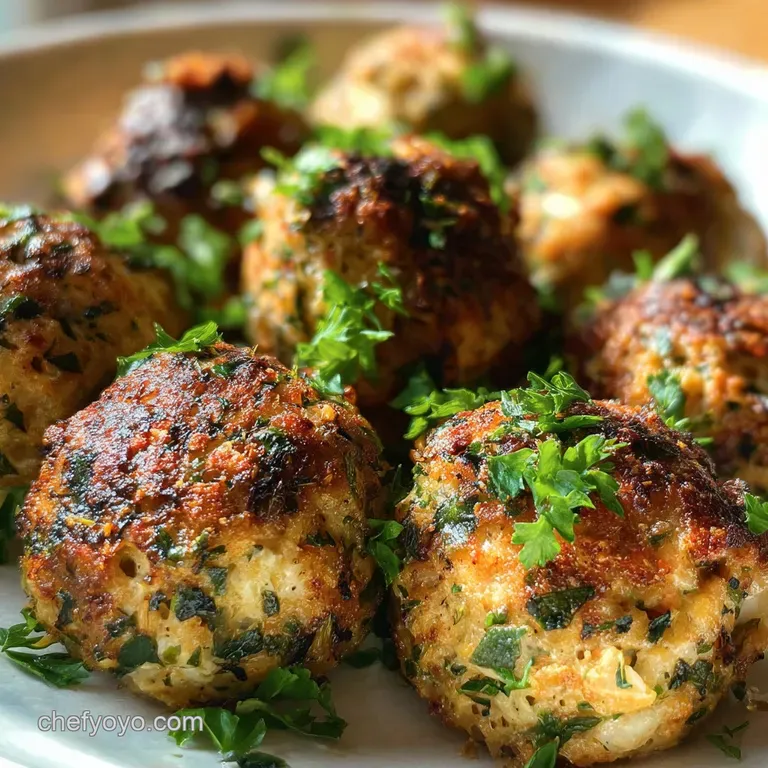
- Prep the oven. Preheat your oven to 375°F. Note: This temperature ensures a rapid sear.
- Create the panade. In a small bowl, combine the 0.75 cup panko and 0.33 cup whole milk. Stir until a thick paste forms.
- Prepare aromatics. Mince the 4 garlic cloves into a fine paste and finely chop the Italian parsley.
- Combine binders. In a large mixing bowl, whisk the egg, then stir in the garlic paste, parsley, parmesan, oregano, thyme, salt, pepper, and red pepper flakes.
- Integrate the panade. Add the hydrated panko mixture to the herb and egg bowl. Mix until completely smooth and velvety.
- Add the meat. Place the beef and pork into the bowl. Gently fold together using your hands.Note: Do not overwork the meat or it will become tough.
- Portion the spheres. Use a scoop to form 1.5 inch balls. Roll between your palms until smooth.
- Arrange for roasting. Place the meatballs on the prepared baking sheet with at least 1 inch of space between each.
- Bake for precision. Bake for 18-20 minutes until the exterior is golden and the internal temperature hits 165°F.
- Rest and serve. Let the meatballs sit on the tray for 5 minutes. Wait for the juices to settle before moving.
Troubleshooting Common Cooking Issues
Even with a solid baked meatballs recipe, things can go sideways. The most common issue I hear about is "leaking." If you see a lot of white or clear liquid on your pan, it's usually because the meat was too cold when it hit the oven or the oven wasn't fully preheated.
This causes the proteins to contract too quickly, squeezing out the moisture before the crust can form.
Solving Dry Texture Issues
If your meatballs come out dry, the root cause is almost always over mixing or over cooking. When you over mix ground meat, you develop the myosin (a protein), which creates a tight, springy texture great for sausage, terrible for meatballs. Use a light hand, almost like you're folding a cake batter.
| Problem | Root Cause | Solution |
|---|---|---|
| Meatballs are falling apart | Not enough binder or too much moisture | Add an extra tablespoon of panko or ensure the egg is well mixed |
| No browning on top | Oven temperature too low | Increase to 375°F or use the top rack of the oven |
| Bitter garlic flavor | Garlic was burnt or sprouted | Use fresh garlic and ensure it's fully tucked into the meat mixture |
Flat Bottom Prevention
If you find your meatballs are coming out more like "meat disks" with flat bottoms, it's likely because the mixture is too soft. This happens if the panko wasn't fully hydrated or if the meat was too warm. To fix this, chill the portioned meatballs for 15 minutes before they go into the oven.
This firms up the fat and helps them hold their spherical shape during the initial stage of roasting.
Creative Swaps and Variations
One of the best things about Meatballs Cooked in the Oven with Garlic and Herbs is how adaptable it is. While the beef and pork combo is the classic fusion for texture, you can certainly play around with the proteins depending on your dietary needs or what’s in the fridge.
| Original Ingredient | Substitute | Why It Works |
|---|---|---|
| Ground Pork | Ground Veal | Maintains the tender texture but offers a more delicate flavor |
| Whole Milk | Heavy Cream | Adds even more richness. Note: Increases fat content significantly |
| Panko Breadcrumbs | Crushed Pork Rinds | Perfect for a keto friendly, gluten-free crunch |
- If you want a spicy kick
- Double the red pepper flakes and add a teaspoon of smoked paprika.
- If you want a fresher finish
- Swap the dried thyme for fresh lemon zest and mint.
- If you want deeper umami
- Add a teaspoon of Worcestershire sauce or even a dash of fish sauce (my favorite secret!).
If you're looking for a leaner alternative that still uses the oven baked method, you should definitely check out my Creamy Spinach Turkey recipe. It uses a similar technique but swaps the red meat for poultry.
Proper Storage and Waste Tips
Storing these is a breeze, which is why I always recommend making a double batch. Once they have cooled completely, you can keep them in an airtight container in the fridge for up to 4 days. They actually taste better the next day as the garlic and herbs have more time to penetrate the meat.
For long term storage, freezing is your best friend. Place the cooked (and cooled) meatballs on a clean baking sheet and freeze them individually for 2 hours. Once they are "flash frozen," move them into a freezer bag. They will stay fresh for up to 3 months.
When you're ready to eat, you can reheat them directly from frozen in a simmering sauce or in a 350°F oven for 10-12 minutes.
Zero Waste Tip: Don't you dare throw away those pan drippings! The rendered fat on the baking sheet is liquid gold, infused with garlic and herbs. Scrape it into a small jar and use it to sauté vegetables or as a base for a contemporary pan sauce.
If you have leftover meatballs that are starting to get a bit dry, crumble them up and use them as a "meatza" topping or toss them into a morning frittata for a high protein breakfast.
Best Ways to Serve
These meatballs are incredibly versatile. The contemporary way to serve them is on a bed of silky polenta or alongside some charred broccolini. The garlic and herb profile is strong enough to stand on its own, but it also pairs beautifully with a simple marinara.
If you’re feeling adventurous, try serving them "tapas style" with a side of aioli for dipping. The contrast between the hot, savory meat and the cold, creamy garlic sauce is addictive.
For a lower carb option, these are fantastic over zucchini noodles or just served in a bowl with a big squeeze of fresh lemon to brighten up the fats. No matter how you serve them, the key is to ensure they are the star of the plate.
Right then, let's crack on! You've got the science, the tips, and the troubleshooting tools. Your kitchen is about to smell like a high end bistro, and your family is going to wonder when you became a professional chef. Enjoy the sizzle and that first tender bite!
High in Sodium
830 mg mg of sodium per serving (36% % of daily value)
The American Heart Association recommends limiting sodium intake to about 2,300mg per day for most adults. Aiming for 1,500mg is even better for heart health.
Tips to Reduce Sodium in Your Meatballs
-
Reduce Parmesan Cheese-15%
Parmesan is a significant source of sodium. Reduce the amount by half, using only 0.25 cup, or substitute with a low-sodium cheese alternative. You can also omit the cheese altogether, adding a pinch of nutritional yeast for a cheesy flavor instead.
-
Cut Back on Added Salt-12%
Reduce the kosher salt from 1.5 tsp to 0.75 tsp. You may not notice the difference once the meatballs are cooked, especially if you use the other tips. Taste and adjust in future batches.
-
Choose Lower Sodium Meats-10%
Ground pork often contains added sodium. Opt for ground pork labeled 'no salt added' or reduce the amount of ground pork and replace it with ground beef, ensuring the beef is also low in sodium.
-
Use Unsalted Breadcrumbs-8%
Panko breadcrumbs can sometimes contain added salt. Ensure you are using unsalted panko breadcrumbs. Alternatively, make your own breadcrumbs at home to control the sodium content.
-
Boost Flavor with Herbs & Spices
Instead of relying on salt for flavor, enhance the taste of your meatballs with a wider variety of fresh and dried herbs and spices. Experiment with garlic powder, onion powder, smoked paprika, or a touch more fresh parsley.
Recipe FAQs
Is it better to bake meatballs at 350 or 400 in the oven?
375°F is the sweet spot. This temperature provides rapid browning for flavor development without overcooking the interior. Baking at 400°F can lead to a tougher exterior, while 350°F requires a longer cook time, potentially drying them out.
Can you put mixed herbs in meatballs?
Yes, absolutely! Mixed dried herbs like oregano and thyme work wonderfully to add depth and aroma to your meatballs. They complement fresh herbs and provide a consistent flavor profile throughout the bake.
How long should meatballs be cooked in the oven?
Bake for 18-20 minutes. This is typically enough time for meatballs of about 1.5 inches in diameter to reach an internal temperature of 165°F, ensuring they are cooked through and juicy.
How long to heat meatballs in the oven at 350 degrees?
Plan for about 20-25 minutes at 350°F. While 375°F is preferred for quicker browning, 350°F will still cook them thoroughly but may require a slightly longer duration to achieve doneness. Always check internal temperature for accuracy.
What is the key to tender oven baked meatballs?
Use a panade and don't overmix. Soaking panko breadcrumbs in milk creates a moist paste that prevents proteins from tightening, ensuring tenderness. Gently combining ingredients and avoiding excessive kneading is crucial for a melt-in-your mouth texture.
Can I make these meatballs ahead of time?
Yes, for even deeper flavor. You can mix the meatball ingredients and roll them into spheres up to 24 hours in advance. Store them covered in the refrigerator; this allows the flavors to meld beautifully before baking.
How can I get a nice crust on my baked meatballs?
Roast at a higher temperature and ensure spacing. Baking at 375°F promotes browning through the Maillard reaction. Giving the meatballs space on the baking sheet allows hot air to circulate, crisping up all sides, similar to how we achieve perfectly crispy skin on roasted chicken.
Oven Baked Meatballs Garlic Herbs
Ingredients:
Instructions:
Nutrition Facts:
| Calories | 381 kcal |
|---|---|
| Protein | 30 g |
| Fat | 23 g |
| Carbs | 10 g |
| Fiber | 0.6 g |
| Sugar | 1.5 g |
| Sodium | 830 mg |
