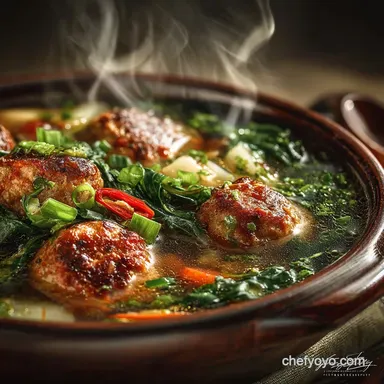
The Classic Italian Wedding Soup Comfort in a Bowl
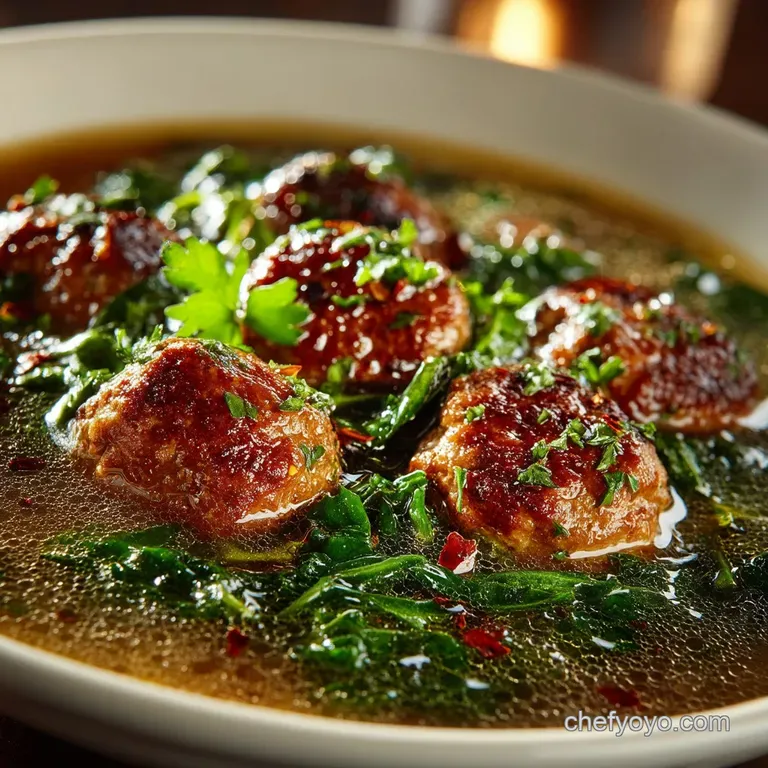
- The True Meaning of Minestra Maritata : Married Flavors
- Why Authentic Italian Wedding Soup is a Must-Try
- Sourcing the Essential Components for Superior Flavor
- Required Kitchen Tools for Seamless Preparation
- Step-by-Step Guide to Assembling Your Classic Italian Wedding Soup
- Mastering the Simmer: Timing and Temperature Control
- Customizing Your Italian Wedding Soup Experience
- Storage, Reheating, and Nutritional Breakdown
- Recipe FAQs
- 📝 Recipe Card
The True Meaning of Minestra Maritata : Married Flavors
If you’ve only ever encountered Italian Wedding Soup in a can, prepare to be amazed. The authentic, deeply flavorful version we are making today goes by its rightful Italian name: Minestra Maritata .
This translates literally as "married soup," not because it's reserved for celebratory nuptial dinners, but because it celebrates the perfect, harmonious "marriage" of the primary ingredients: savory, protein-rich meat and fresh, sturdy green vegetables, both simmering gently in a rich, savory broth.
This balance of richness and brightness is what makes a proper Classic Italian Wedding Soup so incredibly comforting and truly nourishing. Our goal is to guide you in creating a hearty, robust bowl that captures the soul of traditional Italian home cooking.
Why Authentic Italian Wedding Soup is a Must-Try
The difference between a pedestrian soup and a truly memorable bowl of Minestra Maritata lies entirely in the details and the quality of the foundation. This dish is the epitome of simple ingredients working together flawlessly.
We focus on building deep flavor layers from the start, ensuring every spoonful offers complexity rather than relying on heavy cream or unnecessary fats.
Dispelling the Myth: What the 'Wedding' Truly Means
Many assume this soup is a specialty reserved for formal Italian weddings, but the name refers purely to the culinary synergy. In the Campania region of Italy, where the soup originated, the marriage is between the bitter winter greens and the succulent, often pork-based, meatballs.
When these elements, the slightly bitter escarole and the rich polpettine —mingle in the pot, they create a balanced flavor profile that is deeply satisfying. Mastering this Classic Italian Wedding Soup requires respecting that delicate interplay.
Achieving the Perfect Broth Base
The broth is the absolute soul of this recipe. While it may seem straightforward, cutting corners here will severely limit your final result. We require 10 cups (2.4 Litres) of high-quality, low-sodium chicken stock, ideally homemade, though an excellent store-bought option is acceptable.
We begin the base by gently sweating a finely diced mirepoix, onion, carrots, and celery, in extra virgin olive oil for 8 to 10 minutes until translucent.
This crucial step extracts their natural sugars and aromatic compounds, providing a sweet and savory foundation before the stock is even added.
The Secret to Tender, Flavorful Micro-Meatballs
The defining characteristic of this dish, aside from the greens, is the inclusion of small, delicate Italian wedding soup meatballs , known as polpettine . The size is key; they should be no larger than a marble (about ¾ inch or 2 cm).
Our blend uses an even ratio: 8 oz (225g) of lean ground beef and 8 oz (225g) of ground pork. This combination provides both the necessary savory depth from the beef and the essential moisture and silkiness from the pork.
Incorporating panko breadcrumbs, a beaten egg, minced garlic, fresh parsley, and a generous ½ cup of finely grated Parmigiano-Reggiano ensures the polpettine remain tender and exceptionally flavorful when gently poached in the simmering broth.
Sourcing the Essential Components for Superior Flavor
Creating a magnificent Homemade Italian Wedding Soup starts long before the pot hits the stove. Highlighting the freshness and quality of your Italian wedding soup ingredients is non-negotiable.
We must carefully select ingredients that will hold up to the simmering process while contributing their unique textures and flavors.
Required Kitchen Tools for Seamless Preparation

While this is fundamentally a simple stove-top recipe, having the right equipment ensures efficiency, especially when dealing with miniature components. A large, heavy-bottomed stockpot or a 6-8 quart Dutch Oven is essential for maintaining even heat distribution during the long simmer.
A large mixing bowl is needed for the meatball prep, and a simple baking sheet lined with parchment paper provides a temporary home for the 40–50 Italian wedding soup meatballs while they chill.
Finally, using a small ice cream scoop or a measured tablespoon helps ensure uniform size when rolling the polpettine .
Selecting the Ideal Greens: Escarole vs. Spinach
The traditional choice for Minestra Maritata is escarole. Its broad, slightly chewy leaves and pleasant, mild bitterness perfectly contrast the rich meat and savory broth.
We use one large head of washed and coarsely chopped escarole, simmering it for 3–4 minutes until tender. If escarole is unavailable, 10 oz (280g) of fresh spinach is an excellent substitute, though spinach only requires about 60 seconds of cooking time until just wilted.
Crafting the Meatball Mix: Beef, Pork, and Seasoning Ratios
Precision in the meatball mixture is what separates the good from the great. We strictly adhere to the 8 oz beef to 8 oz pork ratio for optimal moisture and flavor. Beyond the meats, the mix requires ½ cup of panko (or fresh) breadcrumbs and ½ cup of grated Parmesan.
We season this mix simply with ½ teaspoon of salt, ¼ teaspoon of pepper, and 2 cloves of finely minced garlic. The secret here is to mix everything gently until just combined; overworking the mixture results in tough, dense meatballs.
Choosing the Right Miniature Pasta Shape (Acini di Pepe, Orzo)
The delicate nature of the broth and the micro-meatballs demands a specific type of accompaniment: tiny pasta for Italian wedding soup . The ideal choices are Acini di Pepe (peppercorn pasta) or Orzo.
Both are small enough not to dominate the dish but substantial enough to add body and carbohydrate richness. One cup (180g) of dry pasta is incorporated directly into the simmering broth and cooked until al dente , usually taking 6–8 minutes.
Non-Negotiable Pantry Staples for the Broth
Beyond the core meats and vegetables, success relies on the quality of the supporting cast. We insist on using extra virgin olive oil for sautéing and incorporating a dried Italian seasoning blend for aromatic complexity.
Crucially, a tiny, often overlooked ingredient that elevates the dish is a pinch of fresh nutmeg, stirred in with the greens right at the end to brighten the overall flavor profile.
Related Recipes Worth Trying
- Traditional Cabbage Roll Soup Recipe Golabki No Rolling Needed — Forget faffing with wraps This Hearty Cabbage Roll Soup delivers the classic deeply sweetandsour Golabki flavour in one simple pot Perfect for a soulwarming...
- The Ultimate Quick Fix Silky Smooth 10Minute Egg Drop Soup — Ditch the takeaway Learn how to make authentic velvety Egg Drop Soup at home in under 15 minutes Get the foolproof technique for perfect ribbons
- Foolproof Egg Drop Soup Recipe Silken Ribbons in 22 Minutes — Master the ultimate comfort food soup This easy Egg Drop Soup recipe guarantees silken egg ribbons in a deeply savoury broth A perfect cozy meal
Step-by-step Guide to Assembling Your Classic Italian Wedding Soup
The assembly process is divided into logical phases, ensuring maximum flavor extraction at each step. First, the meatball mixture must be prepared, rolled, and chilled for at least 15 minutes to help them hold their shape. Next, the broth foundation is built by softening the aromatics.
Finally, we move to the heat, bringing the stock to a gentle simmer before introducing the meatballs. Once they float, the cooking vessel is ready to receive the pasta and, ultimately, the greens.
This methodical approach ensures the correct texture for every component of this Easy Italian Wedding Soup .
Mastering the Simmer: Timing and Temperature Control
Temperature control is paramount when preparing this Homemade Italian Wedding Soup . We never want the broth to reach a rolling boil, as this can break down the delicate meatballs and make the finished soup cloudy.
A steady, gentle simmer is essential for coaxing the deepest flavors from the ingredients and cooking the polpettine perfectly.
Prepping the Meatballs: Rolling and Quick Searing
After the 15-minute chill, which solidifies the structure of the polpettine , the next step is poaching. Instead of searing, we gently drop the small meatballs directly into the simmering broth in small batches.
This prevents the stock temperature from dropping too drastically and allows the meatballs to poach evenly. They require only 8–10 minutes; they are done when they rise to the surface of the liquid.
Infusing the Broth: Aromatics and Foundation Building
The pre-simmer process is vital for the infusion. After sautéing the carrots, celery, and onion, we deglaze the pot with just 1 cup of the chicken stock, scraping up any caramelized brown bits stuck to the bottom.
This ensures all the savory flavor developed during the sautéing stage is integrated into the liquid base. Once the remaining 9 cups of stock and the Italian seasoning are added, the broth is brought just to a simmer, checked for initial seasoning adjustments, and made ready to receive the protein.
When to Introduce the Greens and Pasta
Timing the additions is crucial to avoid mushy pasta or overcooked greens. Once the meatballs are fully cooked (8–10 minutes in), the pasta, the Acini di Pepe or Orzo, is stirred in.
It should cook for 6–8 minutes until it reaches an al dente stage. Immediately following the pasta, the chopped escarole (or spinach) is introduced, along with that vital pinch of nutmeg.
The escarole needs 3–4 minutes to wilt and become tender; spinach, being more delicate, needs only one minute.
Final Touches: Parmesan Rind and Flavor Adjustment
For an even richer layer of flavor, consider dropping a discarded Parmesan rind into the broth at the start of the simmer (remove before serving). Once the soup is fully cooked, remove it from the heat and perform a final taste test. Adjust salt and pepper as needed.
A small dash of fresh lemon juice at this stage can provide a welcome lift and brightness, balancing the savory richness of the pork and beef. Allow the soup to rest for five minutes before serving to let the flavors meld completely.
Customizing Your Italian Wedding Soup Experience
One of the joys of mastering the Italian Wedding Soup Recipe is the ability to adapt it to dietary needs or preferences without sacrificing the authentic flavor profile.
This Easy Italian Wedding Soup recipe serves as an excellent canvas for minor modifications, whether you're dealing with dietary restrictions or simply seeking a spicier kick.
For those who enjoy heat, ¼ teaspoon of red pepper flakes added alongside the Italian seasoning will introduce a gentle, warming background spice. If you need a completely gluten-free version, simply substitute the panko breadcrumbs in the meatballs with finely ground almond meal or use rice-based pastina instead of the traditional wheat pasta.
Storage, Reheating, and Nutritional Breakdown
This soup yields 8 generous servings and manages to be both hearty and relatively balanced, providing estimated calories between 280–320 kcal per serving, alongside 24–28g of protein. Understanding how to handle leftovers is key, particularly concerning the pasta.
Make-ahead Strategies: Storing Components Separately
The greatest challenge with soup containing pasta is the inevitable liquid absorption during storage, leading to a diminished broth volume and swollen pasta. To avoid this, if you plan on having significant leftovers, cook the Acini di Pepe or Orzo entirely separately (in salted water, not the broth).
Store the cooked pasta and the finished soup base separately. When ready to serve, reheat the broth and add a handful of the pre-cooked pasta to each bowl, ensuring the best possible texture and flavor preservation.
Simplified Prep: Adapting This Recipe for the Slow Cooker
While this is typically a stove-top recipe, the broth base can be significantly simplified using a slow cooker. You can sauté your mirepoix separately and then transfer it, along with the chicken stock and seasonings, to the slow cooker on low heat.
Add the chilled polpettine during the final hour of cooking. Because the pasta and greens require quick cooking, they must be added to a portion of the hot broth moved to the stove just before serving, or added to the slow cooker only 10–15 minutes before the desired completion time.
Lighter Variations: Substituting Chicken or Turkey for Red Meat
For a reduced-fat variation, substituting the ground beef and ground pork mixture with 1 lb (450g) of ground turkey or chicken is perfectly acceptable. Keep in mind that poultry tends to be much leaner, which can result in drier meatballs.
To counteract this, ensure you use the full ½ cup of grated Parmigiano-Reggiano and consider adding an extra tablespoon of breadcrumbs soaked in a splash of milk for added moisture.
Serving Suggestions and Garnish Enhancements
To complete the meal, serve the Minestra Maritata piping hot in wide bowls. The classic garnish is a liberal shaving of fresh Parmigiano-Reggiano. The textural combination of this savory soup is best balanced by a simple, crusty accompaniment, such as rustic Italian bread or garlicky focaccia, perfect for soaking up the rich broth.
For a complete meal, pair the soup with a light, acidic side salad, like arugula dressed simply with lemon and olive oil, to cut through the savory depth.
Recipe FAQs
Why on earth is it called Italian Wedding Soup if it's not actually served at weddings?
That's a very common confusion! The original Italian name is Minestra Maritata, which literally translates to "married soup." The name simply refers to the delicious "marriage" or perfect blending of the savoury meat flavours (our polpettine) with the hearty greens (escarole) in the rich broth.
It's truly suitable for any chilly evening, not just a celebratory bash.
My meatballs were a bit of a disaster and disintegrated in the soup. What did I do wrong?
Don't fret, this is often down to two small technical errors. Firstly, make sure you don't overmix the meatball ingredients, stop as soon as they are combined to keep them light and tender.
Crucially, chilling the tiny meatballs for at least 15 minutes before poaching in the broth is vital; this helps the fat firm up, ensuring they hold their little marble shape wonderfully.
If I'm making a big batch of Italian Wedding Soup, how do I stop the pasta from going all soggy and soaking up the lovely broth?
That's a cracking question, and the main enemy of any delicious leftover broth! If you know you’ll have extra servings, the best practice is to cook the Acini di Pepe or Orzo pasta separately in salted water until al dente.
Store the cooked pasta and the main broth/meatball mixture separately, only combining them in the serving bowl just before eating.
I can’t find escarole, what’s a good stand-in for the greens?
Escarole provides that traditional, slightly bitter edge, but sturdy spinach is an excellent and widely available substitute that wilts beautifully in the hot broth. If you fancy something more robust, a bit more chew to it, you could use finely chopped Tuscan kale (cavolo nero), though you’ll need to let it simmer for 5 to 7 minutes to ensure it softens up nicely.
Can I prep the major components of this soup the day before to save time?
Absolutely, it’s a brilliant strategy for entertaining! The most time-consuming step, rolling the tiny meatballs, can be done up to 24 hours ahead and kept covered in the fridge.
You can also build the entire broth base, refrigerate it, and then simply bring it back up to a simmer when you are ready to quickly poach the meatballs and finish with the pasta and greens.
Classic Italian Wedding Soup Deeply Savory Broth Tender Meatballs