Penne Alla Vodka: the Ultimate Creamy, 40-Minute Weeknight Meal
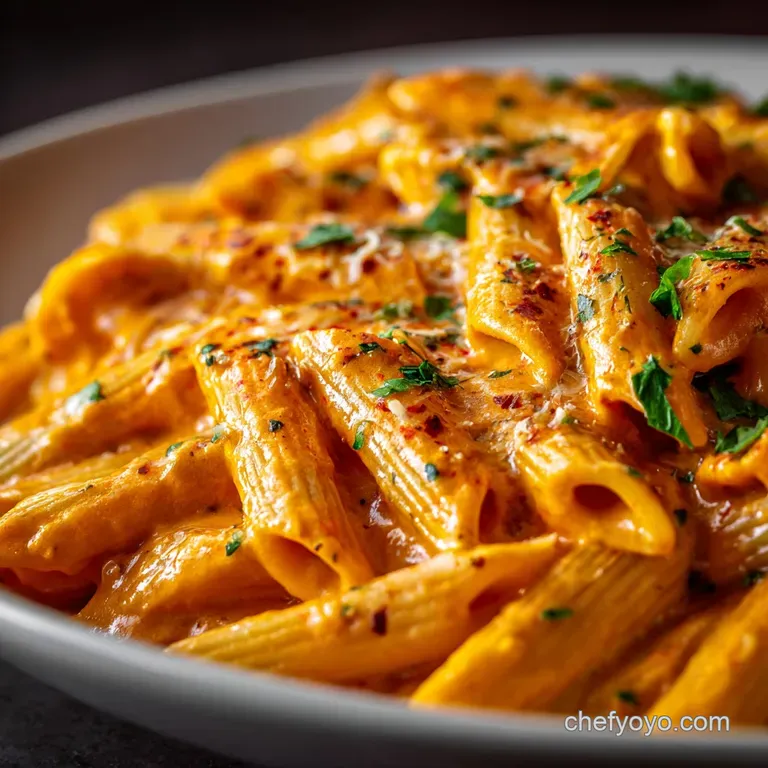
- The Velvet Hammer: Classic Creamy Penne alla Vodka
- Essential Components for the Best Penne alla Vodka
- Decoding the Velvety Texture: The Science Behind the Sauce
- Master the Method: Step-by-Step Cooking Instructions
- Chef's Secrets: Troubleshooting and Perfecting Your Cream Sauce
- Practical Guide: Storing, Reheating, and Make-Ahead Notes
- Elevated Pairings: What to Serve Alongside Classic Penne alla Vodka
- Recipe FAQs
- 📝 Recipe Card
The Velvet Hammer: Classic Creamy Penne alla Vodka
This is the ultimate sauce. You know that incredible aroma that hits you rich, savoury, slightly sweet tomato tempered by luxurious cream? Penne alla Vodka, when executed properly, offers a texture that is nothing short of liquid velvet, coating every tube of pasta in a glorious orange sheath.
I used to think this dish was reserved for fancy Italian restaurants, or at least required a ton of complicated steps. I was so wrong. This recipe is an absolute lifesaver for weeknights because it requires minimal hands-on time but delivers maximum comfort and elegance.
Forget everything you thought you knew about thick, split sauces. We are diving deep into the secrets that make this pasta truly glossy and professionally smooth. Trust me, once you master the vodka technique, you’ll never look at jarred sauce again. Let’s crack on.
Defining the Perfect Orange Glow and Signature Texture
The magic of this dish isn't just in the taste; it's the texture. We are aiming for a luxurious, cohesive sauce that clings beautifully. If your sauce looks greasy, thin, or separates, you’ve missed the emulsification step. A perfect Penne alla Vodka sauce should never pool at the bottom of the bowl.
It needs to be glossy, thick, and deeply orange, not pink or red.
Why Penne is the Superior Pasta Shape for This Sauce
Penne means 'pen' or 'quill' in Italian, and it’s shaped like a little tube with angled edges. Why is this important? The ridges on penne, or its cousins like rigatoni or ziti, are built for sauce clinging. The smooth, velvety vodka sauce lubricates the outside, but the tiny hollow center captures a delightful reservoir of flavor. Every single bite delivers a full explosion of sauce and pasta together. It’s brilliant. If you love pasta tubes, you might also like my Creamy Tomato Basil Penne Rigate Easy Weeknight Pasta , which uses the same great shape!
Historical Debates: Was It Italy or 1970s New York?
Honestly, who cares? The real debate is whether you use onion or shallots. Some historical accounts say the dish was invented in Bologna, while others swear it came straight out of a bustling midtown Manhattan kitchen in the 1970s.
What we know for sure is that this dish became wildly popular in America, a perfect blend of Italian tradition and American decadence. I once tried making this using cheap tomato purée and it was gritty and awful. Learn from my mistake: ingredient quality really matters here.
Essential Components for the Best Penne alla Vodka
When writing this recipe, I realized people needed real world swaps, because let’s face it, sometimes the store is out of one crucial thing.
| Ingredient | The Must Have Requirement | Viable Substitution |
|---|---|---|
| Penne | Needs ridges/tubes for maximum sauce capture. | Rigatoni or Ziti are excellent alternatives. |
| Tomato Paste | Double concentrated is key for deep, dark color. | Use crushed San Marzano tomatoes, simmered for 20 minutes to reduce and thicken significantly. |
| Heavy Cream | Must be high fat (35%+), preferably room temp. | Full fat canned coconut cream (the solid part) for dairy-free, or half and half in a pinch (but it’s riskier for splitting). |
| Vodka | Needs to be 80 proof, neutral alcohol. | Dry white wine (like Sauvignon Blanc) or chicken/veg broth for non-alcoholic. |
Decoding the Velvety Texture: The Science Behind the Sauce
This is where we turn dinner into magic. The secret to Penne alla Vodka is simple: emulsification . We are forcing the acidic tomato base and the fatty cream base to become one beautiful, stable entity, instead of splitting apart. This is why temperature and patience are non-negotiable.
Quality Cream vs. Half and Half: Choosing Your Fat Base
Always, always use heavy cream. Half and half contains less fat and more water. When you introduce water into an acid heavy, oil-based sauce, it is far more likely to curdle or split when heated. Heavy cream’s high fat content gives you a safety net. It creates that rich, mouth coating texture we crave.
Parmesan Rind vs. Grated Cheese: Building Ultimate Umami
While the recipe calls for grated Parmigiano Reggiano at the end, if you have a rind, use it! Throwing a piece of Parmesan rind into the sauce during the over low heat simmer adds unbelievable depth. As it melts, it releases glutamates, boosting the savoriness (umami) without making the sauce overly salty.
Pull the rind out before adding the pasta, obviously.
The Critical Role of Alcohol in Flavor Emulsification
Why vodka? It’s not about the flavor, because we burn off the harsh alcohol taste. Vodka acts as a solvent. It allows the molecules in the acidic tomato to interact with the molecules in the fatty cream in a way that water cannot. The sauce binds tighter and remains impossibly smooth.
This is essential for getting that signature, velvety feel.
Substitution Corner: Non-Alcoholic Options for the Vodka
If you absolutely must skip the vodka, you can still make a creamy tomato sauce it just won't be quite as stable. Swap the vodka for an equal amount of quality chicken broth or vegetable broth.
Alternatively, use dry white wine, which still helps deglaze and stabilizes the emulsion better than broth, though it contains minimal residual alcohol.
Chef’s Note: The key to true depth of flavor is blooming the tomato paste. You must cook it down with the aromatics until it caramelizes and turns a brick red color. This kills the raw, metallic flavor and maximizes the sweetness.
Master the Method: step-by-step Cooking Instructions
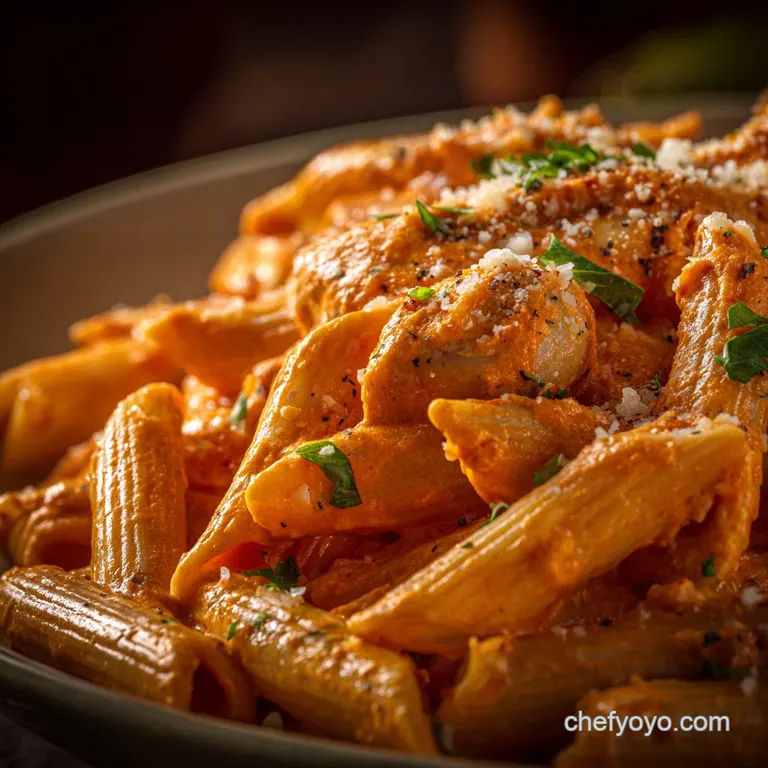
Building the Flavor Foundation: Sautéing Aromatics in Butter and Olive Oil
- Get your water boiling furiously and heavily salted it should taste like the ocean. Drop in your penne and cook it for one minute less than the package recommends.
- In your large, deep skillet, melt the butter and olive oil over medium heat. Add your diced onion or shallots. Cook them until they are completely translucent and soft, about five to seven minutes. Don’t rush this step!
- Add the minced garlic and the pinch of red pepper flakes. Cook for one minute, until you smell that amazing nutty, fragrant aroma.
The Marinara Shortcut: Bloomed Tomato Paste and Vodka Introduction
- Push the aromatics to the side of the pan and drop the concentrated tomato paste directly onto the hot surface. Cook the paste, stirring constantly, for 3– 5 minutes. It will darken and look sticky. You’re caramelizing the sugars.
- Now, pour in the vodka. Increase the heat slightly. Bring it to a rolling simmer and let it bubble vigorously for 3– 4 minutes. Stir until the sharp alcohol scent is gone. You are deglazing the pan and concentrating the tomato flavor beautifully.
The Final Marriage: Incorporating Cream and Pasta Water for a Silky Finish
- Turn the heat down to the absolute lowest setting. Ladle out at least a cup of that starchy pasta water before draining the penne.
- Add the room temperature heavy cream to the sauce base. Stir gently until it turns that uniform, beautiful orange glow. Simmer very gently for 2 minutes. Do not let this sauce boil after the cream is added!
- Add half a cup of the reserved pasta water along with the grated Parmesan cheese and the slightly undercooked penne. Toss everything vigorously over the low heat. The starch will activate, and the sauce will thicken instantaneously and coat the pasta.
Plating Perfection: Finishing Touches with Fresh Basil and Grated Parmesan
- Check for seasoning. You might need more salt and pepper, especially if you didn't salt the water properly.
- Serve immediately in warm bowls. A final sprinkle of fresh basil or parsley and extra grated Parmesan is mandatory. Enjoy that velvet coating!
Chef's Secrets: Troubleshooting and Perfecting Your Cream Sauce
Preventing Splits: Avoiding High Heat When Adding Dairy
This is the number one failure point: adding cold cream to a roaring hot, acidic tomato sauce. The thermal shock causes the milk proteins to denature and separate, resulting in a grainy, broken mess. Always use room temperature cream and ensure the heat is turned way down to low before adding it.
The Salt Strategy: When to Season the Water vs. the Sauce
You must salt the pasta water aggressively. The pasta absorbs this salt as it cooks. Once the sauce is nearing completion, season the sauce itself. Why? Because the cheese, tomato paste, and starch all affect the final salinity, so adjust after the components are combined.
Using Acid (Lemon Zest) to Brighten the Final Dish
If you find the sauce tastes too heavy or flat which can happen with rich cream dishes try adding a tiny whisper of fresh lemon zest right at the very end. The aromatic oils cut through the richness without adding liquid, giving the dish a lift and brightness.
This is a subtle trick, but it makes a massive difference.
Practical Guide: Storing, Reheating, and make-ahead Notes
Reconstituting the Sauce: Reviving Penne alla Vodka the Next Day
If you have leftovers (lucky you!), the pasta will soak up the sauce in the fridge. To revive it, place the pasta in a saucepan over low heat. Add a splash of fresh heavy cream (about 1 2 tablespoons per serving) and a splash of broth or water.
Heat very slowly, stirring constantly, until the sauce re-emulsifies and coats the pasta again.
Freezing Limitations for Cream Based Pasta Dishes
Can you freeze it? Yes, but I wouldn't recommend it. Cream based sauces often break and become grainy when frozen and thawed. The texture will never be the same. This recipe is best enjoyed fresh or within 2 days from the fridge.
Elevated Pairings: What to Serve Alongside Classic Penne alla Vodka
Penne alla Vodka is incredibly rich, so you need sides that offer high acidity and freshness to balance the meal.
Wine Recommendations: Cutting the Richness with Acidity
Go for a wine that is dry and crisp. A chilled Italian Rosé (Rosato) or a clean, unoaked Pinot Grigio will cut through the fat perfectly. If you are serving this for a special occasion and want to pair it with something hearty, perhaps a side of braised short ribs would work, though the pasta is already the main event! My recipe for My Managed Secret FallApart Short Ribs with Sticky Red Wine Glaze is always a huge hit.
Recipe FAQs
Why is vodka used in the sauce, and will the finished dish contain alcohol?
Vodka serves two essential roles: first, it acts as an emulsifier, helping the fats from the heavy cream and the acid from the tomato paste bind together to create the signature silky texture.
Secondly, the alcohol helps unlock and carry aromatic compounds in the tomato, enhancing the overall flavor depth, but the alcohol burns off during cooking.
My sauce looks grainy, or the cream has split and is oily. What went wrong?
Splitting usually occurs when the temperature is too high after the cream is introduced, or when the tomato base and the cream are integrated too quickly without tempering. Ensure you reduce the heat to low or even move the pot off the burner before slowly stirring in the heavy cream and never let the finished sauce come to a rapid boil.
Can I skip the vodka entirely, or what is a non-alcoholic substitute?
While omitting the vodka will not ruin the dish, you will lose the crucial emulsifying effect, resulting in a less velvety texture. To mimic the effect, you can substitute a tablespoon of high-quality lemon juice or white wine vinegar to help stabilize the emulsion, though the mouthfeel will not be identical to the classic version.
How do I achieve that vibrant, rich orange color often associated with Penne alla Vodka?
The perfect color comes from thoroughly cooking, or "caramelizing," the tomato paste with the onion and garlic base until it darkens slightly and loses its raw, metallic aroma. This deep cooking process intensifies the pigment and removes the harsh acidity before the cream lightens it to a beautiful, luxurious orange hue.
Can I make a dairy-free or vegan version of this recipe?
Absolutely; the traditional heavy cream can be effectively replaced with a full fat cashew cream base or high-quality thick coconut cream for similar richness. Be sure to use a reliable vegan butter substitute and stir the sauce gently over low heat, as non-dairy alternatives are sometimes more prone to separation.
What is the best way to store and reheat leftover Penne alla Vodka?
Store leftovers in an airtight container in the refrigerator for up to three days, though pasta with cream sauces does not freeze well. To reheat, use the stovetop over very low heat and add a splash of water, milk, or extra cream, stirring constantly to restore the sauce's moisture and prevent the cream base from curdling upon warming.
Why do some Penne alla Vodka recipes recommend adding baking soda to the tomato paste?
A very small pinch of baking soda acts as an acid neutralizer, raising the pH level of the tomato sauce just slightly above neutral. This slight alkalinity dramatically reduces the chance of the dairy cream curdling when it hits the acid, guaranteeing a smoother, more stable final emulsion.
Penne Alla Vodka Classic Recipe
Ingredients:
Instructions:
Nutrition Facts:
| Calories | 859 kcal |
|---|---|
| Protein | 26.3 g |
| Fat | 37.2 g |
| Carbs | 97.5 g |
