Long Grain Rice: Fluffy and Silky
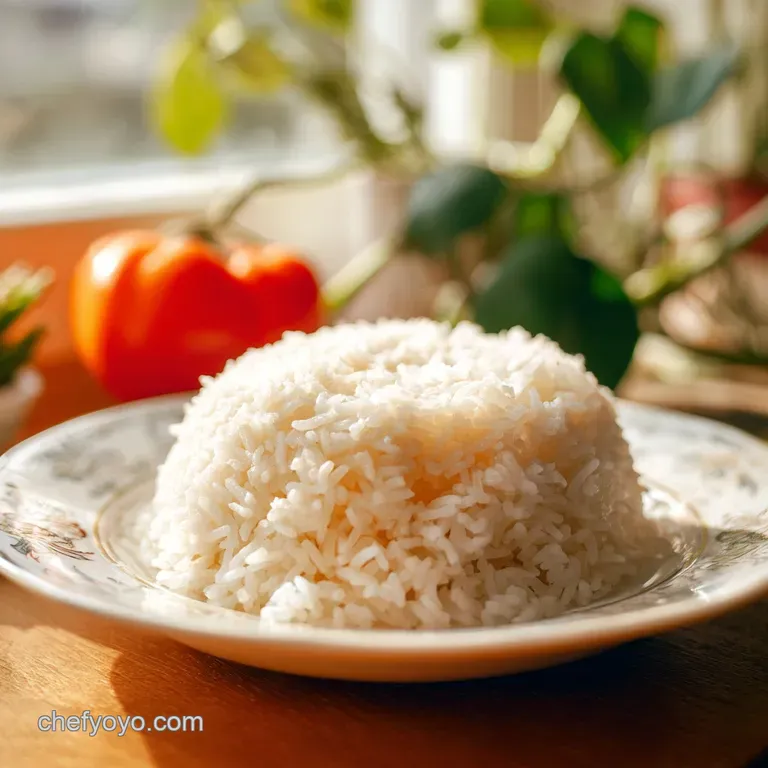
- Time: Active 5 minutes, Passive 28 minutes, Total 33 minutes
- Flavor/Texture Hook: Nutty, toasted aroma with a firm, fluffy shatter
- Perfect for: Vibrant meal prep, weeknight dinners, and fusion bowls
- Creating the Fluffiest Ever Toasted Long Grain Rice
- Vital Numbers and Measurements for Recipe Success
- Sourcing the Components for Vibrant Grain Integrity
- Essential Tools for Achieving a Velvety Rice Texture
- The Step-by-Step Method for Cooking Long Grain Rice
- Strategic Solutions for Fixing Texture and Hydration Issues
- Bold Flavor Infusions for Every Possible Dinner Occasion
- Safe Storage and Effective Reheating for Leftover Rice
- Vibrant Serving Suggestions to Complete Your Main Meal
- Recipe FAQs
- 📝 Recipe Card
Creating the Fluffiest Ever Toasted Long Grain Rice
In many South Asian and Middle Eastern cultures, rice isn't just a side dish; it's the very foundation of the meal. I remember visiting a friend whose grandmother treated every grain of rice like a precious jewel, insisting that a "good" cook ensures no two grains stick together.
She didn't just boil water; she layered flavors starting from the dry grain itself. That philosophy changed how I look at my pantry.
We often think of rice as a blank canvas, but when you treat it with an innovative fusion of techniques, it becomes the star. By starting with a quick sear in fat, we create a barrier that prevents the starch from turning into a gummy mess.
The result is a vibrant texture that feels light yet substantial, far from the clumpy piles we often see at takeout spots.
This recipe focuses on bringing out a popcorn like aroma that fills your kitchen before the water even hits the pan. It's about that satisfying sizzle when the dry grains meet the melted butter, turning them from translucent to a bright, opaque white.
If you've ever struggled with mushy results, this approach is going to be your new favorite kitchen hack. Trust me, the extra two minutes of toasting makes a world of difference in the final tastes.
Vital Numbers and Measurements for Recipe Success
Before we get into the heat of the kitchen, let's look at how this method stacks up against other common ways people handle their grains. Choosing the right path depends on your schedule, but the stovetop method remains the gold standard for that specific toasted flavor profile we're after today.
| Method | Total Time | Texture Result | Best For |
|---|---|---|---|
| Stovetop (Toasted) | 33 minutes | Individual, nutty grains | High end dinner sides |
| Rice Cooker | 25 minutes | Soft, uniform, moist | Batch cooking for kids |
| Instant Pot | 20 minutes | Dense, slightly sticky | Quick weeknight emergencies |
Using the stovetop allows us to control the heat precisely during the crucial toasting phase. When we use this method for something like my proper creamy red beans and rice, the grains maintain their integrity even when smothered in a rich, heavy sauce. It's that structural strength that separates a hobbyist cook from someone who really understands flavor layers.
Sourcing the Components for Vibrant Grain Integrity
The science of a great pilaf style dish starts with the ratio and the quality of your fat. We aren't just hydrating a seed; we are managing starch gelatinization through temperature control and fat coating.
| Ingredient | Science Role | Pro Secret |
|---|---|---|
| Long Grain Rice | Amylose structure | High amylose ensures grains stay firm and separate |
| Unsalted Butter | Lipid coating | Fat prevents surface starches from bonding together |
| Fine Sea Salt | Protein seasoning | Salt penetrates the grain core during the simmer |
- 1 cup (185g) long grain white rice
- Why this? Long grains have the right starch ratio for fluffiness.
- 1 ½ cups (355ml) water
- Why this? Precise hydration prevents the rice from becoming waterlogged.
- 1 tbsp (14g) unsalted butter
- Why this? Adds a silky mouthfeel and helps the toasting process.
- ¾ tsp fine sea salt
- Why this? Fine grains dissolve instantly for uniform seasoning.
Essential Tools for Achieving a Velvety Rice Texture
You don't need a pantry full of gadgets, but a heavy bottomed saucepan is non negotiable here. A thin pot will create hot spots, leading to scorched grains at the bottom while the top stays crunchy. I prefer a 2 quart stainless steel or enameled cast iron pot.
These materials hold heat steadily, which is vital when you drop the temperature down to the lowest setting for the 18 minutes simmer.
A tight fitting lid is the other essential player. If steam escapes, your water ratio gets thrown off, and you'll end up with undercooked rice. If your lid is a bit loose, you can place a clean kitchen towel between the pot and the lid to create a better seal. Just be careful with the towel near a gas flame.
Finally, a simple fork or a silicone spatula is all you need to finish the dish without crushing the delicate grains.
The step-by-step Method for Cooking Long Grain Rice
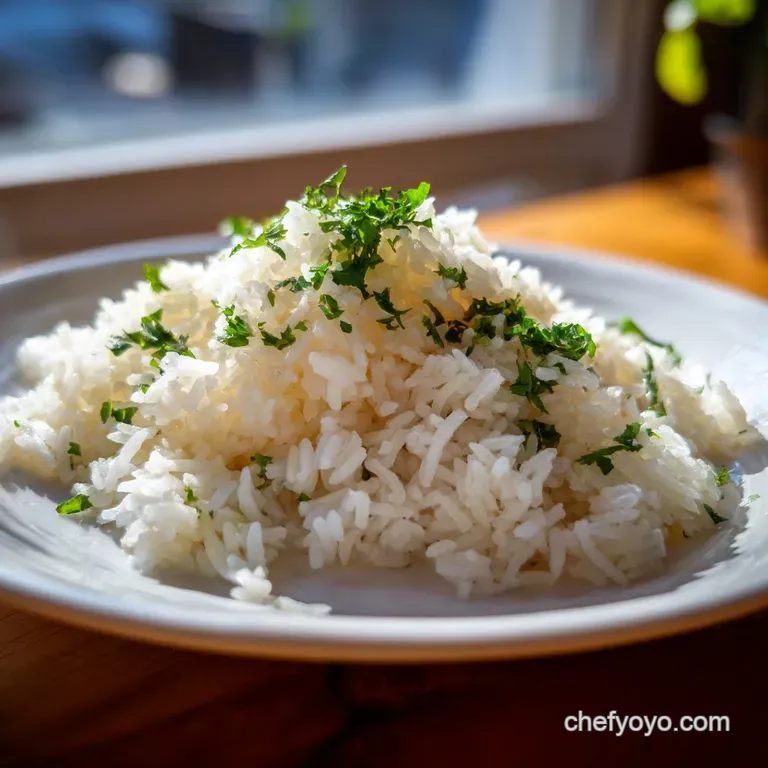
- Melt the fat. Place your 2 quart heavy bottomed saucepan over medium heat and add the unsalted butter. Let it melt until it is shimmering and bubbly.
- Toast the grains. Add the dry rice directly to the butter. Stir constantly for 2 to 3 minutes until the grains turn opaque white. Note: This creates the popcorn aroma and prevents sticking.
- Hydrate the pot. Pour in the water and sprinkle the sea salt over the top.
- Reach the boil. Increase the heat slightly and wait until you see large, vigorous bubbles.
- Seal and simmer. Immediately turn the heat to the lowest possible setting. Cover with a tight fitting lid and cook for 18 minutes. Do not lift the lid.
- Kill the heat. Remove the pot from the burner. Note: This stops the active cooking but keeps the internal temperature high.
- The quiet rest. Let the pot sit undisturbed for 10 minutes. Until the steam redistributes, the rice will be fragile.
- The final fluff. Remove the lid and use a fork to lift the grains gently. Until they look light and airy.
Chef's Tip: If you notice the rice sticking to the bottom during the toasting phase, your heat is too high. Dial it back immediately. The goal is a light golden tan, not a dark brown sear.
Strategic Solutions for Fixing Texture and Hydration Issues
Even with the best intentions, things can go sideways. Maybe your stove runs hot, or your lid isn't as tight as you thought. Don't panic; most rice "failures" are actually just hydration imbalances that can be fixed with a little patience and a few drops of water.
To Save Mushy or Gummy Rice
If your rice comes out looking like porridge, it usually means there was too much water or it was stirred during the simmering phase. You can't un cook it, but you can save the meal.
Spread the rice out on a large baking sheet and put it in a 300°F (150°C) oven for about 5 minutes. This helps evaporate the excess surface moisture, giving the grains back some of their individual "shatter" and bite.
To Fix Crunchy or Underdone Grains
If you find the center of the grain is still hard after the resting period, you've lost too much steam. This often happens if you peek under the lid too early. Add two tablespoons of boiling water, put the lid back on tightly, and let it sit on the lowest heat for another 5 minutes.
This gentle "steam bath" usually finishes the job without turning the rest of the pot into mush.
| Problem | Root Cause | Solution |
|---|---|---|
| Gummy Texture | Too much stirring | Spread on a tray and bake for 5 mins |
| Hard Centers | Steam loss/Peeking | Add 2 tbsp boiling water and steam 5 mins |
| Scorched Bottom | Heat was too high | Dip pot base in cold water to stop cooking |
Common Mistakes Checklist
- ✓ Never rinse the rice for this specific recipe; we need the surface dry for the toasting phase to work.
- ✓ Ensure the butter is fully melted and shimmering before adding the grains to prevent uneven coating.
- ✓ Resist the urge to lift the lid; every time you peek, you lose about 5-10 degrees of essential steam heat.
- ✓ Always use a timer for the 10 minutes rest; skipping this leads to grains that break when you fluff them.
Bold Flavor Infusions for Every Possible Dinner Occasion
Once you have the base technique down, you can start layering in innovative tastes. This method is a great departure from the basics found in a standard how to cook rice guide because it encourages exploration.
For Garlic Parmesan Long Grain Rice
During the last 30 seconds of toasting the rice, toss in two cloves of minced garlic. Once the rice is fully cooked and rested, fold in a quarter cup of freshly grated Parmesan cheese and a tablespoon of chopped parsley.
The residual heat will melt the cheese into a silky coating that makes the dish feel like a fusion between a pilaf and a risotto.
For a Low Sodium Mineral Boost
If you want to cut back on salt but keep the flavor vibrant, replace half of the water with a high-quality vegetable or mushroom stock. The savory notes from the stock complement the toasted butter beautifully, giving the rice a deep, golden color and an earthy aroma that pairs perfectly with grilled proteins or roasted roots.
Safe Storage and Effective Reheating for Leftover Rice
Leftover rice is a gift for the busy home cook. Store your cooled rice in an airtight container in the fridge for up to 4 days. To keep it from drying out, I like to press a piece of plastic wrap or parchment paper directly onto the surface of the rice before sealing the lid.
This prevents the cold air from wicking away the moisture that we worked so hard to lock in.
For the zero waste enthusiasts, those slightly dried out grains from day three are actually superior for making fried rice. The lower moisture content means they will sear and crisp up in a wok rather than steaming.
If you have extra stems from herbs like cilantro or parsley, finely chop them and toss them into the rice during reheating for a fresh, vibrant crunch.
Vibrant Serving Suggestions to Complete Your Main Meal
This toasted rice is incredibly versatile, but it really shines when paired with dishes that have a bit of "sauce" or juice. The individual grains act like tiny sponges, soaking up flavors without losing their distinct shape.
I love serving this alongside a zesty lemon chicken or a spicy chickpea curry where the nutty notes of the butter can balance out the acidity and heat.
If you are looking for a more "fusion" vibe, try using this rice as a base for a Mediterranean bowl. Top it with some roasted peppers, crumbled feta, and a dollop of hummus. The toasted flavor of the long grain rice provides a much more interesting backdrop than plain steamed rice.
It turns a simple assembly of ingredients into a cohesive, restaurant quality meal that hits all the right sensory notes.
One Final Myth to Debunk: You might hear that you must rinse rice until the water runs clear to get fluffy results. While that is true for some methods, it is actually a mistake here! For this toasted version, we want the dry surface starch to toast in the butter.
Rinsing would introduce moisture that would steam the rice rather than toasting it, ruining that beautiful popcorn aroma we're chasing. Trust the fat to do the work of keeping those grains separate.
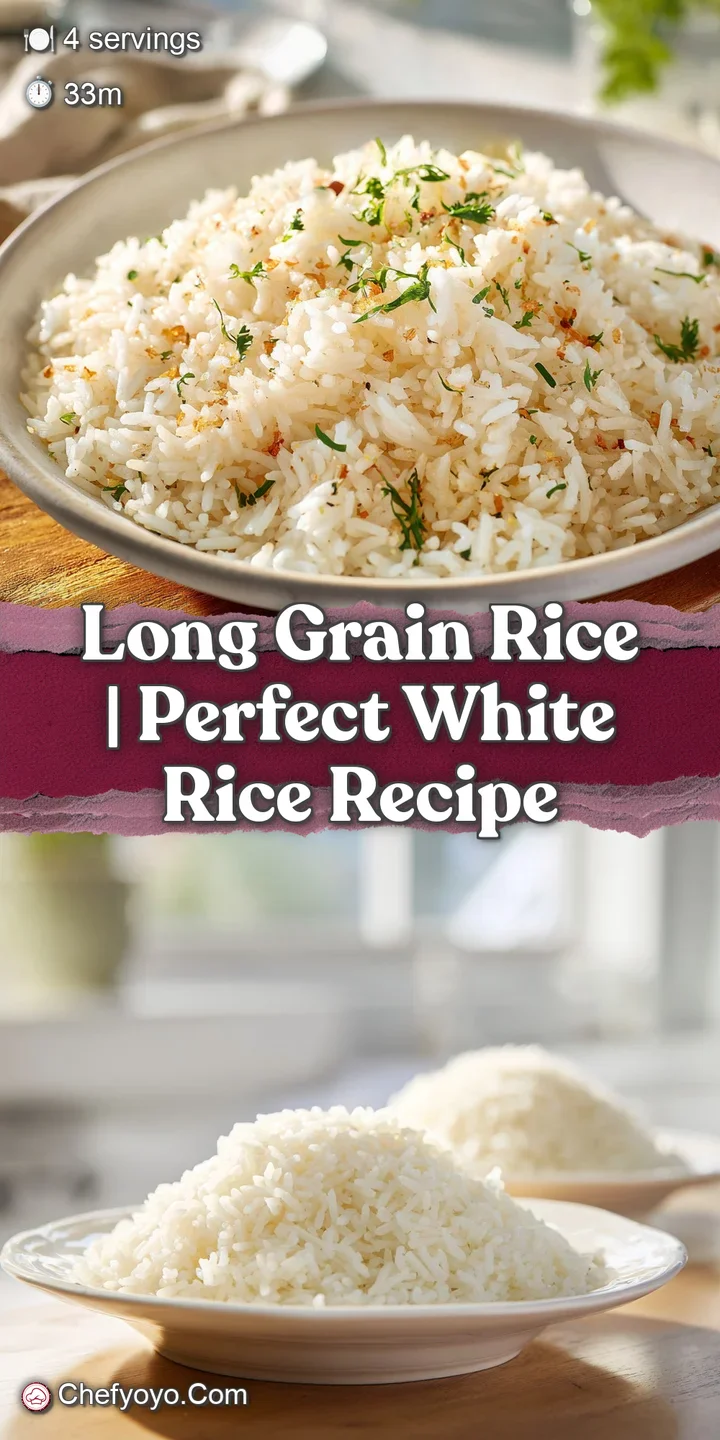
Recipe FAQs
What kind of rice is long grain?
Long grain rice refers to varieties where the kernel is at least three to four times longer than its width. This shape results in grains that remain separate and fluffy after cooking, rather than clumping together like sticky short grain types.
Is long grain rice better than regular rice?
It depends on the texture you want for your meal. Long grain rice is superior when you need a light, distinct grain finish for dishes like beef chow mein, while shorter grains are better for creamy or sticky applications.
What's the best rice for diabetics?
Long grain white rice generally has a lower glycemic index compared to sticky, short grain varieties. However, the most effective way to manage its impact is to control portion sizes and always serve it alongside fiber rich vegetables or proteins.
Is there a difference between white rice and long grain white rice?
Yes, they refer to different characteristics. "White rice" simply describes the milling process where the husk, bran, and germ are removed, whereas "long grain" specifically describes the physical length and shape of the rice kernel.
How to prevent rice from becoming mushy?
Toast the dry grains in butter until opaque before adding water. This creates a protective barrier that maintains individual grain integrity, preventing the starch from releasing too early and turning the pot into mush.
How to tell if the rice is finished cooking?
Check for a tender yet firm texture after the 10-minute rest period. If you see small steam holes on the surface of the rice before you remove the lid, it indicates that the moisture has been properly absorbed.
How to achieve the best texture when cooking?
Keep the lid tightly sealed during the entire 18-minute simmer and 10-minute rest. Avoiding the temptation to peek keeps the steam inside, which is the secret to ensuring every grain cooks evenly without drying out.
Perfect Long Grain Rice
Ingredients:
Instructions:
Nutrition Facts:
| Calories | 194 calories |
|---|---|
| Protein | 3.3 g |
| Fat | 3.1 g |
| Carbs | 37 g |
| Fiber | 0.6 g |
| Sugar | 0.1 g |
| Sodium | 437 mg |
