The Gaffers Glaze Proper 10Minute Teriyaki Sauce
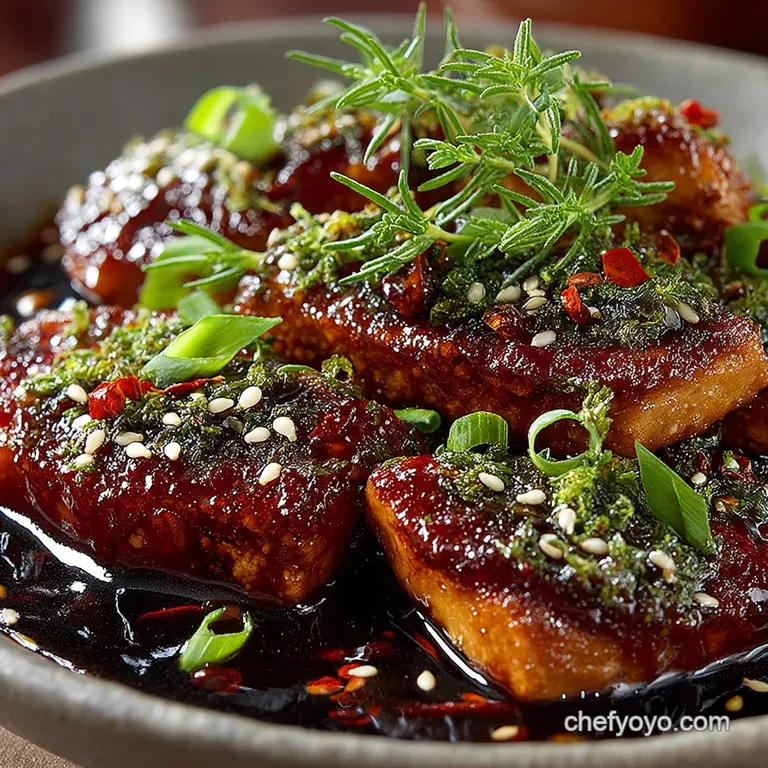
- Elevating Your Everyday Meals: The Promise of Proper Teriyaki
- Decoding the Delicious: What Does Teriyaki Actually Mean?
- The Essential Cast: Building the Flavor Foundation
- Necessary Kitchen Gear for Glazing Perfection
- Step-by-Step Mastery: Crafting Your Teriyaki Sauce in Under 10 Minutes
- Avoiding Common Pitfalls: Troubleshooting Your Glaze
- Beyond the Marinade: Expert Applications for Homemade Teriyaki Sauce
- Keeping the Magic Fresh: Shelf Life and Make-Ahead Tips
- Recipe FAQs
- 📝 Recipe Card
Elevating Your Everyday Meals: The Promise of Proper Teriyaki
If there is one classic sauce that deserves immediate retirement from its sickly sweet bottled form, it is Teriyaki Sauce . For too long, we’ve settled for gloopy, oversalted supermarket versions that barely resemble the rich, complex glaze enjoyed in traditional Japanese cuisine.
This Homemade Teriyaki Sauce recipe is the antidote, promising a silky, beautifully balanced glaze that takes mere minutes to execute but delivers restaurant quality depth.
By controlling the essential ingredients the blend of umami, acid, and sweetness you elevate your weeknight cooking from mundane to magnificent, whether you’re glazing chicken or finishing up a plate of roasted vegetables.
Decoding the Delicious: What Does Teriyaki Actually Mean?
The name "teriyaki" is derived from two Japanese words: teri , meaning "glaze" or "lustre," and yaki , meaning "grilled" or "broiled." Historically, it refers not just to a specific flavour profile, but to the entire cooking technique the process of repeatedly basting meat or fish with the glaze while cooking to achieve that signature glossy shine.
Our goal with this recipe is to achieve precisely that perfect, luscious sheen, marrying the deep savoury notes of soy with the aromatic warmth of ginger and the subtle sweetness of the rice wines.
The Critical Flaw of Mass Produced Bottled Sauces
The largest failing of mass produced bottled teriyaki is their reliance on high fructose corn syrup and copious amounts of standard table salt, resulting in a thin, one-note sauce that lacks complexity and texture.
When you prepare your own Best Teriyaki Sauce at home, you eliminate unnecessary thickeners and preservatives, allowing the delicate flavour profiles of mirin and sake to truly shine, complemented by the rich, caramel undertones of light brown sugar.
A Quick History: From Imperial Japan to Your Kitchen
While the technique of glazing foods has existed in Japan for centuries, the specific flavour combination we recognize today solidified during the early modern era. Initially applied mainly to fatty fish like yellowtail, the technique emigrated across the Pacific and evolved in various communities, eventually becoming a cornerstone of American Japanese cuisine.
The incredible speed and simplicity of this modern Teriyaki Sauce Recipe make it perfectly suited for today’s busy home cook.
The Versatility Standard: More Than Just Chicken
While many people immediately think of Teriyaki sauce recipe chicken , the true beauty of a quality homemade glaze lies in its adaptability. This sauce provides the perfect salty sweet counterpoint to fatty fish, such as Teriyaki sauce for salmon , but also transforms firm tofu, beef flank steak, or even simple Roasted Veggies into a deeply satisfying meal.
Its glossy finish makes it ideal for tossing through quick Stir Fries as well.
The Essential Cast: Building the Flavor Foundation
Creating this perfect glaze requires only five minutes of preparation time and a handful of pantry staples, proving that the most luxurious flavours often come from the simplest sources.
The foundational Teriyaki sauce ingredients combine one cup (240 ml) of low-sodium soy sauce crucial for controlling the final salinity with Japanese rice wines.
The recipe also calls for a half cup (100g) of packed light brown sugar for depth, balanced by a tablespoon of freshly grated ginger and two cloves of minced garlic, which provide aromatic heat.
Necessary Kitchen Gear for Glazing Perfection
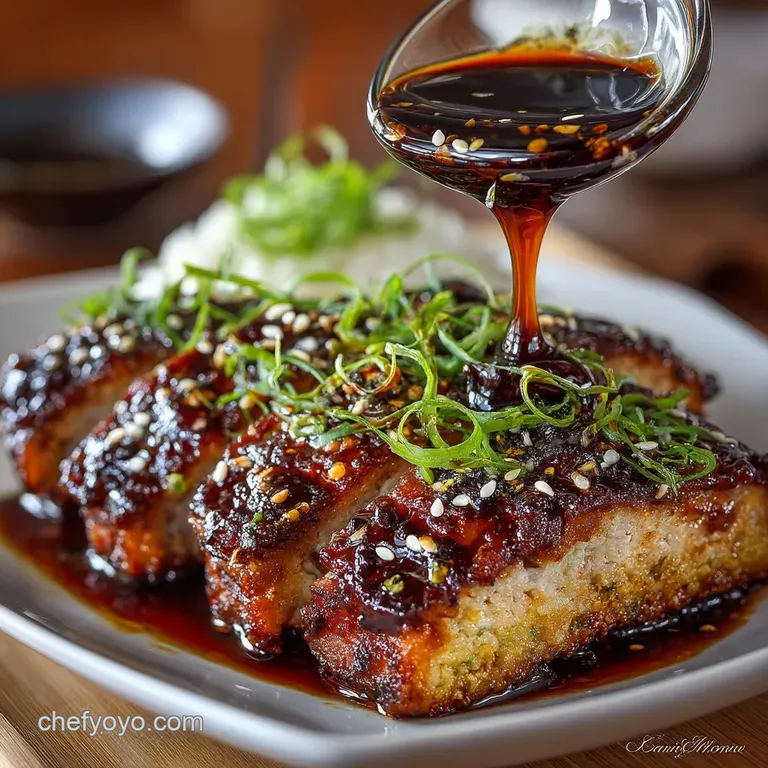
The success of a thick, glossy glaze depends heavily on effective whisking, particularly during the thickening phase. You will need a small to medium non-stick saucepan to prevent the sugary base from scorching, and a sturdy wire whisk.
A small separate bowl for preparing the cornstarch slurry is also essential, along with a fine microplane grater for efficiently processing the fresh ginger root.
Balancing Act: Soy Sauce, Sake, and the Umami Trinity
The triple threat of umami comes from the combination of soy sauce, mirin, and sake. We use a quarter cup (60 ml) of dry cooking sake, which adds an indispensable layer of aromatic complexity that cannot be replicated by water alone.
During simmering, the alcohol evaporates, leaving behind a subtle, pleasing depth that grounds the overall flavour profile.
The Sweetness Factor: Mirin vs. Sugar Substitutes
Mirin, a sweet rice wine, serves two functions: flavour and texture. At a half cup (120 ml), it contributes a vital sweetness and alcohol derived acidity while providing the inherent stickiness needed for the glossy teri .
The brown sugar (100g) contributes a deep, molasses like note that white sugar lacks. While honey or maple syrup (using 1/3 cup/80 ml) can be substituted for the brown sugar, be aware that these liquid sweeteners will yield a marginally thinner finished sauce.
The Thickening Agent: Cornstarch or Reduction?
To achieve a thick, coating glaze in less than fifteen minutes, we rely on a cornstarch slurry. While purists might advocate for pure reduction, that process requires significant time and vigilance. Our method uses just one tablespoon of cornflour (cornstarch) combined with two tablespoons of cold water.
This quick, lump free slurry allows the sauce to transform instantly from a liquid into a rich glaze in the final minute of cooking.
A Quick Word on Choosing Your Saucepan
Using a non-stick saucepan is highly recommended. Because the recipe contains a substantial amount of sugar, the mixture can easily stick and burn at the edges if the heat isn't perfectly controlled. A non-stick surface ensures that whisking the base and incorporating the thickener remain smooth and effortless.
Related Recipes Worth Trying
- The Best Simple Italian Marinara Sauce Recipe Slow Simmered — Skip the shopbought jar Learn how to make Marinara Sauce the authentic way This simple Italian recipe uses quality San Marzano tomatoes and a long gentle...
- Tender Beef and Broccoli Stir Fry The Secret to Silky Glossy Takeaway Sauce — Forget soggy takeaway This Beef and Broccoli recipe uses the velveting secret for truly Tender Beef Get a rich glossy Homemade Sauce in 15 minutes A proper...
- Beef Enchiladas with Red Sauce Rich Homemade Chili Sauce Recipe — Forget the cans Our proper Beef Enchiladas with Red Sauce feature a deeply smoky homemade chili sauce over savoury ground beef The ultimate Sunday comfort...
step-by-step Mastery: Crafting Your Teriyaki Sauce in Under 10 Minutes
The entire cooking process, from combining the Teriyaki sauce ingredients to achieving the final glaze, takes only about eight minutes. Begin by combining the low-sodium soy sauce, mirin, sake, brown sugar, grated ginger, and minced garlic in your saucepan.
Separately, whisk the cornflour and cold water in a small bowl until absolutely smooth, setting the thickening agent aside. Place the saucepan over medium high heat, whisking constantly until the brown sugar is fully dissolved.
Once it reaches a rolling boil, immediately reduce the heat to a steady, gentle simmer and allow the sauce to bubble softly for five minutes. This critical reduction stage ensures the alcohol cooks off and the raw flavours meld into synergy.
Avoiding Common Pitfalls: Troubleshooting Your Glaze
The two main challenges encountered when making teriyaki sauce are lumps from the thickener or a consistency that is either too runny or too dense once cooled. Fortunately, these are simple issues to correct if addressed promptly.
The Initial Bloom: Combining Wet Ingredients
Before introducing any heat, ensure you whisk the base ingredients thoroughly. If the brown sugar granules are still visible when the sauce begins to boil, they may settle and scorch, leading to an unpleasant burnt flavour. Continuous whisking during the initial heating stage ensures the base is homogenous.
Simmering for Synergy: Achieving the Perfect Infusion
The five minute simmer is non-negotiable. This phase not only slightly concentrates the liquid but also ensures the intense flavour of the fresh ginger and garlic is infused into the liquid base.
Visually, you will notice a slight reduction in volume and a subtle, preliminary glaze forming around the edges of the pot a sign that the flavours are achieving perfect harmony.
The Final Glaze: When to Introduce the Thickener
Never add the slurry until the base sauce is actively simmering, and crucially, never add dry cornflour directly. Give your pre-mixed cornflour and water a quick re-whisk just before use, as the cornstarch settles rapidly.
Pour the slurry into the simmering sauce in a slow, steady stream while whisking vigorously for about 30 seconds. Continue to simmer and whisk for 1- 2 minutes until the sauce looks visibly glossy and coats the back of a spoon like a thin syrup.
Fixing a Sauce That's Too Thin (or Too Thick)
If, after cooling, your sauce is still too thin, create a secondary, smaller slurry (1 teaspoon cornflour mixed with 2 teaspoons cold water) and whisk it into the sauce while simmering gently for an additional minute.
If the sauce becomes too thick, which is common after refrigeration, simply whisk in a tablespoon of warm water or sake until the desired drizzly consistency is restored.
Beyond the Marinade: Expert Applications for Homemade Teriyaki Sauce
This robust glaze is designed to be a kitchen workhorse. Use the Teriyaki sauce for salmon by brushing it on during the final few minutes of broiling to achieve a stunning, caramelized crust.
For the traditional Teriyaki sauce recipe chicken , marinate thighs for just 30 minutes before grilling, then reserve some sauce for basting.
It’s also phenomenal as a finishing glaze for Roasted Veggies like cauliflower or broccoli, lending a sweet and-salty punch that makes them irresistible. Beyond main dishes, try thinning the sauce slightly to use as a luxurious dipping accompaniment for homemade Gyoza or crispy spring rolls, or incorporate it into quick weeknight Stir Fries with noodles or rice.
Keeping the Magic Fresh: Shelf Life and make-ahead Tips
Since this glaze yields a generous 1.75 cups (420 ml), it is perfect for preparing ahead, allowing you to have a fast flavour booster ready in the refrigerator. Allowing the sauce to cool completely before storage is essential, as trapped heat can create condensation and reduce shelf life.
Serving Suggestions: Our Favorite Pairings (Salmon, Beef, Tofu)
The classic preparation involves glazing pan-fried salmon or chicken thighs, served over a bed of fluffy Jasmine rice with a side of quick blanched green beans or broccoli. For a bolder main, use the sauce to marinate and glaze flank steak or short ribs.
It is also an excellent finisher for vegetarian meals, providing depth when drizzled over baked tofu or tempeh slices.
Transforming the Base: Spicy and Citrus Variations
Once you master the standard recipe, customization is simple. For a spicy kick, add half a teaspoon of Korean Gochugaru chili flakes or a dash of sriracha during the initial 5-minute simmer.
If you prefer a brighter flavour, add the zest of half an orange or a tablespoon of fresh orange juice after the sauce has been removed from the heat and is cooling down, providing a fantastic citrus glaze variant.
Making It gluten-free or Vegan Friendly
Adapting this recipe for dietary needs is extremely easy. To make a perfect Teriyaki sauce gluten-free version, simply substitute the traditional soy sauce with an equal quantity of 100% wheat free Tamari.
The rest of the ingredients, including the mirin, sake, brown sugar, and cornflour, are typically already gluten-free and vegan, making this base recipe highly adaptable.
Refrigeration and Freezing Protocol
Once cooled, transfer the homemade sauce to an airtight container, such as a sealed jar or bottle. Stored properly in the refrigerator, this glaze will maintain its fresh flavour and quality for up to two weeks.
While freezing is possible, the texture may change slightly upon thawing due to the starch content, so we recommend refrigerating for maximum flavour integrity.
Quick Glance Nutrition Summary
Based on a two-tablespoon (30 ml) serving, this glaze is relatively low in fat (0g) and protein (<1g). Using low-sodium soy sauce helps manage the mineral content, resulting in approximately 300 mg of sodium per serving.
The primary caloric contribution comes from the sugars, equating to roughly 80 kcal and 15g of carbohydrates per use.

Recipe FAQs
How long will this homemade Teriyaki Sauce keep in the fridge?
Proper storage is absolutely key to avoiding any drama. Once your sauce has cooled down completely like waiting for a proper cuppa to reach drinking temperature pour it into a sterilised, airtight jar.
It’s sound for up to two weeks in the fridge, making it a brilliant option for meal prep throughout the week. For a longer stint, you can freeze it in small batches for up to three months; a proper lifesaver for future quick dinners.
My Teriyaki Sauce is too thin or too thick after cooling, what’s gone wrong?
Don't panic, mate; the consistency is often a balancing act! If the sauce is too thick, simply whisk in a splash of warm water, soy sauce, or even a bit more sake over low heat until it loosens up.
If it’s too runny, you need a quick fix: make a tiny secondary slurry (1 tsp cornflour + 2 tsp cold water) and whisk it back into the simmering sauce. Give it a minute, and it should reach that perfect, glossy glaze consistency.
I haven't got any Mirin or Sake; is there a decent replacement for those traditional ingredients?
Mirin and Sake are the traditional secret weapons for that incredible depth and proper shine. If you’re really in a pinch, you can substitute Mirin with dry sherry mixed with a pinch of sugar, as it mimics the sweetness and rice flavour.
For the Sake, a dry white wine or just water will technically work, but you’ll lose a bit of that lovely authentic complexity, so chuck in a little extra ginger and garlic to help compensate for the missing layers.
Can I make this glaze gluten-free, and what are my options for swapping the brown sugar?
Absolutely, making it gluten-free is easy peasy just swap the traditional soy sauce for Tamari or a certified gluten-free alternative, and you’re sorted. Regarding sweetness, you can use honey or maple syrup instead of brown sugar; aim for about 1/3 cup to achieve a similar sweetness profile.
Bear in mind that using liquid sweeteners might result in a final sauce that is marginally thinner than the brown sugar version.
Should I use this recipe purely as a marinade, or is it better kept as a glazing sauce?
This sauce is a proper workhorse in the kitchen, but it truly shines as a finishing glaze! You can use it as a quick marinade for 30 minutes to an hour for meat or fish, but avoid leaving protein in it too long due to the salt content.
The real magic happens when you brush it generously onto grilled salmon or chicken fillets during the last five minutes of cooking, allowing it to caramelise into that famous, sticky, luxurious coating.
Proper 10minute Homemade Teriyaki Sauce
Ingredients:
Instructions:
Nutrition Facts:
| Calories | 5051 kcal |
|---|---|
| Protein | 20.6 g |
| Fat | 113.8 g |
| Carbs | 298.1 g |
| Fiber | 37.2 g |
| Sodium | 5910 mg |
