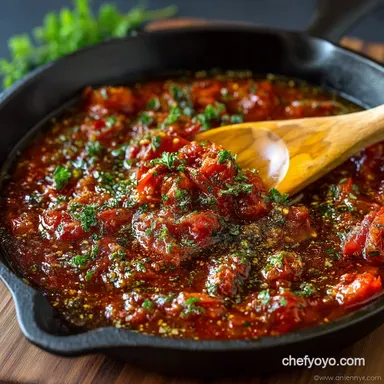
The Sunday Best Marinara a Slow Simmered Classic
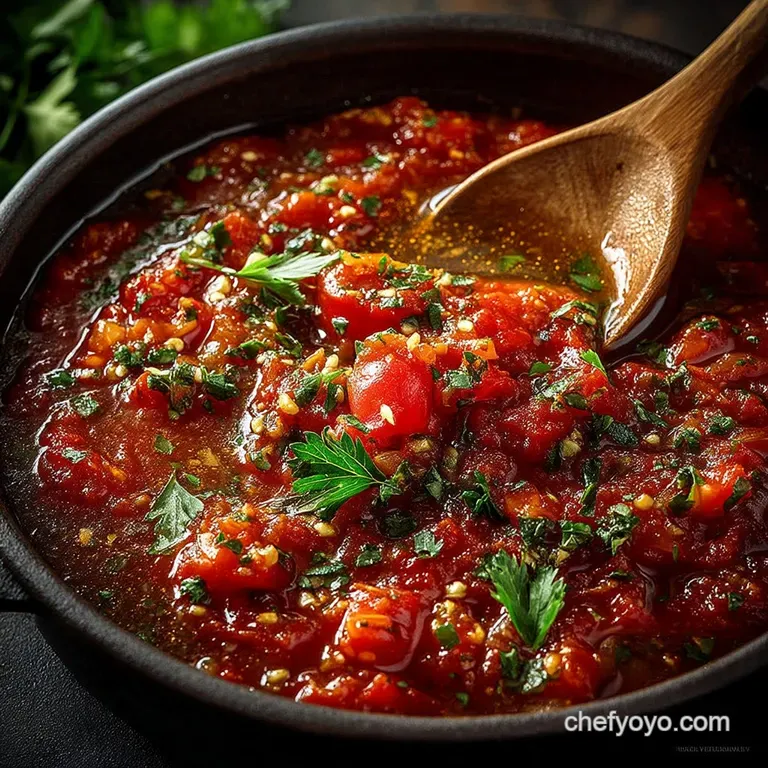
Mastering the Cornerstone of Italian-American Cooking
Every true culinary enthusiast understands that certain foundational recipes define a cuisine. For Italian-American cooking, that cornerstone is the perfect Marinara Sauce. This deceptively simple preparation, requiring just a handful of quality ingredients and a dedicated hour, serves as the ultimate benchmark for a chef's skill and patience.
While many home cooks search for the quickest route, learning How To Make Marinara Sauce Easy hinges not on speed, but on mastering the low-and-slow technique that coaxes maximum depth from minimal effort. The result is a vibrant, intensely aromatic sauce that elevates everything it touches.
Why Patience Creates the Ultimate Umami Depth
The most common mistake when preparing this Simple Italian Marinara Sauce is rushing the simmer. Our recipe requires approximately 50 to 60 minutes of active cooking time.
This extended duration is non-negotiable because it allows the flavors of the garlic, olive oil, and tomato to fully integrate and marry, transforming the sauce from a basic cooked tomato puree into a profound, earthy creation rich with umami.
As the sauce reduces, excess water evaporates, concentrating the natural sugars and achieving that perfect, velvety thickness and deep, brick-red hue characteristic of the Best Marinara Sauce Recipe .
The slow reduction is the secret weapon, turning a basic canned product into a complex, nuanced flavor experience.
The Simple History of Marinara Sauce
The origins of the classic Marinara Sauce are as practical as they are romantic. The name itself stems from the Italian word marinai , meaning "sailors." Legend holds that this sauce originated in Naples during the 17th century, where sailors, returning from sea voyages, needed a quick, sustaining meal that utilized long-lasting ingredients like canned or preserved tomatoes.
Unlike complex ragus that require days of simmering, Marinara was designed to be prepared in about an hour, making it an ideal choice for the maritime community and later, a staple for Southern Italian immigrant families establishing roots in America.
Defining the Difference: Marinara vs. Other Tomato Sauces
Understanding the distinctions between red sauces is key to appreciating this preparation. When comparing Marinara sauce vs tomato sauce , the primary differences lie in technique, cook time, and complexity.
A standard tomato sauce (or salsa di pomodoro ) often includes other vegetables like onions and carrots (a soffritto), and might simmer for several hours, sometimes containing meat. Marinara, by definition, is lighter and fresher.
It relies almost exclusively on the foundational flavors of high-quality tomatoes, garlic, olive oil, and basil. Our Marinara is naturally vegan, characterized by its bright acidity and the assertive fragrance of garlic, making it the purest expression of the tomato itself.
The Essential Components of a Classic Marinara Sauce
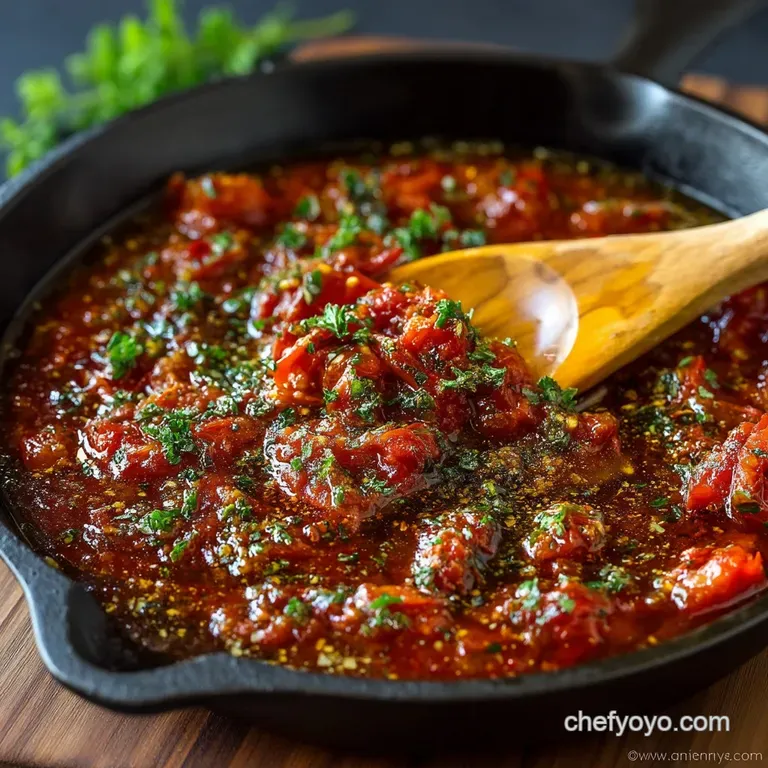
Creating truly transcendent Marinara requires respect for the Marinara sauce ingredients . Since the list is so short, the quality of each component is magnified. Do not view this as an opportunity to use up pantry leftovers; view it as an investment in flavor.
Selecting the Best Canned Tomatoes (The San Marzano Showdown)
The true hero of any great Italian sauce is the tomato. For this recipe, we strongly recommend using two 28 oz cans of whole peeled tomatoes. While some chefs attempt a Marinara sauce with fresh tomatoes , canned varieties, especially D.O.P.
Certified San Marzanos, often provide a more consistent, deeply sweet flavor profile, particularly outside of peak summer harvest season. San Marzano tomatoes, grown in the fertile volcanic soil near Mount Vesuvius, possess a lower acidity and fewer seeds, yielding a naturally richer sauce.
Before adding them to the pot, the best practice is to crush the whole peeled tomatoes by hand. This controlled method ensures they break down evenly while retaining their precious juices, setting the perfect consistency for the long simmer.
The Art of the Olive Oil and Garlic Infusion
The flavor base begins with a high-quality extra virgin olive oil and garlic. We call for ¼ cup of oil and a robust six large cloves of garlic, thinly sliced. This step is critical: the garlic must be infused slowly into the warm oil over low-medium heat for about three to five minutes, along with the optional ½ teaspoon of red pepper flakes.
The goal is to sweat the garlic and draw out its pungent oils without allowing it to brown or, worse, burn. Burnt garlic will inject a pervasive bitterness into the entire sauce, so this step demands close monitoring and restraint.
Fresh Herbs and Spice: Achieving Balanced Flavor
The seasoning profile is intentionally lean. Dried oregano and a single bay leaf are added at the start of the simmering process to provide earthy, background depth that permeates the sauce over time. However, the brightness comes from fresh basil.
It is crucial that ½ cup of fresh basil leaves are torn and stirred into the sauce only at the very end. The residual heat gently wilts the basil, releasing its volatile oils just before serving, providing the definitive fresh aroma that separates a good Marinara from a truly spectacular one.
Kitchen Gear: Must-Have Tools for the Perfect Simmer
While the ingredients are simple, the right equipment facilitates success. A heavy-bottomed pot or, ideally, a Dutch oven, is essential. Heavy pots distribute heat evenly and minimize the risk of scorching the bottom layer of the sauce, which is prone to sticking during the long, low simmer.
You will also need a wooden spoon or heat-proof spatula for occasional stirring, and a potato masher or immersion blender for achieving your desired texture after the reduction period is complete.
Related Recipes Worth Trying
- Tender Beef and Broccoli Stir Fry The Secret to Silky Glossy Takeaway Sauce — Forget soggy takeaway This Beef and Broccoli recipe uses the velveting secret for truly Tender Beef Get a rich glossy Homemade Sauce in 15 minutes A proper...
- Beef Enchiladas with Red Sauce Rich Homemade Chili Sauce Recipe — Forget the cans Our proper Beef Enchiladas with Red Sauce feature a deeply smoky homemade chili sauce over savoury ground beef The ultimate Sunday comfort...
- Ultimate Chicken Enchiladas Recipe ScratchMade Red Chile Sauce — Skip the canned sauce These Chicken Enchiladas use a rich smoky rouxbased red chile sauce Ideal quick easy after work dinners using rotisserie chicken...
Low and Slow: The step-by-step Technique for Maximum Flavor
This section breaks down the active steps involved in transitioning from raw ingredients to fully developed flavor.
Building the Flavor Base: Sautéing Aromatics Correctly
After preparing the tomatoes by crushing them and measuring all the aromatics (a process known as mise en place ), the cooking begins by gently heating the olive oil in your heavy pot. Once shimmering, the sliced garlic and red pepper flakes are added.
This initial, slow sauté is the single most important technique for flavor extraction. The garlic should be fragrant and just starting to turn pale gold, never brown. If you are feeling adventurous, after the garlic is fragrant, you can deglaze the pan with a small splash of dry red wine or water, scraping up any delicious, caramelized bits from the bottom of the pot before moving to the next stage.
The Critical Simmering Time (And What to Look For)
Once the crushed tomatoes, bay leaf, oregano, salt, and pepper have been stirred into the pot, bring the mixture up to a gentle simmer. Immediately reduce the heat to the lowest possible setting. The sauce should bubble occasionally with a soft, gentle "plopping" sound, not a rapid boil.
The active simmering time must be maintained for 45 to 60 minutes. During this period, the volatile flavors meld and the sauce visibly reduces. You will notice the color deepen from a bright, slightly aggressive red to a richer, almost velvety brick-red color, and the texture will thicken beautifully.
Remember to stir every 15 minutes to ensure uniform reduction and prevent sticking.
Finishing Touches: Adjusting Acidity and Seasoning to Perfection
After the sauce has achieved its desired reduction and thickness, it’s time to remove the bay leaf and taste critically. Canned tomatoes can sometimes impart a metallic or overly acidic sharpness. To counteract this, a simple trick is to stir in the optional ½ teaspoon of granulated sugar.
Alternatively, some Italian nonnas simply drop a half slice of carrot into the sauce during simmering and remove it before serving, letting its natural sweetness gently balance the acidity. Finally, stir in the fresh basil leaves, adjusting the salt and pepper levels one last time.
Remember that the ultimate seasoning for your Best Marinara Sauce Recipe will depend on the salinity of your canned tomatoes and your personal preference.
Extending Your Expertise: Tips, Storage, and Serving Ideas
Once you master this technique, you will find yourself making batches frequently. Here is how to handle common issues and maximize your yield.
Chef’s Troubleshooting Guide: Fixing Common Sauce Issues (Too Sweet or Too Thin)
A common issue is a sauce that tastes flat, watery, or metallic. If the sauce is too thin, simply remove the lid and allow it to simmer uncovered for an additional 15 to 20 minutes to encourage further reduction.
If the sauce tastes overly sweet (perhaps due to the type of tomato used) or metallic, counteract this by adding a tiny splash (about a quarter teaspoon) of high-quality red wine vinegar or fresh lemon juice. The sharpness of the acid will cut through the sweetness and brighten the overall flavor profile.
Creative Uses for Leftover Sauce (Beyond Pasta)
While the classic pairing is tossing this vibrant Marinara Sauce with spaghetti, its robust flavor makes it remarkably versatile. Use it as a vibrant base for homemade pizza, replacing standard jarred pizza sauce.
It is also exceptional spooned generously over creamy, freshly made soft polenta for a comforting weeknight meal. On top of that,, this Marinara makes a fantastic dipping medium for toasted sourdough bread, deep-fried ravioli, or fresh mozzarella sticks.
Long-Term Preservation: Freezing and Refrigerating Safely
The beauty of making a large batch of Marinara Sauce is the ability to preserve it for later use. Once completely cooled, homemade Marinara can be safely refrigerated in an airtight container for up to five days.
For longer storage, freeze the sauce in labeled, freezer-safe containers or heavy-duty freezer bags. Properly frozen Marinara maintains optimal quality for up to six months. If you are interested in creating a shelf-stable pantry item, adapting this Marinara sauce recipe for canning is possible, but this process requires specific knowledge of jar sterilization and pressure canning techniques to ensure long-term food safety.
Nutritional Breakdown of Homemade Marinara
One of the great advantages of making your own sauce is controlling the sodium and fat content. Based on a six-serving yield, this homemade sauce is significantly healthier than most store-bought varieties.
It is naturally low in calories, typically averaging 150 to 180 kcal per serving (without added pasta or protein). On top of that,, the sauce is a healthy source of fiber and beneficial nutrients from the cooked tomatoes, and the fat content is composed almost entirely of healthy monounsaturated fats from the olive oil.
Recipe FAQs
Can I make a big batch of this and stash it away for later?
Absolutely! This slow-simmered beauty is perfect for batch cooking and freezes brilliantly, making mid-week meals an absolute doddle. Once it's completely cooled (don't try to freeze it warm, you know the drill), transfer the Marinara Sauce into sturdy, airtight containers or heavy-duty freezer bags, leaving a bit of room for expansion.
It will keep happily in the freezer for up to six months, ready to be thawed overnight in the fridge or gently reheated straight from frozen in a pan on the hob.
My sauce tastes a bit sharp or "tinny." How do I balance the acidity without making it sweet?
That sharp flavour is a very common issue with canned tomatoes, but it's easily rectified. The recipe suggests a pinch of sugar, which simply neutralizes the edge without actually making the sauce taste sweet.
If you prefer a natural fix, try adding a half-inch slice of raw carrot to the sauce while it simmers; the carrot will absorb the excess acidity beautifully, and you can just scoop it out before serving. Low and slow cooking also naturally helps break down acids, so don’t skimp on the simmering time!
What’s the secret to getting that rich, deep red colour and thickness in this Marinara Sauce?
The deep, complex colour is achieved through patience, it’s all about reduction, allowing the sugars in the tomatoes to slowly caramelise as the water evaporates during the long simmer.
If your sauce is still thinner than you’d like after the suggested hour, just crank the heat up slightly and continue to cook it uncovered for another 10 to 15 minutes.
This allows rapid moisture loss, concentrating the flavour and giving you that lovely, velvety consistency that clings perfectly to pasta.
I can't find San Marzano tomatoes; what should I use instead?
It’s a bit of a tragedy when the larder is missing the Italian gold standard, but don't fret! The key is to look for the highest quality whole peeled tomatoes you can find that are packed in their own juice, rather than water.
California or other imported Italian plum tomatoes can be excellent stand-ins. Crucially, always opt for whole peeled tomatoes, as they tend to be processed less and hold their flavour better than pre-crushed varieties.
Is this recipe truly vegan, and should I stir the cheese directly into the pot?
Absolutely, this classic Marinara recipe is naturally vegan and dairy-free, relying entirely on plant-based ingredients for its robust flavour. It’s perfect for dipping and main dishes for all diets!
When it comes to cheese, the cardinal rule is to never cook grated hard cheese directly into the sauce. Instead, allow your guests to finish their own plates with freshly shaved or grated Parmesan or Pecorino Romano at the table for the best texture and flavour.
The Best Simple Italian Marinara Sauce Recipe Slow Simmered