The Ultimate Southern Chess Pie Buttery Sweet and Absolutely Cracking
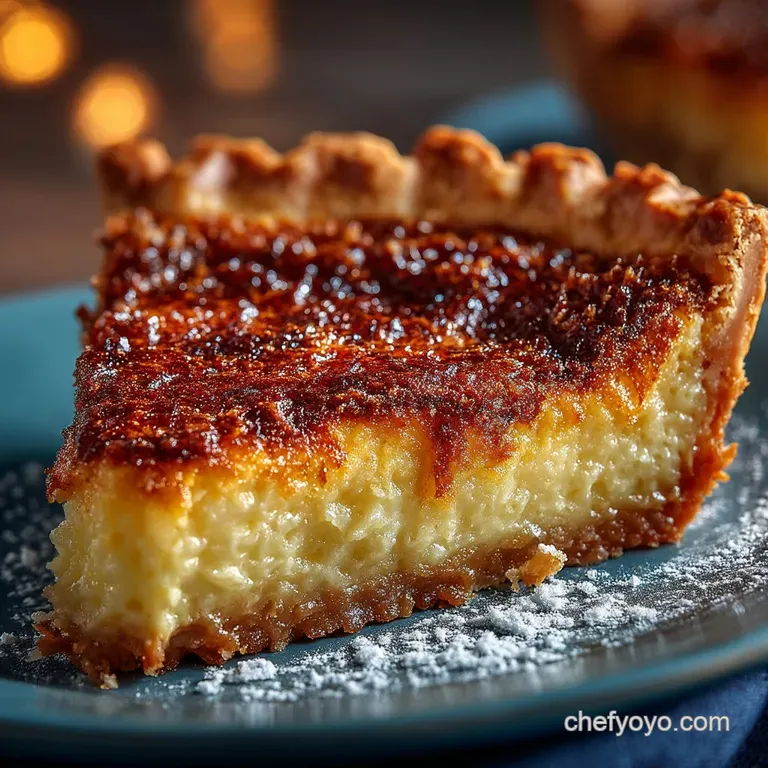
- Unlocking the Mystery of the Chess Pie Name
- Why This Southern Chess Pie is the Perfect Showstopper
- Assembling Your Pantry: Essential Ingredients for the Perfect Chess Pie
- Tools of the Trade: Equipment for Pie Perfection
- Mixing the Filling: Techniques for a Silky Smooth Custard
- The Baking Process: Achieving the Iconic Southern Chess Pie Crack
- Troubleshooting Common Chess Pie Baking Challenges
- Serving Suggestions and Storage Secrets
- Recipe FAQs
- 📝 Recipe Card
Unlocking the Mystery of the Chess Pie Name
The origin of the name for this quintessential Southern Chess Pie is a delightful piece of culinary folklore, often debated among seasoned bakers. While we are certain of its decadent flavour and rich heritage, the meaning behind "Chess" remains slightly ambiguous.
The most charming, and perhaps most probable, theory suggests a phonetic derivation: when asked what kind of pie they were serving, the baker would shrug and simply reply, "It's just pie," which in a thick Southern drawl sounds remarkably like "Jes' pie." Another popular theory links the name to pie chests, deep wooden cabinets used in pre-refrigeration times to store delicate baked goods, leading to the designation "Chest Pie." Regardless of its etymology, this traditional dessert stands as a monument to resourcefulness and simple elegance, making the search for the Best Chess Pie an enduring tradition across the American South.
Why This Southern Chess Pie is the Perfect Showstopper
This specific southern chess pie recipe is guaranteed to be a hit because it balances intense sweetness with a sophisticated, slightly acidic edge, a complexity often missing in more basic custard pies.
It leverages simple, high-impact Chess Pie Ingredients to deliver unparalleled richness. The resulting structure is dense enough to hold its shape beautifully when sliced, yet it remains incredibly creamy on the palate, confirming its status as the perfect showstopper for any gathering.
The Magic: Balancing Sweet Custard and Tangy Vinegar
The secret weapon in any superior chess pie is the intentional inclusion of an acid, in our case, 1 tablespoon of white or cider vinegar. This may sound counterintuitive, given the high sugar content (1 3/4 cups), but the acid is crucial for balancing the richness and preventing the final flavour from becoming cloyingly sweet.
On top of that,, the acid in recipes chess pie vinegar cornmeal helps tenderize the protein in the four large eggs, contributing significantly to the smooth, silky set of the custard. This technique elevates a simple pudding into a truly memorable dessert.
Defining the Ideal Texture: Density vs. Runniness
The textural goal for this classic Chess Pie Recipe Southern is a dense, almost buttery smoothness, achieved primarily through the use of melted butter and carefully measured starches. Unlike a thin pumpkin or pecan pie filling, a chess pie filling should possess a satisfying heft.
The presence of cornmeal ensures it sets firmly but not rigidly, maintaining a lush, velvety mouthfeel. The final baked custard should hold its shape and feel substantial, never runny or gelatinous.
A Quick History: Tracing the Pie’s Southern Roots
The Chess Pie’s history is deeply intertwined with the practicalities of early American baking. Originating in the Southern colonies, it became a staple because the Simple Pies Recipe relied exclusively on shelf-stable ingredients readily available year-round: eggs, butter, sugar, and flour or cornmeal.
It required no fresh fruit, making it perfect for winter months or long journeys. Many contemporary variations, including those found in vintage cookbooks, often cite the original style, reminiscent of a trusted southern living chess pie recipe passed down through generations.
Assembling Your Pantry: Essential Ingredients for the Perfect Chess Pie
Before beginning, ensure all wet ingredients, especially the four large eggs and 1/4 cup of milk or buttermilk, are brought to room temperature for optimal emulsification. The foundation relies on a whopping 1 3/4 cups (350g) of granulated sugar, paired with 2 tablespoons of yellow cornmeal and a generous two sticks of unsalted butter (one for the crust, 115g melted and cooled for the filling).
Don't forget the essential flavor agents: 2 teaspoons of high-quality vanilla extract and the 1 tablespoon of white vinegar, which provides that essential counter-balance.
Tools of the Trade: Equipment for Pie Perfection
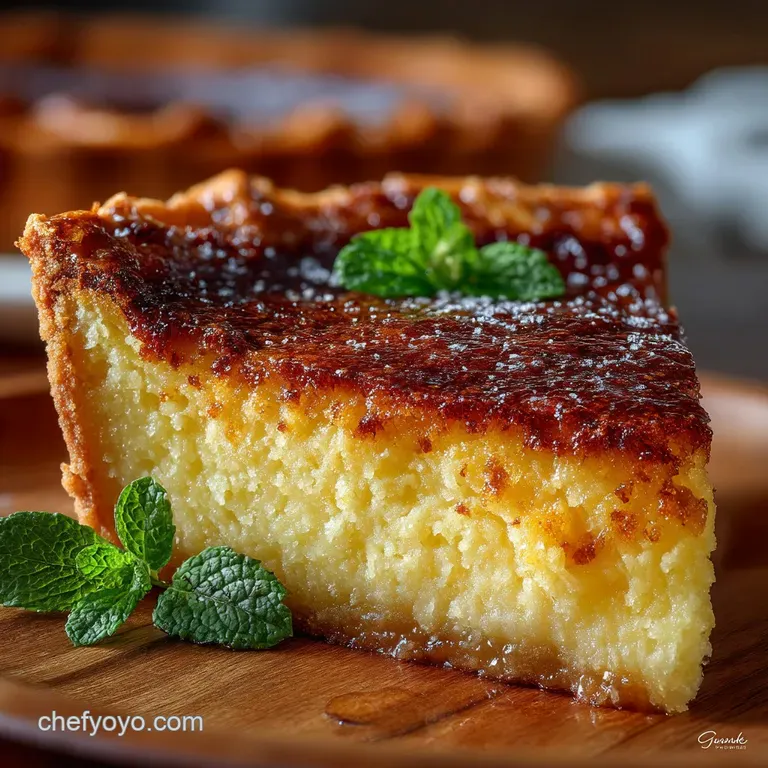
While the recipe is straightforward, the right equipment ensures success. You will need a standard 9-inch pie dish, preferably one made of ceramic or glass for even heat distribution.
A stand mixer with a whisk attachment or a high-quality hand whisk will make combining the custard easy, and, crucially for the crust, you must have pie weights or dried beans for the blind-baking stage.
Selecting the Starches: Cornmeal vs. Flour Debate
The 2 tablespoons of yellow cornmeal specified in this recipe are integral to achieving the traditional Southern texture. While some variations result in a smoother finish, the cornmeal provides a fine granulation that stabilizes the custard beautifully and gives the pie its signature rustic texture.
For those curious about a variation, substituting the cornmeal with an equal amount of all-purpose flour will result in a southern chess pie without cornmeal , producing a filling that is closer to a dense lemon curd, but slightly less authentic in texture.
The Buttery Foundation: Mastering the Flaky Pie Crust
The quality of the crust is non-negotiable. To avoid a disastrous "soggy bottom," we use 2 cups (250g) of all-purpose flour and ensure the 1 stick of butter used in the dough is extremely cold.
Flakiness is achieved by cutting the cold butter into the flour until only pea-sized crumbs remain, ensuring distinct layers form when baked. Mastering this buttery foundation is the first step in preparing the best possible pie.
High-quality Flavor Agents: Vanilla and Citrus Zest Notes
Since the ingredient list for this custard is so lean, the quality of your flavor agents must be high. Use premium vanilla extract (2 teaspoons worth), as its warmth plays a key role.
While this recipe specifically calls for vinegar, a lovely alternative is incorporating the zest of one lemon along with the acid, adding a bright complexity. If you are leaning toward the popular variation of southern chess pie with pecans , those nuts should be toasted and pressed onto the bottom of the crust before pouring in the filling.
Must-Have Kitchen Gear for Custard Baking
Beyond the basics, invest in a dedicated baking sheet. Placing the 9-inch pie dish on a sturdy baking sheet before filling and transferring it to the oven ensures stability and prevents any potential drips from scorching your oven floor, making the entire process easier and safer.
Related Recipes Worth Trying
- Ultimate Spanakopita Pie Flaky Phyllo Feta Spinach Comfort — This traditional Spanakopita recipe with phyllo delivers the ultimate flaky crunch and tangy fetaspinach filling Follow our tips for a perfect Greek...
- Proper Sweet Potato Pie Flaky Crust Deeply Spiced Filling — The ultimate sweet potato pie recipe a truly velvety filling bursting with spice nestled inside a perfect flaky sweet potato pie crust Forget pumpkinthis is...
- Silky Sweet Potato Pie Recipe The Secret to a Smooth CrackFree Filling — Bake the ultimate Sweet Potato Pie This recipe guarantees a creamy silky filling and a flaky neversoggy sweet potato pie crust The perfect Fall Comfort Food
Mixing the Filling: Techniques for a Silky Smooth Custard
Achieving that signature silky texture depends heavily on your mixing technique. The goal is to blend thoroughly without incorporating excess air, which can cause the pie to puff dramatically and then collapse, leading to a large crack.
Begin by whisking the dry ingredients, the sugar, cornmeal, and salt, to break up any clumps. In a separate bowl, whisk the wet components (eggs, melted butter, milk, vanilla, and vinegar) until uniform. Slowly pour the wet ingredients into the dry bowl, whisking gently only until the mixture is homogenous.
Stop immediately once smooth; resistance to over-mixing is key here.
The Baking Process: Achieving the Iconic Southern Chess Pie Crack
Baking the custard requires careful temperature management. After pre-baking the crust at 375°F (190°C), the oven temperature must be reduced to a lower, gentler 325°F (160°C) for the custard bake.
This lower, slower heat allows the egg proteins to set gradually, minimizing the chance of curdling or separation.
Preparing the Wet and Dry Components Separately
This simple organizational step is perhaps the most vital in creating a lump-free filling. By whisking the 1 3/4 cups of sugar with the stabilizing cornmeal separately, you ensure the sugar begins to dissolve evenly when the liquids are added, guaranteeing a uniform and smooth filling every time.
Achieving the Perfect Blind Bake
A successful Chess Pie requires a fully blind-baked crust to ensure structural integrity against the rich, heavy filling. After lining the dough and docking the bottom, bake the crust with weights for 15 minutes at 375°F.
The critical second stage involves removing the weights and baking for an additional 5- 7 minutes until the base is completely dry and lightly golden. This step prevents the melted butter in the filling from permeating the dough, providing the ultimate defense against sogginess.
Monitoring the Custard Setting Point
The pie must bake for approximately 45–55 minutes. You know the filling is perfectly cooked when the edges appear set and slightly risen, but the center, about 2-3 inches across, retains a slight, gentle wobble, similar to loosely set gelatin.
Remove the pie immediately at this stage, as residual heat will continue to cook the custard outside the oven. Over-baking will lead to a dry, potentially curdled texture and almost certainly result in a large, unsightly crack across the surface.
The Essential Cooling and Rest Period
Patience is mandatory after baking. The southern chess pie recipe requires a mandatory rest period of at least 3 hours at room temperature. This prolonged cooling allows the custard to finish setting completely.
Attempting to slice the pie before it has fully cooled will result in a messy, liquid slice.
Troubleshooting Common Chess Pie Baking Challenges
The most common issue encountered is the dreaded cracked top. This usually occurs because the oven temperature was too high, or the pie was baked too long, causing the filling to set too quickly and pull away from the crust.
To prevent this, ensure your temperature is accurately set to 325°F and utilize a pie shield (foil strips placed over the crust edges) if they begin to darken prematurely. If the filling seems spongy, it means the eggs scrambled slightly; next time, whisk the filling less aggressively and check your oven thermometer accuracy.
Serving Suggestions and Storage Secrets
Once your perfect pie has rested, slicing it cleanly with a warm, sharp knife enhances the presentation.
Can I Make This Southern Chess Pie gluten-free?
Yes, the southern chess pie recipe is easily adaptable. The filling is primarily starch-stabilized (using cornmeal), so it is naturally low in gluten. The main adjustment is the crust.
You can successfully substitute the standard pie crust with a reliable gluten-free flour blend (250g/2 cups), or, for a simpler solution, use a crust made from crushed gluten-free vanilla wafers or, as noted above, a southern chess pie with pecans crust, which provides excellent flavour and texture without relying on wheat flour.
Perfect Pairings: What to Serve Alongside Your Pie
Due to its intense richness, the Best Chess Pie benefits from accompaniments that provide contrast. A simple dollop of freshly whipped cream, slightly sweetened, is ideal. For an elevated experience, pair each slice with a handful of fresh, tart raspberries or a light dusting of powdered sugar.
The traditional beverage pairing is a strong, black roast coffee, which cuts through the sweetness, or, for an adults-only pairing, a small pour of barrel-aged Bourbon or sweet Madeira wine complements the deeply caramelized notes of the custard.
Extending Freshness: Refrigeration and Freezing Advice
This pie keeps exceptionally well. If left uncut, it can remain safely at cool room temperature for up to two days. For longer storage, tightly wrap any leftovers and refrigerate them for up to five days.
To freeze the pie, ensure it is completely cooled, wrap it tightly in plastic wrap followed by aluminum foil, and store it for up to three months. Thaw overnight in the refrigerator before serving.
Nutritional Breakdown and Serving Size Facts
This recipe yields 8 generous slices from a 9-inch pie. Given the high content of butter (two sticks total) and sugar (1 3/4 cups), this dessert is, unapologetically, an indulgence.
Each serving is estimated to contain between 450 and 550 kilocalories, with a high percentage of those calories coming from saturated fats and carbohydrates. It is a hearty, deeply satisfying dessert meant to be savored, not counted.
Recipe FAQs
Right then, what exactly is a Southern Chess Pie and why is it called that?
The Southern Chess Pie is a proper old-fashioned American pudding, consisting of a rich, sweet custard filling, largely butter, sugar, and eggs, stabilised with a touch of cornmeal.
The name is a bit of a mystery, though the best guess suggests it evolved from 'cheese pie' (referring to the richness) or 'chest pie,' as it was sturdy enough to be stored in a pie chest before refrigeration was the norm. It's truly a cracking bit of history!
Oh dear, how can I stop my pie crust from getting a soggy bottom?
A soggy bottom is a crime in the baking world, but fear not, the solution is full blind-baking. Ensure you bake the crust with weights for the first 15 minutes, remove the weights, and then bake for another 5–7 minutes until the base is dry.
As a crucial last step, brush the hot base with a thin coat of egg white before the final brief bake; this creates a waterproof seal that guards against the wet custard filling.
My filling cracked! How do I know when the Southern Chess Pie is perfectly set, and can I stop those pesky cracks?
Cracking usually means the pie was slightly overcooked or cooled too quickly. To test for doneness, look for the 'jelly wobble': the edges should be firm and puffed up, but the centre (about two inches wide) should still have a gentle tremor.
To stop cracks, remove the pie immediately and let it cool extremely slowly on a wire rack at room temperature, making sure to avoid cold draughts.
This is awfully sweet, are there any cracking variations or ways I can cut the richness?
Yes, the classic version is definitely indulgent! To reduce the richness, you can safely drop the granulated sugar in the filling by up to 1/4 cup without affecting the structure. Alternatively, incorporate some acid: try swapping the milk for lemon juice and adding zest for a Lemon Chess Pie, or whisking in high-quality cocoa powder for a deep, rich Chocolate Chess Pie that cuts through the primary sweetness.
How should I store the leftover pie, and can I make it ahead for a big event?
Once the pie has completely cooled and set (which takes a minimum of three hours), you can store it loosely covered at room temperature for up to 48 hours. For longer storage, keep it covered in the refrigerator for up to four days.
It’s perfect to make a day ahead, but allow it to sit at room temperature for about an hour before serving for the best possible texture and flavour.
