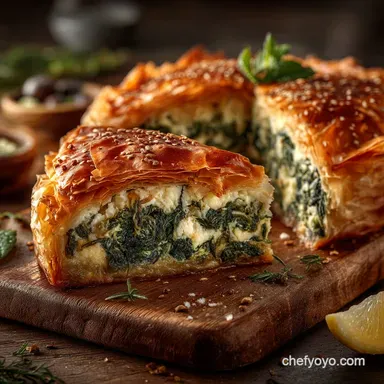
The Ultimate Flaky Tangy Spanakopita a Greek Comfort Classic
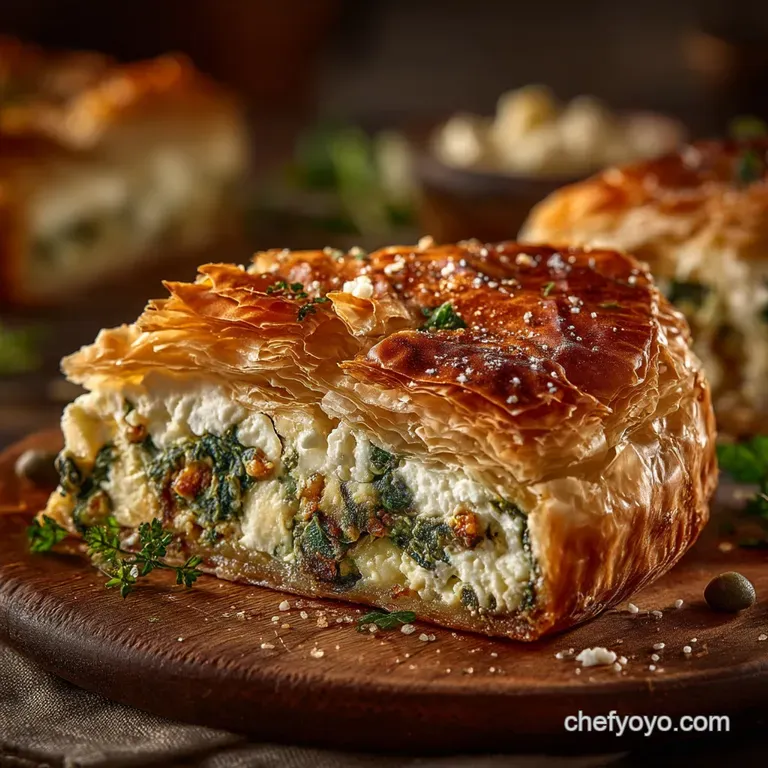
- The Magic of Spanakopita: Why This Pie is a Greek Icon
- Essential Components for Authentic Spanakopita Perfection
- Required Kitchen Tools to Assemble Your Pie
- Crafting the Herbaceous Filling
- Mastering the Art of Layering Phyllo Sheets
- Baking and Resting for the Ultimate Crunch
- Planning Ahead: Making, Storing, and Reheating Spanakopita
- Serving Suggestions and Delicious Recipe Variations
- Frequently Asked Questions About this Healthy Greek Classic
- Recipe FAQs
- 📝 Recipe Card
The Magic of Spanakopita: Why This Pie is a Greek Icon
When the subject turns to iconic Mediterranean fare, few dishes command as much immediate affection as Spanakopita. This magnificent savory pastry, easily identified by its multitude of flaky, golden layers, is far more than just spinach and cheese encased in dough, it's a celebration of simple, seasonal ingredients elevated by centuries of tradition.
For those wondering about the authentic Spanakopita pronunciation , it’s typically said "spah-nah-KOH-pee-tah," but regardless of how you say it, the glorious crunch followed by the bright, briny filling speaks a universal language of comfort.
Our definitive Spanakopita Recipe With Filo transforms a potentially daunting process into an accessible kitchen triumph, resulting in a showstopping Spanakopita Pie that is simultaneously hearty and sophisticated.
A Brief Taverna History: Tracing the Roots of Greek Spinach Pie
The foundation of Spanakopita, the whisper-thin phyllo pastry, boasts a lineage stretching back to the Byzantine and Ottoman eras. While many regional variations exist across Greece, some using rustic, thicker doughs, the classic pie we know today is characterized by its reliance on delicate, tissue-like sheets.
Historically, these savory pies were crucial elements of the Greek diet, often featuring heavily in spring and during periods of fasting, like Lent, when they provided necessary sustenance without meat.
The combination of vibrant greens, local herbs, and salty feta cheese remains a timeless reflection of the Greek landscape and its culinary ingenuity.
Balancing the Briny Feta and Herbaceous Filling
The soul of this dish lies squarely in its filling, which provides a dramatic counterpoint to the buttery crust. The spinach is merely a canvas for the intense flavor provided by fresh, highly aromatic herbs, chiefly dill, which is absolutely mandatory, complemented by parsley and a subtle hint of mint.
This herbaceous mix cuts through the richness of the pastry. Crucially, the presence of creamy, salty feta cheese not only adds a wonderful tang but also binds the ingredients perfectly alongside lightly beaten eggs.
This careful calibration of flavors ensures the pie is never dull, delivering layers of savory complexity in every bite.
The Secret to the Signature Golden Phyllo Crunch
Achieving that glorious, shattering crunch is the most satisfying part of mastering this recipe. The secret is twofold: high-quality butter and meticulous technique. Unlike many pastries, the butter here is not incorporated into the dough but layered generously between the paper-thin sheets.
By utilizing a mixture of melted butter and a small amount of olive oil (2 tbsp of oil to 1 cup of butter), we ensure the phyllo stays flexible during assembly while guaranteeing incredible flakiness during baking.
When the steam from the melting fat separates these layers, you get the unmistakable, deep golden finish and signature airy texture that defines perfect Spanakopita.
Essential Components for Authentic Spanakopita Perfection
Creating a truly authentic Greek spinach pie hinges on respecting the quality and preparation of three key elements: the greens, the cheese, and the pastry. For this recipe, which yields 10 to 12 generous servings in a standard 9x13 inch baking dish, precision is key.
We rely on 2 pounds (900g) of fresh spinach (or 3 pounds if using frozen) and a generous 14 ounces (400g) of good quality feta cheese. The herbs, specifically $1/2$ cup packed fresh dill and $1/4$ cup packed parsley, must be fresh, as their vibrant flavor cannot be replicated with dried substitutes.
Finally, a single 1-pound package of frozen phyllo dough forms the structure, demanding gentle care and patience to transform into the crisp, buttery crust we crave.
Required Kitchen Tools to Assemble Your Pie
While the ingredients are simple, having the correct tools on hand makes the delicate process of assembly efficient and successful. A 9 x 13 inch casserole dish is the ideal size for a deep, family-style pie.
Essential for preparing the filling is a large frying pan for sautéing the aromatics, and critically, a fine-mesh strainer or cheesecloth is necessary for the single most important step: thoroughly draining the spinach. However, the true hero tool for achieving uniform results is the pastry brush.
A high-quality, soft-bristled, or silicone brush is required to ensure the butter and olive oil mixture is spread lightly and evenly across the delicate phyllo sheets without tearing them.
Fresh vs. Frozen: Which Spinach Yields the Best Filling Texture?
Both fresh and frozen spinach can produce an excellent filling, but the key distinction lies in the preparation required to mitigate moisture. While using 2 pounds of fresh spinach, sautéed until wilted, gives a slightly better texture and color, many cooks prefer the convenience of thawed frozen spinach (3 pounds needed).
Regardless of your choice, the result relies entirely on the post-cooking process. You must meticulously squeeze every drop of moisture from the cooked spinach. Failure to do so will introduce excess steam into the pie during baking, resulting in a soggy bottom layer rather than the desired crisp crust.
Selecting the Ideal Feta for Maximum Tang
The quality of the feta directly impacts the flavor depth of your Easy Spanakopita Recipe . We strongly recommend seeking out full-fat, authentic Greek feta stored in brine. This variety is creamier and far tangier than the pre-crumbled, vacuum-sealed versions often sold in plastic containers.
The robust, salty nature of high-quality feta means that you generally won't need to add any salt to the filling mixture, relying solely on the cheese for seasoning.
Preparing the Delicate Dough: Tips for Thawing and Handling
Phyllo dough is notoriously temperamental, but with proper handling, it is manageable. The 1-pound package must be thawed slowly, first overnight in the refrigerator, and then allowed to rest, still sealed, at room temperature for at least 60 minutes before you begin working.
This gradual thawing prevents the sheets from sticking together or becoming brittle. The absolute rule while assembling is to keep the unused stack of phyllo covered at all times with a slightly damp tea towel.
If the air hits the dough for more than a minute, it will dry out instantly and shatter, turning your assembly process into a frustrating experience.
Must-Have Baking Dishes and Brushes for Even Layering
For this classic, rectangular Spanakopita Pie , the 9x13 inch baking dish is mandatory as it offers the perfect surface area for even baking and portioning. When selecting your pastry brush, avoid stiff brushes that might snag the phyllo.
You need a tool that delivers a consistent, thin wash of the melted butter and olive oil mixture (1 cup melted butter mixed with 2 tbsp oil) across the entire sheet. This even distribution is crucial because every layer that doesn't receive fat will fuse with the layer below it, preventing the characteristic puff and flake.
Crafting the Herbaceous Filling
The creation of the filling is the most straightforward part of the process. Once the spinach has been squeezed bone-dry and roughly chopped, attention turns to the aromatics. Begin by sautéing one finely diced medium yellow onion in 3 tablespoons of olive oil until it is completely soft and translucent, a process that builds the foundational sweetness of the filling.
This must be removed from the heat and allowed to cool slightly before mixing to prevent cooking the eggs prematurely. In a large bowl, combine the cooled onions, drained spinach, 14 ounces of crumbled feta, the chopped fresh dill and parsley, a tablespoon of mint, and the two lightly beaten eggs, which act as a binder.
A sprinkle of black pepper finishes the seasoning, creating a balanced and ready-to-use mixture.
Related Recipes Worth Trying
- Authentic Flaky Traditional Spanakopita Triangles with Zesty Feta — Master these Traditional Spanakopita Triangles Our foolproof guide guarantees a shattering buttery phyllo crust around the rich spinach and feta filling...
- Spinach Has Never Looked So Good Spanakopita Recipe — Spinach Has Never Looked So delicious Make this easy Spanakopita Greek Spinach Pie with flaky phyllo feta dill Inspired by My Big Fat Greek Wedding OPA
Mastering the Art of Layering Phyllo Sheets
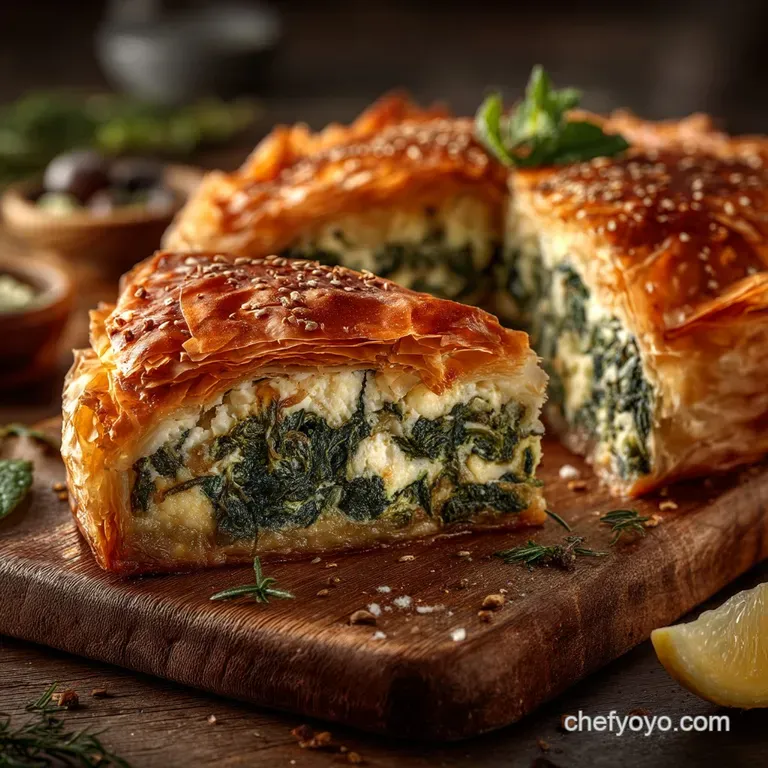
This is where you truly learn How To Make Spanakopita . Assembly begins by lightly greasing your 9x13 dish with some of the butter mixture. You will be using the phyllo in two large blocks: one for the base and one for the top.
Start by laying a single sheet of phyllo in the dish and gently brushing it with the butter-oil mixture. Repeat this process until you have created exactly ten meticulously buttered layers for the bottom crust. This substantial base ensures the pie remains stable and prevents the wet filling from penetrating the crust.
Once the base is complete, gently spread the entirety of the spinach and feta mixture over the phyllo in an even layer. Finish the pie by repeating the layering process with the remaining 8 to 10 phyllo sheets, lightly brushing every second sheet before liberally coating the very top layer with any remaining butter.
Baking and Resting for the Ultimate Crunch
The final step before the pie enters the oven is crucial. Before baking, use a sharp knife to lightly score the top layers of the pastry into your desired serving portions (squares or the traditional Spanakopita Triangles shape, though usually only cut all the way through for individual portions).
This scoring allows steam to vent evenly, preventing bubbles and ensuring the finished product can be cut cleanly once cooled.
Sautéing Aromatics to Build the Flavor Base
The primary purpose of sautéing the diced yellow onion is not just to soften it, but to introduce a depth of savory, caramelized sweetness that contrasts sharply with the saltiness of the feta and the metallic brightness of the spinach.
Using good quality olive oil here adds authentic Mediterranean character to the flavor base, differentiating the pie from merely boiled spinach preparations.
Draining the Spinach: The Key to Preventing a Soggy Pie
We cannot overstate the necessity of completely draining and squeezing the spinach. Any residual liquid will turn to steam in the oven, creating condensation that traps moisture against the bottom layer of phyllo, resulting in a gluey, compressed crust.
Use a tea towel or cheesecloth to twist and wring the spinach until it is visibly dry and compact before incorporating it into the other filling ingredients.
The Buttering Technique: Achieving Flakiness Without Tearing
The technique requires speed and a light hand. Ensure the melted butter and olive oil mixture is warm, not hot. Dip the soft pastry brush into the mixture and apply a fine, sheer layer to the phyllo.
If you apply too much butter at once, the sheet will become waterlogged and tear; if you apply too little, the layers will not separate and puff. Consistency is the goal.
Sealing the Spanakopita: Folding and Cutting Before Baking
Once the top layers are laid down, you must create a sealed edge. Gently tuck the excess phyllo from the sides of the top crust underneath the layered bottom crust at the edges of the pan. This neat perimeter helps the pie maintain its shape and ensures the edges crisp up beautifully.
Remember to score the top layers immediately after sealing, before placing it in the oven.
Optimal Oven Temperature and Timing Guidelines
Preheat your oven to 375°F (190°C). This moderate temperature is ideal because it is high enough to generate steam, puffing the pastry layers, yet low enough to allow the crust to bake through and brown deeply over the course of the 45 to 50 minutes required.
When it emerges, the top should be visibly golden-brown and crackling. Allow the pie to rest for a mandatory 15 minutes outside the oven before cutting completely through the scored lines; this cooling period allows the filling to set and prevents immediate collapse.
Planning Ahead: Making, Storing, and Reheating Spanakopita
Spanakopita is an excellent make-ahead dish, perfect for entertaining. The entire pie can be assembled, scored, and frozen unbaked. If planning to freeze, wrap the scored, unbaked pie tightly in plastic wrap followed by aluminum foil.
When ready to bake, transfer it directly from the freezer to a cold oven, then immediately start the preheating process to 375°F (190°C), increasing the bake time by about 20 to 30 minutes until golden.
Leftovers should be stored in an airtight container in the refrigerator and are best reheated in a low oven (around 300°F/150°C) until warm and crisp, which brings back the phyllo’s desirable crunch. Avoid microwaving, which renders the crust soggy.
Serving Suggestions and Delicious Recipe Variations
While this substantial Spanakopita Pie can certainly stand alone as a main course, pairing it with fresh, cooling accompaniments elevates the entire meal. Knowing What do you serve with spanakopita? can complete the Mediterranean dining experience.
Pairing Greek Pie: What to Serve Alongside Spanakopita
The richness of the buttery phyllo and the salty feta is beautifully balanced by something acidic and fresh. A simple side of crisp rocket (arugula) dressed lightly with lemon juice and high-quality olive oil is a perfect counterpoint.
Alternatively, a cooling dollop of authentic Tzatziki, made from yogurt, cucumber, and garlic, or a simple lemon yogurt sauce provides a refreshing contrast to the salty filling.
Introducing Zucchini or Leeks for an Earthier Flavor Profile
While traditional Spanakopita focuses solely on spinach, the beauty of the Greek pie concept is its flexibility. You can introduce variations to the filling for a seasonal twist. Finely shredded zucchini, sautéed to remove moisture, or thinly sliced, wilted leeks can substitute up to half of the spinach quantity.
These additions impart an earthier, subtly sweeter flavor, adding complexity without sacrificing the integrity of the classic recipe. For those seeking individual portions, the same filling and layering principles apply when forming smaller Spanakopita Triangles instead of the large pie format.
Frequently Asked Questions About this Healthy Greek Classic
Can I Assemble and Freeze the Pie Before Baking?
Yes, absolutely. Assembled but unbaked Spanakopita freezes exceptionally well. After assembling and scoring, wrap the entire dish tightly with multiple layers of cling film and foil. It can be stored for up to three months.
Bake from frozen, adding extra time to the standard bake until the internal temperature is reached and the crust is golden.
Best Practices for Storing and Enjoying Leftovers
To maintain the best texture, always store leftover Spanakopita pieces in a single layer in a sealed container in the refrigerator for up to four days. To reheat, avoid the microwave at all costs.
Place slices on a baking sheet and bake in a preheated oven at 300°F (150°C) for about 10–15 minutes until the pastry is crisp again.
Pairing Greek Pie: What to Serve Alongside Spanakopita
To round out the meal, consider serving the pie with light, cooling, and acidic elements. A refreshing Greek salad (Horiatiki), free of lettuce but full of tomatoes, cucumbers, and olives, is ideal. Simple grilled lemon chicken or fish also complements the salty, savory notes of the pie beautifully.
Addressing Common Phyllo Issues (Cracking, Sticking, etc.)
The two main enemies of phyllo are dryness and heat. To prevent cracking, ensure the dough is fully thawed and kept under a damp tea towel while you work. If sheets stick together, this usually indicates improper thawing or temperature fluctuation; attempt to peel them apart gently, but if they tear, simply use the torn pieces in the middle layers where they will be concealed by butter and other sheets.
Is This Spanakopita Suitable for Vegetarians?
Yes, this traditional recipe, focused on greens, feta cheese, and eggs, is inherently suitable for vegetarians. It provides a hearty, protein-rich meal without the need for any meat products.
Recipe FAQs
Help! My phyllo dough is cracking and tearing when I try to layer it. What am I doing wrong?
Don't panic, managing phyllo is often the trickiest bit! The golden rule is moisture control. Keep the stack of phyllo you aren't currently working with covered with a slightly damp tea towel at all times; if it dries out, it becomes brittle, resulting in a proper culinary nightmare.
Also, ensure the dough has properly thawed and rested at room temperature for at least an hour before you start, rushing this stage often causes shattering.
My beautiful Spanakopita often ends up with a soggy, gluey base. Is there a proper trick to prevent this?
Absolutely, the secret to avoiding a damp tragedy is ruthlessly draining your greens. You must squeeze the cooked or thawed spinach as though your life depends on it! Use a tea towel or cheesecloth and wring out every last drop of moisture.
Furthermore, ensure the onions are cooled before mixing, and always let the baked pie rest for 15 minutes before cutting completely through; this allows the filling to set and prevents steam from condensing back into the bottom crust.
Can I assemble this pie the day before, or is it better to freeze the leftovers?
While tempting, assembling the entire pie uncooked the day before is risky, as the moisture from the feta and spinach will eventually seep into the delicate phyllo, turning it sodden before baking. For maximum convenience, prepare and mix the entire filling one day ahead and store it in the fridge.
Assemble the pie fresh, or alternatively, freeze the entire Spanakopita unbaked and tightly wrapped, then bake straight from the freezer (adding about 15-20 minutes to the total bake time).
I don't have fresh dill, or I want to use different greens. Will that ruin the authentic flavour profile?
Dill is non-negotiable for that classic Greek taverna flavour, lending an essential anise-like freshness. If you can’t get fresh, use about two teaspoons of dried dill, but it won’t be quite the same.
When it comes to the greens, you can substitute up to half of the spinach with chard or curly kale, provided you take extra care to blanch and squeeze them thoroughly, we need them bone dry, remember!
The recipe uses a lot of feta. Is there a way to manage the saltiness or cut down on the richness?
Feta is the star, but if you find traditional varieties too salty, opt for a lower-sodium feta or blend it with 4 oz of unsalted ricotta cheese for a creamier, milder texture. To reduce richness, you can substitute 4 oz of the butter used for brushing with olive oil, though this may slightly reduce the puffiness.
Remember not to add any extra salt to the filling mixture, as the feta already provides plenty of seasoning.
Ultimate Spanakopita Pie Flaky Phyllo Feta Spinach Comfort