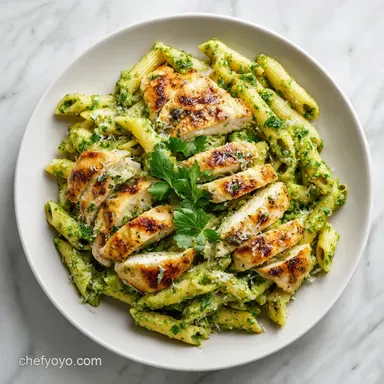
Healthy Pesto Chicken Pasta: Velvety and Wholesome
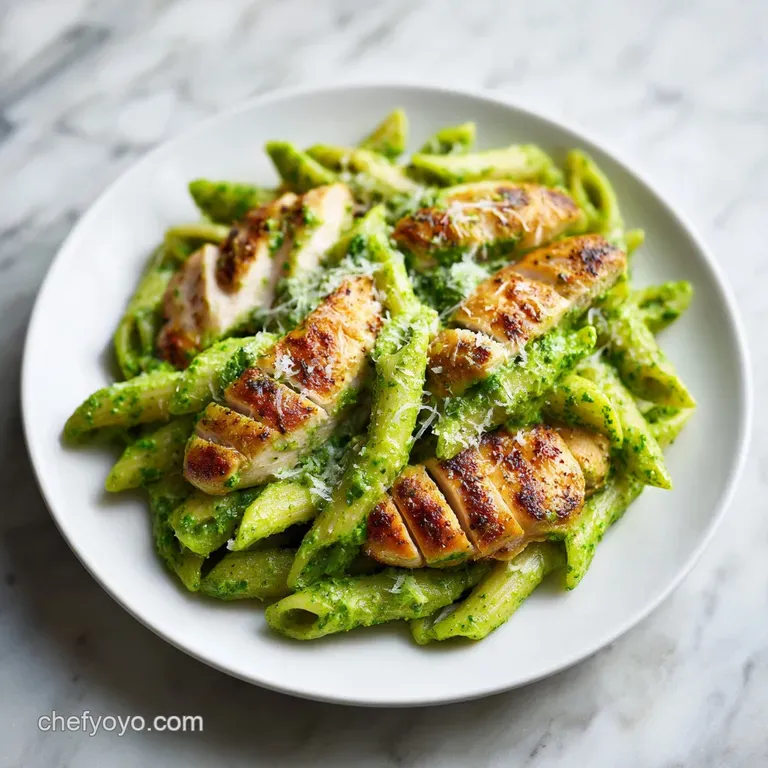
- Time: 10 min prep + 20 min cook = Total 30 minutes
- Flavor/Texture Hook: Velvety sauce with a golden brown chicken crust
- Perfect for: Weeknight dinners, healthy meal prep, beginner cooks
- Pesto Chicken Pasta
- Why This Dish Wins
- Fast vs Classic Comparison
- Component Analysis
- Essential Kitchen Gear
- Ingredients & Substitutes
- Cooking Step by Step
- Fixing Common Issues
- Flavor Tweaks & Swaps
- Adjustment Guidelines
- Truths About Pesto Pasta
- Storage and Zero Waste
- Best Side Pairings
- Recipe FAQs
- 📝 Recipe Card
Pesto Chicken Pasta
The second that garlic hits the hot olive oil, the whole kitchen transforms. It's that pungent, sharp aroma that immediately tells you something comforting is happening. I remember the first time I tried a version of this in a small, family run spot near Genoa.
The pesto wasn't just a sauce; it was a tribute to the coast, smelling of crushed basil and salty parmesan, clinging to the pasta in a way that felt like a warm hug.
Back then, I thought the secret was just using more cheese. But after bringing this dish into my own kitchen, I realized the real magic is in the balance. For a long time, my versions were either too oily or the basil tasted "muted" because I overcooked the sauce.
Once I started treating the pesto as a finishing touch rather than a simmering base, the colors stayed vibrant and the flavor stayed punchy.
This Pesto Chicken Pasta is my go to when I want something that feels like a treat but doesn't keep me trapped in the kitchen for hours. It’s a rustic assembly of simple, wholesome ingredients that come together in one pan.
We're aiming for a velvety texture that doesn't feel heavy, paired with chicken that actually has a sear on it rather than being steamed.
Why This Dish Wins
I've spent way too much time wondering why some restaurant pastas are glossy while mine sometimes look broken or dry. It turns out, it's not about the brand of pasta, but how you handle the liquids.
The Glossy Glue: Starchy pasta water acts as a bridge between the oily pesto and the chicken, creating a smooth emulsion.
Protein Browning: Searing the chicken in a single layer creates a golden crust that adds a nutty depth to the fresh basil.
Acid Balance: A splash of lemon juice at the end cuts through the richness of the pine nuts and cheese, brightening the whole plate.
Texture Contrast: Adding spinach and tomatoes at the very end keeps them from turning into mush, leaving a bit of a snap to the bite.
Fast vs Classic Comparison
Depending on how much time you have, you can pivot your approach. Most people choose the fast route for a Tuesday night, but the classic way is where the artisanal flavor really hides.
| Feature | Fast Route | Classic Route | Impact |
|---|---|---|---|
| Pesto Source | store-bought | Homemade | Freshness & brightness |
| Chicken Prep | Pre cut cubes | Whole breast, hand sliced | Better juice retention |
| Pasta Type | Regular Penne | Whole Wheat/Chickpea | Nutty flavor & higher fiber |
Component Analysis
Understanding what each ingredient is actually doing helps you make better decisions when you're missing something in the pantry.
| Ingredient | Science Role | Pro Secret |
|---|---|---|
| Greek Yogurt | Stabilizer | Keeps the pesto from separating under heat |
| Pasta Water | Emulsifier | The "liquid gold" that binds sauce to noodle |
| Lemon Juice | pH Balancer | Prevents basil from oxidizing (turning brown) |
| Parmesan | Salt/Umami | Fold in at the end to prevent clumping |
Essential Kitchen Gear
You don't need a professional kitchen to make this happen. In fact, keeping it simple helps the flow.
First, a large pot for the pasta is non negotiable. You need plenty of room for the water to circulate so the penne doesn't stick together. Then, the real work happens in a large skillet.
I prefer a stainless steel or cast iron pan because they hold heat better, which is how you get that golden brown crust on the chicken.
For the stirring, a silicone spatula is your best friend. It lets you scrape every bit of that velvety sauce from the corners of the pan without scratching the surface. A fine mesh strainer is also handy for draining the pasta, though I always keep a measuring cup nearby to snag that pasta water before it hits the sink.
Ingredients & Substitutes
I've listed everything you need below. Stick to these for the intended result, but feel free to swap based on what's in your fridge.
- 1.2 lbs chicken breast, cut into 1 inch cubesWhy this? Quick cooking time and lean protein
- Substitute: Chicken thighs (more juicy, but higher fat)
- 12 oz whole wheat or chickpea penneWhy this? More fiber and a rustic, nutty bite
- Substitute: Regular semolina penne (softer texture)
- 2 tbsp olive oilWhy this? High smoke point for searing
- Substitute: Avocado oil (even higher smoke point)
- 1 tsp salt
- Substitute: Sea salt for a cleaner taste
- 1/2 tsp black pepper
- 3/4 cup basil pestoWhy this? The primary flavor driver
- Substitute: Arugula pesto (peppery twist)
- 1/4 cup plain Greek yogurtWhy this? Adds creaminess without heavy cream
- Substitute: Sour cream (tangier, slightly thicker)
- 1/2 cup reserved pasta waterWhy this? Essential for sauce binding
- 1/4 cup Parmesan cheese, freshly gratedWhy this? Freshly grated melts better than bottled
- Substitute: Pecorino Romano (saltier, sharper)
- 1 cup cherry tomatoes, halvedWhy this? Bursts of acidity
- Substitute: Sun dried tomatoes (more concentrated, sweet)
- 2 cups fresh baby spinachWhy this? Mild flavor, wilts quickly
- Substitute: Chopped kale (needs more cooking time)
- 3 cloves garlic, minced
- Substitute: Garlic powder (use 1 tsp, add later)
- 1 tbsp lemon juiceWhy this? Brightens the earthy pesto
- Substitute: Apple cider vinegar (more fermented note)
Cooking step by step
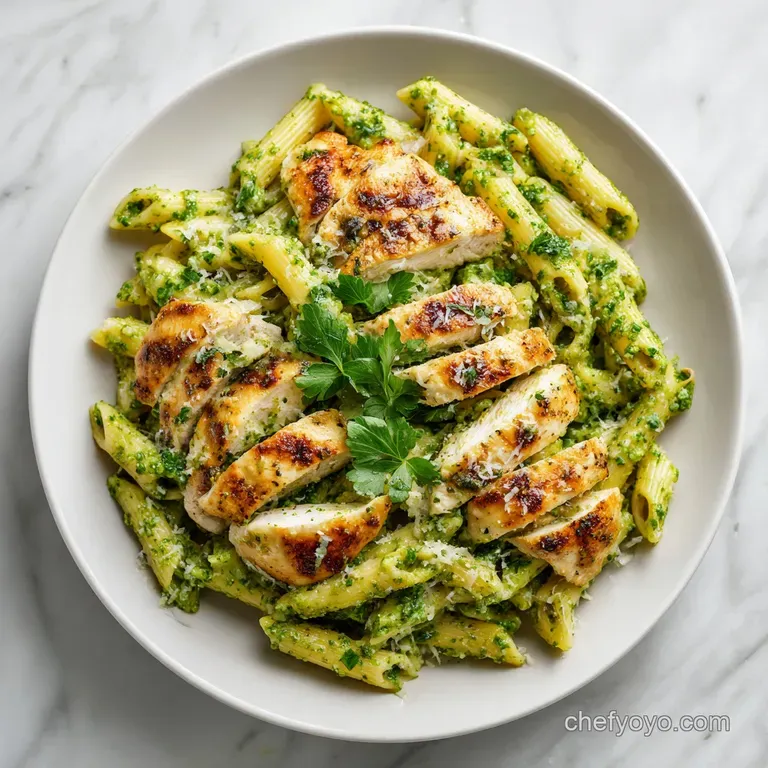
Let's get into the flow. The key here is timing you want the pasta and the chicken to finish at roughly the same time so nothing sits around getting cold.
Phase 1: The Pasta Foundation
Bring a large pot of salted water to a boil. Add the pasta and cook according to package directions until al dente. Note: Al dente means it still has a slight bite; it will finish cooking in the sauce. Reserve 1 cup of pasta water before draining.
This is a critical step; once that water is gone, you can't recreate the starch needed for the sauce.
Phase 2: Searing the Protein
Heat olive oil in a large skillet over medium high heat. Season chicken cubes with salt and pepper. Cook in a single layer for 3 minutes until a golden brown crust forms, then flip and cook for another 3-4 minutes until opaque throughout.
Remove chicken and set aside on a plate. If you crowd the pan, the chicken will steam instead of sear, and you'll lose that rustic flavor.
Phase 3: The Final Emulsion
Reduce skillet heat to medium. Add minced garlic and cherry tomatoes, sautéing for 2 minutes until tomatoes soften. Stir in the pesto and Greek yogurt, whisking in the reserved pasta water gradually until the sauce is glossy and smooth. If you're using a store-bought pesto, this is where you can add a pinch of extra salt or pepper to wake it up. If you prefer a more intense flavor, you can check out my homemade basil pesto recipe to make your own from scratch.
Phase 4: The Assembly
Return the seared chicken and cooked pasta to the skillet. Toss in the baby spinach and lemon juice. Stir gently over low heat for 1-2 minutes until spinach has wilted. Fold in the Parmesan cheese just before serving.
This ensures the cheese melts into the sauce rather than clumping into a ball.
Chef's Note: To get a truly professional finish, don't let the sauce boil once the pesto and yogurt are in. High heat can cause the basil to turn a dull brown and the yogurt to split. Keep it at a gentle simmer.
Fixing Common Issues
Even the best of us hit a snag. Usually, it's a matter of temperature or liquid ratios.
Pesto Sauce Separation
If you see little beads of oil floating on top of your sauce, it means the emulsion has broken. This usually happens if the heat was too high or you didn't use enough pasta water.
The Pasta Feels Dry
When the noodles soak up the sauce too quickly, the dish becomes clumpy. The fix is simple: add more reserved pasta water one tablespoon at a time until the glide returns.
Chicken is Tough
Overcooking the cubes is easy because they are small. If they feel rubbery, you likely cooked them too long or on too low a heat, causing them to bleed moisture.
| Problem | Root Cause | Solution |
|---|---|---|
| Sauce is grainy | Yogurt curdled from high heat | Stir in a splash of warm pasta water on low heat |
| Basil is brown | Overcooked pesto | Add a squeeze of fresh lemon juice and a pinch of fresh basil |
| Pasta is mushy | Overcooked in pot | Undercook by 1-2 mins; finish in the skillet |
Common Mistakes Checklist:
- ✓ Always reserve pasta water before draining.
- ✓ Pat chicken dry with paper towels before searing for a better crust.
- ✓ Don't add Parmesan while the heat is on "high".
- ✓ Stir spinach in at the very last minute to keep it bright green.
- ✓ Use a wide skillet to avoid overcrowding the chicken.
Flavor Tweaks & Swaps
Depending on what you're craving, this Pesto Chicken Pasta can shift styles quite easily.
For a Zesty Mediterranean Twist Add 1/4 cup of crumbled feta cheese and some sliced kalamata olives during the final assembly. The saltiness of the olives plays beautifully against the creamy yogurt.
For a Smoky Depth Swap the chicken breast for smoked chicken or add a pinch of smoked paprika to the chicken seasoning. This gives the dish a rustic, campfire vibe that pairs well with the earthy basil.
For a Low Carb/Keto Option Replace the penne with zoodles (zucchini noodles) or spaghetti squash. Since these don't produce starchy water, you can use a bit of heavy cream or extra Greek yogurt to maintain that velvety consistency.
For a Vegan/dairy-free Version Use a vegan pesto (no parmesan) and swap the Greek yogurt for a cashew based cream or coconut yogurt. Use nutritional yeast instead of Parmesan for that salty, cheesy punch.
Adjustment Guidelines
If you're cooking for a crowd or just yourself, you can't always just double everything. Some things don't scale linearly.
Scaling Down (½ Recipe) Use a smaller 10 inch skillet. Reduce the cooking time for the chicken by about 20% since the pan will heat up faster. If the sauce thickens too quickly, add pasta water more aggressively.
Scaling Up (2x-4x Recipe) Do not double the salt and spices start with 1.5x and taste as you go. Most importantly, work in batches when searing the chicken. If you put 2.4 lbs of chicken in one pan, it will release too much water and you'll end up boiling the meat instead of searing it.
Baking Version (Pesto Chicken Pasta Bake) If you want to turn this into a bake, transfer the assembled pasta to a baking dish, top with an extra layer of mozzarella, and bake at 350°F (180°C) for 15-20 minutes.
Lower the initial pasta cooking time by 3 minutes to avoid overcooking during the bake.
Truths About Pesto Pasta
There are a few things people say about this dish that just aren't true. Let's clear those up.
Myth: You must cook the pesto to make it safe. Truth: Pesto is a raw sauce. Cooking it for long periods actually destroys the delicate aromatic oils of the basil, making it taste flat and look brown. It should be warmed through, not boiled.
Myth: Whole wheat pasta ruins the flavor. Truth: While the texture is different, whole wheat or chickpea pasta adds a rustic, nutty base that actually complements the pine nuts in the pesto. It's a wholesome trade off that adds substance to the meal.
Storage and Zero Waste
To store: Place leftovers in an airtight container and refrigerate for 3-4 days (per USDA guidelines for storing cooked chicken).
To freeze: This dish doesn't freeze perfectly because the yogurt can separate, but you can freeze the chicken and pasta combined. Avoid freezing the sauce; instead, make a fresh batch of pesto or use a frozen store-bought cube when reheating.
To reheat: Add a splash of water or milk before microwaving or heating on the stove. This replaces the moisture lost in the fridge and brings back that velvety texture.
Zero Waste Tips:
- Basil Stems: Don't toss the stems! Blend them into your next batch of pesto or simmer them in a vegetable stock for extra flavor.
- Parmesan Rinds: Save the hard rind of your Parmesan cheese. Throw it into a simmering pot of pasta water or a soup to add a deep, savory umami note.
- Tomato Scraps: If you have leftover cherry tomato stems, compost them or use them in a scrap broth for your next meal. To keep your greens vibrant longer, try making a vibrant basil oil with any excess basil leaves.
Best Side Pairings
Since this Pesto Chicken Pasta is quite rich and filling, you want sides that offer a crisp, acidic contrast.
A simple arugula salad with a lemon olive oil vinaigrette is the gold standard here. The peppery bite of the arugula cuts through the creaminess of the yogurt and pesto. Alternatively, some roasted asparagus or charred broccolini with a squeeze of lemon provides a nice textural snap.
If you're feeling indulgent, a slice of toasted sourdough rubbed with a raw garlic clove is the way to go. It's great for mopping up the last bits of the velvety sauce. For a drink, a crisp Sauvignon Blanc or a chilled Pinot Grigio mirrors the acidity of the lemon and complements the herbal notes of the basil.
Recipe FAQs
Can I use chickpea pasta instead of whole wheat?
Yes, both options work. This recipe is designed to be flexible, so you can use either whole wheat or chickpea penne depending on your dietary preference.
How to prevent the pesto sauce from becoming too thick?
Stir in the reserved pasta water gradually. This thins the pesto and Greek yogurt mixture until it reaches a glossy, smooth consistency.
How to get a golden brown crust on the chicken cubes?
Heat olive oil over medium high heat. Cook the seasoned chicken in a single layer for 3 minutes without moving them before flipping to ensure a proper sear.
Is it true I can freeze the entire dish including the sauce?
No, this is a common misconception. The Greek yogurt in the sauce tends to separate during freezing; it is better to freeze only the chicken and pasta.
Should I cook the spinach with the tomatoes?
No, add it at the very end. Stir the baby spinach in over low heat for only 1-2 minutes until just wilted to maintain its vibrant color.
Why is my sauce not smooth?
Whisk the pasta water slowly into the pesto and yogurt. If you enjoyed achieving this emulsified texture, apply the same creaminess principles to our velvet mac and cheese.
How to reheat leftovers without them drying out?
Add a splash of water before microwaving or heating on the stove to replace the moisture lost during refrigeration.
Pesto Chicken Pasta