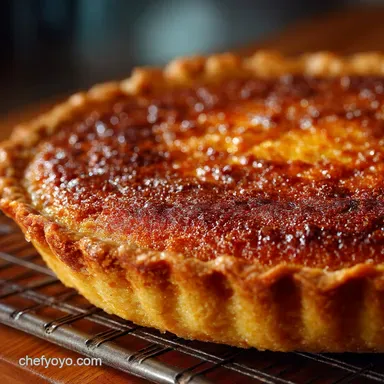
The Classic Southern Chess Pie Rich Tangy and Utterly Divine
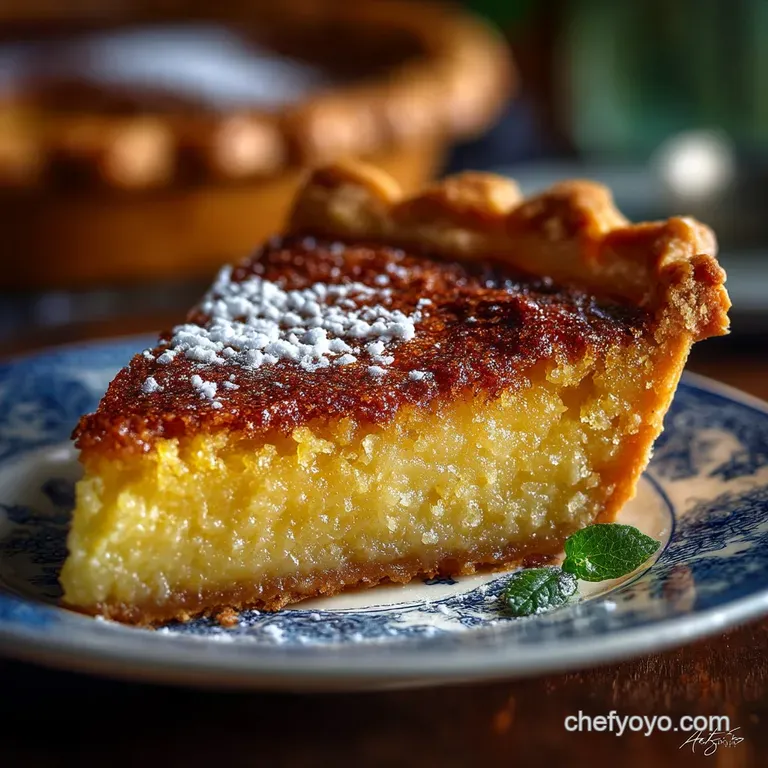
Unlocking the Magic of the Southern Chess Pie
There is perhaps no dessert that evokes the feeling of Southern comfort quite like the Southern Chess Pie . This isn't just a basic sugar pie; it’s a decadent exploration of textures and flavors, a gloriously rich, buttery filling cradled in a crisp, flakey crust.
While the ingredient list is humble, the result is surprisingly complex, boasting a melt-in-your-mouth interior that manages to be simultaneously dense and impossibly silky. Mastering this pie is a key milestone for any serious home baker, and while the assembly of this southern chess pie recipe is an Easy Chess Pie Recipe at heart, the technique requires precision.
The Surprising History of a Simple Dessert
The origins of the name "Chess Pie" are delightfully murky, adding to its Southern charm. The most common theory posits that when asked what kind of pie this rich confection was, the baker would simply respond, "It’s just pie," which, through regional dialect, became corrupted into "chess pie." Another theory links it to traditional English recipes that were stored in a "pie chest" or "chess" to keep them cool and away from pests.
Regardless of etymology, the dessert established itself as a staple throughout the American South, prized for its ability to hold up without refrigeration (due to the high sugar content) and for its undeniable luxuriousness. It remains the ultimate expression of simplicity yielding pure decadence.
Chess Pie vs. Custard Pie: Spotting the Difference
Many beginners confuse the Chess Pie with basic custard, buttermilk, or even lemon pie. While all share a common base of eggs and milk, the Chess Pie stands apart due to the sheer volume of fat and sugar, yielding a structure unlike its relatives.
Custard pies rely heavily on milk or cream, resulting in a lighter, jiggle-prone texture. The Southern Chess Pie , however, demands a full half-cup (113g) of melted butter, which, when combined with 1 ½ cups (300g) of sugar and four large eggs, sets into a much firmer, intensely buttery filling.
This rich combination is often baked in a Deep Dish Chess Pie Recipe format, making every slice substantial and satisfying.
Why Vinegar is the Secret Ingredient
If you’re wondering why a dessert should include an acidic component, rest assured, the vinegar (or lemon juice) is non-negotiable and provides the magic touch. The classic recipes chess pie vinegar cornmeal combination is the key to both flavor balance and structural integrity.
That crucial tablespoon (15 ml) of white vinegar doesn’t make the pie taste sour; instead, it performs two essential functions. First, it cuts through the extreme sweetness of the sugar and richness of the butter, providing a refreshing tang that prevents the pie from tasting cloying.
Second, the acid assists the egg proteins in coagulating during baking, ensuring the filling sets into that characteristically smooth, stable, and velvety consistency, preventing a gummy texture.
Essential Provisions for a Perfect Pie
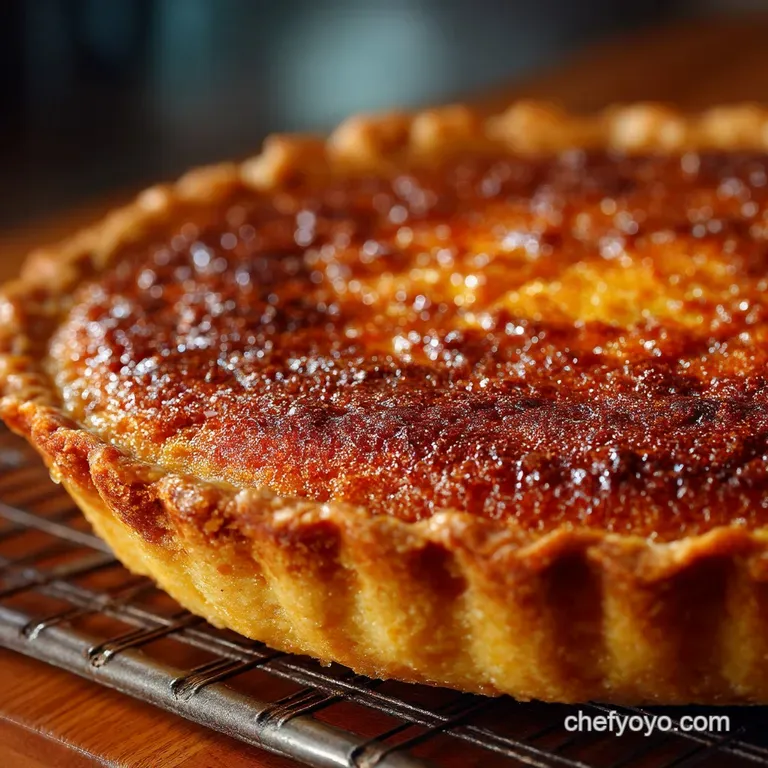
Creating a flawless Chess Pie starts with selecting and measuring high-quality ingredients with precision. Remember, since the filling consists of very few elements, the quality of each shines through.
The Pantry Checklist: Measurements and Weights
For a successful pie serving eight, you will need to prioritize preparation. The filling requires 1 ½ cups (300g) of granulated sugar, four room-temperature large eggs, and the aforementioned ½ cup (113g) of melted but slightly cooled unsalted butter.
We also incorporate a subtle structuring agent: 1 Tbsp (8g) of fine cornmeal, along with 2 Tbsp (30 ml) of milk or cream. This small addition of cornmeal helps ensure a cohesive filling, successfully avoiding a mushy texture, a key difference from those aiming for a southern chess pie without cornmeal .
The final necessary liquid additions are 1 tsp (5 ml) of vanilla extract and the critical 1 Tbsp (15 ml) of vinegar or lemon juice.
Selecting the Best Butter and Buttermilk (Quality Matters)
Because butter constitutes the primary flavor profile of this classic dessert, opting for a high-fat, high-quality unsalted variety is crucial. It’s what delivers the classic deep, caramel-like richness.
While the primary recipe calls for a small amount of whole milk or cream, bakers seeking an even tangier depth might consider using a few tablespoons of buttermilk instead of the milk.
If you choose this route, the acidity of the buttermilk can slightly intensify the effects of the vinegar, resulting in a pie that has a sharper, more complex finish, perfectly complementing the intense sweetness.
Tools of the Trade: Equipment for Flawless Execution
Achieving a professional result requires a few specialized tools. First and foremost, a sturdy 9-inch (23 cm) deep-dish pie plate is necessary to accommodate the generous amount of filling.
You’ll also need an electric mixer or large balloon whisk for combining the ingredients until they are completely emulsified. For the crust, we rely heavily on techniques to prevent weeping and shrinking, which means having pie weights (ceramic beads or dried beans work fine) and aluminum foil strips readily available to protect the edges during the critical blind baking phase.
Related Recipes Worth Trying
- Ultimate Southern Chess Pie Cracking Custard No Soggy Bottoms — The essential Southern Chess Pie recipe Achieve that intensely buttery custard stabilized with cornmeal and balanced by a sharp vinegar tang Foolproof steps...
- Ultimate Spanakopita Pie Flaky Phyllo Feta Spinach Comfort — This traditional Spanakopita recipe with phyllo delivers the ultimate flaky crunch and tangy fetaspinach filling Follow our tips for a perfect Greek...
- Proper Sweet Potato Pie Flaky Crust Deeply Spiced Filling — The ultimate sweet potato pie recipe a truly velvety filling bursting with spice nestled inside a perfect flaky sweet potato pie crust Forget pumpkinthis is...
Mastering the Method: step-by-step Baking Guide
While the Chess Pie is often categorized as medium difficulty, this largely stems from the need to manage temperature and chilling effectively. Follow these steps for the perfect classic result.
Preparing the Crust: Blind Baking Secrets
A rich, wet filling like this demands a preemptively cooked foundation to avoid a "soggy bottom." After preparing and fitting your 12-inch dough circle into the pie plate and crimping the edges, the crucial step is chilling and docking (pricking the bottom with a fork). Preheat your oven to a hot 400°F (200°C).
Line the chilled dough with parchment paper, fill with pie weights, and bake for 15 minutes. After this initial set, remove the weights and paper, reduce the heat slightly to 350°F (175°C), and bake for another 5–8 minutes until the crust is pale gold.
Ensure the crust is completely cool before pouring in the filling.
Achieving the Silky Smooth Filling Consistency
The key to that signature Chess Pie texture is gentle mixing. Start by lightly whisking the eggs just until the yolks and whites are combined, then gradually add the granulated sugar, ensuring no lumps remain. Next, incorporate the slightly cooled melted butter.
Follow this by adding the milk/cream, vanilla, the white vinegar, and salt. Whisk until the mixture is uniform and thoroughly emulsified. Finally, gently whisk in the cornmeal. Resist the temptation to overmix; excessive whisking incorporates too much air, which can cause the pie to puff too high in the oven and collapse or crack as it cools.
The Critical Baking Time and Temperature Check
Pour the smooth, prepared filling into the cooled, blind-baked shell. The bake requires a dual-temperature approach. Start the pie at 350°F (175°C) for 15 minutes. This initial burst helps set the outer edges.
After 15 minutes, carefully shield the perimeter of the crust with aluminum foil strips to prevent burning, then reduce the oven temperature significantly to 325°F (160°C). Continue baking for another 30 to 40 minutes.
The pie is done when the outer ring of the filling is set and slightly puffed, yet the center, about two inches across, retains a slight, gentle wobble. A clean knife inserted near the edge should emerge clean.
Troubleshooting and Enhancing Your Southern Chess Pie
A well-made Chess Pie is a thing of beauty, but its delicate custard structure can sometimes present challenges if cooling methods are rushed.
Solving the Sagging Pie Problem: Troubleshooting FAQs
The most common affliction is the dreaded crack or "sag" across the center top. This is almost always caused by too rapid a temperature change after the pie comes out of the oven. To prevent this, never immediately remove the pie from the heat source.
Once the pie has reached the desired doneness, turn the oven off completely and prop the door open with a wooden spoon or heat-safe object. Allow the pie to cool slowly inside the residual heat for at least 30 minutes.
This gradual thermal transition is vital; it permits the custard to contract gently, preserving that smooth, flawless surface.
Optimal Storage and Serving Suggestions
After its essential 30-minute oven cool-down, transfer the pie to a wire rack to reach room temperature (about one hour). Because of its dairy content, the pie must then be refrigerated and requires a minimum of two hours of chilling for the filling to fully set into its dense, buttery texture.
Serve the pie cold or cool. The intense richness pairs beautifully with contrasting elements. Try a dollop of softly whipped cream alongside fresh, tart berries like raspberries or a sophisticated drizzle of homemade bourbon caramel sauce.
Flavor Twists: Variations on the Classic Recipe
The classic Southern Chess Pie filling serves as an excellent foundation for variation. If you desire a nutty crunch, transform this into a Pecan Chess Pie Recipe by scattering one cup of toasted, chopped pecans over the bottom of the crust before pouring in the filling.
For chocolate lovers, easily adapt the filling to create a decadent southern chocolate chess pie by whisking in ¼ cup (20g) of unsweetened cocoa powder and a tiny pinch of instant espresso powder along with the cornmeal.
Alternatively, for a brighter, tangier finish, increase the lemon juice slightly and incorporate the zest of one lemon for an elegant Lemon Chess Pie.
Nutritional Snapshot: Calories and Dietary Notes
As a truly rich, old-fashioned dessert centered on butter and sugar, the Chess Pie is undeniably indulgent. Based on eight servings, a single slice of this southern chess pie with pecans (or the classic version) will typically deliver an estimate of 450–500 kilocalories.
Due to the high quantities of melted butter and sugar (about 40–45g per slice), it is best enjoyed as an occasional treat.
Recipe FAQs
Why on earth am I putting vinegar or lemon juice into a sweet pie?
That bit of acid is absolutely essential, old chum! It doesn't make the pie sour; instead, it provides a vital counterpoint that cuts through the intense richness of the butter and sugar, stopping the pie from becoming sickly sweet.
Crucially, the acid also helps the eggs and dairy coagulate and set properly during baking, giving you that perfect, silky-smooth interior texture.
Help! I've got a soggy bottom! What went wrong with the crust for my Southern Chess Pie?
Ah, the dreaded soggy bottom! This usually means the pastry wasn't fully set before the wet filling went in. The key here is rigorous blind baking: you must bake the crust until it is properly pale gold, ensuring the base is completely sealed and pre-cooked.
Also, make sure the crust is thoroughly chilled before you bake it, this prevents the sides from slumping.
How do I stop my custard filling from cracking or splitting on the surface?
Cracking is typically down to temperature shock, the enemy of any good custard. To prevent it, manage the cooling like a pro: once baked (when the centre has a slight wobble), turn off the oven and let it cool slowly with the door ajar for 30 minutes.
This gradual transition prevents the filling from contracting too quickly as it sets.
What is the purpose of cornmeal in the filling? Is it just a thickener?
It’s more than just a thickener, although it does help immensely with the set. The small amount of fine cornmeal prevents the filling from becoming overly dense or watery like a typical egg custard, giving the Chess Pie its characteristic fine, almost imperceptibly textured richness.
It also ensures the pie holds its shape beautifully when sliced.
Can I freeze this dessert, or how long does it last once baked?
This rich pie keeps beautifully! Store any leftovers tightly covered in the refrigerator for up to 4 days; just ensure it’s fully set and chilled before covering it up. While you can technically freeze it (wrap tightly and thaw slowly in the fridge), freezing can sometimes make the delicate custard weep or separate upon thawing, so it’s best to enjoy it fresh.
Southern Chess Pie Rich Tangy Foolproof Recipe No Soggy Bottom