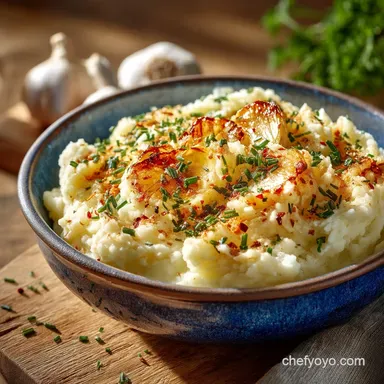
Silky Garlic Mashed Potatoes the Infused Cream Method
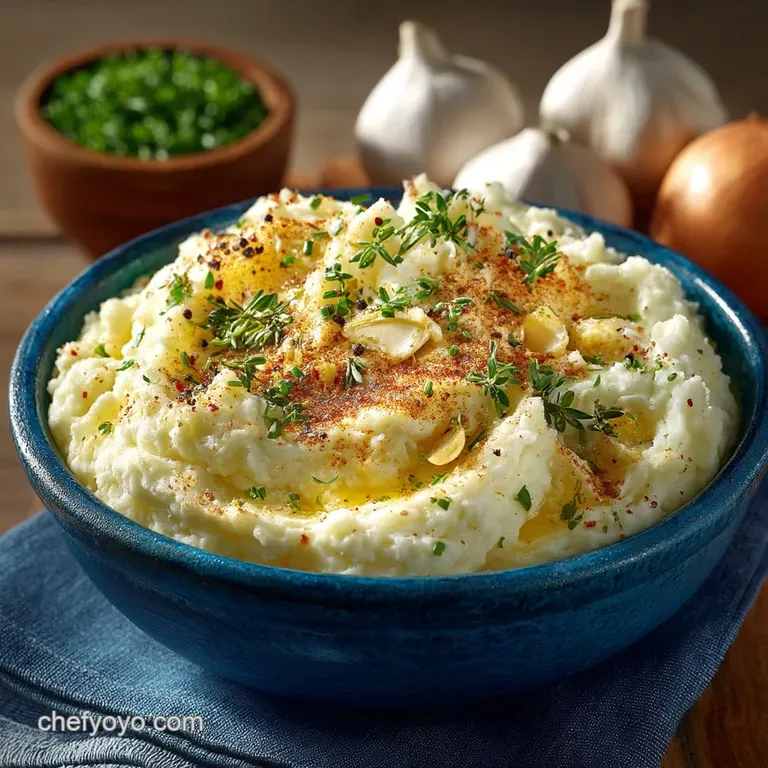
- Achieving Velvety Perfection: Why This Mash is Different
- Beyond the Basics: Redefining Garlic Mashed Potatoes
- Essential Components for the Best Garlic Mashed Potatoes
- Mastering the Method: Step-by-Step for Supreme Mash
- Troubleshooting and Storage Tips for Perfect Mash
- Elevating Your Meal: Pairings and Flavor Twists
- Recipe FAQs
- 📝 Recipe Card
Achieving Velvety Perfection: Why This Mash is Different
This isn’t just a side dish; it’s a commitment to culinary excellence. For too long, mashed potatoes have been relegated to the background, often lumpy, dry, or overwhelmingly bitter with raw garlic. We are aiming for the ultimate upgrade: a luxurious, smooth, and deeply satisfying mash.
Our approach, focused entirely on thermal efficiency and gentle infusion, delivers truly the Best Mashed Potatoes you will ever make. The resulting texture is utterly velvety, achieved through meticulous moisture removal and the necessary use of a specialized tool, ensuring a perfectly smooth mouthfeel that defines a genuine Creamy Mashed Potatoes Recipe .
Beyond the Basics: Redefining Garlic Mashed Potatoes
The secret to profound, non-aggressive garlic flavour is controlling the temperature at which the cloves interact with the fat. The goal of this specific Garlic Mashed Potatoes preparation is to create a deeply savoury foundation that permeates every bite without any harsh edges.
The Problem with Traditional Boiled Garlic
Many recipes suggest simply adding raw, smashed garlic to the boiling water or tossing minced garlic straight into the hot potatoes. Unfortunately, boiling raw garlic often extracts its bitter compounds, resulting in an acrid taste that clashes with the smooth richness of the potatoes.
On top of that,, boiling can dilute the flavour rather than concentrating it, leaving the final dish underwhelming and unbalanced.
Unlocking the Silky Secret: Poaching the Cloves
To achieve the desired mellowness in this garlic mashed potatoes recipe easy approach, we utilize a two-step infusion process. First, we gently sauté a full head of crushed garlic (about 10–12 cloves) in 6 tablespoons of unsalted butter over low heat for a critical 3–5 minutes.
The low temperature softens the cloves and releases their aromatic oils without browning or burning them. Next, we pour in the 1 cup of whole milk and 1/2 cup of heavy cream, bringing the mixture just to a simmer.
This gentle heating allows the warm dairy to fully absorb the rich garlic compounds and the butter’s nutty essence. This infused liquid forms the flavour backbone, guaranteeing an incredible depth in the finished mash.
Essential Components for the Best Garlic Mashed Potatoes
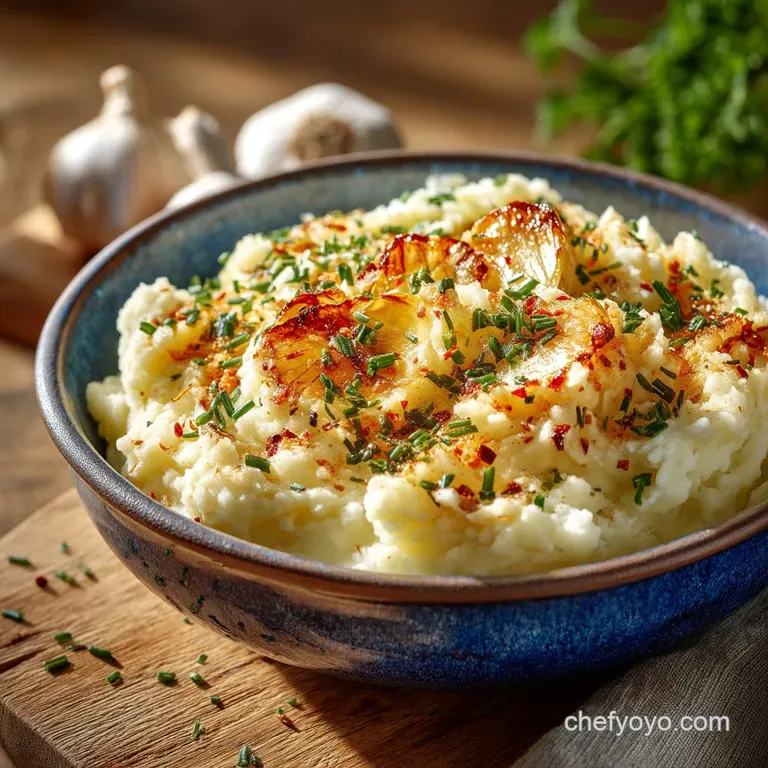
Crafting truly exceptional mash requires precision in ingredient selection and technique. Skipping any of these essential components risks compromising the final, sought-after silky texture.
Choosing the Perfect Spud: Floury vs. Waxy Varieties
The foundation of our success rests on selecting the correct variety of potato. For true Creamy Mashed Potatoes Recipe , you must use starchy, floury varieties like Russet, King Edward, or Maris Piper. We require 2.5 pounds (1.15 kg) of them.
These potatoes are high in starch and low in moisture, meaning they break down completely upon cooking and readily absorb the warm, rich dairy infusion. Waxy potatoes, conversely, hold their shape and resist absorption, resulting in a heavier, stickier mash.
Dairy Deep Dive: Heavy Cream, Butter, and Their Roles
Fat is essential for achieving a luxurious mouthfeel and binding the starch without making the potatoes gluey. We rely on the full-fat content of whole milk and heavy cream, combined with 6 tablespoons of high-quality butter, for ultimate richness.
Crucially, the dairy must be added warm, as cold liquid shocks the hot starch and causes the potato cells to tighten up. While this specific recipe focuses on butter and cream, adding elements like a dollop of sour cream or cream cheese is a common variation, lending a delightful tang and further enriching the texture, a superb variation for Sour Cream Mashed Potatoes or mash featuring garlic mashed potatoes with sour cream or garlic mashed potatoes with cream cheese .
Mandatory Tools: The Potato Ricer vs. Traditional Masher
If you want restaurant-quality mash, the potato ricer or food mill is a non-negotiable piece of equipment. Unlike a traditional handheld masher, which smashes and tears the potato’s starch cells (releasing excess starch that leads to a gummy texture), a ricer forces the potato through small holes, separating the starch without disrupting the cellular structure.
This results in the lightest, fluffiest, and smoothest possible mash before any dairy is added.
Related Recipes Worth Trying
- Cranberry Apple TwiceBaked Sweet Potatoes Fluffy Autumn Side Dish — Master the art of Cranberry Apple TwiceBaked Sweet Potatoes Fluffy creamy and packed with sweet potatoes apples cranberries this side dish is a showstopper...
- Effortless Lemon Garlic Salmon Recipe A Quick Weeknight Winner — This easy baked salmon recipe uses a punchy lemon garlic marinade to deliver maximum flavour with minimal fuss Ready in under 30 minutes its a healthy...
- Cracking Good oven roasted Garlic Cabbage Steaks with Lemon Drizzle — Forget boiled cabbage These oven roasted Garlic Cabbage Steaks caramelise into nutty perfection They are healthy easy and a brilliant Keto Cabbage Steaks...
Mastering the Method: step-by-step for Supreme Mash
Following these steps precisely ensures maximum flavour integration and perfect texture, making this garlic mashed potatoes recipe foolproof.
Step 1: The Water Start, Salting and Softening the Potatoes
Always begin the cooking process by placing the cubed potatoes (1.5-inch/4 cm pieces) into a large pot and covering them with cold water. Add 1 tablespoon of Kosher salt to the water, this seasons the potatoes from the inside out as they cook.
Starting cold ensures that the exterior and interior cook at the same rate, preventing the edges from disintegrating before the centre is done. Bring to a boil, then reduce heat to a gentle simmer for 20–25 minutes until the potatoes are completely tender and fall apart easily when pierced.
Step 2: The Garlic Infusion, Gentle Heat is Key
While the potatoes boil, prepare the infusion. Melt the butter and gently sauté the crushed garlic for 3–5 minutes until fragrant but not browned. Pour in the whole milk and heavy cream, warming the mixture just until it reaches a simmer.
Immediately remove it from the heat and set it aside to maintain warmth. The entire mixture, including the poached garlic cloves, will be used later to ensure the deepest flavour.
Step 3: Achieving the Perfect Texture (Ricing and Folding)
After draining the cooked potatoes completely, return them to the empty, hot pot and place them over very low heat for 2–5 minutes, shaking occasionally. This critical "steaming off" step removes excess surface moisture, which is the primary cause of gluey mash.
Immediately run the dry, piping-hot potatoes through the ricer directly back into the pot. Gradually pour about two-thirds of the warm garlic-infused dairy mixture over the potatoes. Use a rubber spatula or wooden spoon to fold the dairy in gently until just combined.
Over-mixing at this stage activates the remaining starch, so handle the mash with care.
Step 4: Final Seasoning and Presentation Checks
Continue adding the remaining warm dairy until the desired silky consistency is achieved. The mash should be light, fluffy, and fall easily from the spatula without appearing runny. Taste and season generously with salt and freshly cracked black pepper.
Potatoes require significant seasoning both initially and at the finish. Stir in the fresh chives if you choose to garnish. Serve immediately for optimal warmth and texture.
Troubleshooting and Storage Tips for Perfect Mash
Even with the best preparation, unexpected issues can arise. Knowing how to store and serve your Garlic Mashed Potatoes ensures their success. While this method is stovetop-centric, for those utilizing alternative cooking methods (like a garlic mashed potatoes instant pot recipe), the critical steps of drying the potatoes and adding warm dairy must still be observed to guarantee texture.
Elevating Your Meal: Pairings and Flavor Twists
How to Rescue Mashed Potatoes That Are Too Stiff or Gluey
If your mash is too stiff, gently warm a bit more cream or butter and beat it in until the texture loosens. If the mash has turned gluey (over-mixed and sticky), unfortunately, it is difficult to revert.
The best solution is often to incorporate an acidic element like a generous scoop of Sour Cream Mashed Potatoes base (sour cream or crème fraîche) or a binding agent like cream cheese, which can help mask the overly sticky texture.
Make-ahead Strategy: Keeping Your Mash Warm Until Serving
Mashed potatoes are best served immediately, but they can be held warm for up to two hours. Transfer the finished mash to a heatproof bowl set over a pot of simmering water (a double boiler or bain-marie) and cover tightly. Alternatively, place the mash in a slow cooker set to the "Keep Warm" function.
If reheating chilled mash, do so gently in a saucepan, adding a splash of hot milk or cream and a knob of butter to restore moisture and creaminess.
Flavor Variations: Adding Herbs or Cheese for a Twist
The richness of this base recipe lends itself beautifully to further complexity. For an earthy note, try folding in crispy sage browned in the butter, or elevate the richness by adding 1/2 cup of finely grated Parmesan and a tablespoon of truffle oil for a cheesy, sophisticated twist.
This core garlic mashed potatoes recipe is highly adaptable.
What to Serve Alongside Your Luxurious Garlic Mashed Potatoes
This profoundly flavoured mash demands a worthy partner. The classic pairing is a hearty, deeply reduced homemade beef or chicken gravy, which pools beautifully in the fluffy texture. Pair this rich mash with robust main courses such as a traditional Sunday Roast Beef, pot roast, or shepherd’s pie.
To cut through the dairy richness, always serve a contrasting side of bright, slightly bitter greens, such as blanched asparagus, steamed green beans, or roasted Brussels sprouts.
Recipe FAQs
Can I prep these glorious Garlic Mashed Potatoes the day before a big Sunday roast?
Absolutely, you can prep them ahead! Mash the potatoes completely, transfer them to an oven-safe dish, and dot the top with extra butter to keep them moist. Cover tightly and refrigerate for up to 2 days.
To reheat, bake covered at 350°F (175°C), or gently warm them over a double boiler (a bain-marie) with a splash of warm milk stirred in. This keeps them velvety and ensures they are piping hot when served, jobs a good 'un!
A whole head of garlic sounds a bit strong, will it taste too sharp or bitter?
Not at all! The secret to this recipe is the gentle infusion method we use. By lightly sautéing the crushed garlic in butter and then poaching it in warm dairy, you mellow out all the harsh, aggressive compounds.
This process gives you a deep, luxurious, nutty garlic flavour without any of the sharp "bite" that comes from using raw or fully roasted garlic. It's pure, mellow comfort.
Help! My mash has gone a bit gluey. How do I achieve that perfect, silky texture?
Ah, the dreaded gluey mash! This happens when you overwork the starch. The crucial steps are: 1) Ensuring the potatoes are bone-dry after boiling (steam them off the heat for five minutes). 2) Use a potato ricer or food mill, avoid handheld beaters or electric mixers entirely.
Finally, make sure your infused milk and cream mixture is warm when you add it. Cold liquid causes the starches to seize up, which leads to a heavy, sticky texture.
I need to cut back on the richness a bit. Can I use less butter and cream for the mash?
Certainly, though remember that fat is what delivers that luxurious, silky mouthfeel we’re aiming for! You can swap the heavy cream for single cream (half-and-half) and use low-fat milk, but you’ll sacrifice some richness.
Alternatively, replace half of the butter with a good-quality olive oil during the infusion stage to keep the necessary fat content high while changing the flavour profile slightly. Don't skimp on the salt, though, as potatoes love seasoning!
I’ve got loads of leftovers. How long do they keep in the fridge and can I freeze them?
Mashed potatoes are fantastic for leftovers! Stored properly in an airtight container, your mash will keep nicely in the fridge for 3 to 4 days.
If you wish to freeze them, portion the mash out and wrap it tightly, where it will last for a couple of months. Note that the texture might be slightly grainier upon thawing, but it’s still perfect for things like quickly topping a Shepherd's Pie or fish pie.
Silky Garlic Mashed Potatoes Recipe The Ultimate Creamy Side