Bakery Style Chocolate Chip Cookies: Thick Chewy Brown Butter Giants

- Why Your Chocolate Chip Cookies Need a Proper Upgrade
- The Science Behind Towering, Chewy Bakery Style Chocolate Chip Cookies
- Essential Components for the Perfect Cookie Dough
- The Method: Baking These Bakery Style Chocolate Chip Cookies
- Troubleshooting and Expert Tips for Cookie Consistency
- Maximising Shelf Life: Storing Baked Goods and Raw Dough
- Proper Pairings: Serving Your Perfect Bakery Style Chocolate Chip Cookies
- Recipe FAQs
- 📝 Recipe Card
Why Your Chocolate Chip Cookies Need a Proper Upgrade
I remember the smell of walking into a proper bakery that deep, sugary, caramelised scent that hits you before you even see the counter. You know the one, right? This Bakery Style Chocolate Chip Cookies Recipe delivers exactly that experience, translated into a thick, beautiful disk.
These cookies are towering giants, boasting perfectly crisp edges and a dramatically gooey, molten chocolate centre.
Baking cookies shouldn't be a fussy affair, but making great cookies sometimes feels intimidating. Trust me, this version is a lifesaver; it relies on kitchen staples and delivers a result that looks and tastes like it cost five bucks a piece. It’s affordable luxury, honestly.
We aren't aiming for thin, sad, flat biscuits today, mate. We're diving deep into the secrets brown butter magic, perfect sugar ratios, and mandatory chilling to achieve that incredible thickness and depth of flavour.
Let's crack on and talk about why this method is non-negotiable if you want the Best Homemade Chocolate Chip Cookies Recipe .
The Science Behind Towering, Chewy Bakery Style Chocolate Chip Cookies
If you want truly Bakery Style Chocolate Chip Cookies Thick and chewy, you have to understand the fundamental changes we are making to the standard recipe. We are manipulating the moisture, the fat, and the structure of the dough itself.
It's not just mixing ingredients; it’s building flavour.
The Anatomy of a Truly Bakery Style Cookie (Height and Texture)
A standard cookie often relies on creaming cold butter, which traps air and creates a lighter, cake like texture. We are doing the opposite. By starting with melted, then browned, butter, we eliminate excess air and incorporate fat and sugar differently.
This results in a denser structure that doesn't spread as much in the oven, giving us that towering height. This is essential for achieving a Chocolate Chip Cookies Moist interior.
What Makes Brown Butter the Game Changer?
Brown butter, or beurre noisette , is the single greatest trick a home baker can learn. As the butter melts and cooks, the milk solids toast and caramelise, creating a complex, nutty, toffee like flavour profile.
This process essentially elevates the flavour of the entire cookie without you having to add any extra exotic ingredients.
The Necessary Art of Patience: Chilling the Dough
I used to hate chilling dough, thinking it was a pointless extra step. I was so wrong. The chilling period serves two critical functions: solidifying the fat (which prevents excessive spreading) and allowing the flour to fully hydrate.
Hydrated flour absorbs the moisture from the wet ingredients, preventing that dry, gritty texture and ensuring your Thick Chewy Cookie Recipes are perfect.
Achieving the Deep Toffee Flavour: The Maillard Reaction in Brown Butter
The magic behind brown butter relies on the Maillard reaction the same chemical reaction that makes toast brown or steaks sear. When browning butter, you are browning the milk proteins, which unlocks hundreds of incredible aroma and flavour compounds.
This depth is the hallmark of truly professional, bakery level cookies.
Temperature Control: Why Chilled Dough Prevents Spreading
Think about a warm stick of butter versus a cold one. When warm dough hits a hot oven, the fat melts instantly, causing the dough to pancake out before the structure sets. Chilled dough gives the edges time to set and crisp up, holding the structure high while the center remains soft and gooey.
This is crucial for avoiding flat, sad cookies.
The Sugar Ratio: Balancing Moisture with Brown vs. Granulated
We use more dark brown sugar than granulated sugar here, and that is not by accident. Dark brown sugar contains molasses, which is hydroscopic meaning it holds onto moisture better. This molasses is responsible for the deep caramel flavour and the incredible chewiness.
Granulated sugar, conversely, promotes spread and crispness. The balance is key!
Essential Components for the Perfect Cookie Dough
Don't skip on quality here. While this is an Easy home-made Cookies recipe, the ingredients you choose truly make a difference in the final product.
Butter Quality: Salted vs. Unsalted Debate
I always opt for unsalted butter when baking, even though I add salt later. Why? Because butter producers change the salt content regularly, and I want total control over the seasoning. If you only have salted butter, reduce the recipe’s added salt by half a teaspoon.
I also prefer using European style butter it has a slightly higher fat content, which leads to richer flavour.
Choosing Your Chocolate: Chips, Chunks, or Chopped Bars?
Chips are fine, but they contain stabilisers so they hold their shape. If you want those gorgeous, molten pools of chocolate, you absolutely must use high-quality baking bars and chop them unevenly. Use a mix of dark (60 70%) and semi sweet. The uneven shards melt beautifully, creating those irresistible pockets.
Altitude Adjustments and Flour Notes
If you live at high altitude (above 3,500 feet), you might need to slightly reduce your sugar or leavening agents to prevent the cookie from puffing up too fast and collapsing. For the best texture, always weigh your flour.
If you want a slightly softer, cakier interior, swap two tablespoons of all-purpose flour for two tablespoons of cornstarch, or better yet, use bread flour for an even more substantial chew.
Substitutions for Egg and Dairy Allergens
| Ingredient | Substitute Suggestion | Impact on Texture |
|---|---|---|
| Butter | high-quality plant based baking stick (like Miyoko's) | Loses the brown butter flavour; slight flavour adjustment. |
| Eggs | Flax eggs (1 Tbsp ground flax + 3 Tbsp water per egg) | Slightly denser, requires longer chilling. |
| Vanilla | Maple Syrup (use slightly less) | Different flavour profile, less complex. |
The Method: Baking These Bakery Style Chocolate Chip Cookies
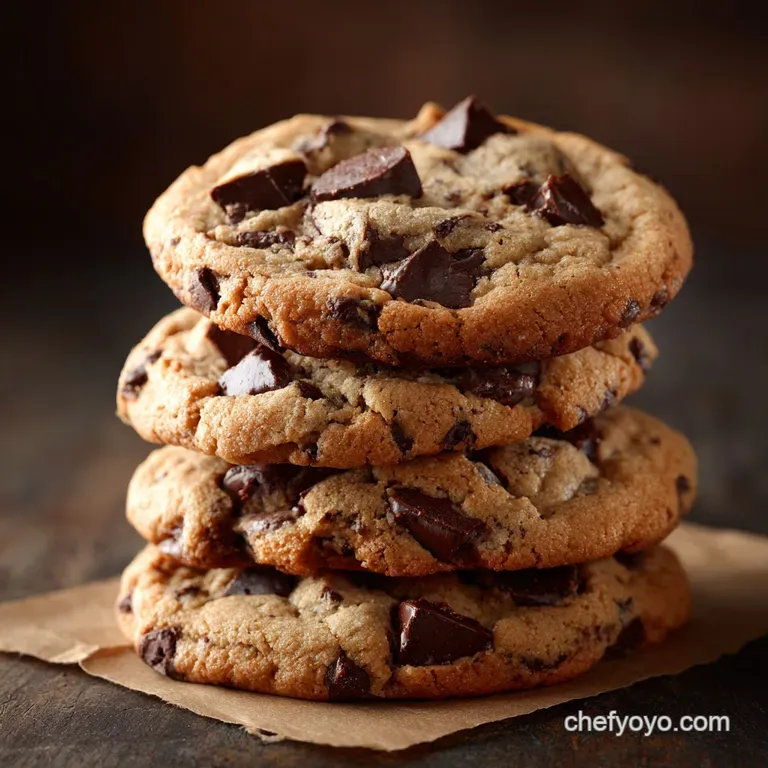
Let’s get into the nitty gritty. Follow these steps precisely to ensure your dough delivers on the promise of Bakery Style Chocolate Chip Cookies .
Step 1: Mastering the Brown Butter Technique
Place your cubed butter in a light coloured, heavy bottomed saucepan the light colour helps you monitor the process. Cook it over medium heat, swirling often. It will melt, foam, and then the foam will subside, showing brown bits settling at the bottom.
Cook until the butter smells deeply nutty and has amber coloured flecks. Immediately pour the whole thing into your mixing bowl and let it cool for about 15 minutes. It must be warm, not screaming hot, or it will cook the eggs later.
Step 2: Incorporating Wet and Dry Ingredients Properly
Add the sugars to the slightly cooled brown butter and mix well. Then, beat in the cold eggs one at a time. Using cold eggs helps bring the temperature of the mixture down faster, which is actually a helpful cheat. When adding the dry ingredients, mix only until just combined .
The moment the last streaks of flour disappear, stop the mixer. Overmixing develops gluten and guarantees a tough, cardboard like cookie.
Step 3: Crucial Dough Chilling Timelines
This is where the magic happens and where people often fail. The minimum chill time for thick, non-spreading cookies is two hours . However, if you can wait 24 to 48 hours, the flavour dramatically deepens; it gets a profound caramel note that makes these the Diy Cookies Easy version of high end bakery treats.
Scoop the dough into large balls (about 1/4 cup each) before chilling, as it's easier to handle when soft.
Step 4: The over High heat, Short Bake Strategy
Preheat your oven properly don't rush it. We are baking these large dough balls at 350°F (175°C) for a relatively short period, usually 10- 12 minutes. The high heat sets the edges quickly, trapping the moisture inside.
This ensures the center remains gooey while the edges achieve that perfect snap.
Troubleshooting and Expert Tips for Cookie Consistency
Preventing Flat Cookies: The Scoop and Chill Method
Flat cookies usually mean warm dough, too much butter, or not enough flour (or inaccurate measuring). Always chill the dough. If your cookies start to spread too much in the oven, pull the tray out, gently tap it on the counter a few times (the "pan-banging" technique), and return it immediately.
This breaks the air pockets and keeps the dough thick. If you’re a fan of thick cookies, you’ll definitely appreciate the technique in my [Peanut Butter Cookies Recipe: Crispy Edges, Seriously Soft Centres] too.
The Right Way to Test for Doneness (The Golden Edges)
The center should still look slightly pale, puffy, and under baked when you take them out. The edges, however, should be beautifully golden brown. Don't wait for the whole cookie to look golden.
They continue cooking for several minutes on the hot baking sheet, which is where they achieve their final structural integrity.
Why Are the Bottoms of My Cookies Burning?
If the bottoms are scorching but the tops are still pale, your oven temperature might be fluctuating, or you might be using dark metal baking sheets. Dark pans absorb heat faster. Always use light coloured aluminium baking sheets and parchment paper to prevent direct contact with the hot metal.
Also, ensure your oven rack is in the middle position.
Maximising Shelf Life: Storing Baked Goods and Raw Dough
Freezing Raw Cookie Dough for Future Baking
This is my favorite life hack. Once you’ve scooped the chilled dough balls, place them on a tray and freeze them until solid (about an hour). Then transfer the rock hard balls to a zip-top freezer bag. They keep for up to 3 months.
When ready to bake, just add 2- 4 minutes to the cooking time no need to thaw!
Keeping Baked Cookies Soft and Chewy
Once the cookies have cooled completely, store them in an airtight container at room temperature. For maximum softness, toss half a slice of plain white bread into the container with the cookies. The cookies will absorb the moisture from the bread, keeping them wonderfully soft.
How to Revive Stale or Day-Old Cookies
If your cookies have gone slightly stale, you can revive them beautifully. Wrap them loosely in a paper towel and microwave them for 10 15 seconds. Alternatively, put them in a preheated oven (300°F/150°C) for just three minutes. They will soften right up, making them perfect for dunking.
Proper Pairings: Serving Your Perfect Bakery Style Chocolate Chip Cookies
These towering, decadent cookies require equally bold accompaniments.
Chef's Note: Don't even think about attempting this recipe without high-quality vanilla extract. The depth of flavour it adds, especially when paired with the brown butter, is non-negotiable. It truly separates a basic cookie from these Bakery Style Chocolate Chip Cookies Moist wonders.
We often bake these in my house for movie night they are just too substantial for a casual snack. They pair perfectly with a scoop of vanilla bean ice cream (to make the ultimate ice cream sandwich) or simply a tall glass of cold milk.
If you prefer a more refined presentation, serve them warm with a side of strong black coffee or an espresso, allowing the dark chocolate and caramel notes to really shine.
If you enjoy playing with textures and want to try another classic, incredibly thick cookie, I highly recommend checking out my [Chewy Peanut Butter Cookies: The Definitive Recipe for Soft Centers] it uses many of the same dough chilling principles to prevent spreading!
Recipe FAQs
Why are my cookies spreading thin instead of being tall and towering?
Lack of proper chilling is the primary culprit for flat cookies. The dough must be chilled for a minimum of 24 hours to fully solidify the browned butter and allow the flour to hydrate completely, which prevents premature spreading in the hot oven.
If your kitchen is very warm, ensure your oven temperature is accurate and you are using fresh leaveners (baking soda/powder).
Is browning the butter truly necessary, or can I just use melted butter?
Browning the butter is non-negotiable for this particular recipe, as it elevates the flavor profile from a simple cookie to a sophisticated bakery treat. The process toasts the milk solids, creating essential notes of toffee, caramel, and hazelnut that provide the deeply complex base flavor.
Skipping this step will result in a standard, less flavorful cookie texture.
How can I ensure that I get that perfect 'molten centre' after baking?
The secret is removing the cookies when they look slightly underdone. The edges should be deeply golden and set, but the center must still look wet and glossy. Allow them to rest on the hot baking sheet for exactly five minutes after removing them from the oven; they will finish cooking during this carryover period, resulting in that gooey interior.
Can I freeze the cookie dough for baking later?
Absolutely, this dough freezes exceptionally well. Scoop the dough into the desired size balls, flash freeze them on a tray until solid, and then transfer them to an airtight freezer bag for up to two months.
When ready to bake, place the frozen dough balls directly on the tray, adding 3 5 minutes to the total baking time.
What type of chocolate provides the best melting quality?
For bakery style results, avoid standard chocolate chips; instead, opt for high-quality dark chocolate bars (around 60% cacao) that you roughly chop yourself. Chopped chocolate contains more cocoa butter and melts into luxurious, irregular pools and ribbons, guaranteeing a better molten texture than standard, stabilized chips.
What is the best way to store baked cookies to keep them chewy and soft?
Store fully cooled cookies in an airtight container at room temperature, making sure they are completely sealed to prevent air exposure. To maintain peak softness for several days, place half a slice of plain white bread inside the container with the cookies; they will absorb the bread’s moisture without altering their flavor.
Can I substitute ingredients to make these cookies vegan or gluten-free?
Making this recipe gluten-free is quite straightforward using a 1:1 gluten-free flour blend, though chilling time might be slightly longer. However, achieving a proper vegan substitute is very difficult, as the entire flavor profile is built upon the dairy milk solids being browned; while fats can be substituted, the signature toffee depth will be lost.
Proper Bakery Style Cookies
Ingredients:
Instructions:
Nutrition Facts:
| Calories | 1245 kcal |
|---|---|
| Protein | 13.6 g |
| Fat | 49.5 g |
| Carbs | 184.9 g |
