The Crumbly Crown Jewels Classic Chewy and Soft Oatmeal Cookies
Elevating Nostalgia: Why This Classic Soft Oatmeal Cookies Recipe Works
For many bakers, the concept of an oatmeal cookie conjures up images of dry, crumbly discs a necessary, albeit boring, standard. Our approach fundamentally rejects that notion.
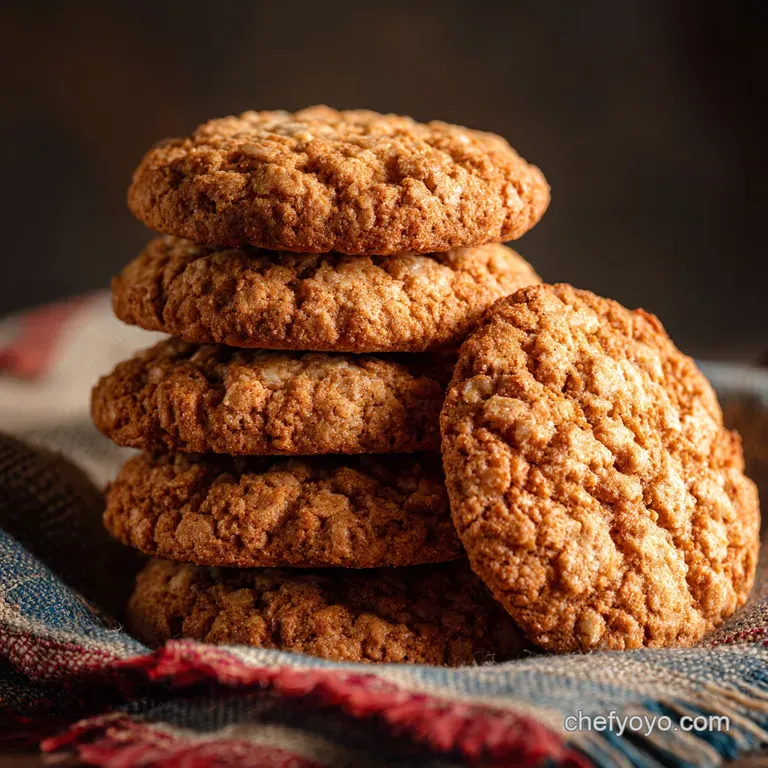
We are aiming for the ultimate expression of comfort food: the perfect Classic Soft Oatmeal Cookies , boasting a deeply moist center and that satisfyingly rugged, Oatmeal Cookies Chewy edge.
This highly calibrated recipe is engineered to achieve that ideal texture through careful balancing of moisture and fat, distinguishing it immediately as one of the Best Oatmeal Cookies you will ever make.
Decoding the Chew: The Role of Molasses and Brown Sugar
The foundation of any exceptional cookie texture lies in the sugar profile. For achieving maximum chewiness, we rely heavily on brown sugar, using a ratio of two parts packed brown sugar to one part granulated sugar. The magic lies in the molasses contained within brown sugar.
Molasses is not merely a flavor agent; it is inherently hygroscopic, meaning it attracts and retains moisture. By increasing this component, we ensure that the cookies remain inherently moist and soft throughout the baking process, resisting the drying that ruins lesser biscuits and guaranteeing a successful Chewy Oatmeal Cookies Recipe .
The Chill Factor: Why Patient Dough Prevents Premature Spreading
Baking is often a test of patience, and nowhere is this truer than with high fat, high sugar drop cookies. The mandatory chilling period at least 30 minutes is the non-negotiable step that differentiates a flat, brittle cookie from a beautifully thick, classic chewy oatmeal cookie.
Chilling the dough solidifies the butter, locking in the structure. When the cold dough enters the hot oven, the edges begin to set before the fat melts completely, controlling the spread.
This controlled melting process ensures the cookie maintains its height, resulting in that wonderfully thick and plush finished texture.
Beyond the Basics: Defining the Perfect 'Dunker' Texture
Our goal is not just a soft cookie, but one that performs its duty as a proper "dunker." The ideal soft chewy oatmeal cookies must be able to withstand a brief submersion in milk or tea without falling apart.
We achieve this specific texture by utilizing the proper old-fashioned rolled oats for structure and pulling the cookies from the oven when they are only partially set. The residual heat on the baking sheet continues the cooking process, allowing the edges to crisp slightly while the molasses rich center retains its necessary moisture, yielding an unparalleled mouthfeel.
The Components of Comfort: Getting Your Baking Mise en Place Right
Successful baking hinges on thoughtful preparation. Before the mixing begins, ensuring every ingredient is measured precisely and at the correct temperature will eliminate potential pitfalls and set the stage for an effortlessly smooth classic chewy oatmeal cookie recipe .
The Essential Dry Goods: Choosing Your Flour and Oats Wisely
While all-purpose flour provides the necessary structure, the defining textural component is, of course, the oats. It is absolutely crucial to use old-fashioned, whole rolled oats, and to avoid instant or quick cooking varieties.
Quick oats are pre-steamed and cut small, meaning they absorb moisture too rapidly during mixing and baking. This absorption results in a more cake like, mushy texture. Old-fashioned oats retain their shape and provide the hearty, resistant bite that is essential for a true Soft Oatmeal Cookies experience.
Plus,, make sure your cinnamon is fresh and potent, as it contributes significantly to the nostalgic flavour profile.
Defining 'Room Temperature': Butter’s Crucial Role in the Creaming Stage
The temperature of the butter is often the most overlooked yet critical detail in cookie baking. "Room temperature" does not mean greasy or melted; it means softened enough that a gentle press leaves an indentation without your finger sinking all the way through.
This state, typically around 67°F (19°C), is necessary for the creaming stage, allowing the paddle of the mixer to create thousands of tiny air pockets within the fat crystals. These trapped air pockets are what give the dough lift and contribute to the final soft texture.
Using butter that is too warm will inhibit this aeration, resulting in a dense, flat cookie.
Specialized Tools for the Perfect Batch Consistency
While a sturdy stand mixer with a paddle attachment is ideal for the robust creaming required for these cookies, two specialized tools will guarantee superior results. First, always line your baking sheets with parchment paper or silicone mats; this prevents sticking and ensures even heat distribution.
Second, a 1.5 tablespoon cookie scoop is indispensable. Uniformity in size is the secret to uniform baking time. If some cookies are larger than others, you will inevitably end up with some under baked centers and some burnt edges a tragedy we must avoid when pursuing the Best Oatmeal Cookies .
Related Recipes Worth Trying
- The Best Chewy Oatmeal Chocolate Chip Cookies Recipe Proper Sticky Centres — Forget dry biscuits This is the ultimate Chewy Oatmeal Chocolate Chip Cookies recipe We use melted butter and molasses for a caramel chew and golden edges...
- The Ultimate Soft Chewy Oatmeal Chocolate Chip Cookies Recipe — These gloriously chewy Oatmeal Chocolate Chip Cookies are thick hearty comfort desserts Perfect for dunking in tea they are easy treats for any holiday platter
- Classic Creamy Gruyère Au Gratin Potatoes The Ultimate Side Dish — Learn how to make the Best Au Gratin Potatoesvelvety garlicky and topped with crisp Gruyère cheese This homemade potato au gratin recipe is an absolute corker
Mastering the Method: step-by-step for Perfect Classic Soft Oatmeal Cookies
Understanding the methodology behind the mix is just as important as the ingredients themselves. Each stage of preparation serves a specific function to achieve that signature soft chewiness.
The Art of the Cream: Integrating Butter and Sugars Correctly
The creaming process is the first critical step in building the structure of the Classic Soft Oatmeal Cookies . After ensuring your butter and sugars are correctly measured, they must be beaten together for a full three to four minutes on medium speed.
This duration allows the sharp sugar crystals to cut into the softened butter, maximizing air incorporation. When done correctly, the mixture will appear significantly lighter in colour and texture, almost fluffy.
Once the air is incorporated, incorporate the room temperature eggs and high-quality vanilla extract one at a time, ensuring they are fully emulsified before moving on.
Gently Folding the Oats: Avoiding Gluten Overdevelopment
Once the wet and dry ingredients are introduced, you must switch your focus immediately to minimal mixing. The dry components (flour, baking soda, salt, cinnamon) should be added gradually and mixed on the lowest speed only until just combined it is acceptable, even encouraged, for a few faint streaks of flour to remain visible.
Over mixing at this stage quickly develops gluten, leading to a tough finished product that compromises the desired Chewy Oatmeal Cookies Recipe . The bulk additions the rolled oats and any optional plumped raisins should be gently folded in by hand using a rubber spatula to ensure even distribution without activating further gluten.
The Scoop and Shape: Achieving Uniform Cookie Diameter
After the crucial 30-minute rest in the refrigerator, the dough should be stiff and easy to handle. Using the recommended 1.5 tablespoon scoop, portion the cold dough onto the prepared baking sheets, leaving a generous two inches of space between each mound.
Do not flatten the dough balls; allow them to remain spherical. The height ensures they spread gracefully rather than immediately, contributing to the desirable thickness of the final classic chewy oatmeal cookies .
Reading the Edges: Knowing When Your Cookie Is Perfectly Baked
Baking these cookies requires vigilance. Set the oven to 350°F (175°C) and bake for 12 to 14 minutes, rotating the sheet halfway through for even heat.
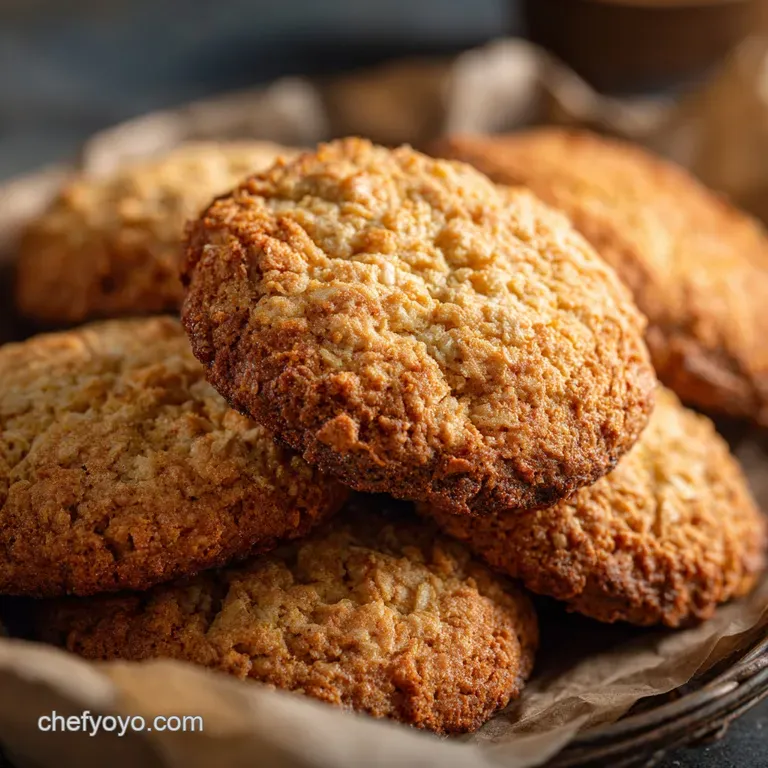
The visual cue for perfection is key: look for edges that are golden brown and firmly set, but a center that still appears slightly pale and soft perhaps even a little wet. This is when the cookie is ready to exit the oven.
Leaving them on the hot baking sheet for five minutes allows the residual heat to complete the cooking process gently, setting the center without drying out the interior, preserving the essential Oatmeal Cookies Chewy characteristic.
The Baker’s Handbook: Troubleshooting and Enhancements
Even the most experienced bakers run into snags. Knowing how to adjust your technique and how to extend the life of your treats ensures every batch is a success.
Solving the Spread: What to Do If Your Dough is Too Sticky
If you find your cookies are spreading more than desired, resulting in thin, crispy discs, the issue is almost always a combination of the initial butter temperature being too warm or the chilling time being inadequate.
To salvage sticky dough, simply return the dough or, better yet, the already scooped dough balls to the freezer for a quick 10-minute flash chill. This rapid cooling firms up the fat dramatically, providing an immediate barrier against spreading when they hit the oven, ensuring the integrity of your Soft Oatmeal Cookies .
Flavor Adventures: Elegant Variations on the Classic Soft Oatmeal Cookie
While the classic recipe is divine, its robust nature welcomes creative adaptations. For a autumnal twist, try the Toffee Apple Crumble variation by swapping out the raisins for a mix of dried diced apples and chewy caramel bits.
Alternatively, for a richer experience, introduce 1/2 cup of semi sweet chocolate chips and 1/2 cup of chopped toasted walnuts or pecans to create a luxurious Nutty Chocolate Chip adaptation.
These simple additions transform the base into a versatile, customized treat, cementing its status as one of the Best Oatmeal Cookies for every season.
Long Term Preservation: Storing Dough and Baked Treats Safely
This recipe is ideal for meal prepping or bulk baking. The unbaked cookie dough can be scooped into balls, flash frozen on a tray until solid, and then transferred to an airtight freezer bag for storage up to three months.
To bake from frozen, simply add 2– 3 minutes to the standard cook time. Baked cookies should be stored in an airtight container at room temperature. A tried and-true trick for maintaining their soft texture is to add half a slice of plain white bread to the container; the cookies will absorb the moisture from the bread, keeping them moist and fresh for up to a week.
Nutritional Snapshot: Calorie and Serving Data (Estimated)
Based on the standard yield of 24 cookies from this classic chewy oatmeal cookie recipe , the estimated serving size is generous. Each cookie provides approximately 165 calories, making them a moderately portioned indulgence.
This estimate, which includes approximately 8 grams of total fat and 22 grams of carbohydrates, serves as a helpful baseline for planning and enjoyment.

Recipe FAQs
My cookies came out flat as a pancake! How do I ensure I get truly Classic Soft Oatmeal Cookies that don't spread too much?
The dreaded pancake spread is usually caused by overly warm butter or skipping the crucial chilling period. Ensure your butter is only slightly softened, not greasy or melted, before creaming it with the sugar.
Chilling the dough for the full 30 minutes (or longer, if you have the patience!) is non-negotiable; it helps the fats firm up, ensuring a thick, soft rise in the oven, giving you that proper chew.
What’s the best way to store these proper dunkers to keep them perfectly soft for days?
Once your cookies have completely cooled on the wire rack (don't rush this vital stage!), store them in an airtight container at room temperature. For a marvelous baker's secret to maintain maximum softness, pop a small half slice of plain bread into the container with them.
The cookies will absorb the bread's moisture, keeping them wonderfully tender and fresh for up to five days perfect for those afternoon cuppas!
The recipe calls for rolled oats, but can I just use those quick oats I have knocking about in the cupboard instead?
While you certainly could in a pinch, we strongly advise sticking to the traditional old-fashioned rolled oats for the best outcome. Quick oats are pre-steamed and cut thinner, which means they tend to break down quickly during baking.
Using them results in a less chewy, almost cake like texture, sacrificing that essential rustic chewiness that makes a good oatmeal cookie a great one.
I’m planning ahead for a big weekend bake off. Can I freeze this oatmeal cookie dough?
Absolutely, freezing the dough is a brilliant time saver! Scoop the uniform dough balls onto a parchment lined tray and freeze until completely solid. Once frozen, transfer them into a sturdy freezer bag, squeezing out any excess air.
You can then bake the cookies straight from frozen, adding just 2 4 minutes onto the standard baking time this ensures you always have warm, fresh cookies ready in a flash.
Are there any lovely variations I could try besides the classic raisins and cinnamon mix?
If raisins aren't quite your cup of tea, there are plenty of delightful alternatives! Try swapping the raisins for dried cranberries and a generous handful of white chocolate chips for a tangier flavour.
Alternatively, folding in pecans or walnuts alongside some butterscotch chips creates a wonderfully nutty and rich profile. Just ensure whatever mix-ins you choose, the total volume stays around 1 to 1.5 cups to keep the dough structure spot on.
Proper Classic Chewy Oatmeal Cookies

Ingredients:
Instructions:
Nutrition Facts:
| Calories | 126 kcal |
|---|---|
| Protein | 1.7 g |
| Fat | 4.2 g |
| Carbs | 18.2 g |
| Fiber | 2.2 g |
| Sodium | 2817 mg |
