Roman Braised Artichokes with Garlic
- Time: Active 25 mins, Passive 35 mins, Total 1 hour
- Flavor/Texture Hook: Earthy, buttery hearts with a bright, herbaceous zing
- Perfect for: Elegant spring side dishes or a rustic Italian antipasto spread
- Creating Authentic Roman Braised Artichokes
- Essential Stats for Recipe Success
- The Physics of the Upside Down Braise
- Gathering Your Wholesome Ingredients
- Simple Tools for Minimalist Cooking
- Detailed Steps for Velvety Results
- Pro Tips to Prevent Failures
- Creative Ways to Vary Flavor
- Scaling for Larger Groups
- Storage and Zero Waste Methods
- Serving Suggestions for Your Meal
- Common Myths About Artichokes
- Recipe FAQs
- 📝 Recipe Card
Creating Authentic Roman Braised Artichokes
I still remember the first time I sat at a tiny, wooden table in Rome's Jewish Quarter. The air was thick with the scent of garlic hitting hot olive oil, and the sound of clinking glasses echoed off the cobblestones.
When the waiter brought out a plate of these artichokes, they didn't look like the stiff, boiled versions I'd struggled with at home. They were golden, supple, and smelled like a sun drenched herb garden.
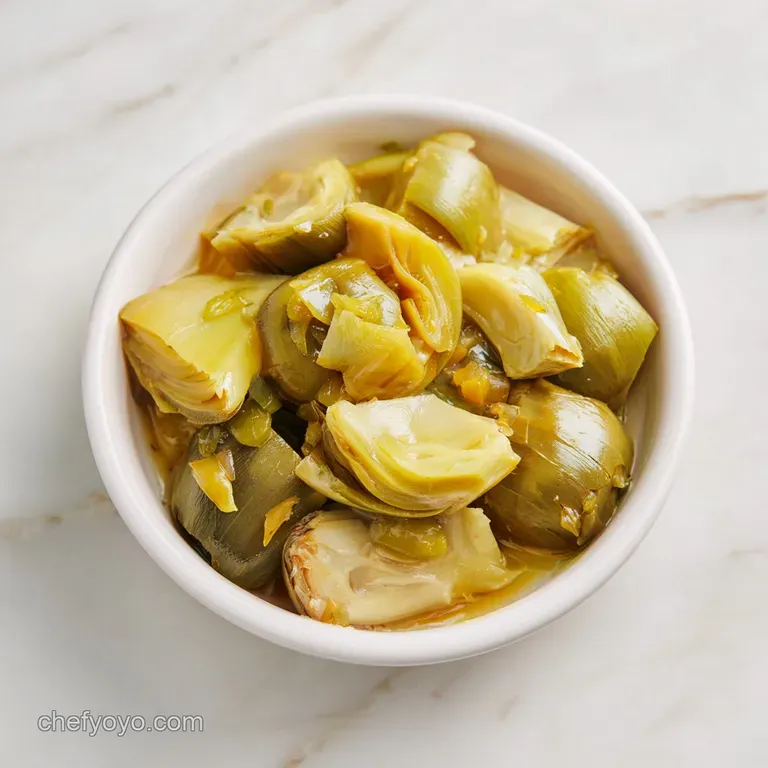
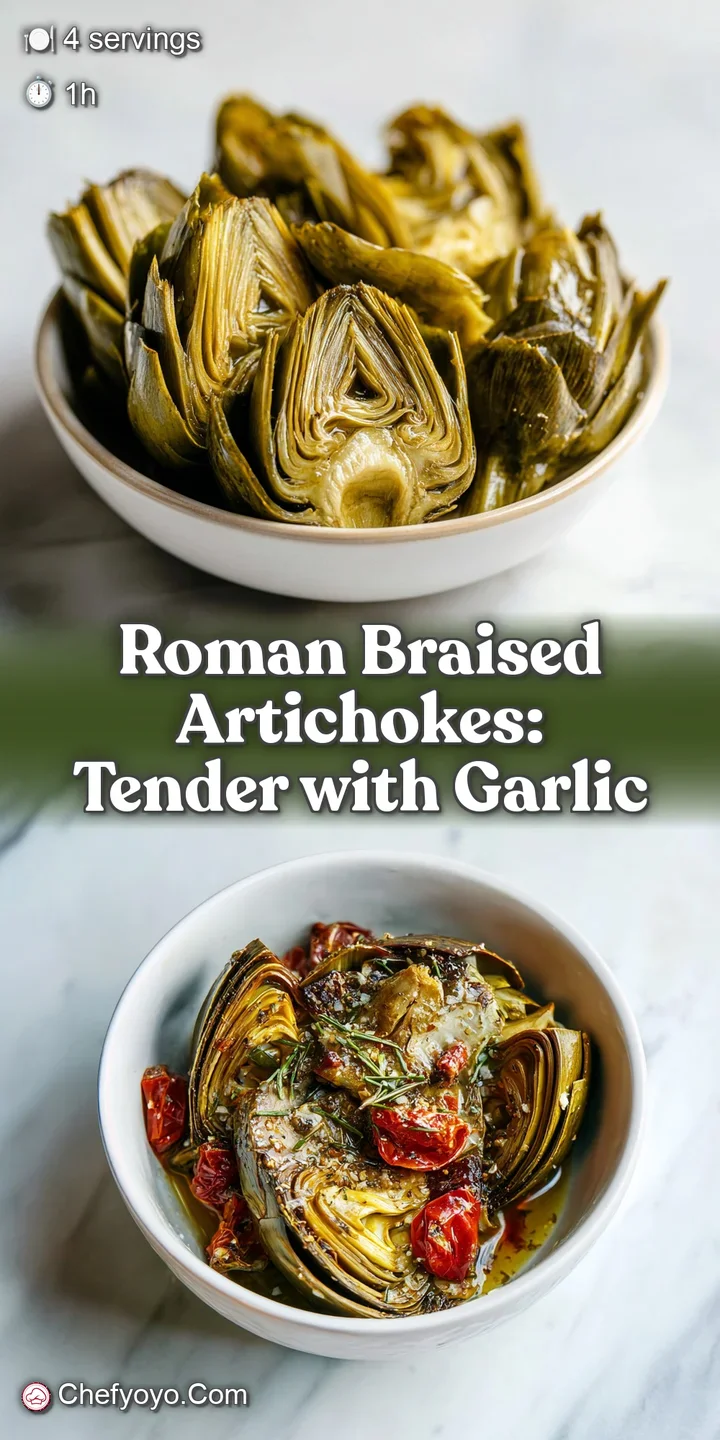
Discover the best Carciofi alla Romana, a flavorful Roman Italian braised artichoke recipe infused with garlic and herbs.
The secret I learned that afternoon wasn't about fancy gadgets; it was about the ritual of the trim. Watching an artisanal cook pare down an artichoke is like watching a sculptor reveal a statue.
You start with something rugged and protective, but with a few decisive swipes of a paring knife, you find the tender, buttery soul hidden inside. This Romana Roman Italian Braised Artichoke Recipe with Garlic and Herbs is my way of bringing that Roman sunlight into your kitchen.
We are going to focus on a wholesome, rustic approach here. Forget the complicated steaming baskets or high tech ovens. All you need is a heavy bottomed pot and a little bit of patience. We've all made the mistake of being too timid with the trimming, leaving behind those woody leaves that get stuck in your teeth.
Today, we're going to be bold, stripping away the armor until we reach the pale, silky leaves that soak up that white wine and olive oil like a sponge.
Essential Stats for Recipe Success
Before we start trimming, let's look at the logistics. This alla Romana Roman Italian Braised Artichoke Recipe with Garlic and Herbs relies on the Snug Fit Principle. If your pot is too wide, the braising liquid evaporates too quickly, leaving the tops dry. If it is too small, you'll crush the delicate shapes.
| Metric | Target Value | Why It Matters |
|---|---|---|
| Artichoke Weight | 250-300g each | Ensures uniform cooking time across the batch |
| Braising Temp | 90°C (Simmer) | Prevents the oil from breaking and the hearts from toughening |
| Resting Time | 10 minutes | Allows the fibers to relax and reabsorb the herb infused juices |
If you are looking for a different texture profile for your dinner party, these pair beautifully with my Baked Stuffed Artichokes recipe. While that version offers a satisfying crunch, our braised method today focuses on a silky, melt in-the mouth finish that feels incredibly artisanal and wholesome.
The Physics of the Upside Down Braise
The Steam Trap Mechanism: By placing the artichokes head down, we trap the aromatic steam from the wine and water inside the leaves, effectively cooking them from the inside out while the stems braise in the fat.
Enzymatic Inhibition: The high concentration of citric acid in our initial bath stops the polyphenol oxidase from reacting with oxygen, ensuring the hearts stay pale and vibrant rather than turning a murky grey.
Selecting the Right Produce
When you are at the market, look for globes that feel heavy for their size. If you squeeze them, they should give a little "squeak." This indicates the leaves are still full of moisture. Avoid any that have leaves splaying outward; that's a sign they are past their prime and will likely be fibrous and woody.
| Fresh Whole Artichoke | Jarred/Canned Hearts | Outcome Comparison |
|---|---|---|
| Intact stem and heart | Hearts only, pre cooked | Fresh provides a deeper, nutty flavor and a better textural contrast |
| Requires 25 mins prep | Zero prep time | Shortcut versions lack the structural integrity for a long braise |
| Natural, rustic look | Uniform, processed look | Fresh is essential for an authentic "alla Romana" presentation |
Using fresh produce is a core part of this Roman Braised Artichokes experience. The shortcut might save time, but you lose that wonderful "artisanal" feeling of serving a whole, sculpted vegetable.
Gathering Your Wholesome Ingredients
For this Romana Roman Italian Braised Artichoke Recipe with Garlic and Herbs, we need the highest quality fat and herbs you can find. Since the ingredient list is short, every component has nowhere to hide.
- 4 large globe artichokes: Romanesco or Mammole variety are traditional because they are thornless and have a massive heart. Why this? They provide the most velvety texture after a long, slow braise.
- 2 lemons: Used for the acidulated bath and to rub the cut surfaces. Why this? Essential for preventing the "grey" oxidation look.
- 120ml extra virgin olive oil: Use a fruity, high-quality oil. Why this? It forms the base of the "sauce" that you'll dip bread into later.
- 30g fresh flat leaf parsley: Finely chopped. Why this? Provides the classic green, earthy backbone to the stuffing.
- 15g fresh mint: The "mentuccia" (calamint) is traditional, but standard spearmint works perfectly. Why this? It adds a cooling, bright lift that cuts through the richness of the oil.
- 3 cloves garlic: Minced into a paste. Why this? Becomes sweet and mellow during the 35 minute simmer.
- 120ml dry white wine: A Pinot Grigio or Vermentino is ideal. Why this? Adds the necessary acidity to balance the earthy artichoke sugars.
| Ingredient | Science Role | Pro Secret |
|---|---|---|
| Extra Virgin Olive Oil | Heat Transfer Agent | Use more than you think; it emulsifies with the wine to create a velvety glaze |
| Fresh Mint | Aromatic Volatiles | Rub the herbs between your palms before chopping to release the oils |
| White Wine | Solvent & Acid | The alcohol helps extract fat soluble flavors from the garlic and herbs |
Simple Tools for Minimalist Cooking
You don't need a pantry full of gadgets for this Artichoke Recipe with Garlic and Herbs. In fact, a minimalist approach usually yields better results because you stay more connected to the ingredients.
- Large Stainless Steel Bowl: For the 500ml cold water and lemon juice bath.
- Paring Knife: A sharp, bird's beak or standard paring knife is better than a chef's knife for the "carving" stage.
- Deep Sauté Pan or Dutch Oven: It must have a tight fitting lid to keep the steam trapped.
- Spoon: A simple teaspoon is perfect for scraping out the fuzzy "choke" from the center.
Chef's Tip: If you find the artichokes are tipping over in the pan, trim the very base of the stem so it's perfectly flat, or use a crumpled piece of parchment paper to wedge them into place.
Detailed Steps for Velvety Results
- Prepare the acidic shield. Fill a large bowl with 500ml cold water and the juice of 1 lemon. Throw the squeezed halves into the water too. Note: This stops the artichokes from turning black the moment they touch the air.
- Snap the outer armor. Take one artichoke and pull off the tough, dark green outer leaves. Stop when you see the pale, yellowish green leaves that feel tender at the base.
- Trim the top. Use your knife to cut off the top 2-3 cm of the leaves, removing any remaining prickly tips.
- Sculpt the base and stem. Use the paring knife to "peel" the stem, removing the fibrous outer skin until you reach the pale green core. Trim the end of the stem slightly.
- Remove the fuzzy choke. Gently pry open the center leaves and use a teaspoon to scrape out the hairy "choke" inside. Work quickly and immediately submerge the whole thing in the lemon water.
- Create the herb pesto. In a small bowl, mix the 3 minced garlic cloves, 30g parsley, 15g mint, 5g sea salt, and 3g pepper. Note: Adding a teaspoon of olive oil to this mix helps it stick inside the artichoke.
- Stuff the hearts. Remove an artichoke from the water and pat it dry. Open the center and pack about a quarter of the herb mixture deep into the cavity and between the inner leaves.
- Arrange and sear. Heat 120ml olive oil in your pan. Place the artichokes upside down (stems pointing up) in the oil. Sizzle for 2 minutes until the leaf tips are slightly golden.
- The braising bath. Pour in 120ml white wine, 240ml water, and a pinch of salt. The liquid should come about halfway up the artichoke globes.
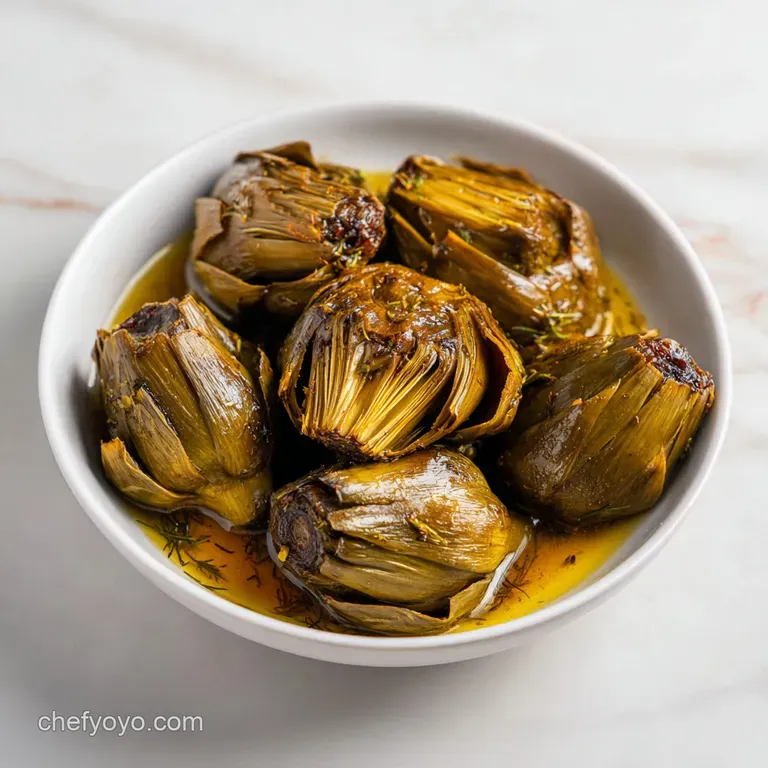
- Simmer to perfection. Cover tightly and cook over medium low heat for 35 minutes. They are ready when a knife slides into the heart near the stem with zero resistance.
While the garlic is mellowing in the pan, you might notice the technique for the herb paste is very similar to how we prep the base for The Proper Classic recipe. Both rely on a fine mince to release maximum flavor.
Pro Tips to Prevent Failures
Even seasoned cooks can run into trouble with Roman Braised Artichokes. The most common heartbreak is ending up with something that looks beautiful but feels like chewing on a twig.
Why Your Artichokes Feel Stringy
This usually happens because we were too "gentle" during the trimming stage. It feels wasteful to pull off so many leaves, but the outer 3 or 4 layers are simply not edible, no matter how long you braise them. If you see dark green, snap it off. You want to see that pale, creamy color before you stop.
Fixing "Grey" or Discolored Leaves
If your artichokes turned dark before they even hit the pan, your lemon water wasn't strong enough, or you left them on the counter too long. Always keep the lemon halves handy and rub every cut surface immediately.
| Problem | Root Cause | Solution |
|---|---|---|
| Bitter Aftertaste | Choke not fully removed | Use a spoon to ensure every "hair" is scraped out before stuffing |
| Dry, Tough Tops | Lid was not tight enough | Place a layer of wet parchment paper over the artichokes before putting the lid on |
| Soggy, Greasy Bottoms | Too much water, not enough wine | Ensure you maintain a 1:2 ratio of wine/oil to water for the best emulsion |
Common Mistakes Checklist ✓ Forgot to peel the stem (the skin is bitter and woody). ✓ Using a pot that is too large (liquid evaporates, burning the garlic). ✓ Not rubbing the "heart" with lemon after removing the choke.
✓ Cooking at a rolling boil rather than a gentle simmer (breaks the delicate leaves). ✓ Skipping the resting period (the flavors need time to settle into the fibers).
Creative Ways to Vary Flavor
Once you've mastered the classic Roman Braised Artichokes, you can start playing with the aromatics to suit your mood. While the mint garlic parsley trio is the gold standard, there is room for a little wholesome experimentation.
- The Citrus Caper Twist: Swap the mint for 15g of rinsed capers and add the zest of an extra lemon to the stuffing. This gives a salty, Mediterranean punch that is incredible with grilled fish.
- The Roman Jewish Hybrid: After braising, remove the lid and turn up the heat. Let the liquid evaporate until only the oil remains, and "fry" the artichokes upside down for an extra 5 minutes to get a crispy, golden crown.
- Spiced Infusion: Add a pinch of red chili flakes (peperoncino) to the garlic mix if you like a bit of heat to cut through the buttery heart.
If you find yourself with extra herbs, don't let them go to waste. This Artichoke Recipe with Garlic and Herbs uses similar proportions to many Mediterranean sides. You could even use the leftover braising liquid as a base for a light pasta sauce the next day.
Scaling for Larger Groups
If you're doubling this alla Romana Roman Italian Braised Artichoke Recipe with Garlic and Herbs for a dinner party, keep these rules in mind to maintain that artisanal quality.
- For 8 servings: Use a very large, wide bottomed pot (like a 30cm skillet) so the artichokes can still sit in a single layer. Do not stack them, or the ones on top will only steam and won't get that lovely oil poached flavor.
- Liquid Adjustments: When doubling, you don't necessarily need to double the water. Start with 1.5x the water (360ml) and 1.5x the wine (180ml). You want the liquid level to stay at the halfway mark of the globes.
- Salt Control: Be careful with the salt when scaling up. Use 1.5x the salt initially; you can always add more to the finished sauce, but you can't take it away once it's braised into the heart.
Storage and Zero Waste Methods
The beautiful thing about Roman Braised Artichokes is that they actually taste better the next day. The flavors have more time to penetrate the deep crevices of the heart.
Storage: Keep them in an airtight container in the fridge for up to 3 days. Store them in their braising liquid to keep them moist. I don't recommend freezing them, as the cellular structure of the artichoke breaks down, making them mushy upon thawing.
Reheating: Gently warm them in a small pan with a splash of water and a drizzle of fresh olive oil over low heat. Avoid the microwave, as it can make the leaves rubbery.
- 1. Stem Scraps
- Don't toss the fibrous stem skins or the outer leaves! Boil them in water with some onion and carrot to create a subtle, earthy vegetable stock for a risotto.
- 2. Leftover Oil
- The oil left in the pan is liquid gold. It's infused with garlic, mint, and artichoke essence. Strain it and use it to roast potatoes or as a dressing for a warm grain salad.
- 3. Artichoke "Butter"
- If you have one leftover artichoke that's looking a bit sad, blitz the heart and the braising liquid in a blender to make a velvety spread for crostini.
Serving Suggestions for Your Meal
When it's time to eat, don't just plate them and walk away. These deserve a little bit of theater. I like to serve them in shallow bowls so the braising liquid can pool around the base.
Provide a big hunk of crusty sourdough bread this is non negotiable. You need something to mop up that garlic mint oil. In Rome, they often serve these at room temperature as part of an antipasto, but they are equally divine served warm as a side to a simple roasted chicken or a piece of pan seared sea bass.
Honestly, the best way to enjoy this Roman Braised Artichokes dish is with your hands. Pull off the outer leaves one-by-one, scraping the tender flesh off with your teeth, working your way toward that glorious, herb stuffed center.
It's a slow, tactile, and completely wholesome way to eat that forces you to slow down and savor the effort you put into the trim. Trust me, once you taste that first buttery bite of the heart, you'll realize why those Roman cooks have been doing it this way for centuries.
Common Myths About Artichokes
Many people are intimidated by this vegetable because of a few persistent kitchen myths that I want to clear up right now.
- Myth: Artichokes are too difficult to prep. Truth: It's just a repetitive motion. Once you find the "line" where the tender part starts, you can prep four of them in under 10 minutes. It's about confidence, not complexity.
- Myth: You can't drink wine with artichokes. Truth: While artichokes contain cynarin, which can make things taste sweeter, a high acid white wine like the ones we use in the braise actually pairs beautifully and cuts through that effect.
- Myth: The stems are trash. Truth: The stems are actually an extension of the heart! Once peeled, they are the most tender and flavorful part of the whole plant. Never cut them off!
Recipe FAQs
What exactly is carciofi alla romana?
Yes, it is a classic Roman preparation.Carciofi alla Romana translates to Roman style artichokes, which involves trimming them down to the heart, stuffing them with parsley, mint, and garlic, and then slow braising them until they are fork tender and steeped in olive oil.
Are carciofi and artichokes the same thing?
Yes, they are the exact same vegetable.Carciofo (singular) is the Italian word for artichoke; carciofi is the plural form.
What does carciofi alla romana taste like?
It tastes earthy, buttery, and intensely herbaceous. The long, slow braise in olive oil transforms the texture into something melt-in-your mouth soft, while the stuffing provides a bright, garlicky, minty contrast to the rich heart.
What exactly is a carciofo?
It is the edible flower bud of a thistle plant. The term refers to the entire globe structure, but in cooking, we primarily focus on eating the tender heart and the soft bases of the inner leaves.
How do I ensure my artichoke hearts stay pale and don't turn grey?
Immediately place all cut surfaces into an acidulated bath. Mix cold water with a significant amount of lemon juice, and even toss the spent lemon halves into the bath to maximize the acid for enzymatic inhibition.
Can I substitute lamb shanks for artichokes in this braising technique?
No, the timing and fat ratio are entirely different. While both benefit from braising, you need vastly more liquid and time for meat; if you want to practice this slow cooking skill with meat, see how we manage time with the Braised Lamb Shanks recipe.
Is it true I must cook the artichokes stem side down?
No, this is a common misconception if you are only pan-searing. For the authentic alla Romana method, you must place them upside down first to sear the tips, then flip them right side up for the long braise; this traps the aromatics inside the bowl of the heart.
Roman Braised Artichokes
Ingredients:
Instructions:
Nutrition Facts:
| Calories | 354 kcal |
|---|---|
| Protein | 4.8 g |
| Fat | 27.3 g |
| Carbs | 17.5 g |
| Fiber | 8.8 g |
| Sugar | 1.2 g |
| Sodium | 475 mg |
