Seasoned Chicken Thighs: Crispy and Juicy
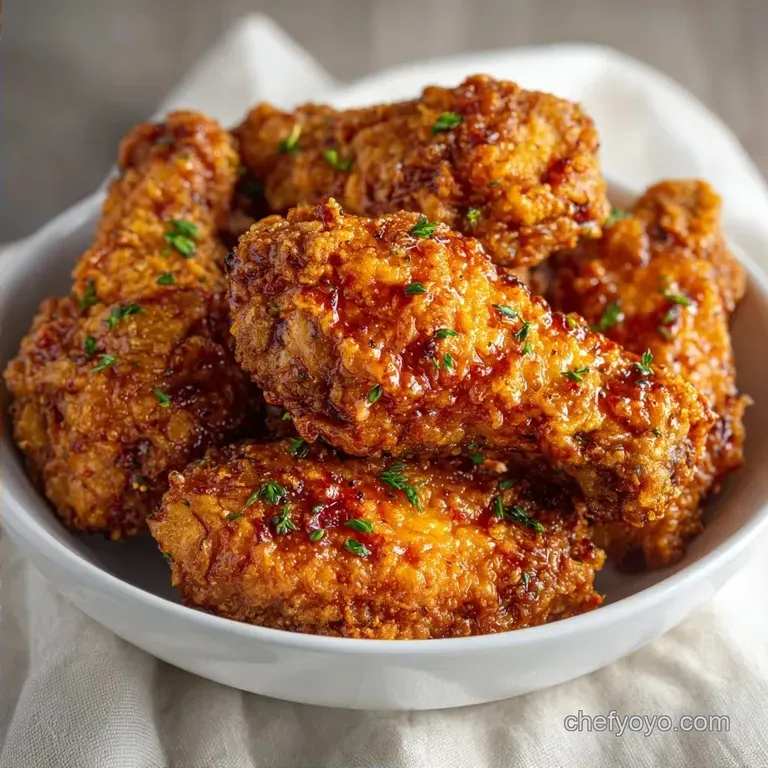
- Time: 10 min active + 35 min roasting
- Flavor/Texture Hook: Shatter crisp skin with juicy, smoky meat
- Perfect for: Weeknight dinners or budget-friendly meal prep
That smell of smoked paprika and garlic hitting a hot oven is honestly one of my favorite things. There is something about the way the skin bubbles and turns a deep mahogany color that makes the whole house feel cozy. I remember the first time I tried making these; I just plopped them in a baking dish.
The tops looked okay, but the bottoms were pale and swimming in a pool of grease. It was a soggy mess.
I spent a few weekends messing around with temperatures and pans until I realized the problem was airflow. Once I started using a wire rack, everything changed. Now, I can get that specific crackle on the skin without having to flip the meat halfway through.
You can expect a dinner that feels fancy but uses basic pantry staples. These Seasoned Chicken Thighs are forgiving, meaning you don't have to be a pro to get it right. We're aiming for a skin that shatters when you bite into it and meat that stays tender.
Simple oven roasted Seasoned Chicken Thighs
The goal here is a balance of heat and moisture. We want the fat to render out of the skin as quickly as possible so it doesn't just boil in its own juices. By using a high temperature, we trigger a fast brown on the surface while the bone keeps the inside from drying out.
The Texture Logic
I used to think searing in a pan first was the only way, but that's too much work for a Tuesday. over High heat roasting does the same job if you follow a few rules.
Surface Moisture: Water is the enemy of crispiness. When the skin is wet, the oven has to evaporate that water before it can start browning, which leads to rubbery skin.
Air Circulation: Using a rack lets hot air hit the bottom of the meat. This prevents the "soggy bottom" syndrome.
Fat Rendering: The high heat melts the subcutaneous fat, which then essentially fries the skin from the inside out.
Carryover Heat: Taking the meat off at 175°F allows it to rest and redistribute juices. According to Serious Eats, dark meat like thighs actually tastes better and has a more tender texture when cooked to a higher internal temperature than breasts.
| Method | Time | Texture | Best For |
|---|---|---|---|
| Oven + Rack | 35 mins | Crispy all over | Easy cleanup |
| Cast Iron | 40 mins | Heavy sear | Maximum crust |
| Air Fryer | 20 mins | Very dry/crisp | Small batches |
Ingredient Breakdown
Not every spice does the same thing. Some are there for the color, and some are there to cut through the fat.
| Ingredient | Science Role | Pro Secret |
|---|---|---|
| Smoked Paprika | Color & Aroma | Gives a "grilled" taste without a grill |
| Kosher Salt | Moisture Draw | Pulls water from skin for better crisp |
| Olive Oil | Heat Conductor | Helps spices stick and browns faster |
| Garlic Powder | Flavor Base | Doesn't burn as fast as fresh garlic |
Necessary Kitchen Tools
You don't need a fancy setup for this. A standard rimmed baking sheet is fine, but the wire rack is the real hero here. I use a simple cooling rack that fits inside the pan. If you don't have one, you can bunch up some aluminum foil into small balls and balance the chicken on top of them, though it's a bit fiddly.
For the seasoning, a small bowl and a pastry brush (or just your hands) work best. I prefer using my hands to get the rub under the skin. It's a bit messy, but the flavor payoff is worth it.
Step by step Method
Right then, let's get into it. Make sure your oven is fully preheated to 425°F (218°C) before the meat goes in.
- Pat the chicken thighs extremely dry using paper towels. Note: Spend an extra minute here; dry skin equals crispy skin.
- Mix the olive oil, kosher salt, black pepper, garlic powder, smoked paprika, onion powder, and cayenne pepper in a small bowl.
- Rub the seasoning mixture over the thighs. Gently lift the skin with your finger to apply some rub directly to the meat.
- Place the Seasoned Chicken Thighs on a wire cooling rack set inside a large rimmed baking sheet.
- Roast at 425°F (218°C) for 30-35 minutes. Wait until the skin is deeply browned and sizzling.
- Check the internal temperature with a meat thermometer. Cook until it reaches 175°F or the juices run completely clear.
- Remove from the oven.
- Let the chicken rest on the rack for 5-10 minutes. Note: Resting prevents the juices from running out the moment you cut in.
Common Problem Fixes

Even with a simple recipe, things can go sideways. Usually, it comes down to moisture or oven hotspots.
Rubbery Skin
This usually happens if the oven temperature is too low or the skin was damp. If the meat is cooked through but the skin is soft, you can turn on the broiler for 2-3 minutes. Just watch it like a hawk so it doesn't burn.
Burnt Seasoning
Paprika can burn if the heat is too extreme or if you used too much oil. If you see the spices turning black instead of mahogany, drop the temp to 400°F for the last 10 minutes.
Uneven Cooking
Some thighs are thicker than others. If one is done and the other isn't, just move the smaller ones to the edge of the pan where it's slightly cooler.
| Problem | Root Cause | Solution |
|---|---|---|
| Pale skin | Oven too cold | Increase heat to 425°F |
| Dry meat | Overcooked | Pull at 175°F exactly |
| Seasoning fell off | Meat was too wet | Pat dry with more towels |
Mistakes to avoid:
- ✓ Don't crowd the pan; leave space for air to flow.
- ✓ Don't skip the resting period.
- ✓ Don't use fine table salt; kosher salt is better for rubbing.
- ✓ Don't forget to season under the skin.
- ✓ Don't use a deep glass dish (it traps steam).
Flavor Tweaks and Swaps
If you're tired of the smoky vibe, you can easily pivot. For a Mediterranean twist, swap the paprika and cayenne for dried oregano and lemon zest. If you're feeling a Mediterranean vibe, you might like these Greek Lemon Chicken Skewers.
For those on a budget, onion powder is a great substitute for fresh onion since it doesn't release water into the pan.
| Original Ingredient | Substitute | Why It Works |
|---|---|---|
| Smoked Paprika | Sweet Paprika | Similar color. Note: Lacks the campfire aroma |
| Olive Oil | Avocado Oil | Higher smoke point. Note: Neutral flavor |
| Cayenne Pepper | Chili Flakes | Adds heat. Note: Less uniform distribution |
| Kosher Salt | Sea Salt | Similar grain. Note: Adjust amount as it's saltier |
If you want to make this Keto or Paleo, it's already there. Just double check that your garlic and onion powders don't have added cornstarch or sugar. For a more "saucy" version, you could brush on a bit of honey or maple syrup in the last 5 minutes, but be careful as the sugar burns quickly.
Scaling Guidelines
Making this for a crowd is easy, but you can't just multiply everything blindly.
Scaling Down (2 thighs): Use a smaller baking sheet. You can keep the temperature the same, but check for doneness about 5 minutes early. Since you're using fewer thighs, the air circulates even better.
Scaling Up (8-12 thighs): Work in batches. If you crowd the pan, the chicken will steam instead of roast. If you must do it all at once, use two separate pans. For the spices, I only increase the salt and cayenne to 1.5x rather than 2x to avoid over seasoning.
Baking Large Batches: If you have a convection oven, lower the temperature by 25°F (to about 200°C) because the fan accelerates the cooking. Otherwise, keep it at 425°F.
Truth About Chicken Myths
Searing meat in a pan does not "seal in the juices." That's a total myth. Moisture loss happens regardless of how you start the cook. The sear is actually about flavor and color, not about creating a waterproof barrier.
Another one: some people say you should never wash chicken. While washing is discouraged because it splashes bacteria around your sink, the real reason to avoid it for this recipe is the moisture. Wet skin will never get crispy.
Storage and Reheating
These Seasoned Chicken Thighs keep well in the fridge for 3-4 days. Store them in an airtight container. To keep them from getting soggy, don't seal the lid until they have cooled completely.
For the freezer, you can freeze them for up to 3 months. I recommend freezing them already cooked. When you're ready to eat, thaw them in the fridge overnight.
To reheat, avoid the microwave if you can. It turns the skin into rubber. Instead, put them back in the oven or an air fryer at 375°F (190°C) for about 8-10 minutes. This brings the crispiness back to the skin.
Zero Waste Tip: Don't throw away the fat left in the pan. Pour it into a glass jar and keep it in the fridge. Use it to roast potatoes or sauté greens. Also, if you have leftover bones, simmer them with an onion and a carrot to make a quick, rich stock for a Gumbo recipe.
Serving and Pairing
Since the chicken is rich and smoky, you need something bright or acidic to balance the plate. A simple arugula salad with lemon vinaigrette is my go to.
I love serving this alongside a Grilled Vegetable Platter to balance the richness. The cool yogurt sauce on the veggies cuts right through the smoky heat of the chicken.
If you want a heartier side, roasted root vegetables like carrots or parsnips work great. You can even toss them on the same baking sheet if you have a large enough pan, just make sure they aren't touching the chicken so they have room to roast.
Ultimately, this dish is about simplicity. You take a cheap cut of meat, apply a few basic spices, and let the oven do the heavy lifting. Trust the temperature, keep the skin dry, and you'll have a dinner that feels like it took way more effort than it actually did.
Recipe FAQs
How to season chicken thighs to the bone?
Gently lift the skin with your finger. Rub the seasoning mixture directly onto the meat before letting the skin lay back down.
Are chicken thighs good for diabetics?
Yes, they are an excellent protein source. Since this recipe uses spices and olive oil without added sugars, it fits well into a low-carb or diabetic friendly diet.
Is it better to bake bone-in chicken thighs at 350 or 400 degrees?
No, roast them at 425°F. Higher heat is essential to render the fat and achieve a deeply browned, crispy skin within 30-35 minutes.
How to cook bone-in chicken thighs in the oven?
Roast at 425°F on a wire rack for 30-35 minutes. Ensure the internal temperature reaches 175°F before letting the meat rest for 5-10 minutes.
How to get the skin crispy when baking bone-in chicken thighs?
Pat the skin extremely dry with paper towels. Use a wire cooling rack on a baking sheet to allow 360-degree airflow around the chicken.
What is the best way to season chicken thighs?
Combine a dry spice rub with olive oil. The oil helps the seasonings adhere to the skin and meat while promoting an even, golden brown sear.
What should I serve with seasoned chicken thighs?
Pair them with a tangy condiment. These thighs taste great with a side of pickled red onion to balance the richness of the meat.
Seasoned Chicken Thighs