Cannolis the Authentic Sicilian Shells and Velvety Ricotta Recipe
- Mastering the Art of Sicilian Cannolis: Why Technique Matters
- Essential Supplies for Authentic Cannoli Shells and Cream
- Step and by-Step Guide to Crafting the Shatteringly Crisp Shell
- Preparing the Decadent Ricotta Cream Filling
- Troubleshooting and Chef's Notes for Perfect Results
- Storage and Make and Ahead Strategies for Fresh Cannolis
- Recipe FAQs
- 📝 Recipe Card
Mastering the Art of Sicilian Cannolis: Why Technique Matters
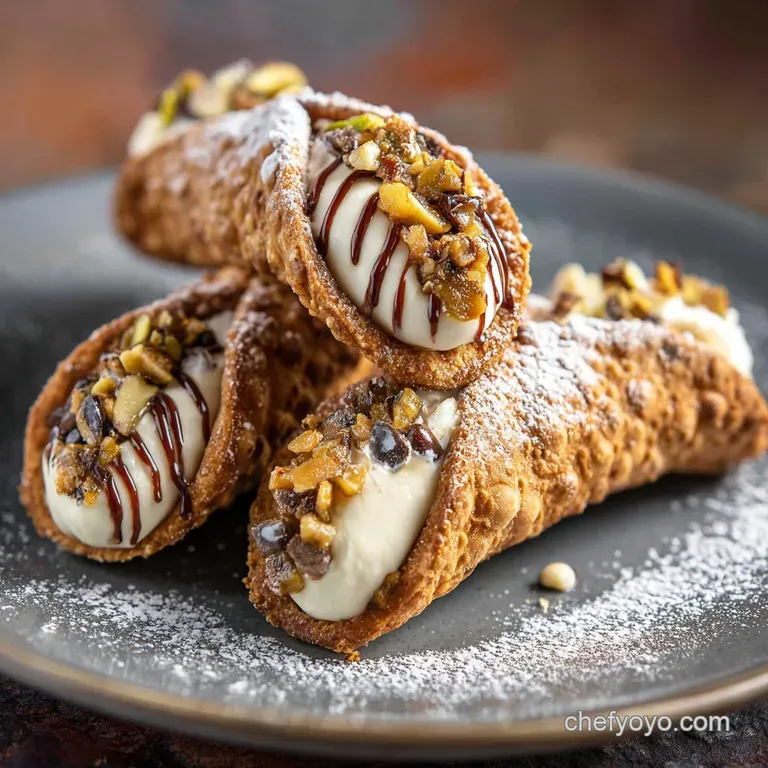
Okay, so we’re making cannolis. Not those floppy, thick and shelled things that taste vaguely of fried dough and sadness. We are making the authentic, shatteringly crisp, perfectly blistered Sicilian kind. This dessert facile is totally doable at home, but you gotta respect the process.
It’s a bit high and maintenance, but the reward... man, that first bite is pure gold. We’re aiming for contrasts here: crispy, crunchy exterior versus cool, incredibly creamy filling.
The Critical Role of Marsala Wine in Shell Depth
Look, I know you might be tempted to skip the Marsala wine, or swap it for water or milk. Don't. Seriously, don't. Marsala is traditional for two big reasons. First, flavour. It gives the dough a subtle, winey depth that you just can't replicate.
Second, and more critically for technique, the alcohol and the acidity interact with the flour and fat to achieve maximum blistering. When that dough hits the hot oil, the alcohol evaporates aggressively, creating air pockets that expand into those gorgeous, tiny bubbles.
That’s what makes the shell brittle, light, and perfectly shatteringly crisp. If you absolutely can’t use Marsala, dry white wine or a splash of red wine vinegar mixed into water is your next best bet, but the original is always better.
Why We Must Drain the Ricotta (The Secret to Velvety Filling)
This is my number one rule for achieving restaurant and quality cannoli filling. If you use ricotta straight out of the tub, you are essentially guaranteeing a disaster. Ricotta, especially the store and bought kind, holds a ton of moisture (whey). That whey is the enemy of the crunchy shell.
Why bother with this ancient step? Because if the filling is wet, it soaks the shell instantly. You go from crunch to soggy in about ten minutes. We want a velvety, almost paste and like consistency, not a runny, gloppy mess.
Draining it for hours, sometimes overnight, removes that excess water, concentrating the cheese flavour and giving you that truly luxurious, pipeable texture. Trust me, put that cheese in a colander lined with paper towels right now, even before you start the dough.
Essential Supplies for Authentic Cannoli Shells and Cream
Let's talk ingredients. Like any truly yummy food dessert, quality counts here. Because we are using so few elements, each one needs to pull its weight.
Gathering Your Pantry Staples: Ingredient Checklist
When you’re pulling ingredients, think fat and acid. For the shells, the flour needs to be sturdy. But the biggest debate is the fat. Traditional Sicilian cannolis use lard. I know, I know, it sounds intense, but lard produces the most incredibly crisp, non and greasy, blistered shells.
If lard freaks you out (which is fine), use very cold, cubed butter. Just make sure everything is chilled. And yes, the cinnamon in the shell dough? Don't skip it. It adds a warmth you didn't know you needed.
Recommended Ricotta Types and Quality Standards
When shopping for the cannoli filling, look specifically for whole milk ricotta. We are not dieting here, okay? Low and fat ricotta will never achieve that rich, velvety smoothness we’re looking for, even after draining.
If you can find sheep's milk ricotta, that is the gold standard for authentic cannolis, offering a slightly sweeter, richer flavour. But standard whole milk cow’s milk ricotta works beautifully. Just make sure the final product, after draining, is thick enough to hold its own shape.
Specialized Equipment: Finding the Right Cannoli Tubes
You simply cannot make the proper tube shape without metal cannoli forms. I started off trying to use bamboo skewers, foil, everything. It was a joke. These metal tubes are inexpensive, and they hold their shape beautifully in the hot oil.
They must be metal because they conduct the heat, helping the inside of the shell cook evenly. Make sure you get the standard size (usually about 5 inches long). Anything smaller, and you'll be making mini cannolis all day long.
Step and by-Step Guide to Crafting the Shatteringly Crisp Shell
We are splitting the work into two major sections: the crunchy part, and the creamy part. Let's crack on with the dough.
Preparing the Decadent Ricotta Cream Filling
Once the ricotta is drained (and hopefully looks almost like firm cream cheese now), transfer it to a mixer. Use a paddle or whisk attachment. You don't want to beat it until it's fluffy like a meringue, but you do want to eliminate all lumps. Add the powdered sugar, vanilla, and the crucial lemon zest.
Lemon zest just cuts through the richness and makes the whole dessert taste brighter. Seriously, that hint of citrus is non and negotiable for real cannolis.
Kneading and Resting the Shell Dough (Achieving the Right Elasticity)
The dough is weirdly stiff thanks to the Marsala. Knead it just until it comes together, about two minutes maximum. The goal is to get it smooth but not overwork the gluten. If you over and knead it, the shells will be tough. Wrap it up and shove it in the fridge for at least an hour.
This resting time is important because it allows the gluten to relax, which means you can roll it out incredibly thin without it snapping back into a little ball.
Shaping, Sealing, and Deep and Frying the Pastry Tubes
This is the fun part, but it requires precision. If you have a pasta roller, use it! Roll that dough down to the thinnest setting (or second thinnest). If you’re using a rolling pin, you should nearly be able to read a newspaper through the dough that’s how thin we're talking.
CRITICAL FRYING WARNING: The oil temperature must stay at 350°F (175°C). If it’s too cold, the shells will absorb the oil and be greasy. If it's too hot, they'll burn before they crisp up. Watch that thermometer like a hawk.
Cut your shapes, wrap them diagonally around the tubes, and seal the edge with a tiny dab of egg white. Press hard! The last thing you want is a shell popping open in the fryer. Fry until blistered and golden brown, then use tongs to remove them, cool them slightly on a rack, and gently slide the hot tubes out.
Whipping the Filling to Perfect Pipeable Consistency
Once you have your flavourings in (I usually fold in mini chocolate chips by hand at the end so they don’t turn the whole filling brown), you might notice the mixture is still a bit soft. That’s okay. Give it another 30 minutes in the fridge to stiffen slightly.
Then, load it into your piping bag. A simple zip and top bag with the corner snipped works perfectly well, though a star tip makes them look extra pretty. You want it smooth enough to pipe, but thick enough to stand proud when piped.
Final Assembly: Filling the Cannolis (The Last Minute Step)
I am giving you a command, not a suggestion: Do not fill the cannolis until literally 5 or 10 minutes before you intend to serve them. Seriously. Make the shells days ahead. Make the filling days ahead. Keep them separate.
If you fill them early, the crisp shell will start sucking up the moisture, and all that hard work of draining the ricotta goes right down the drain. Pipe from both ends towards the middle. It looks professional and ensures the entire tube is full.
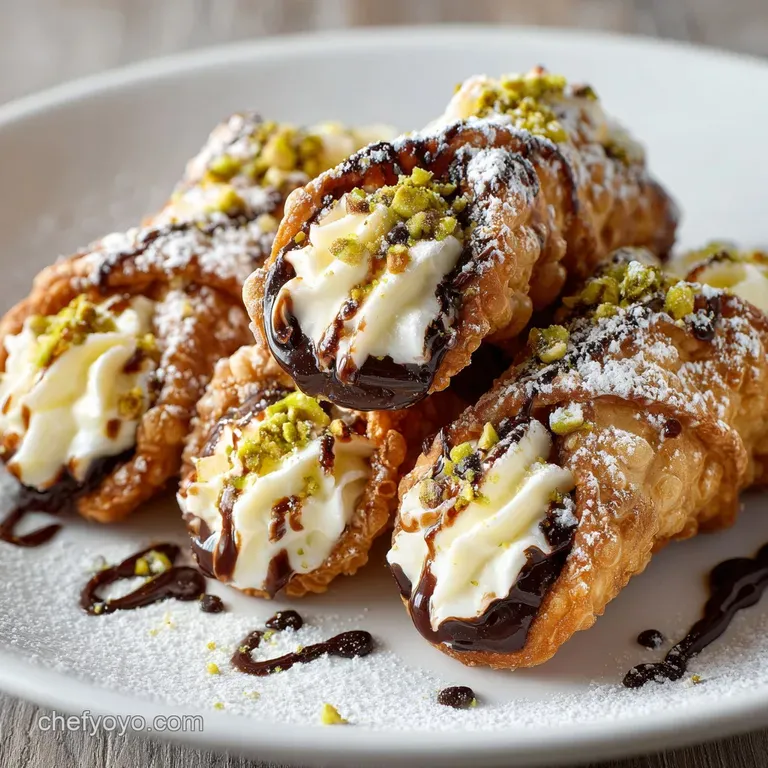
Dust them with sugar, press some crushed pistachios onto the ends, and serve!
Troubleshooting and Chef's Notes for Perfect Results
- Why are my shells bready? They are too thick. Next time, roll them thinner. Or, the oil was too cool and they cooked slowly instead of flash and frying.
- Why is my filling weeping? You did not drain the ricotta long enough. If this happens post and whipping, try adding a tablespoon of cornflour or simply folding in some finely ground almonds (almond flour) to absorb the excess moisture.
- The shell is sticking to the tube! Did you lightly grease the tube before wrapping the dough? You absolutely must. Also, wait until the shell is slightly cool before gently wiggling the tube out. Don't force it right out of the fryer.
Storage and Make and Ahead Strategies for Fresh Cannolis
This dessert is fantastic because you can do almost everything ahead of time, which means less panic when guests arrive.
How to Prevent the Shells from Blistering Too Aggressively
If your shells are blistering too aggressively (getting huge bubbles instead of small ones), two things could be happening: your dough rested too long at room temperature before frying, or your oil is a bit too hot (try bringing it down to 340°F).
Remember, tiny blisters are good; giant blisters are a sign the oil is maybe just a little too aggressive.
Simple Substitutions for Traditional Ingredients
Here are a few quick swaps if you’re short on ingredients:
- For the Marsala: Brandy or dry sherry works well for the necessary alcohol and flavour component.
- For the Ricotta: If you are truly desperate, a blend of mascarpone and cream cheese, sweetened, can mimic the texture, but it’s less authentic.
- For Garnish: Use dried cranberries, chocolate shavings, or even crystallized ginger instead of traditional pistachios or candied peel.
Keeping Shells Crisp: Long and Term Storage Tips
Once cooled completely, store the empty cannoli shells in an airtight container at room temperature. Do not refrigerate them. Refrigeration is a moisture magnet for fried dough. They will stay perfectly crisp for 3 to 5 days this way.
If they soften slightly, you can place them on a baking tray and bake them at 300°F (150°C) for about 5 minutes just before filling them to re and crisp.
Freezing and Thawing Components Safely
You can definitely freeze the raw dough. Just thaw it overnight in the fridge before rolling. The shells themselves don't freeze particularly well because they lose some of that brittle crispness upon thawing. For the filling, I generally don't recommend freezing it.
When dairy is frozen and thawed, it often changes texture and becomes grainy or separated. Since the filling keeps beautifully in the fridge for up to three days, stick to refrigerating it and only piping when ready to serve.

Recipe FAQs
How do I stop my cannoli shells going all soft and sad like a soggy biscuit?
The cardinal rule of cannoli making is never to fill the shells until moments before you intend to serve them; the moisture from the ricotta will immediately begin turning your lovely crisp shell into a soggy mess.
Store unfilled shells in an airtight container at room temperature for up to two weeks, and keep the filling chilled separately until assembly time.
Why is my ricotta filling looking a bit thin and weeping?
That watery mess is excess whey, and draining the ricotta properly is the single most crucial step for a velvety filling. You must drain your whole milk ricotta for a minimum of 3-4 hours, or ideally overnight in the fridge using a cheesecloth or several layers of kitchen paper, until it’s as dry as a well told joke.
I don't have those fancy metal tubes can I still make these proper Cannolis?
Yes, but you’ll need a makeshift solution; while metal forms are best for heat distribution, you can fashion temporary tubes from thick cardstock wrapped tightly in heavy duty aluminium foil, ensuring they are taped and crimped firmly to hold their shape during the frying process.
Are there any good substitutions if I can't find Marsala wine or want to lighten the fat content?
You can use dry white wine, port, or brandy in place of the Marsala, though it may slightly alter the traditional Sicilian flavour depth; for the shells, cold unsalted butter or vegetable shortening can replace the lard, which is traditionally used for maximum blistering and crispness.
These seem like a lot of work. How much of the process can I tackle ahead of time?
You can save yourself a massive headache by preparing both the ricotta filling and the fried shells completely ahead of time; the filling keeps well chilled for 3 days, and the shells can be stored for weeks, leaving only the swift and enjoyable piping just before your guests arrive.
Sicilian Crispy Shell Cannolis Recipe

Ingredients:
Instructions:
Nutrition Facts:
| Calories | 275 kcal |
|---|---|
| Fat | 16.5 g |
| Fiber | 1 g |
