The Best Whole Wheat Pasta Recipe: Rich & Supple
- Effort/Time: 1 hour 5 mins total with minimal active labor.
- Flavor Hook: Nutty, toasted-grain depth with a velvety, garlic-butter finish.
- Perfect for: Nutrient-dense weeknight dinners or high-protein make-ahead meals.
- The Ultimate Homemade Whole Wheat Pasta Experience
- Why This Recipe Works: The Science of Silky Whole Grains
- Essential Ingredients and Smart Substitutions
- Step-by-Step Guide to Crafting Whole Wheat Pasta
- Expert Tips and Common Mistakes to Avoid
- Storage and Freezing Guidelines
- Serving Suggestions: Sauces That Shine
- Recipe FAQs
- 📝 Recipe Card
The Ultimate Homemade Whole Wheat Pasta Experience
Making whole wheat pasta used to feel like chewing on a cardboard box. I’ve spent years tossing out rubbery, grey noodles that fell apart the moment they hit boiling water because I didn't understand hydration.
It’s a common frustration most home cooks give up because the bran in the flour acts like tiny razor blades, shredding the gluten network before it even forms.
But I finally cracked the code using a specific ratio of fats and a long rest. You’re looking for that satisfying "snap" and a deep, bronzed color that smells like a bakery. We are going to use the science of protein denaturation and lipid binding to ensure your whole wheat pasta is as flexible as it is flavorful.
Trust me, once you feel the whole wheat pasta dough turn from shaggy crumbs into a smooth, elastic ball under your palms, you’ll never go back to the boxed stuff. The secret is in the "Windowpane Test" and giving the flour enough time to fully hydrate.
Let's get into the mechanics of why this specific whole wheat pasta recipe actually works.
Why This Recipe Works: The Science of Silky Whole Grains
Whole wheat pasta requires a different chemical approach than standard egg pasta. Here is the technical breakdown:
- Bran Softening: A 1 hour rest allows the 1 tablespoon water and 1 tablespoon extra virgin olive oil to penetrate the tough outer bran, preventing it from cutting the gluten strands.
- Protein Hybridization: Mixing 2 cups whole wheat flour with 0.5 cup all-purpose flour provides enough refined glutenin to support the weight of the whole grains.
- Lipid Emulsification: The 2 extra large egg yolks introduce lecithin, which bonds the water and fats, creating a whole wheat pasta with a luxurious, non-gritty texture.
- Hydration Equilibrium: Using 3 large eggs plus 1 tablespoon water ensures the 250g of whole wheat flour reaches the 57% hydration mark required for elasticity.
The Flavor Profile: Nutty, Rich, and Complex
This whole wheat pasta doesn't just provide a vessel for sauce; it contributes its own flavor. Unlike white flour, which is relatively neutral, the 2 cups of King Arthur Whole Wheat Flour used here contain the germ, which is packed with oils that provide a toasted, malt like aroma.
When this hits the 4 tablespoons of sizzling unsalted butter in the pan, the Maillard reaction is amplified by the natural sugars in the grain. It’s a deeper, more sophisticated profile than standard noodles.
Overcoming the Grainy Texture Stereotype
The "grainy" texture people hate is usually just under hydrated bran. By using a KitchenAid Stand Mixer with a dough hook for the initial mix, we force the moisture into the particles.
The 1 teaspoon of fine sea salt doesn't just season; it tightens the gluten bonds, making the whole wheat pasta feel smoother on the tongue. You won't find any of that "sandy" residue here just a clean, firm bite.
Nutritional Benefits of Using Fresh Whole Wheat
Choosing a whole wheat pasta recipe healthy enough for daily rotation means looking at the macros. With 7g of fiber and 21g of protein per serving, this dish provides sustained energy release. The 60g of carbohydrates are complex, meaning you avoid the insulin spike associated with refined flour.
It’s a functional food that doesn't sacrifice the sensory joy of a classic Italian meal.
Essential Ingredients and Smart Substitutions
The success of your whole wheat pasta hinges on the quality of your fats and the grind of your grain. I always reach for Lucini Extra Virgin Olive Oil for its peppery finish and Kerrygold Unsalted Butter for the sauce because its higher fat content creates a more stable emulsion with the lemon juice.
The Science Behind the Ingredients
- What It Does
- Provides the structural foundation and primary fiber source.
- The Chemistry
- Contains the endosperm, germ, and bran; the bran’s sharp edges require longer hydration to prevent gluten shearing.
- Why This Matters
- Results in a robust, nutty flavor and a lower glycemic index for this whole wheat pasta.
- What They Do
- Act as a natural emulsifier and fat source.
- The Chemistry
- Lecithin in the yolks bridges the gap between the oil and the water in the whites, creating a stable colloidal suspension.
- Why This Matters
- Produces a whole wheat pasta that is velvety rather than brittle.
- What It Does
- Strengthens the protein network.
- The Chemistry
- Salt ions shield the charges on gluten proteins, allowing them to slide past each other and then bond more tightly.
- Why This Matters
- Increases dough elasticity and prevents the wheat pasta from becoming mushy during the 5 minutes boil.
Ingredients & Substitutions Table
| Original Ingredient | Substitute | Why It Works |
|---|---|---|
| 2 cups whole wheat flour | Spelt Flour (250g) | Similar protein content; adds a sweeter, more delicate nutty flavor. |
| 3 large eggs | 4 medium eggs | Maintains the 3:2 liquid-to-solid ratio required for hydration. |
| 4 tbsp unsalted butter | Ghee (4 tbsp) | Higher smoke point; offers a similar nutty profile without the milk solids. |
| 1 whole lemon | 1 tbsp Rice Vinegar | Provides the necessary acidity to cut through the 26g of fat. |
step-by-step Guide to Crafting Whole Wheat Pasta
Mixing and Kneading for Maximum Elasticity
- Mound 2 cups whole wheat flour and 0.5 cup all-purpose flour on a clean surface. Note: Creating a well ensures the 3 large eggs and 2 yolks stay contained during the initial emulsification.
- Whisk 1 tablespoon extra virgin olive oil, 1 teaspoon fine sea salt, and 1 tablespoon water into the center of the eggs. Note: Adding water separately helps hydrate the bran specifically before the fats coat the flour particles.
- Incorporate flour slowly from the inner rim of the well using a fork. Note: This gradual mixing prevents lumps and ensures even protein distribution.
- Knead for 10 minutes until the dough feels like an earlobe and springs back when poked. Note: Mechanical energy aligns the gliadin and glutenin proteins into long, stretchy strands.
Chef's Note: If the dough feels "shaggy" or dry after 5 minutes of kneading, add the 1 tablespoon of water one drop at a time. Whole wheat is thirsty; the weather in your kitchen can change how much liquid you need.
The Importance of the Gluten Resting Phase
- Wrap the dough tightly in plastic wrap and let it sit for 1 hour at room temperature. Note: This "autolyse" period allows the starch to fully gelatinize and the gluten to relax, making rolling possible.
- Divide the dough into 4 equal portions. Note: Working in smaller batches prevents the whole wheat pasta from drying out and cracking.
If you're looking for a way to use this dough in a more complex dish, it works beautifully for a Homemade Butternut Squash Sage Ravioli Recipe, as the nutty grain complements the sweetness of the squash perfectly.
Rolling and Cutting Techniques
- Flatten one portion and pass it through the KitchenAid Pasta Roller on the widest setting (#1). Note: Laminating the dough by folding it in thirds and re-rolling strengthens the final texture.
- Decrease settings gradually until you reach level #6 or #7. Note: Whole wheat pasta should be slightly thicker than white pasta to maintain its "al dente" structural integrity.
- Dust with all-purpose flour and cut into fettuccine or pappardelle strands. Note: A light coating prevents the noodles from sticking together while you finish the rest of the batch.
Expert Tips and Common Mistakes to Avoid
One of the biggest errors is not boiling the water enough. You need a rolling boil "big bubbles" to ensure the whole wheat pasta cooks fast. Because this is fresh, it only takes 3 to 5 minutes.
If you overcook it, the fiber strands will collapse, and you'll lose that "shatter" bite.
Common Mistakes Table
| Problem | Why It Happens | The Fix | Pro Protocol |
|---|---|---|---|
| Dough is brittle/tearing | Low hydration or insufficient rest | Add 1 tsp water and rest for 30 more mins | Use a spray bottle for even water distribution |
| Pasta is gummy | Overcooked or too much water in dough | Boil for exactly 5 minutes; check at 3 mins | Use a digital timer and a Lodge Cast Iron Skillet for tossing |
| Bland flavor | Lack of salt in dough or water | Use 1 tsp salt in dough; salt the water like the sea | Aim for 10g salt per liter of boiling water |
Common Myths
Myth: Whole wheat pasta is always "heavy" and "dense." Truth: Denseness is caused by a lack of air and moisture. Using the 2 extra egg yolks and the 1 hour rest makes the wheat pasta surprisingly light and airy.
Myth: You can't use a pasta machine for whole grain dough. Truth: You can, provided the dough has been rested. The resting period softens the bran so it doesn't tear the sheets as they thin out.
Storage and Freezing Guidelines
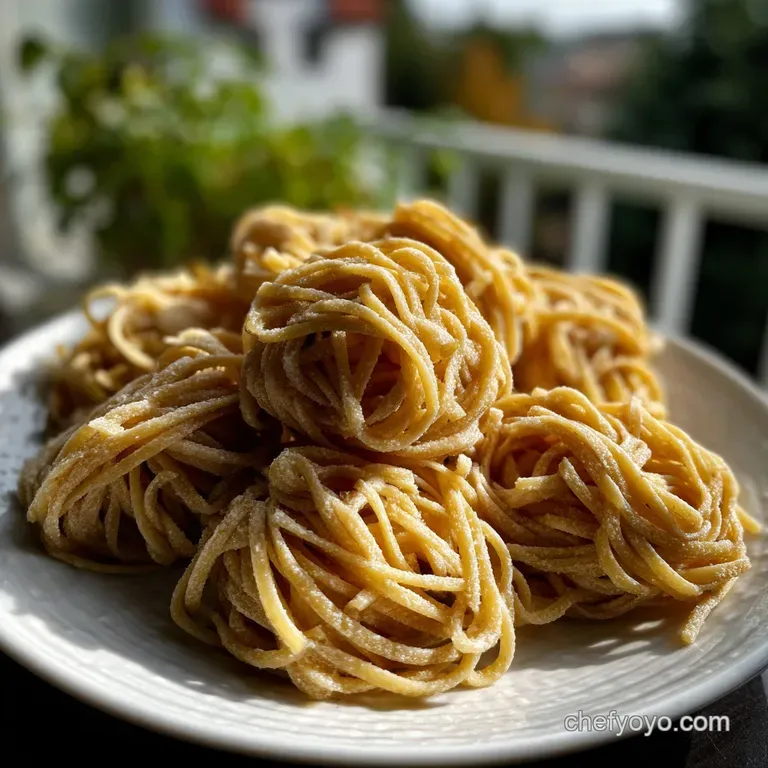
Yes, you can freeze fresh whole wheat pasta for up to 3 months. To do this, toss the cut noodles in a little extra all-purpose flour, form them into small "nests," and place them on a baking sheet to flash freeze for 1 hour. Once solid, transfer to an airtight freezer bag.
Cook directly from frozen just add 1 2 minutes to the boil time.
In the fridge, the whole wheat pasta will last for 2 days. Be aware that the color may darken slightly due to oxidation; this is normal and doesn't affect the 546 kcal nutritional profile or flavor.
Serving Suggestions: Sauces That Shine
This whole wheat pasta thrives with bold flavors. The provided sauce uses 4 tablespoons unsalted butter, 3 cloves of thinly sliced garlic, and the zest/juice of 1 whole lemon.
The acidity of the lemon cuts through the density of the grain, while the 0.5 cup freshly grated parmesan cheese adds a salty, umami kick.
For a heartier meal, you can use these noodles in a Tuna Tomato Pasta Casserole. The robust texture of the whole wheat noodles holds up much better in a baked casserole than standard white pasta.
Pairing Nutty Noodles with Bold, Hearty Sauces
If you aren't feeling the lemon butter vibe, try a spicy Arrabbiata or a chunky Bolognese. The whole wheat pasta is strong enough to stand up to heavy meats and acidic tomatoes without disappearing.
The Secret to Mastering the Al Dente Boil
The term "al dente" literally means "to the tooth." For whole wheat pasta, this is critical. Because of the 7g of fiber, there is a very narrow window between "perfectly chewy" and "grainy mush." Start tasting your noodles at the 3 minute mark.
You want a tiny bit of white core remaining in the center of the strand that’s where the "snap" lives.
Whether you're making this for the health benefits or just because you love the flavor of toasted grain, this whole wheat pasta recipe delivers a masterclass in texture and taste. Let's get that KitchenAid humming and start rolling!
Recipe FAQs
Can whole wheat pasta be as soft as white pasta?
Yes, with proper technique. Higher bran content usually yields toughness, but adding extra egg yolks increases fat and lecithin, promoting elasticity for a velvety mouthfeel.
Does this whole wheat dough require longer resting time?
No. Rest time remains the same. Gluten development in whole grains is slightly inhibited by sharp bran particles; resting allows full hydration without needing extended periods.
What is the optimal flour ratio for whole wheat pasta?
A 60:40 whole wheat to AP flour blend is best. This blend balances the nutty flavor of whole grain with the structural strength of refined flour, preventing crumbling during rolling.
Myth: Whole wheat pasta always results in a heavy, dense texture.
Myth: Whole wheat pasta always results in a heavy, dense texture. Reality: The incorporation of high protein flour and extra yolks counteracts density, achieving lightness comparable to refined doughs.
Troubleshooting: Why is my whole wheat dough cracking during sheeting?
Dough is too dry and needs controlled moisture incorporation. The high absorbency of the bran pulls moisture quickly, leading to a crumbly texture susceptible to tearing under pressure.
- Add water one teaspoon at a time
- Ensure eggs are at room temperature
- Increase kneading duration slightly
Should I use semolina or all-purpose flour for dusting?
Semolina dusting prevents sticking better than AP flour. Semolina’s coarse, sharp edges create microscopic air gaps between pasta sheets, inhibiting moisture transfer and sticking during rest.
Is this whole wheat pasta suitable for heavy cream sauces?
Absolutely, its structure holds up well to thick coatings. The enriched dough provides enough body to cling to robust sauces, unlike thinner homemade pastas which can break apart when tossed with recipes like My Easy Quick Creamy Pasta Delight with Alfredo Sauce: A Family Favorite!
Silky Whole Wheat Pasta
Ingredients:
Instructions:
Nutrition Facts:
| Calories | 546 kcal |
|---|---|
| Protein | 21 g |
| Fat | 26 g |
| Carbs | 60 g |
| Fiber | 7 g |
| Sugar | 1 g |
| Sodium | 695 mg |
