Simple Chicken Alfredo Recipe
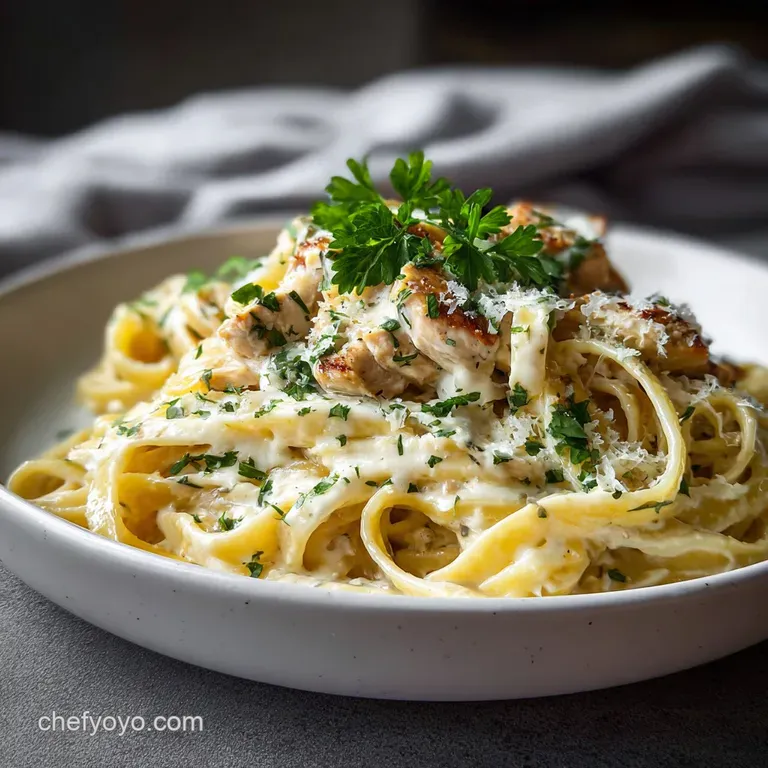
- Time: Active 10 minutes, Passive 15 minutes, Total 25 minutes
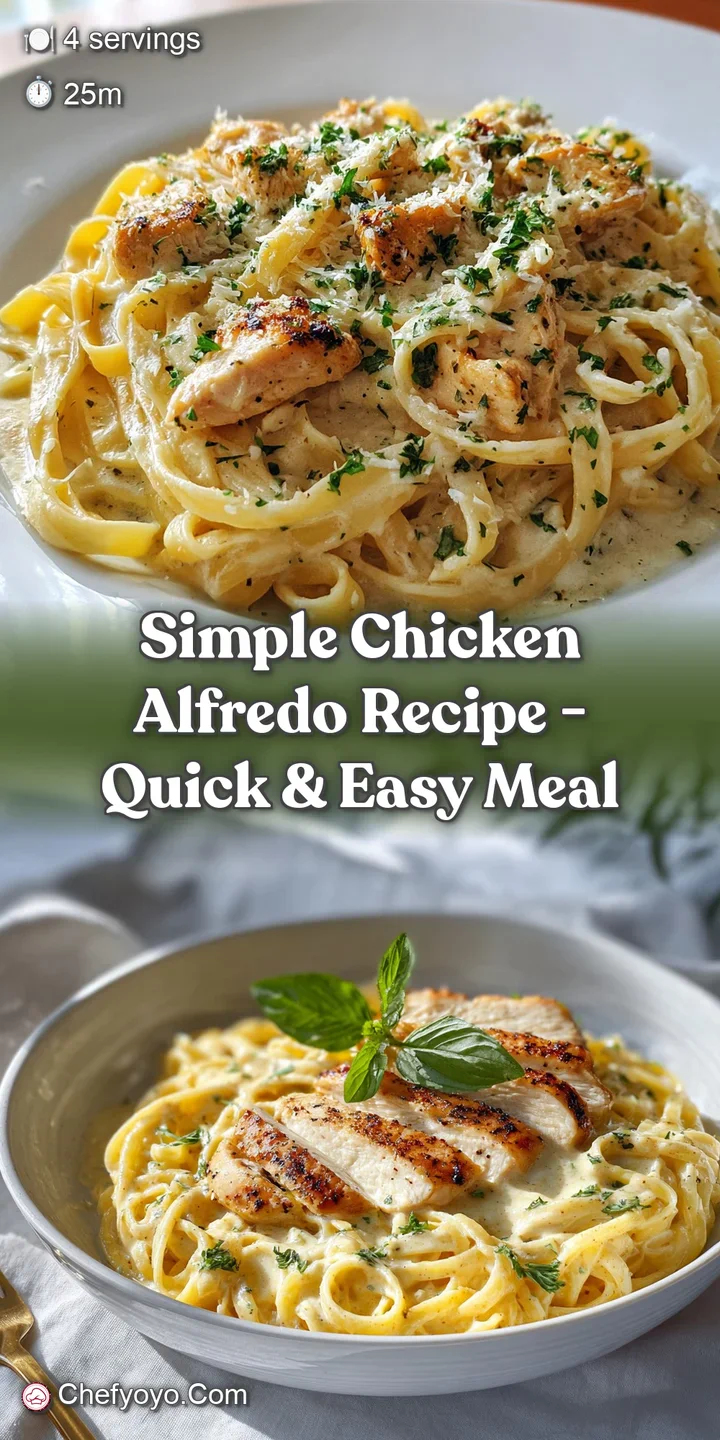
- Flavor/Texture Hook: Velvety, buttery sauce with golden brown seared chicken
- Perfect for: Weeknight comfort or a simple date night at home
- Mastering This Simple Chicken Alfredo Recipe for Cozy Dinners
- The Science of Why it Works
- Component Analysis and Ingredient Roles
- Essential Components for This Creamy Chicken Alfredo
- Simple Kitchen Tools Required for Seamless Sauce Preparation
- Step by Step Guide to a Silky Alfredo Finish
- Troubleshooting Texture and Flavor for Your Alfredo Sauce
- Budget Friendly Variations and Smart Ingredient Substitutes
- Proper Storage Techniques and Zero Waste Leftover Ideas
- Traditional Side Dishes to Complete Your Chicken Alfredo
- Myths Regarding Homemade Alfredo Sauce
- Very High in Sodium
- Recipe FAQs
- 📝 Recipe Card
Mastering This Simple Chicken Alfredo Recipe for Cozy Dinners
We have all been there, standing in the pasta aisle, staring at those jars of pre made white sauce and thinking it is the easiest way to get dinner on the table. I used to do the same until I realized that a homemade version actually takes about the same amount of time and tastes infinitely better.
There is something about the sizzle of chicken hitting a hot pan and the nutty aroma of melting butter that a glass jar just cannot replicate.
This simple chicken alfredo recipe is my go to when I want something that feels fancy but requires very little actual effort. It is all about the technique of combining the pasta water with the fat from the butter and cream. Once you see how easily it comes together, you will never go back to the store-bought stuff.
We are aiming for a sauce that is lush and clings to the noodles, not a soup that puddles at the bottom of the bowl.
If you are worried about the sauce breaking or the chicken turning out rubbery, don't be. I have made every mistake possible with this dish, from using the green shaker "cheese" to boiling the cream too hard. Today, I am sharing the little tricks I learned to make sure your pasta comes out silky every single time.
It is straightforward, honest cooking that hits the spot when you need a bit of edible comfort.
The Science of Why it Works
Emulsification Stability: The butter and heavy cream are bound together by the proteins in the Parmesan cheese and the starches in the pasta water, creating a unified, velvety texture.
Maillard Reaction: Searing the chicken at a high temperature creates complex flavor compounds on the surface that add a savory depth to the mild cream sauce.
Starch Gelatinization: As the pasta cooks, it releases amylose into the water, which acts as a natural thickener when added to the final sauce.
| Cooking Method | Time | Texture | Best For |
|---|---|---|---|
| Stovetop (Classic) | 25 minutes | Silky, emulsified sauce | Authentic flavor and texture |
| One Pot | 20 minutes | Starchy, thick sauce | Minimal cleanup on busy nights |
| Air Fryer Chicken | 15 minutes | Extra crispy exterior | Healthy ish meal prep lovers |
Using the stovetop method listed in this recipe gives you the most control over the sauce consistency. While one pot versions are fast, the starch can sometimes become too gummy if the ratios aren't perfect. This classic approach ensures the chicken stays juicy while the sauce remains light.
Component Analysis and Ingredient Roles
| Ingredient | Science Role | Pro Secret |
|---|---|---|
| Heavy Whipping Cream | Fat Source | Use room temperature cream to prevent the sauce from breaking |
| Parmesan Cheese | Emulsifier | Grate it from a block; pre shredded cheese has cellulose that prevents melting |
| Pasta Water | Binding Agent | It contains liquid gold (starch) that marries the oil and water |
The heavy cream provides the lush base, but the real hero is the Parmesan. I always tell my friends to skip the pre grated bags. Those anti clumping agents are the main reason people end up with a grainy sauce. If you want that "pull" and smoothness, spend three minutes with a box grater.
It makes a world of difference.
Essential Components for This Creamy Chicken Alfredo
To get started, gather these items. I have listed some swaps in case your pantry is looking a little bare, but try to stick to the originals for the best result.
- 1.5 lbs chicken breast: Sliced into 1/2 inch strips. Why this? Strips cook quickly and evenly without drying out the center.
- Substitute: Chicken thighs (boneless) for more moisture and fat.
- 1 lb fettuccine pasta: The classic wide noodle. Why this? The wide surface area holds more of that heavy sauce.
- Substitute: Penne or rigatoni if you prefer "pockets" of sauce.
- 1/2 cup unsalted butter: Provides the rich, nutty foundation. Why this? Unsalted allows you to control the seasoning precisely.
- Substitute: Salted butter, but reduce the added kosher salt by half.
- 2 cups heavy whipping cream: For maximum silkiness. Why this? High fat content ensures the sauce doesn't curdle when heated.
- Substitute: Whole milk with a tablespoon of flour (note: will be thinner).
- 1.5 cups freshly grated Parmesan cheese: The flavor anchor. Why this? It melts into the cream to create a stable emulsion.
- Substitute: Pecorino Romano for a saltier, sharper bite.
- 3 cloves garlic, minced: Essential for depth.
- 1 tsp kosher salt & 1/2 tsp black pepper: Basic seasoning.
- 1 tsp garlic powder: To season the chicken directly.
- 2 tbsp extra virgin olive oil: For searing the meat.
- 1/4 tsp ground nutmeg: The "secret" ingredient. Why this? It cuts through the heavy fat and brightens the dairy.
- 1/2 cup reserved pasta water: The glue for the sauce.
- 1 tbsp fresh parsley: For a pop of color and freshness.
Chef's Tip: Freeze your block of Parmesan for 10 minutes before grating. It makes the cheese firmer and much easier to grate into fine wisps that melt instantly into the sauce.
Simple Kitchen Tools Required for Seamless Sauce Preparation
You don't need a professional kitchen to pull this off, but a few specific tools make the process much smoother. I highly recommend using a large, deep skillet or a Dutch oven for the sauce. You need enough room to toss the pasta with the chicken and cream without making a mess on your stove.
A good quality box grater is also non negotiable here. As we mentioned, fresh cheese is the key to success. You will also want a pair of tongs; they are the best tool for moving the fettuccine from the pot to the pan and ensuring every single strand gets coated in that velvety liquid. If you happen to be making a similar creamy dish, like the Garlic Parmesan recipe, you will find these same tools are your best friends there too.
step-by-step Guide to a Silky Alfredo Finish
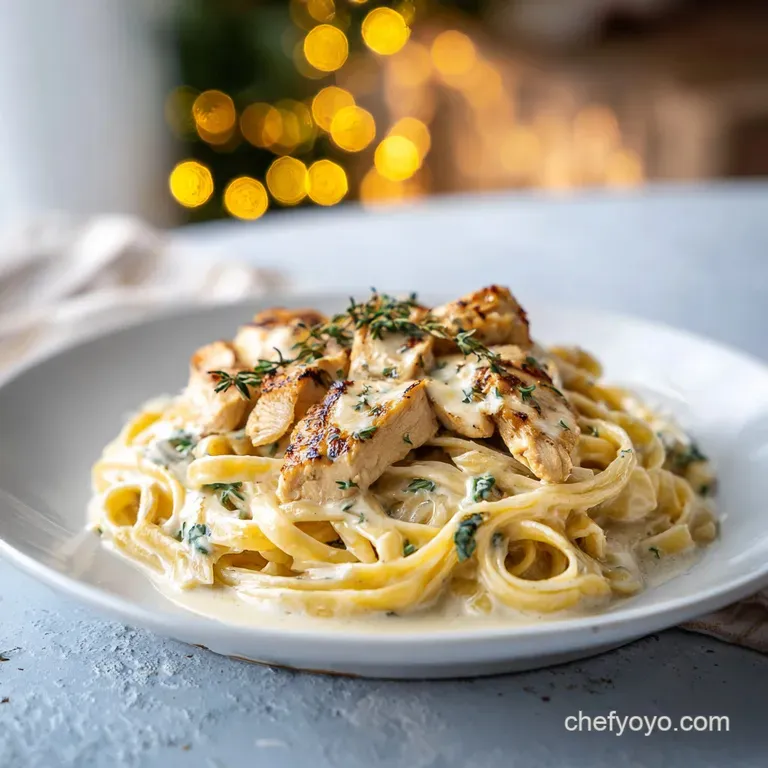
Step 1: Season and Sear the Chicken
Pat the 1.5 lbs of chicken strips dry with a paper towel. Season with the kosher salt, black pepper, and garlic powder. Heat the 2 tbsp of olive oil in a large skillet over medium high heat. Add the chicken and cook for about 5 to 7 minutes until golden brown and no longer pink.
Remove the chicken from the pan and set it aside on a plate. Note: Keeping the chicken separate prevents it from overcooking while you make the sauce.
Step 2: Boil the Pasta
Bring a large pot of salted water to a boil. Add the 1 lb of fettuccine and cook for about 8 to 10 minutes until al dente (firm to the bite). Before draining, dip a measuring cup into the pot and save at least 1/2 cup of that cloudy pasta water.
Drain the rest and set the noodles aside.
Step 3: Sauté the Aromatics
In the same skillet you used for the chicken, melt the 1/2 cup of unsalted butter over medium heat. Once it starts to bubble, add the 3 minced garlic cloves. Sauté for about 1 minute until the garlic is fragrant but not brown.
Note: Burnt garlic will make your entire sauce taste bitter.
Step 4: Simmer the Cream
Pour the 2 cups of heavy whipping cream into the skillet. Whisk it into the butter and let it come to a gentle simmer. Cook for about 3 to 5 minutes until the liquid thickens slightly and coats the back of a spoon. Add the 1/4 tsp of ground nutmeg at this stage.
Step 5: Emulsify the Cheese
Turn the heat down to low. Slowly whisk in the 1.5 cups of grated Parmesan cheese, a handful at a time. Continue whisking until the cheese has completely melted into a smooth, velvety sauce. If it looks too thick, whisk in a tablespoon or two of the reserved pasta water.
Step 6: Combine and Finish
Add the cooked fettuccine and the seared chicken back into the skillet. Use tongs to toss everything together for 1 to 2 minutes until the sauce is glossy and clings to every noodle. Garnish with the fresh parsley and serve immediately while hot.
Troubleshooting Texture and Flavor for Your Alfredo Sauce
Why is my sauce grainy?
Graininess usually happens because the cheese was pre shredded or the heat was too high when the cheese was added. Pre shredded cheese is coated in starch to keep it from sticking in the bag, but that starch ruins the texture of a sauce.
If the pan is too hot, the proteins in the cheese clump together instead of melting.
Why is the sauce not sticking to the noodles?
If the sauce is sliding off the pasta, the noodles might be too wet or you might have added oil to your pasta water. Never add oil to the boiling water; it creates a slick coating that prevents the sauce from "grabbing" the noodle. Use that starchy pasta water we saved to help bind the sauce to the pasta.
| Problem | Root Cause | Solution |
|---|---|---|
| Broken/Oily Sauce | Heat was too high or cream was too cold | Remove from heat and whisk in a splash of warm pasta water |
| Bland Flavor | Not enough salt or acidity | Add an extra pinch of salt or a tiny squeeze of lemon juice |
| Dry Chicken | Overcooked during the initial sear | Slice chicken thinner and cook for less time initially |
Similar to the issues people find in a Chicken and Noodles Recipe, balancing the liquid and starch is everything. If it feels too thick, don't panic. That reserved water is your "undo" button.
Common Mistakes Checklist
- ✓ Pat the chicken completely dry before searing (this ensures a golden crust instead of steaming).
- ✓ Never boil the sauce after adding the Parmesan (high heat breaks the emulsion).
- ✓ Grate your cheese finely (large chunks take too long to melt and can become rubbery).
- ✓ Don't rinse your pasta (you need those surface starches to help the sauce stick).
- ✓ Salt your pasta water heavily (it is your only chance to season the noodles themselves).
Budget Friendly Variations and Smart Ingredient Substitutes
If you are trying to keep costs down, you can definitely make some adjustments without losing the soul of the dish. One of the best ways to save is by using chicken thighs instead of breasts. They are often cheaper and much more forgiving if you accidentally cook them a minute too long.
| Original Ingredient | Substitute | Why It Works |
|---|---|---|
| Heavy Cream (2 cups) | Half and Half + 1 tbsp Flour | Lower fat content. Note: Sauce will be less rich and needs flour to thicken. |
| Fresh Parmesan | Grana Padano | Very similar texture and flavor but usually costs 20-30% less. |
| Fresh Garlic | Garlic Paste | Concentrated flavor and cheaper than buying whole heads if you cook solo. |
- Low Carb
- Swap the fettuccine for zoodles (zucchini noodles) or spaghetti squash.
- Extra Veggies
- Stir in some steamed broccoli or sautéed spinach at the very end.
- Spicier Kick
- Add a teaspoon of red pepper flakes to the butter while sautéing the garlic.
If you enjoy the creamy profile but want something with a bit more of a baked finish, you might love a Creamy Chicken Lasagna recipe as your next weekend project.
Proper Storage Techniques and Zero Waste Leftover Ideas
Storage: Keep any leftover alfredo in an airtight container in the fridge for up to 3 days. I do not recommend freezing this specific dish. Cream based sauces often "split" when frozen and thawed, leaving you with a puddle of oil and clumps of cheese that are hard to reintegrate.
Reheating: This is the tricky part. If you microwave it on high, the sauce will break. Instead, put the pasta in a skillet over low heat. Add a splash of milk or a tiny bit of water and stir constantly as it warms up. This helps re emulsify the sauce so it becomes creamy again.
Zero Waste: If you have a small amount of sauce left but not enough for a full meal, use it as a base for a white pizza or a flatbread the next day. Any leftover chicken scraps can be tossed into a salad. If you have extra parsley stems, don't toss them!
Finely mince them and add them to your next soup base for extra earthy flavor.
Traditional Side Dishes to Complete Your Chicken Alfredo
Because this meal is quite heavy and rich, you want side dishes that offer some contrast. A crisp green salad with a sharp vinaigrette is the perfect partner. The acidity in the dressing cuts through the fat of the cream and butter, refreshing your palate between bites.
Steamed broccoli or roasted asparagus also work beautifully. I like to toss my veggies in a little lemon juice and sea salt to keep them bright. If you are feeling extra hungry, a piece of crusty garlic bread is the classic choice for mopping up every last drop of that velvety sauce from your plate.
It is simple, traditional, and exactly what comfort food is supposed to be.
If you're looking for a faster way to prep the protein for this meal in the future, check out this Air Fryer Chicken recipe which can save you a pan and some time on the stovetop. It keeps the chicken incredibly juicy while you focus entirely on getting that sauce just right.
Myths Regarding Homemade Alfredo Sauce
One common misconception is that authentic Alfredo contains heavy cream. In Rome, the original dish was just butter, pasta water, and cheese. However, in our modern home kitchens, adding heavy cream makes the sauce much more stable and easier for a home cook to manage without it breaking.
It provides a safety net that ensures a silky result every time.
Another myth is that you need to add flour to make the sauce thick. If you use the right ratio of cream to cheese and let it simmer properly, the sauce will thicken naturally. Adding flour can sometimes make the dish feel "pasty" or heavy on the tongue.
Trust the reduction process and the cheese to do the heavy lifting for you.
Finally, many people think you have to cook the pasta all the way through in the water. Actually, pulling the noodles out about a minute before they are fully done and finishing them in the sauce is the secret.
This allows the pasta to absorb the flavors of the cream and garlic, making the entire dish more cohesive rather than just noodles with sauce sitting on top.
Very High in Sodium
1150 mg mg of sodium per serving (50% % of daily value)
The American Heart Association recommends limiting sodium intake to about 2,300mg per day for most adults. This recipe exceeds 50% of that daily limit per serving!
Sodium Reduction Tips for Your Fettuccine Alfredo
-
Reduce Parmesan Cheese-20%
Parmesan cheese is a significant source of sodium. Reduce the amount of Parmesan by half, using only 3/4 cup instead of 1.5 cups. You can add a pinch of nutritional yeast to enhance the cheesy flavor without the added salt.
-
Reduce Added Salt-15%
Eliminate or drastically reduce the kosher salt added to the chicken. Try using only a 1/4 tsp instead of 1 tsp. You can always add more at the end if needed, but taste it first!
-
Use Unsalted Butter Mindfully-5%
While you are already using unsalted butter, be mindful of how much is being used in the dish. Consider reducing the amount by a tablespoon or two, or replacing part of it with a touch more olive oil.
-
Choose Fresh Chicken-10%
Ensure the chicken breast is fresh and not pre-brined or injected with sodium solutions, which are common in commercially prepared chicken. Check the label if possible or buy from a trusted butcher.
-
Enhance Garlic Flavor
Fresh garlic can add a lot of flavor without adding sodium. Consider roasting the garlic cloves before mincing them for a sweeter, less pungent, and more flavorful garlic experience.
-
Experiment with Herbs & Spices
Use fresh or dried herbs and spices like oregano, basil, rosemary, or thyme to boost flavor naturally. This can help you reduce the need for salt without sacrificing taste. Lemon zest can also brighten the flavor.
Recipe FAQs
What are the ingredients for simple chicken alfredo?
Key ingredients include: Chicken breast, fettuccine pasta, unsalted butter, heavy whipping cream, freshly grated Parmesan cheese, minced garlic, salt, pepper, garlic powder, olive oil, nutmeg, reserved pasta water, and fresh parsley.
What are the basic ingredients for Alfredo?
The core components are: Butter, Parmesan cheese, and pasta water. Heavy cream is often added in home cooking for a richer, more stable sauce, which is what this recipe utilizes.
What makes chicken alfredo taste better?
Fresh, high-quality ingredients and proper technique elevate the flavor. Using freshly grated Parmesan, searing the chicken for Maillard reaction, and emulsifying the sauce with reserved pasta water are crucial.
What's the secret to good Alfredo sauce?
The secret is mastering emulsification and temperature control. Whisking in grated Parmesan off heat after gently simmering the cream allows it to melt smoothly into a stable, velvety sauce. Using reserved pasta water further binds the sauce.
Can I use pre-shredded Parmesan for Alfredo?
No, stick with freshly grated. Pre-shredded cheese contains anti caking agents that prevent it from melting smoothly, leading to a grainy sauce. Grating from a block ensures a silky, cohesive texture, a technique also essential for dishes like our Garlic Parmesan Sauce recipe.
How do I prevent my Alfredo sauce from being too thin?
Simmer the cream longer and use starchy pasta water. Let the heavy whipping cream gently simmer until it coats the back of a spoon. The starches from the reserved pasta water will also help thicken the sauce as you toss the pasta and chicken in it.
What is the best way to cook the chicken for alfredo?
Sear it in a hot skillet until golden brown. Season the chicken strips well and cook them in olive oil over medium high heat for about 5-7 minutes until cooked through and nicely browned. This process creates depth of flavor through the Maillard reaction, similar to how we achieve crispy skin in our Air Fryer Chicken Breast Recipe.
Simple Chicken Alfredo
Ingredients:
Instructions:
Nutrition Facts:
| Calories | 1442 kcal |
|---|---|
| Protein | 68 g |
| Fat | 89 g |
| Carbs | 89 g |
| Fiber | 4 g |
| Sugar | 4 g |
| Sodium | 1150 mg |
