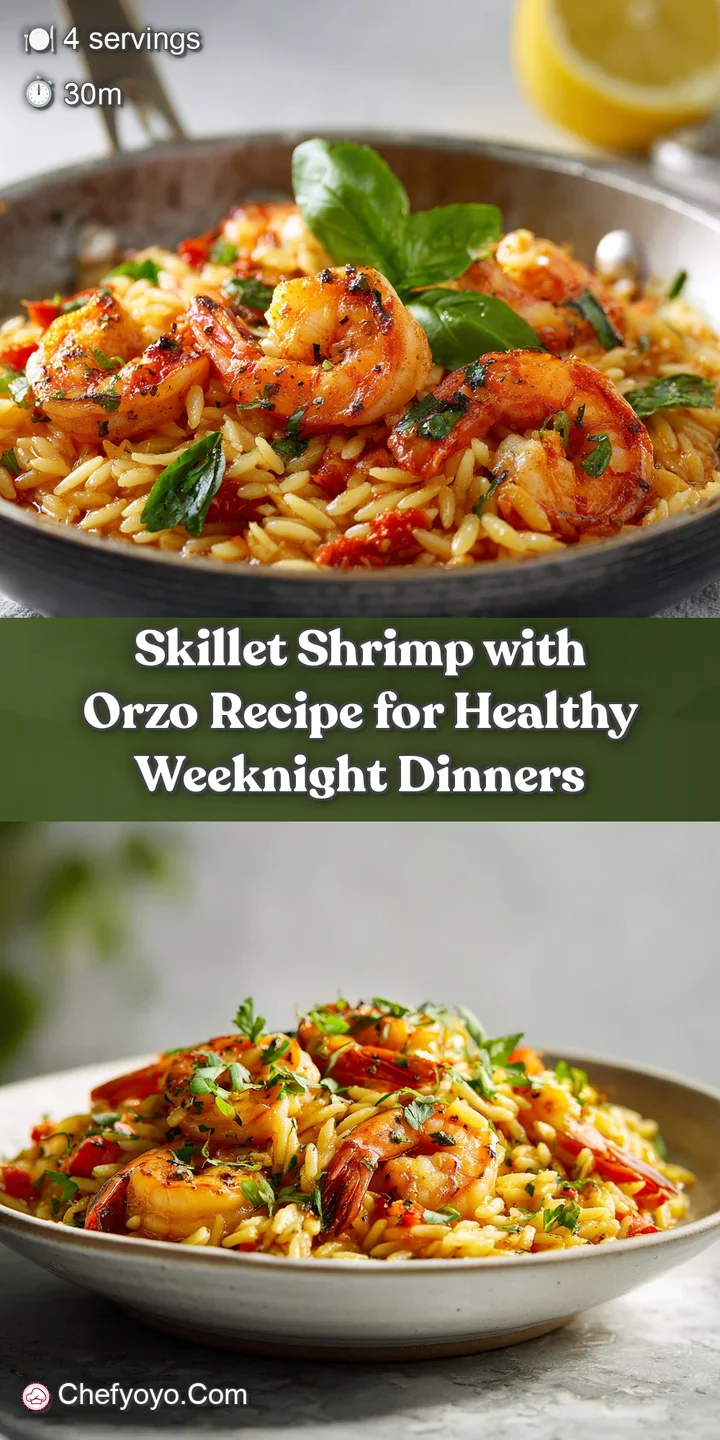
Skillet Shrimp with Orzo Recipe
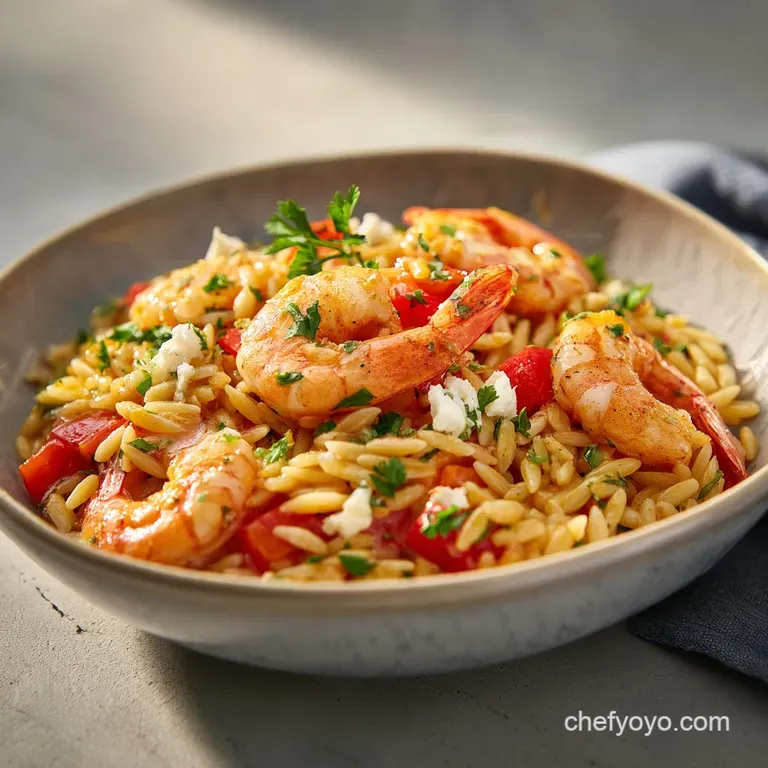
- Time: Active 10 mins, Passive 20 mins, Total 30 mins
- Flavor/Texture Hook: Zesty, silky, and bright
- Perfect for: Impressive weeknight dinners or rapid meal prep
- Why This Vibrant Fusion Works
- Essential Timing and Texture Specs
- Deep Dive Into Flavor Elements
- Tools for the Perfect Sizzle
- Step-by-Step Layering of Flavors
- Pro Precision and Common Pitfalls
- Innovative Twists and Smart Swaps
- Smart Preservation and Storage Tips
- Artful Serving and Pairing Ideas
- High in Sodium
- Recipe FAQs
- 📝 Recipe Card
Why This Vibrant Fusion Works
Finding the sweet spot between a pasta dish and a seafood sauté is all about moisture management. If you just boil everything together, you lose the character of the ingredients.
By using a single skillet, we capture the fond those little browned bits of shrimp and spices and use the chicken broth to deglaze the pan, folding all that concentrated flavor directly into the grains.
- Starch Controlled Gelatinization: By toasting the dry orzo in butter before adding liquid, we partially cook the exterior starch, which prevents the grains from sticking together into a clump.
- Protein Thermal Carryover: Searing the shrimp quickly and removing them ensures they don't overcook while the orzo simmers, keeping them succulent rather than rubbery.
- Acid Base Equilibrium: The lemon juice acts as a bright counterpoint to the rich butter and feta, cutting through the fat to keep the palate refreshed.
- Residual Heat Wilting: Adding the spinach at the very end uses the latent heat of the pasta to soften the leaves without turning them into a watery mess.
| Method | Time | Texture | Best For |
|---|---|---|---|
| Stovetop | 20 mins | Toasted, distinct grains | Maximum flavor control |
| Oven (Baked) | 30 mins | Softer, casserole like | Hands off convenience |
| Pressure Cooker | 8 mins | Very creamy, risotto like | Ultimate speed |
The stovetop method remains my favorite because it allows you to monitor the liquid absorption in real time. If the orzo looks a bit thirsty toward the end, you can splash in an extra tablespoon of broth. You just can't get that level of precision in a closed oven or a pressurized pot.
Essential Timing and Texture Specs
Precision is the difference between a "good" meal and a "can I have seconds?" meal. When you're working with this skillet shrimp with orzo recipe, you want to watch the clock just as much as the bubbles in the pan. The shrimp only need about 2 minutes per side to reach that opaque, pearly pink state.
Anything longer and they start to shrink and toughen up.
The Physics of the Toast
Toasting the orzo isn't just for color; it's a chemical transformation. By heating the dry pasta in 2 tbsp unsalted butter, you're creating a hydrophobic barrier. This means the broth penetrates the grain more slowly, allowing the center to cook to a perfect al dente while the outside stays firm.
If you skip this, you're basically making porridge.
Deep Dive Into Flavor Elements
Every ingredient in this dish has a specific job. We aren't just throwing things in the pan; we're building a foundation of flavor. For instance, the shallot offers a much more sophisticated, subtle sweetness than a standard yellow onion. It melts into the sauce, providing body without the crunch.
| Ingredient | Science Role | Pro Secret |
|---|---|---|
| Large Shrimp | Lean Protein | Pat them bone dry before seasoning to get a better sear. |
| Dry Orzo | Complex Carb | Toast until it smells like popcorn for maximum nuttiness. |
| Chicken Broth | Liquid Medium | Use low sodium to control the final seasoning levels. |
| Smoked Paprika | Aromatic Depth | Provides a subtle char flavor without needing a grill. |
When selecting your seafood, look for "large" or "jumbo" sizes. They have more surface area to catch the smoked paprika and salt. If you're interested in other ways to master seafood, you might want to look at My Go To Recipe for a different take on garlic butter textures.
For the Shrimp
You'll need 1 lb large shrimp, peeled and deveined. Season them with 1 tsp smoked paprika, 0.5 tsp kosher salt, and 0.25 tsp cracked black pepper. This spice blend creates a vibrant, sunset colored crust that looks stunning against the pale orzo.
For the Orzo Base
The bulk of the dish comes from 1.5 cups dry orzo and 3 cups low sodium chicken broth. Don't be tempted to use plain water; the broth is where the savory "soul" of the dish lives. The 3 cloves of garlic and 1 large shallot provide the aromatic backbone that fills your kitchen with that irresistible scent.
The Fresh Finish
To bring the "vibrant" part of the recipe to life, we use 1 cup cherry tomatoes (halved) and 2 cups fresh baby spinach. The 1 lemon (zested and juiced) provides the final hit of brightness. Finally, 0.25 cup feta cheese and 2 tbsp fresh parsley add the salty, herbaceous top notes that tie everything together.
Tools for the Perfect Sizzle
You don't need a kitchen full of gadgets, but a heavy bottomed skillet (like a 12 inch cast iron or stainless steel pan) is non negotiable. You need even heat distribution so the orzo in the middle of the pan cooks at the same rate as the pieces near the edges.
A cheap, thin pan will give you "hot spots" where the pasta burns while the rest stays raw.
A sharp chef's knife is also your best friend here for dicing the shallot and mincing the garlic. If the garlic is crushed rather than minced, it releases more sulfurous compounds which can turn bitter when they hit the hot oil. Aim for clean, tiny pieces.
step-by-step Layering of Flavors
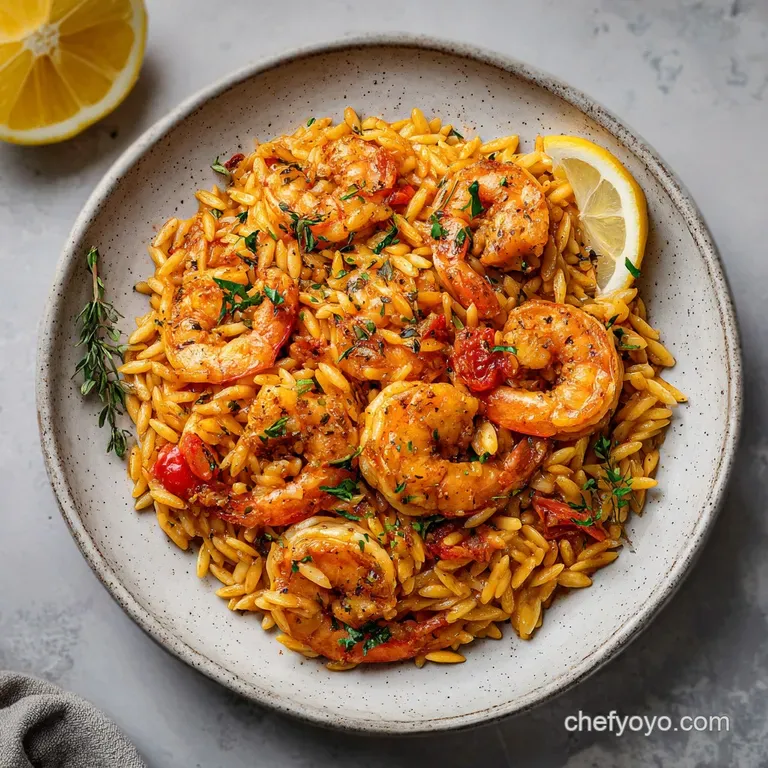
Right then, let's get into the actual cooking. Clear your counter, get your ingredients measured out, and let's go.
1. Searing for Flavor
Heat 2 tbsp olive oil in your large skillet over medium high heat. Add the seasoned shrimp in a single layer. Cook 2 minutes until the edges are golden and the centers are opaque. Remove them from the pan immediately and set aside on a plate.
Chef Note: Don't wash the pan! Those brown bits (the fond) are flavor gold for the next step.
2. Building the Aromatic Foundation
Reduce the heat to medium. Add 2 tbsp unsalted butter to the same skillet. Once it foams, toss in the 1.5 cups dry orzo. Stir constantly for 3 minutes until the grains turn a pale toasted brown.
Add the diced shallot and minced garlic, sautéing for another 1 minute until fragrant.
3. Simmering to Al Dente
Pour in the 3 cups low sodium chicken broth and add the halved cherry tomatoes. Bring the mixture to a boil, then reduce heat to low and cover. Simmer for 10 minutes until the liquid is mostly absorbed and the orzo is tender.
4. The Final Fresh Fold
Remove the lid. The mixture should look slightly saucy. Stir in the 2 cups fresh baby spinach and the lemon juice/zest. The heat from the orzo will wilt the spinach in about 30 seconds. Fold the cooked shrimp back in along with any juices from the plate. Sprinkle with 0.25 cup feta cheese and 2 tbsp parsley.
Pro Precision and Common Pitfalls
Even the best cooks can run into trouble if they aren't paying attention to the details. The biggest mistake I see with this recipe is overcrowding the pan during the initial shrimp sear. If the shrimp are too close together, they release moisture and "steam" instead of searing.
Work in batches if your skillet isn't large enough.
Perfecting the Golden Crust
To get that beautiful color on the shrimp, ensure the oil is shimmering before you add them. You should hear an immediate, loud sizzle. If it’s quiet, the pan isn't hot enough. Wait another minute.
Fixing the Mushy Orzo
If your orzo turned out gummy, you likely used too much liquid or didn't toast it long enough. The 2:1 ratio (3 cups broth to 1.5 cups orzo) is usually perfect, but altitude and humidity can play a role. If it’s still tough after the liquid is gone, add 0.25 cup more broth and cook for 2 more minutes.
Timing the Protein Cook
Always remove the shrimp from the pan. I know it’s tempting to leave them in to save a plate, but they will become small, hard rubber balls by the time the orzo is done. Let them rest; they like the break!
| Problem | Root Cause | Solution |
|---|---|---|
| Gummy orzo | Under toasting or too much liquid | Toast until fragrant; use exact 2:1 broth ratio. |
| Bland flavor | Not enough salt or lemon | Increase lemon juice and add a pinch of salt at the end. |
| Rubbery shrimp | Overcooking in the simmering broth | Remove shrimp after initial sear; add back only at the end. |
Common Mistakes Checklist
- ✓ Always pat the shrimp dry with a paper towel before seasoning.
- ✓ Don't skip the orzo toasting phase; it’s vital for texture.
- ✓ Use a low sodium broth so you can control the saltiness yourself.
- ✓ Zest the lemon before you juice it (it’s much easier that way!).
- ✓ Let the pan preheat for at least 3 minutes before adding the oil.
Innovative Twists and Smart Swaps
While the feta and spinach combo is classic, you can definitely play around with this. If you want a more decadent, velvety feel, you can stir in a splash of heavy cream at the very end to create a Creamy Shrimp Fettuccine recipe style of sauce but with the texture of orzo.
| Original Ingredient | Substitute | Why It Works |
|---|---|---|
| Feta Cheese | Goat Cheese | Offers a creamier texture with a similar tangy bite. |
| Spinach | Kale | Provides more "chew." Note: Needs to simmer 3 mins longer. |
| Chicken Broth | Seafood Stock | Deepens the oceanic flavor profile significantly. |
Mediterranean Flavor Punch
If you want to lean even harder into those Mediterranean vibes, add 0.25 cup of sliced Kalamata olives and a tablespoon of capers when you add the tomatoes. The briny explosion works beautifully with the sweetness of the shrimp.
Smart Preservation and Storage Tips
This dish is best served immediately, as the orzo will continue to soak up moisture as it sits, potentially becoming a bit soft the next day. However, leftovers are still very tasty! Store them in an airtight container in the fridge for up to 3 days.
When reheating, add a small splash of water or broth to the bowl before microwaving or heating on the stove. This helps "loosen" the starch and brings back that silky mouthfeel. I don't recommend freezing this dish, as the texture of the cooked orzo and the delicate shrimp doesn't survive the thaw and reheat process very well.
Zero Waste Tip: Don't throw away those lemon halves or parsley stems! Toss the lemon shells into a pot of water for a natural stovetop air freshener, and save the parsley stems for your next homemade stock.
Artful Serving and Pairing Ideas
I love serving this straight out of the skillet there’s something so communal and satisfying about a big, beautiful pan in the center of the table. The contrast of the bright green spinach, red tomatoes, and white feta makes it a visual powerhouse.
- Wine Pairing: A crisp Sauvignon Blanc or a Pinot Grigio works wonders here. The acidity in the wine mimics the lemon juice, keeping the flavors bright.
- Side Dish: A simple crusty baguette is essential for swiping up any remaining buttery sauce at the bottom of the pan.
- The "Crunch" Factor: If you want a bit more texture, top the finished dish with some toasted pine nuts or panko breadcrumbs sautéed in a little garlic butter.
This skillet shrimp with orzo recipe is more than just a quick meal; it's a lesson in how few ingredients, treated with the right techniques, can create something truly memorable. It's vibrant, it's balanced, and honestly, it’s the kind of cooking that makes you feel like a pro without the professional level stress.
Now, let's get that skillet hot!
High in Sodium
945 mg mg of sodium per serving (41% % of daily value)
The American Heart Association recommends limiting sodium intake to about 2,300mg per day.
Tips to Reduce Sodium in Your Shrimp Orzo
-
Broth Swap-30%
Ensure you're using no-sodium or homemade chicken broth. Standard broth is a significant sodium contributor. Using no-sodium broth can drastically reduce the sodium content.
-
Feta Reduction-15%
Use less feta cheese or substitute with a lower sodium cheese like ricotta salata. Even a small amount of feta can add significant sodium. Try using half the amount of feta.
-
Salt Control-25%
Reduce the amount of kosher salt. Taste the dish after adding half the amount called for and adjust from there. Consider eliminating added salt altogether since smoked paprika can add flavor.
-
Flavor Boost
Use herbs and spices to enhance flavor instead of relying on salt. Increase the amounts of smoked paprika, cracked black pepper, garlic, shallots, parsley, and lemon zest to add depth.
Recipe FAQs
Should I cook the orzo separately or toast it in the skillet?
Toast it in the skillet first. Toasting the dry orzo in butter creates a hydrophobic starch barrier, which prevents the grains from sticking together and becoming gummy when the broth is added.
How long should the shrimp cook before I remove them from the heat?
Cook them for about 2 minutes per side. Shrimp cook very quickly; remove them immediately after they turn opaque and pearly pink to prevent them from seizing up and becoming rubbery while the orzo finishes simmering.
Is it true that using water instead of broth results in a bland dish?
Yes, that is absolutely true. The chicken broth provides the necessary savory foundation and deep flavor profile that water cannot replicate; it is the "soul" of this dish.
How to prevent the spinach from becoming completely waterlogged and wilted?
Stir the spinach in right after removing the skillet from the heat. Using the residual heat of the orzo will wilt the leaves perfectly without turning them into a watery mess.
What is the best substitution for feta cheese to keep the dish tangy?
Goat cheese is an excellent substitute. It melts creamier than feta but offers a similar necessary tang to cut through the richness of the butter and broth.
How do I achieve that perfect, non-gummy texture typical of risotto dishes?
Master the initial toasting phase for the orzo. This technique, which involves coating the starch grains in fat before liquid is added, is crucial for texture control; if you enjoyed mastering this precise technique here, see how the same principle of moisture management applies when working on our Homemade Dog Food recipe which requires careful starch incorporation.
What should I serve with this shrimp skillet to soak up the extra sauce?
A crusty baguette is essential for dipping. Alternatively, if you are looking for a main course swap that uses a similar liquid base, consider reviewing our Country Gravy Recipe for another saucy experience.
Skillet Shrimp Orzo Recipe
Ingredients:
Instructions:
Nutrition Facts:
| Calories | 512 kcal |
|---|---|
| Protein | 31.4 g |
| Fat | 17.8 g |
| Carbs | 56.2 g |
| Fiber | 3.1 g |
| Sugar | 3.4 g |
| Sodium | 945 mg |
