Black Eyed Peas: Smoky Southern Comfort Stew
- Beyond New Year’s Day: Crafting the Ultimate Comfort Bowl
- The Science of Creaminess: Achieving the Perfect Pea Texture
- Essential Components for Deeply Flavorful Black Eyed Peas
- Mastering the Simmer: Step-by-Step Method
- Troubleshooting Your Stew: Expert Tips and Fixes
- Make-Ahead and Storage: Keeping Your Peas Fresh
- Traditional Southern Pairings for This Smoky Dish
- Recipe FAQs
- 📝 Recipe Card
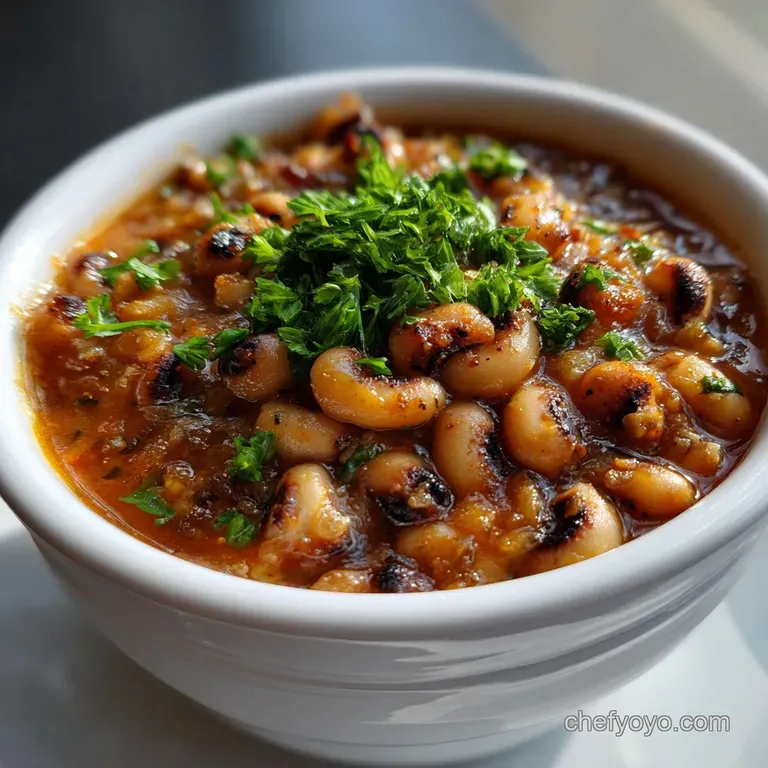
Beyond New Year’s Day: Crafting the Ultimate Comfort Bowl
That deep, earthy aroma hits you first when these start simmering. It’s the smell of rendered pork fat, sweet onion, and something anciently comforting, promising warmth right down to your socks.
This Smoky Southern Style Black Eyed Peas recipe is not just for New Year's Day; it’s an all-weather, soul soothing staple that deserves a regular spot in your rotation.
Look, life is busy, and sometimes dinner needs to handle itself with minimal drama. This isn’t a high maintenance dish; you toss everything into a heavy pot, walk away for an hour or two, and dinner is practically done.
Plus, dried Eyed Peas are wonderfully affordable, making this a budget champion that tastes like a million bucks.
I’ve made all the common mistakes tough skins, bland broth, scorched bottoms so I developed a bulletproof method that eliminates the guesswork. Let’s dive into the best way to make creamy, delicious, deeply flavored Black Eyed Peas that genuinely sing with Southern charm.
The Science of Creaminess: Achieving the Perfect Pea Texture
If you’ve ever had tough, rubbery Black Eyed Peas , you know how frustrating it is to put in the time only to get subpar results. The secret to creamy results lies in controlling the minerals in your cooking liquid and, crucially, holding back the salt until the very last minute.
This careful process ensures every pea breaks down gently, releasing starch and yielding that desired, lovely, gravy like broth.
The History of "The Good Luck Stew"
While many cultures prize legumes, the tradition of eating Black Eyed Peas on New Year’s Day is a firmly Southern US ritual. They symbolize luck and prosperity for the coming year, often coupled with greens (representing money) and cornbread (representing gold).
It’s a delicious tradition I wholeheartedly endorse, even if the "luck" part is just the joy of eating something so perfectly seasoned.
What Makes This Preparation Southern Style
Authentic Southern cooking relies on the trifecta: slow cooking, cured pork, and a rich, deeply developed flavor base. We aren't just boiling beans here; we are building a complex, earthy stew that allows the Southern Black Eyed Peas Recipe to shine.
The smoky rendered fat is the defining characteristic that elevates this from a simple side to a savory meal.
Why Dried Peas Yield Superior Results
Trust me, skip the canned stuff if you have the time. Cooking dried Eyed Peas from scratch allows their starches to naturally dissolve into the cooking liquid over a long simmer. This is what creates that beautiful, thick, creamy sauce without needing to mash or add any thickeners.
It’s worth the extra time, promise.
The Role of the Mirepoix (Onion, Celery, Garlic)
This aromatic foundation, sometimes called the holy trinity when bell pepper is included, is non-negotiable. Cooking the onions and celery slowly in the rendered pork fat until they are completely translucent almost melting ensures their sweetness permeates the entire pot.
This gentle caramelization is essential before the liquid even touches the peas.
The Secret to the Smoky Depth (Using Cured Pork)
The depth of flavor in truly great Black Eyed Peas comes from fat rendered from cured pork. This could be bacon, salt pork, or a smoked ham hock. As the pork cooks down, its rendered fat infuses the oil base, making the mirepoix taste intensely savory right from the start.
That first step, rendering the fat, should fill your kitchen with the most irresistible aroma.
Balancing Acidity and Salt
This is the chef's secret weapon, often overlooked in home cooking. Rich, long simmered dishes often taste flat or heavy. That’s where a small splash of acid comes in. Adding a teaspoon of apple cider vinegar right at the end cuts through the richness, brightens all the other savory elements, and makes the finished Black Eyed Peas taste vibrant.
Essential Components for Deeply Flavorful Black Eyed Peas
Every element in this recipe is crucial, and knowing your substitutions is key to success. You should never have to put off making the Best Black Eyed Peas Recipe just because you are missing one ingredient.
Selecting the Right Smoky Element (Ham Hock vs. Bacon)
If you have two hours and want maximum depth, a small smoked ham hock is the champion; it flavors the entire pot beautifully and provides gorgeous, shreddable meat. If you only have an hour and a half, diced thick cut bacon or salt pork works brilliantly, especially since we save the crispy bits for garnish.
Fresh vs. Dried Herbs: The Optimal Choice
For a long simmer like this, dried herbs are superior. Fresh herbs, especially delicate ones, tend to lose their flavor or become bitter after two hours of simmering. Dried thyme, bay leaves, and a dash of dried marjoram hold up well and infuse the broth consistently.
Vegetarian Swaps for Richness (Focusing on Smoked Paprika and Oil)
If you need a vegetarian version of these Eyed Peas , you absolutely can achieve that essential smoky richness! Omit the pork and start with olive oil or high-quality vegan butter.
Then, incorporate a generous tablespoon of smoked paprika and a tiny dash of liquid smoke along with the stock. Use vegetable stock, and you won't miss the meat much at all.
Water Quality and Its Impact on Pea Softness
Believe it or not, hard water water high in calcium and magnesium can prevent the pea hulls from softening fully, leading to tough, unevenly cooked peas. If you know you have hard tap water, use filtered water or bottled water for the cooking liquid.
This is a small adjustment that makes a huge difference in the texture.
Chef's Note: If you are determined to use tap water and are worried about hardness, you can add 1/4 teaspoon of baking soda to the cooking liquid at the start. It adjusts the pH and dramatically aids in softening the pea skins.
Mastering the Simmer: step-by-step Method
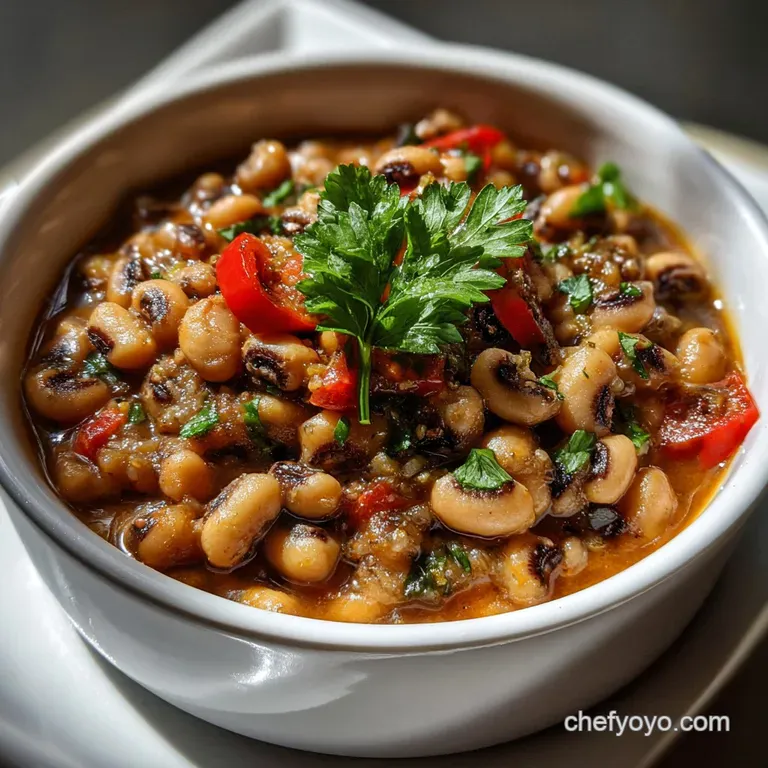
Ready to learn How To Cook Black Eyed Peas perfectly every single time? Remember that the key to this dish is heat management keep it low and slow.
Pre-Soaking vs. Quick Soak: Preparing the Beans
For this specific recipe, I recommend skipping the soak entirely. While soaking speeds up cook time, it often means the starches leach out too quickly, resulting in a thin, watery broth. We want that starch released slowly over the long cooking period for a naturally thick, rich result.
Just sort and rinse your black eyed peas recipe thoroughly.
Building the Flavor Base (Sautéing the Aromatics)
First, render that pork fat slowly until the bits are crispy and brown, then remove them. Next, add your finely diced onion and celery to the residual fat and sauté gently for 6– 8 minutes.
They should be completely soft and your kitchen should smell wonderfully savory and sweet before you even think about adding the peas. Stir in the garlic and thyme for just 60 seconds until fragrant do not let the garlic burn!
The Initial Liquid Ratio and Seasoning Strategy
Once the aromatics are softened, add the rinsed peas, stock, and bay leaves. The liquid needs to cover the peas by at least two inches. Bring it to a rolling boil, then immediately turn the heat down to the absolute lowest setting. We are aiming for the gentlest simmer possible, barely bubbling.
Do not add the main amount of salt now. Salting early causes the hulls to seize up.
The Long Simmer and Final Adjustments
Let the pot simmer undisturbed, checking and stirring every 20 or 30 minutes. If the liquid looks low, top it up with hot water or extra stock, half a cup at a time. After 90 minutes to two hours, the peas should be very tender, and the liquid should be rich and creamy.
Remove the bay leaves, taste, and adjust the seasoning with kosher salt and pepper until it’s perfect. Finally, stir in that crucial teaspoon of vinegar for brightness.
Troubleshooting Your Stew: Expert Tips and Fixes
We all hit snags when trying new blackeyed pea recipes . I once served peas so tough they sounded like tiny rocks clattering on the plate. Never again! Here are the common pitfalls and how we fix them.
How to Prevent Tough Hulls (The Hard Water Issue)
As mentioned, hard water is often the culprit. If your peas refuse to soften after two hours, add a very small pinch (no more than 1/4 teaspoon) of baking soda to the pot. It will raise the pH and work wonders in breaking down those stubborn hulls quickly.
Correcting Overly Salty Beans
Did you accidentally get heavy handed with the stock or the shaker? Don’t panic. Add a large, peeled potato (cut into halves) to the simmering pot. Potatoes are excellent at absorbing excess salt. Let it simmer for 20 minutes, then remove the potato before serving.
You can also simply dilute the stew by stirring in a cup of plain water or unsalted stock.
Achieving Thickness Without Mashing
If your liquid is still too thin at the end, simply remove about 1/2 cup of the cooked peas and mash them vigorously with a fork or an immersion blender. Stir the mashed mixture back into the pot.
The broken down starch acts as a natural thickener, giving you that beautiful, rich texture without affecting the remaining whole peas.
make-ahead and Storage: Keeping Your Peas Fresh
This is one of those dishes that tastes even better the next day, which is why making a huge batch of Creamy Southern Black Eyed Peas is always smart.
Refrigeration Guidelines and Shelf Life
Once cooled, store the Black Eyed Peas in an airtight container in the refrigerator. They are fantastic for meal prepping and will keep beautifully for 4 to 5 days. Be aware that the liquid will continue to thicken significantly as it chills.
Best Practices for Freezing the Cooked Dish
Yes, this dish freezes wonderfully! I like to freeze the stew in quart sized freezer bags. Lay them flat on a baking sheet to freeze; they stack perfectly and defrost quickly. Make sure to leave about an inch of headspace in the container, as the liquid will expand when frozen.
They remain good in the freezer for up to three months.
Reheating for Maximum Texture Retention
When reheating, whether from the fridge or freezer, always add a splash of water or stock to the pot. The peas will have absorbed most of the liquid while cooling, and adding moisture back prevents them from becoming too dry or sticky. Reheat slowly over low heat on the stovetop until simmering gently.
Traditional Southern Pairings for This Smoky Dish
You’ve successfully made incredible Black Eyed Peas . Now, what do you serve alongside this masterpiece to make it a full meal?
- Cornbread (or Hushpuppies): This is non-negotiable. You need something sturdy to soak up that rich, creamy broth.
- Braised Greens: Serve alongside braised collard greens, kale, or cabbage for a lovely acidic contrast to the smoky, earthy peas.
- Hot Pepper Vinegar: A Southern staple. Serve a small bottle of homemade or quality pepper vinegar on the table for guests who want extra zest and heat.
- A Light Salad: If you're looking for a refreshing side, the crispness of a cucumber and bean salad works well. I often recommend pairing these hearty peas with something lighter, like my Southwestern Black Bean Salad: The Quick, No-Cook Summer Side Dish for textural contrast.
Go ahead, try this recipe. It truly is the definitive method for cooking these amazing legumes, guaranteeing you rich, smoky, and creamy Black Eyed Peas every time.

Recipe FAQs
Do I really need to soak the black eyed peas before cooking?
While not strictly necessary, soaking dried peas for 4 8 hours significantly reduces cooking time and helps the peas cook more evenly. If you skip soaking, budget an extra 30 45 minutes for simmering, and ensure you check the liquid level frequently throughout the cook.
Why are my black eyed peas still hard or tough after simmering for a long time?
Hardness is often caused by adding salt too early, which can 'set' the pectin in the pea skins, preventing softening. Wait until the last 20 30 minutes of cooking before seasoning with the main bulk of the salt. Also, ensure you are using fresh dried peas; very old beans may never fully soften.
What can I use instead of a ham hock for the smoky flavor?
You can substitute the ham hock with smoked turkey parts (such as wings or necks) for a similar richness and less fat. For a non-pork smoky flavor, combine a few drops of high-quality liquid smoke with some smoked paprika.
How can I make this Smoky Southern Style recipe completely vegan?
Omit all pork products and use olive oil or vegan butter to sauté your aromatic vegetables. Replace the meaty depth by incorporating high-quality vegetable broth, a generous amount of smoked paprika, and perhaps a dash of soy sauce or Marmite for deep umami.
My stew is too runny; how do I thicken it without adding flour?
The easiest natural way to thicken the peas is to remove about 1/4 cup of the cooked peas and crush them thoroughly against the side of the pot. Stirring this starchy paste back into the liquid will instantly create a creamier consistency without changing the flavor.
Can I use an Instant Pot or slow cooker for this recipe?
Yes, the Instant Pot is excellent for cooking unsoaked peas quickly, typically requiring 20 25 minutes under high pressure followed by natural release. For a slow cooker, cook on the low setting for 6 8 hours or high for 3 4 hours, making sure the peas remain fully covered in liquid.
How long do leftovers last, and can I freeze black eyed peas?
Cooked black eyed peas will keep well in an airtight container in the refrigerator for 3 to 4 days. They freeze exceptionally well; cool them completely before transferring them to freezer safe bags or containers. They will remain delicious for up to 3 months.
Smoky Southern Black Eyed Peas
Ingredients:
Instructions:
Nutrition Facts:
| Calories | 244 kcal |
|---|---|
| Protein | 12.0 g |
| Fat | 8.3 g |
| Carbs | 40.8 g |
