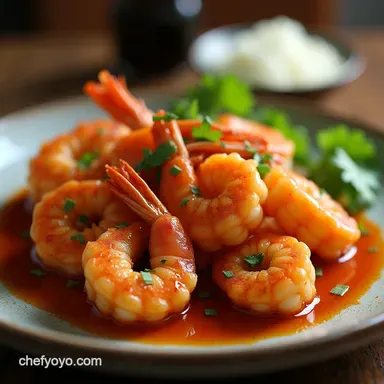
Sticky Firecracker Shrimp Sweet Spicy Gochujang Prawns
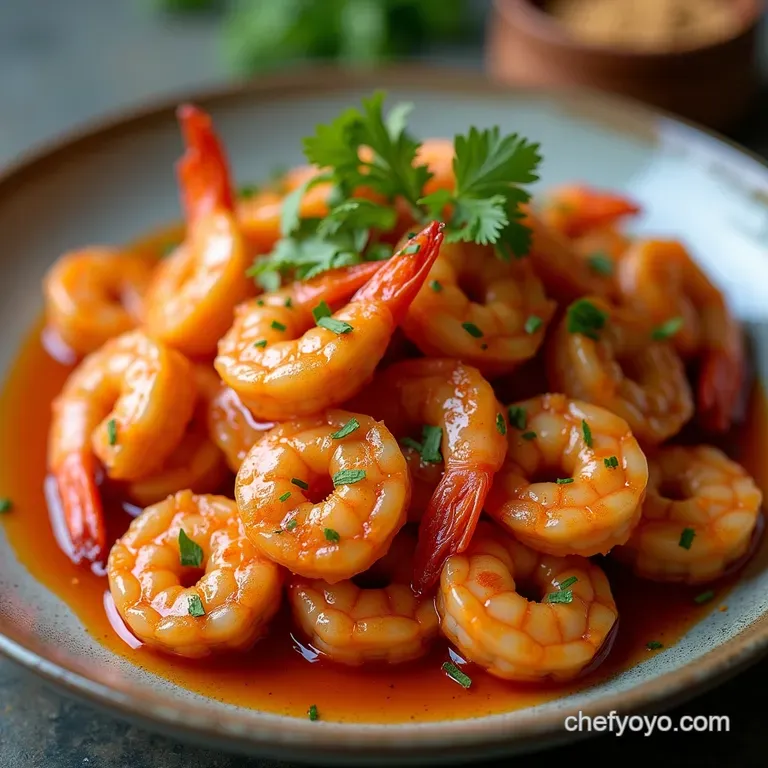
Igniting Your Kitchen: The Allure of Fermented Heat
There is a distinct magic that happens when sweet and spice collide on the palate. It’s a fundamental culinary principle, one that transcends borders, but perhaps nowhere is it executed with such vibrant passion as in Korean cuisine.
Today, we are diving headfirst into a dish that encapsulates this fiery synergy perfectly: Sweet Spicy Gochujang Shrimp . This isn't just another weeknight meal; it's an explosion of flavour that transforms humble prawns into something truly memorable.
Forget the slow, drawn-out processes of complex Chinese cooking shrimp techniques; this recipe leans into speed and intensity, giving you maximum reward for minimum effort.
The star, of course, is Gochujang, the fermented chilli paste that brings an unmatched depth, moving far beyond the simple heat offered by standard hot sauces.
Why This Sweet Spicy Gochujang Shrimp Will Rule Your Weeknights
When considering Seafood Dinner Ideas , we often look for something fast, impressive, and versatile. This Gochujang Shrimp Recipe checks all those boxes emphatically.
Designed to be ready in under 30 minutes from start to finish, it proves that deeply satisfying food doesn't require hours simmering on the stove. This preparation is perfect for those busy evenings where you still crave authentic, bold flavour profiles.
The Magic Balance: Savoury Depth Meets Fiery Glaze
What sets this dish apart from standard sweet chilli preparations is the foundation provided by the Gochujang itself. It offers far more than mere capsaicin heat; it carries an earthy, slightly funky sweetness derived from the fermentation process.
When balanced with bright notes of ginger, sharp garlic, and the caramelizing power of honey, the result is a complex, layered Sweet and Spicy Shrimp coating that clings beautifully to the succulent meat.
This interplay ensures that every bite is balanced, preventing the sweetness from becoming cloying or the spice from becoming overwhelming.
A Quick-Fire Feast Perfect for Casual Gatherings
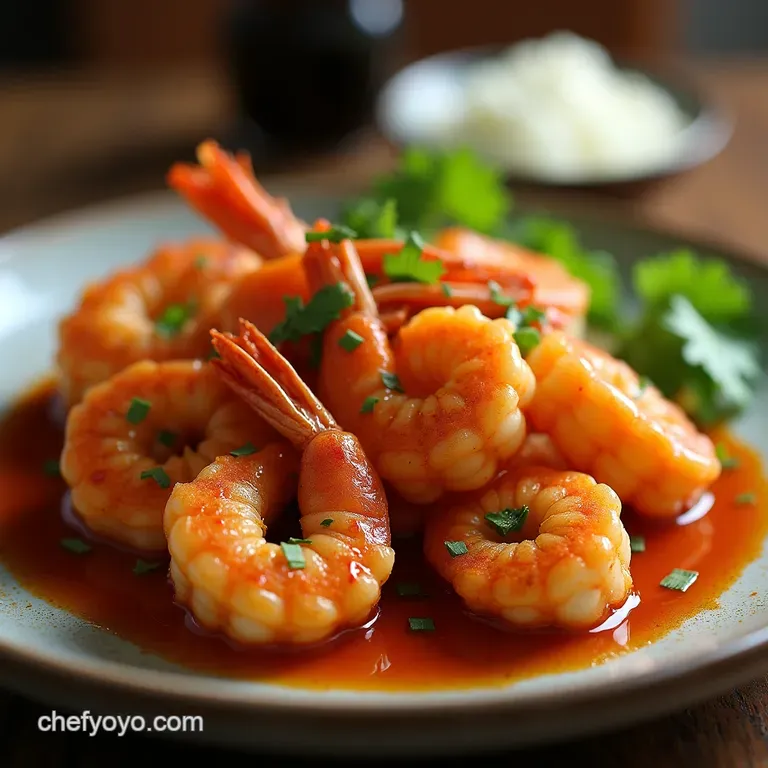
While fantastic for a solo weeknight indulgence, these Prawn Recipes Spicy profile also shine brightly when entertaining. The visual appeal, a deep, glossy, fiery red glaze coating plump shrimp, is instantly impressive.
Because they cook so quickly in a large skillet, you can easily scale the recipe up for a casual Friday night gathering, serving them simply alongside steamed rice or even as elevated appetizers.
Decoding Gochujang: Understanding Korea's Culinary Secret Weapon
If you are new to incorporating Korean ingredients, getting familiar with Gochujang is step one. It is a thick, deep red paste made from chilli powder, glutinous rice, fermented soybeans, and salt. Its flavour profile is complex: salty, slightly sweet, and profoundly umami.
When selecting your paste for this Sweet Spicy Gochujang , remember that the flavour intensity can vary between brands, so adjust the quantity based on your personal preference for heat, remembering that a little goes a long way in forming the backbone of our sauce.
Related Recipes Worth Trying
- Sticky MapleChipotle Chicken Sweet Potato Rice Bowl Recipe — Make this vibrant Chicken and Sweet Potato Rice Bowl tonight Perfectly roasted sweet potatoes meet tender chicken glazed in smoky maplechipotle sauce A...
- The Best Southern Maple Sweet Potato Casserole Smooth Creamy Pecan Streusel Top — Ditch the marshmallows This creamy Southern Maple Sweet Potato Casserole is pure comfort Features smoky maple syrup and a crunchy Pecan Streusel Sweet...
- My Best Southern Sweet Potato Casserole Recipe Proper Pecan Streusel Topping — Forget soggy marshmallows This Southern Sweet Potato Casserole Recipe is the bees knees It features a creamy sweet potato custard and crunchy Pecan Streusel...
Assembling Your Firecracker Prawn Pantry
Success in quick-cooking dishes like this Spicy Shrimp Dishes hinges entirely on mise en place, having everything chopped, measured, and ready to go before the heat hits the pan.
Since the cooking time for the shrimp is so brief (under 10 minutes total!), pausing to mince garlic or measure honey will result in overcooked seafood. Preparation here means ensuring your 1.5 lbs of large shrimp are peeled and deveined, and your sauce components are standing by.
Essential Gear for Perfect Glazing
A large, heavy-bottomed non-stick skillet or a well-seasoned wok is indispensable for this application. The pan needs to retain heat well enough to quickly sear the shrimp initially and then allow the sauce to reduce rapidly into that signature sticky coating.
Avoid using a pan that is too small; overcrowding will steam the shrimp instead of searing them, leading to a watery, thin glaze rather than a thick, clinging Gochujang Sauce Recipe .
Building the Ultimate Sweet and Spicy Gochujang Sauce Base
The sauce is where the flavour alchemy happens. To create the perfect Sweet Spicy Gochujang glaze, you need to whisk together 3 tablespoons of Gochujang, 3 tablespoons of honey (or maple syrup as a great alternative), 2 tablespoons of low-sodium soy sauce for salt and depth, 1 tablespoon of rice vinegar for necessary acidity, 1 teaspoon of fresh minced ginger, and 2 minced cloves of garlic.
Finally, add 2 tablespoons of water or stock to help loosen the paste slightly before it hits the heat, ensuring it coats evenly.
Marinade Mishaps to Avoid: Prep Tips for Maximum Flavour Absorption
Unlike some longer-marinated seafood preparations, these shrimp do not require extensive marination time, which keeps our total time under 25 minutes. However, there is one crucial pre-cooking step: patting the shrimp absolutely dry with paper towels.
Any residual moisture will impede the searing process. We want colour and caramelization before the sauce is added; wet shrimp will only steam, robbing the final dish of texture and flavour concentration.
The Culinary Choreography: step-by-step Cooking Mastery
Once your ingredients are prepped, the cooking process is a rapid, focused performance. This is less about cooking and more about assembly under high heat. We move from initial searing to final glaze application in less time than it takes to boil water for pasta.
Prepping the Proteins: A Quick Toss in Flavour Agents
Start by heating 1 tablespoon of a neutral oil, like canola or grapeseed, in your hot skillet over medium-high flame. Once the oil shimmers, add the dried shrimp in a single layer, ensuring you don’t overcrowd the pan (work in two batches if necessary).
Sear them for about 1 to 2 minutes per side until they have just turned pink and are beginning to curl, but are not fully cooked through.
Simmering the Glaze: Finding the Ideal Consistency
Next, push the partially cooked shrimp to one edge of the skillet. Pour your prepared, whisked sauce mixture into the open, hot area of the pan. Let the sauce bubble vigorously on its own for 30 to 60 seconds.
This brief, intense heating allows the honey to begin caramelizing slightly and the sauce to meld beautifully, reaching the right viscosity before the shrimp absorb it entirely.
The Grand Finale: Tossing the Prawns to Perfection
Once the sauce base shows signs of thickening, toss the shrimp vigorously into the glaze, ensuring every surface is bathed in the vibrant coating. Continue tossing for just one more minute.
The residual heat in the pan, combined with the simmering sauce, will finish cooking the shrimp perfectly, rendering them tender and plump, encased in that sticky, glorious exterior. Immediately remove the pan from the heat source.
Elevating Your Sweet Spicy Gochujang Shrimp Experience
The final presentation and serving suggestions can transform this delicious main course into a truly memorable spread. A simple garnish can amplify both the visual appeal and the complexity of the finished product.
Achieving That Irresistible Sticky Texture
The secret to that quintessential sticky texture in these Sweet Spicy Gochujang preparations is removing the pan from the heat before the final toss and immediately stirring in 1 teaspoon of toasted sesame oil.
This preserves the oil's nutty fragrance, which would be lost to burning if added earlier, and the rapid cooling allows the sugars in the sauce to set up into that desirable, glossy sheen around the protein.
Serving Suggestions: Ideal Pairings Beyond Basic Rice
While steamed Jasmine rice is the ultimate vehicle for soaking up every last bit of the glaze, consider broadening your horizons for serving. A side of lightly dressed, crispy greens, perhaps blanched broccoli or quick-pickled radishes, adds a refreshing crunch that cuts through the richness.
For a more substantial meal, this works exceptionally well alongside Korean glass noodles (Japchae) or even tucked into soft corn tortillas for spicy shrimp tacos.
Heat Adjustment Guide: Taming or Turbo-Charging the Spice Level
Customizing the heat is straightforward. To tame the fire, slightly reduce the Gochujang (perhaps using 2 tablespoons instead of 3) and increase the honey slightly. To truly turbo-charge the dish, introduce an extra teaspoon of Gochugaru (Korean chilli flakes) during the sauce whisking phase.
Alternatively, adding a small splash of Gochujang-based hot sauce right at the end provides a quick, sharp heat boost without altering the sauce consistency too much.
Freezing and Reviving Leftover Glazed Shrimp
While best enjoyed fresh, leftovers can certainly be saved. Store the cooked shrimp in an airtight container in the refrigerator for up to three days. To revive them, the best method is to reheat them very gently in a non-stick skillet over low heat, adding a tiny splash of water or stock to loosen the glaze.
Avoid the microwave, which often turns the shrimp rubbery and steams off the beautiful crust we worked so hard to achieve.
Recipe FAQs
My sauce for the Sweet Spicy Gochujang Shrimp looks a bit thin; how can I get that proper sticky glaze I see in the pictures?
That's a super common hitch! The secret is high heat and patience for just a minute. Make sure you bring the sauce to a rapid, rolling boil once you add it to the pan, this allows the sugars (from the honey) and the starch in the Gochujang to properly reduce and thicken.
Don't stir too much until it starts clinging to the sides of the pan.
How spicy is this Sweet Spicy Gochujang Shrimp dish, really? Can a wimp like me handle it, or is it more of a 'sweating through your best shirt' kind of heat?
It sits right in that sweet spot, it’s got a warming heat, not a blow-your-head-off spice. Gochujang provides depth more than searing heat. If you’re worried, start with just 2 tablespoons of Gochujang instead of 3, or swap out half the honey for maple syrup, which mellows the kick slightly.
I’ve got leftovers! How long should I store the Sweet Spicy Gochujang Shrimp in the fridge, and do they reheat well?
Stored properly in an airtight container, they’ll keep nicely in the fridge for about three days, much like leftover curry! For reheating, use the microwave on 50% power for short bursts, or better yet, toss them in a hot, dry pan for 60 seconds.
Avoid microwaving them too long, or the shrimp will turn tough as old boots.
I’m trying to cut back on sugar. What's the best substitution for the honey in this glaze?
That's sensible, as the honey and the paste itself add a fair bit of sweetness. You can use a zero-calorie sweetener alternative like erythritol or monk fruit sweetener, but you might need to use slightly less, perhaps 2 tablespoons, as they are intensely sweet.
Alternatively, a touch more soy sauce can boost the savoury notes to compensate for the lost sweetness.
I bought a massive tub of Gochujang! Can I use this sauce on something else besides shrimp?
Absolutely! Gochujang is incredibly versatile, it’s brilliant. Try using this exact sauce mixture as a marinade for chicken wings before baking them, or toss it through some stir-fried tofu or even noodles for a quick lunch.
Just remember to always pat the protein dry before cooking, just like you did with the shrimp!
Sticky Firecracker Shrimp Sweet Spicy Gochujang Prawns