Sweet Cornbread: Moist & Tender
- Time: Active 10 minutes, Passive 20 minutes, Total 30 minutes
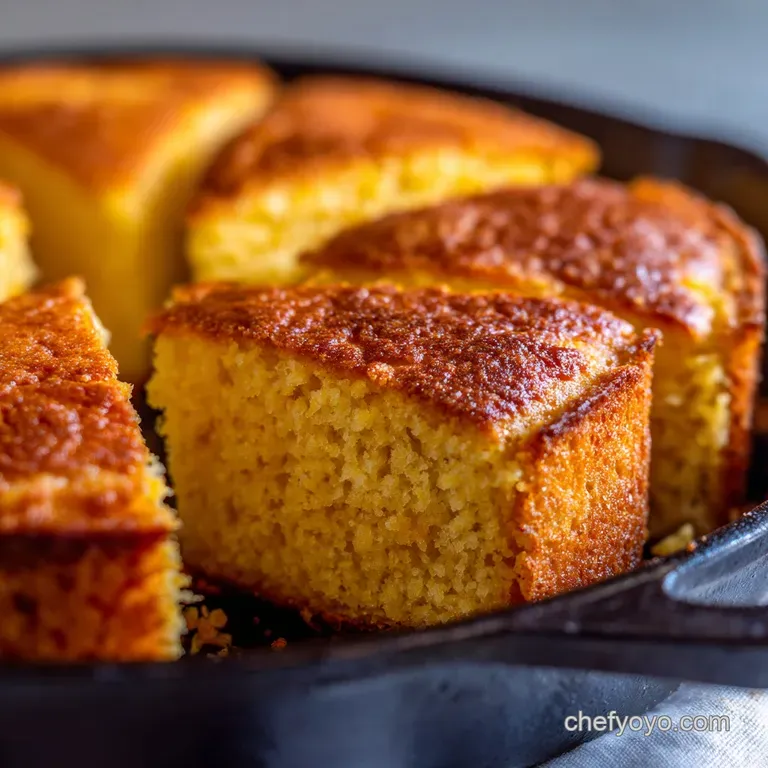
- Flavor/Texture Hook: A shatter crisp golden crust with a tender, honey kissed center
- Perfect for: Cozy Sunday roasts, holiday gatherings, or as a soul warming weeknight side
- Baking the Golden Heritage: My Artisanal Sweet Cornbread Recipe
- Why This Recipe Works
- Essential Recipe Specifications
- Gathering Your Essentials
- Equipment Needed
- Bringing It Together
- How to Fix Common Problems
- Dietary Adaptations
- Keeping It Fresh
- Presentation Tips
- Debunking Artisanal Baking Myths
- Recipe FAQs
- 📝 Recipe Card
Baking the Golden Heritage: My Artisanal Sweet Cornbread Recipe
There is something deeply grounding about the aroma of cornmeal hitting a hot, buttery skillet. It’s a scent that fills the kitchen with warmth, promising a rustic comfort that few other bakes can match.
For years, I struggled with cornbread that was either too dry resembling sawdust more than food or so sweet it felt like a cheap birthday cake. I wanted something that felt artisanal, with a crumb that felt substantial yet silken.
After plenty of burnt edges and sunken middles, I finally found the rhythm that works. This isn't just a side dish; it’s a celebration of traditional textures. We aren't looking for a bland sponge here. We want that beautiful contrast between a dark, amber exterior and a pale, sun drenched interior.
It’s the kind of recipe you pull out when you want someone to feel truly cared for.
Right then, let's get into the heart of it. We're going to use a blend of textures and a specific temperature technique to ensure this is the last sweet cornbread recipe you'll ever need.
Trust me, once you hear that batter sizzle against the hot iron, you'll know exactly why this method is superior to any boxed mix you've ever tried.
Why This Recipe Works
The success of this artisanal bake isn't luck it's the result of how specific ingredients interact under high heat to create that signature "shatter" on the crust while keeping the inside velvety.
- Maillard Reaction: The combination of granulated sugar and honey against a preheated 400°F skillet creates rapid caramelization, resulting in a deep amber, crispy exterior.
- Starch Gelatinization: The cornmeal particles absorb the fats from the 1 cup full fat buttermilk and melted butter, swelling to create a moist, tight crumb that doesn't fall apart when sliced.
- Chemical Leavening Synergy: 1 tablespoon of baking powder reacts immediately with the lactic acid in the buttermilk, providing a powerful lift that keeps the dense cornmeal from becoming a "brick."
| Method | Prep Time | Texture | Best For |
|---|---|---|---|
| Fast (Boxed) | 2 minutes | Spongy/Airy | Quick weeknight fuel |
| Classic Artisanal | 10 minutes | Dense/Velvety | Special occasions and soul food |
| Skillet Method | 5 minutes | Shatter Crisp | Maximum flavor and crust lovers |
Choosing the right approach depends on your craving, but for that true rustic feel, the skillet method is the undisputed champion. It provides a level of sensory satisfaction that a standard baking dish simply cannot replicate.
Essential Recipe Specifications
Before we start whisking, let's look at the benchmarks. These numbers are your guardrails to ensure that artisanal finish. You want to aim for a specific internal temperature to ensure the middle isn't gummy, which is a common pitfall in many homemade versions.
If you are looking for a meal that feels complete, this cornbread pairs beautifully with a Sweet Heat Poblano recipe because the sweetness of the corn balances the smoky warmth of the peppers perfectly.
| Feature | Specification |
|---|---|
| Baking Vessel | 9 inch or 10 inch Cast Iron Skillet |
| Oven Temperature | 400°F (204°C) |
| Internal Doneness | 195°F to 200°F |
| Serving Size | 9 generous wedges |
Gathering Your Essentials
The alchemy of a great bake starts with the quality of your components. I always reach for a stone ground yellow cornmeal if I can find it because the varied particle size adds a wonderful rustic toothsomeness to the final bite.
- 1 cup yellow cornmeal (160g): Why this? Provides the structural backbone and that classic sun drenched color and earthy flavor.
- 1 cup all purpose flour (125g): Why this? Provides the gluten necessary to hold the crumb together without it crumbling.
- 2/3 cup granulated sugar (135g): This provides the sweetness that balances the salt and helps the crust brown.
- 1 tablespoon baking powder: This is a hefty amount, but necessary to lift the heavy cornmeal.
- 1/2 teaspoon fine sea salt: To sharpen all the other flavors.
- 1 cup full fat buttermilk (245g): Why this? The acidity tenderizes the crumb and reacts with the leavener for height.
- 1/2 cup unsalted butter, melted (115g): For that rich, artisanal mouthfeel.
- 1 tablespoon unsalted butter for skillet (14g): Critical for the "sizzle" and non stick crust.
- 2 large eggs, beaten: These act as the binder and provide a slight richness.
- 2 tablespoons honey (42g): Adds a floral depth of flavor and keeps the bread moist for days.
| Original Ingredient | Substitute | Why It Works |
|---|---|---|
| Full fat Buttermilk | 1 cup Whole Milk + 1 tbsp Lemon Juice | Mimics the acidity needed for the rise. Note: Crumb may be slightly less tender |
| Unsalted Butter | Salted Butter | Works well, just omit the 1/2 tsp fine sea salt from the recipe |
| Granulated Sugar | Light Brown Sugar | Adds a subtle molasses note and extra moisture to the crumb |
The beauty of these swaps is that they allow you to bake even when the pantry is looking a little bare. However, for that peak artisanal experience, I always advocate for the buttermilk.
Equipment Needed
You don't need a kitchen full of gadgets, but a few specific tools will make your life much easier and the results more consistent.
- Cast Iron Skillet: A 10 inch Lodge is my workhorse. It holds heat like nothing else, which is the secret to that legendary crust.
- Large Mixing Bowl: For your dry ingredients.
- Medium Mixing Bowl: For whisking your liquid gold.
- Whisk: To ensure the flour and cornmeal are fully aerated and lump free.
- Rubber Spatula: For the "gentle fold" technique.
Bringing It Together
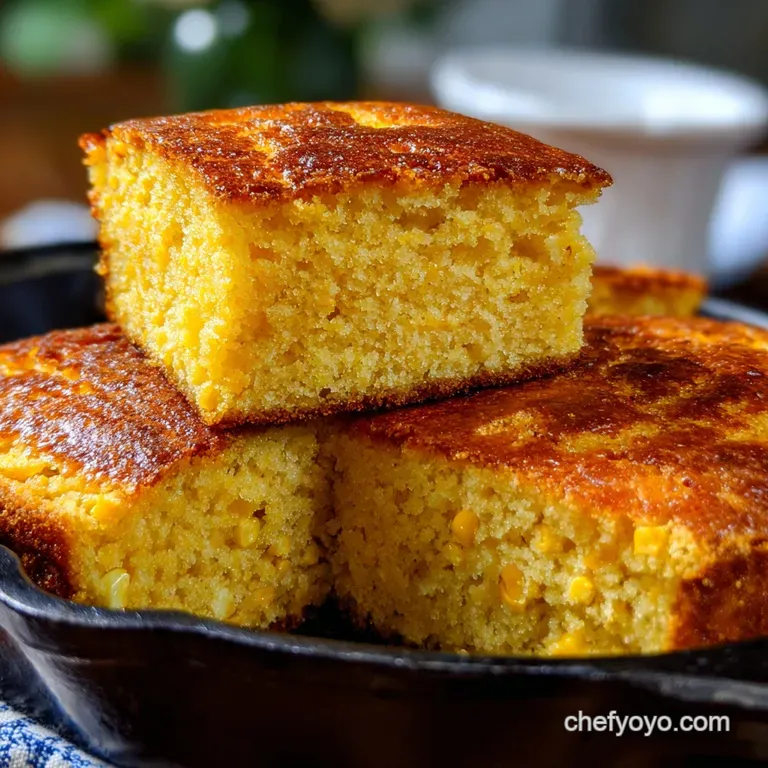
Now we get to the fun part. The key here is speed once the wet and dry ingredients meet. We want to get that batter into the hot skillet while the leavening reaction is at its peak.
Phase 1: The Searing Skillet Prep
Preheat your oven to 400°F. Place your 10 inch cast iron skillet inside for at least 10 minutes while you prep the batter. Note: A cold skillet leads to a pale, soggy bottom.
Phase 2: The Dry Mix
In your large bowl, whisk together the 1 cup yellow cornmeal, 1 cup all purpose flour, 2/3 cup granulated sugar, 1 tablespoon baking powder, and 1/2 teaspoon fine sea salt. Ensure there are no clumps of baking powder hiding in there.
Phase 3: The Liquid Gold
In the medium bowl, whisk the 1 cup buttermilk, 2 large beaten eggs, 2 tablespoons honey, and the 1/2 cup melted (and slightly cooled) butter. Note: If the butter is too hot, it will scramble the eggs!
Phase 4: The Gentle Fold
Create a well in the center of the dry ingredients. Pour in the liquid mixture. Using your spatula, fold the ingredients together just until no streaks of dry flour remain. Stop immediately. Overmixing is the enemy of a tender crumb.
Phase 5: The Sizzle
Carefully remove the hot skillet from the oven using a thick mitt. Drop the remaining 1 tablespoon of butter into the skillet. It should melt and sizzle instantly. Swirl it to coat the bottom and sides.
Phase 6: The Golden Bake
Scrape the batter into the hot skillet. It should hiss as it touches the iron. Smooth the top quickly and return to the oven. Bake for 20 minutes until the edges are deep amber and a toothpick comes out clean.
Chef's Note: If you're feeling adventurous, try adding a handful of fresh corn kernels or a pinch of smoked paprika to the batter for a truly artisanal twist.
Once the bake is complete, the internal temperature should hit around 195°F. This is one of those precision checkpoints that ensures you aren't serving "corn mush" in the center.
How to Fix Common Problems
Even with the best intentions, baking can be fickle. If your cornbread isn't looking like the rustic masterpiece you imagined, it's usually down to one of three things.
Why is my cornbread dry and crumbly?
This usually happens if you overbake the bread or if the flour to cornmeal ratio is off. Cornmeal is a thirsty grain; if it sits too long in the oven, it will wick away all the moisture from the buttermilk and butter.
Also, check your measuring if you scoop the flour directly with the measuring cup, you might be packing in too much.
Why didn't my cornbread get a crispy crust?
This is almost always a temperature issue. If you don't preheat the skillet or if your oven isn't truly at 400°F, the batter won't "sear" when it hits the pan. That initial blast of heat is what creates the Maillard reaction we talked about earlier.
| Problem | Root Cause | Solution |
|---|---|---|
| Soggy Bottom | Skillet wasn't hot enough | Preheat skillet for 10-15 mins before adding butter and batter |
| Sunken Middle | Too much leavening or underbaked | Measure baking powder precisely and check internal temp (195°F) |
| Tough Texture | Overmixed the batter | Fold wet into dry only until just combined; ignore small lumps |
Common Mistakes Checklist:
- ✓ Always use room temperature eggs and buttermilk to prevent the melted butter from seizing.
- ✓ Never skip the skillet preheat - it is the difference between "okay" and "artisanal."
- ✓ Don't let the batter sit on the counter; get it into the oven immediately to utilize the baking powder's lift.
- ✓ Use unsalted butter so you can control the seasoning perfectly.
- ✓ Measure your honey by spraying the spoon with a little oil first so it slides right off.
Dietary Adaptations
We all have friends with different needs, and the good news is that this sweet cornbread recipe is quite forgiving when it comes to modifications.
If you are looking for another treat to round out a dessert table, my Pumpkin Pie recipe is a fantastic companion to the honey notes in this cornbread, especially during the autumn months.
- gluten-free: Replace the all purpose flour with a 1:1 gluten-free flour blend (like King Arthur or Bob's Red Mill). The texture will be slightly grainier, but the flavor remains excellent.
- dairy-free: Use 1 cup of almond or oat milk mixed with 1 tablespoon of apple cider vinegar (let sit for 5 mins). Replace the butter with melted coconut oil or a high-quality vegan butter stick.
- Lower Sugar: You can reduce the granulated sugar to 1/3 cup, but be aware that the crust will be significantly paler and the crumb will feel "breadier" rather than cake like.
Keeping It Fresh
Because of the high fat content and the honey, this bread stays moist longer than traditional southern styles. However, you still want to protect that precious crumb.
Storage: Keep leftovers in an airtight container at room temperature for up to 3 days. If you keep it in the fridge, it will last 5 days but tends to firm up; a quick zap in the microwave for 15 seconds brings back that silken texture.
Freezing: This bread freezes beautifully. Wrap individual wedges in plastic wrap and then foil. They will stay fresh for up to 3 months. Thaw at room temperature for an hour before reheating.
Zero Waste Tip: If you find yourself with dry leftovers, don't toss them! Cut them into cubes, toss with a little melted butter, and toast them in the oven to make the most incredible cornbread croutons for a winter salad or a bowl of chili.
| Component | Artisan Shortcut | Flavor Impact |
|---|---|---|
| Buttermilk | Plain Greek Yogurt + Water | Thicker batter, slightly more tang |
| Honey | Maple Syrup | Thinner batter, earthy woodsy sweetness |
| Cornmeal | Polenta (Fine) | More "crunch" and rustic texture |
Presentation Tips
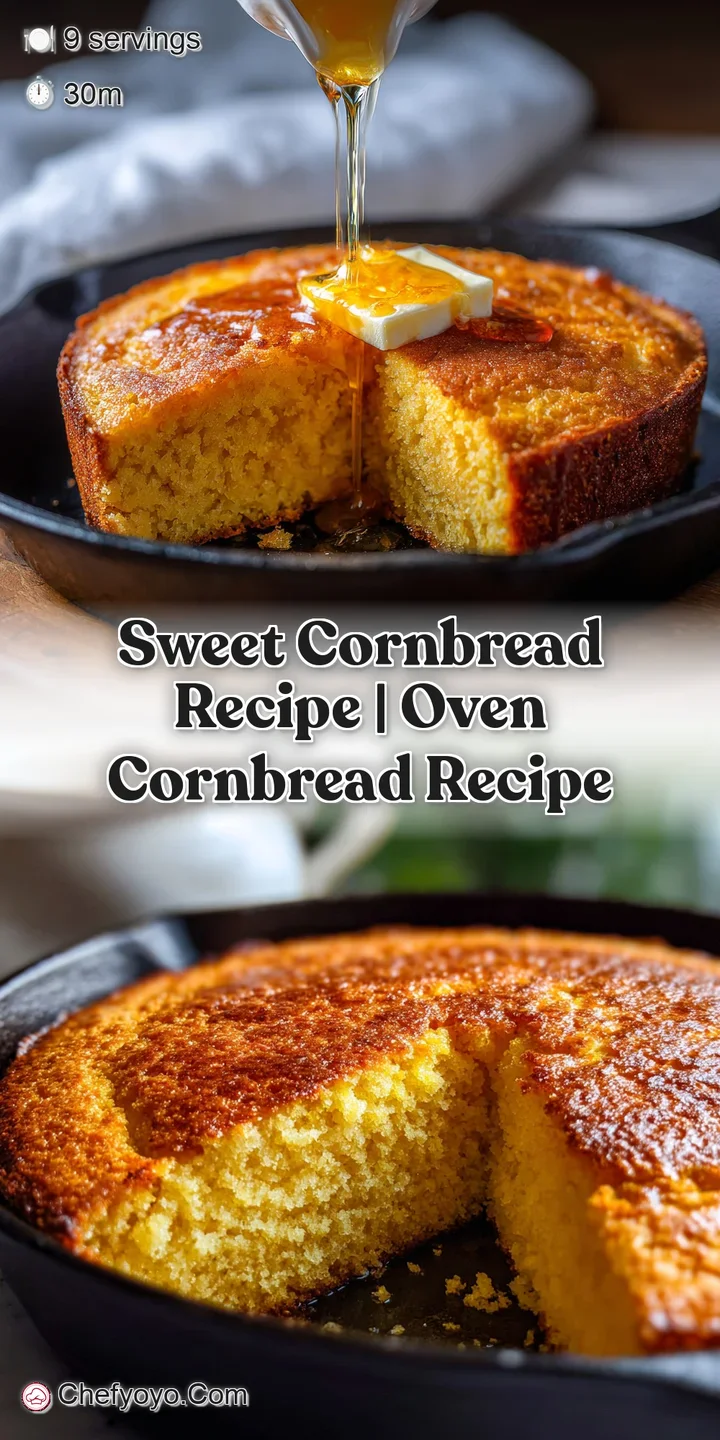
Since we are focusing on an artisanal, color balanced approach, how you serve this matters. We want to highlight the three specific color accents: the amber crust, the pale sun yellow crumb, and the glistening amber honey.
- The Glistening Drizzle: Just before serving, drizzle a little extra honey over the top. The way it catches the light against the rustic crust is stunning.
- The Garnish Accents: A sprinkle of flaky sea salt (like Maldon) provides a white "sparkle" against the yellow crumb and pops the sweetness.
- The Clean Slice: To get those perfect, photo ready wedges, use a sharp serrated knife and wipe it clean between every single cut.
If you enjoy the process of crafting traditional bakes, you might also love making a Mexican Sweet Bread Recipe, which shares that beautiful focus on texture and golden finishes.
Debunking Artisanal Baking Myths
There’s a lot of "old wives' tales" in the baking world that can actually lead you astray when trying to master a sweet cornbread recipe.
Myth: Sugar is never found in "real" Southern cornbread. While it's true that some regional traditions omit sugar entirely, many historical recipes included it as a way to balance the bitterness of certain corn varieties.
In an artisanal context, sugar isn't just for sweetness; it’s a functional ingredient that aids in moisture retention and browning.
Myth: You should beat the batter until smooth. This is the fastest way to ruin your bread. If you beat the batter like a cake, you develop too much gluten. You'll end up with a rubbery, tough texture instead of that tender, velvety crumb we’re aiming for. Lumps are your friend!
Myth: Any pan will produce the same result. Glass and ceramic are poor conductors of heat compared to cast iron. If you use a glass 9x13 dish, you will never achieve that shatter crisp bottom crust. The material of your vessel is just as important as the ingredients inside it.
Right then, you're ready to head into the kitchen. Just remember: get that skillet hot, don't overwork the batter, and wait for that glorious sizzle. You've got this!
Recipe FAQs
What is the difference between Southern cornbread and sweet cornbread?
Southern cornbread is typically not sweet. Traditional Southern cornbread focuses on a savory flavor profile, often using buttermilk and no sugar, aiming for a crumbly texture.
Sweet cornbread, on the other hand, incorporates sugar and sometimes honey for a distinctively sweeter taste and a more tender, cake like crumb.
How much sugar to add to cornbread?
Start with 1/4 cup and adjust to taste. This recipe uses 2/3 cup (135g) of granulated sugar for a balanced sweet flavor and tender crumb, which is common in sweet cornbread. You can reduce it to 1/3 cup for less sweetness, but it might affect the crust's browning and moisture retention.
What is the secret to moist cornbread?
Use a good fat source and don't overbake. Ingredients like buttermilk, melted butter, and honey contribute significant moisture. Ensuring the internal temperature reaches 195-200°F without going much further is key to preventing a dry, crumbly texture.
Is authentic cornbread sweet?
Authentic cornbread can vary greatly; sweet is a popular style. While many "authentic" regional recipes, particularly from the South, are unsweetened or only lightly sweetened to complement savory dishes, sweet cornbread is also a very traditional and beloved variation.
This recipe embraces the sweetness for a delicious contrast.
Can I substitute buttermilk in cornbread?
Yes, you can make a buttermilk substitute. Mix 1 cup of whole milk with 1 tablespoon of lemon juice or white vinegar and let it sit for 5-10 minutes until it thickens slightly. This mimics the acidity needed for leavening and tenderness, similar to how dairy is used in our Old Fashioned Pumpkin Pie: The Best Velvety Classic Recipe.
What is the best cornmeal for cornbread?
Stone ground yellow cornmeal is ideal for texture. The varied particle size of stone ground cornmeal provides a wonderful rustic texture and that classic sun-drenched color. Finely ground cornmeal can result in a finer crumb, while coarser grinds can feel too gritty for some.
How do I get a crispy crust on my cornbread?
Preheat your skillet and use a hot oven. Placing a cast iron skillet in a 400°F oven for at least 10 minutes before adding the butter and batter is crucial. This intense initial heat promotes rapid caramelization and creates that sought after shatter crisp exterior.
Sweet Cornbread Recipe
Ingredients:
Instructions:
Nutrition Facts:
| Calories | 322 calories |
|---|---|
| Protein | 5.1 g |
| Fat | 14.2 g |
| Carbs | 44.5 g |
| Fiber | 1.5 g |
| Sugar | 18.8 g |
| Sodium | 267 mg |
