Sweet Smoky Texas Roadhouse Salmon Grilled to Perfection
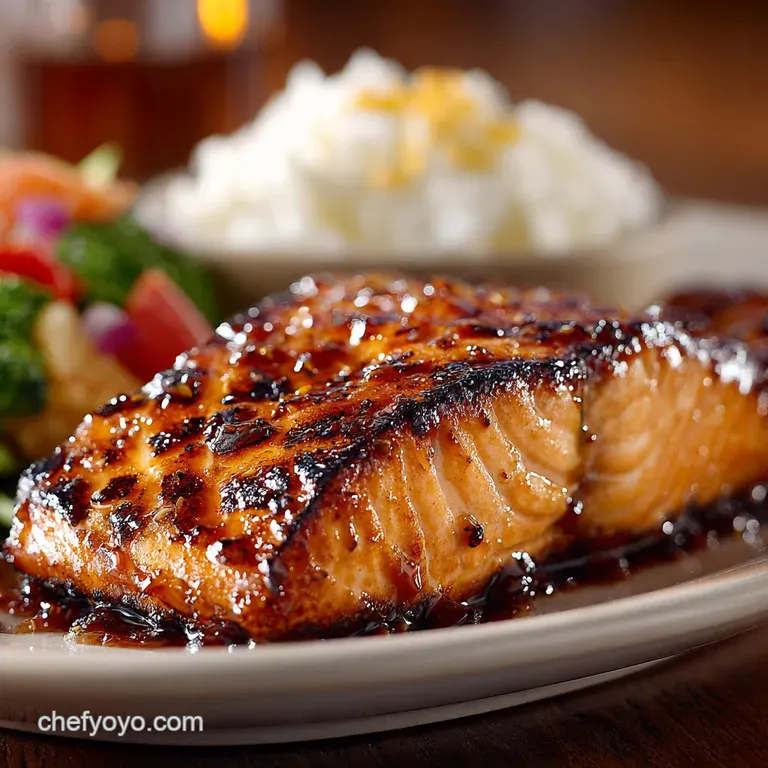
- Replicating the Roadhouse Magic: Flavor Secrets Unveiled
- Essential Components for Your Sweet & Tangy Glaze
- Specialized Tools for a Chef-Quality Finish
- The Preparation Phase: Marinating and Resting
- Achieving That Perfect Caramelized Finish
- Troubleshooting and Pro Tips for Salmon Success
- Serving Suggestions and Recipe Flexibility
- Recipe FAQs
- 📝 Recipe Card
Replicating the Roadhouse Magic: Flavor Secrets Unveiled
The allure of the iconic Texas Roadhouse Salmon isn't just about the fish; it’s about that incomparable glaze a sticky, caramelized layer of savory sweetness that keeps diners coming back.
This dish is the gold standard for many who are exploring sophisticated Ways To Make Salmon At Home , offering a complexity that far surpasses a simple pan-sear. We are perfecting the ultimate texas roadhouse salmon recipe , focusing specifically on the high impact flavor profile that elevates standard Grilled Salmon Fillets into a steakhouse sensation.
The resulting salmon is rich, buttery, and boasts a subtly smoky undertone that defines the experience.
Why This Signature Glaze Is So Irresistible
The irresistible quality of the Roadhouse glaze lies in its precise, bold balance of components. At its heart, the texas roadhouse salmon sauce is a melted, buttery blend of light brown sugar and liquid honey.
These sweeteners provide the foundation necessary for gorgeous caramelization during the cooking process. Crucially, the richness of this base is instantly cut by a generous splash of fresh lemon juice, adding the tang needed to prevent the glaze from tasting heavy or cloying.
We also incorporate smoked paprika, which provides that subtle, characteristic restaurant smokiness without needing a full scale wood smoker.
Deconstructing the Perfect Texas Roadhouse Salmon Experience
Achieving true Roadhouse quality requires a meticulous approach that goes beyond simply mixing ingredients and applying heat. The key steps involve starting with perfectly prepared fish, utilizing a simple yet effective texas roadhouse salmon seasoning (salt and pepper), and executing the essential two-part glaze technique.
This two-part approach ensures maximum flavor impact and shine while guaranteeing food safety by separating the glaze used for basting during cooking from the fresh glaze applied just before serving.
By mastering the cooking time and the basting schedule, this particular Recipe For Salmon Fillets delivers flawless, flaky results every single time.
Essential Components for Your Sweet & Tangy Glaze
The foundation of the signature flavor comes from using quality ingredients, specifically for the basting butter. You will need 60 grams of high-quality unsalted butter, melted down gently with 60 grams of packed light brown sugar and two tablespoons of runny liquid honey.
These three elements form the necessary sticky base. To build complexity, we add one finely minced large clove of garlic, which provides an indispensable pungent aromatic quality, and one teaspoon of savory Worcestershire sauce for that subtle background umami.
Finish the mixture with one tablespoon of fresh lemon juice and half a teaspoon of smoked paprika, which contributes beautifully to the final color and depth of the texas roadhouse salmon sauce .
Specialized Tools for a Chef Quality Finish
While the ingredients are straightforward, utilizing the right tools will make preparing the glaze and managing the high cooking temperature much easier. You will need a small saucepan to gently melt and combine the glaze base, ensuring the sugar fully dissolves.
For the actual cooking, you'll need either a parchment lined baking sheet for the oven method or heavy duty grill foil or a cedar plank if you opt for true Grilled Salmon Fillets .
The most critical piece of equipment is a reliable instant read meat thermometer, which eliminates guesswork and guarantees the fish reaches the perfect internal temperature of 145°F (63°C).
Selecting the Best Salmon Fillets for Maximum Flakiness
For the best results, select four individual salmon fillets, each weighing approximately 175 grams (6 ounces). The thickness is more important than the exact weight, as consistency ensures even cooking. Choosing fillets that are uniform in size will prevent some portions from overcooking while others remain underdone.
Whether you choose skin-on or skin off is a preference; however, keeping the skin on provides a protective layer and offers structural support, which is particularly beneficial when cooking on the grill.
Pantry Checklist: Sweeteners, Spices, and Citrus
Before starting, ensure your pantry is stocked beyond the glaze basics. You will require two teaspoons of high-quality extra virgin olive oil for the initial coat on the fish. The core texas roadhouse salmon seasoning consists of one teaspoon of coarse kosher salt and half a teaspoon of freshly cracked black pepper.
For the final glaze brighteners, make sure the smoked paprika is fresh and the lemon is ripe, as the tart juice is paramount for balancing the sweetness of the brown sugar and honey.
Must Have Prep Equipment for Easy Glazing
Preparing this recipe efficiently requires having the right small items readily available. In addition to the melting saucepan, you need two separate, small bowls. One bowl is for the warm glaze that will be used during the basting process, and the other is for the reserved glaze that provides a pristine, high shine finish.
A silicone pastry brush is superior to natural bristles for applying the sticky glaze, as it cleans easily and ensures even coverage without leaving streaks.
Related Recipes Worth Trying
- The Ultimate 15Minute Crispy Garlic Butter Pan Seared Salmon — Master this perfect Garlic Butter Pan Seared Salmon recipe Get flaky fish and crispy skin every time finished with a luscious lemon garlic butter pan sauce...
- Copycat Texas Roadhouse Butter Chicken Skillet Velvety Smoky — This Texas Roadhouse Butter Chicken Skillet copycat delivers juicy marinated chicken breast in a rich smoky Makhani sauce Its the ultimate easy chicken dish...
- LemonDill Oven Baked Salmon Flaky Moist and Ready in Just 25 Minutes — Looking for the Best Oven Baked Salmon This speedy recipe shows you How To Bake Salmon Fillets In Oven for a flaky tender finish every time Simple...
The Preparation Phase: Marinating and Resting
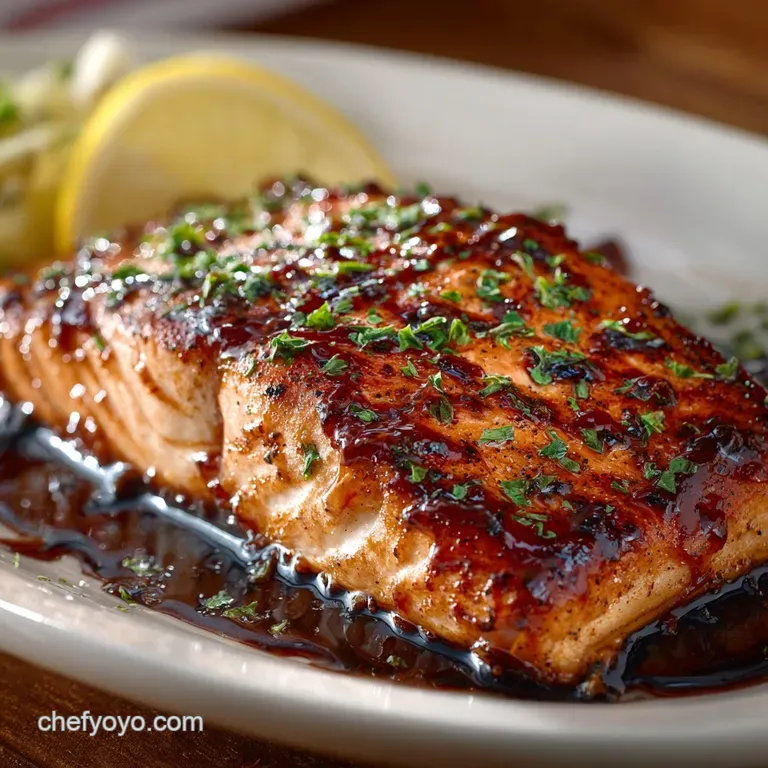
Preparation begins with thoroughly patting the salmon fillets dry using paper towels; this is a non-negotiable step that promotes better searing and ensures the seasoning adheres properly.
Once dry, lightly brush each fillet with the two teaspoons of olive oil, followed by an even application of the kosher salt and black pepper. As a secret flavor step, lightly brush the seasoned fish with about a tablespoon of the reserved finishing glaze.
Allowing the fillets to rest at room temperature for a brief 15 minutes while the oven or grill preheats guarantees they absorb the initial seasonings and begin cooking immediately and evenly once introduced to the heat.
Achieving That Perfect Caramelized Finish
The hallmark of the texas roadhouse salmon recipe is the deep, sticky, caramelized crust. This finish is a delicate balance of high heat and controlled sugar application.
The key to success is transitioning the butter and sugar mixture from a liquid glaze into a beautiful, browned crust without allowing the sugars to burn a process that demands precise timing and attention, especially when using the intense heat of the grill or broiler.
Whisking the Signature Roadhouse Glaze: Technique Matters
To create the perfect texas roadhouse salmon sauce , combine the butter, brown sugar, and honey in the small saucepan over very low heat. Stir continuously until the butter is completely melted and all sugar granules are dissolved; the mixture should be smooth and viscous, but never allowed to reach a rolling boil.
Remove the pan from the heat immediately, then stir in the minced garlic, Worcestershire sauce, lemon juice, and smoked paprika. Crucially, pour half of this warm mixture into a second, separate bowl for basting during cooking.
The remaining half should be set aside to cool slightly, reserving it solely for the final, fresh coat on the plated salmon.
Preparing the Fillets for Optimal Heat Absorption
Once the fillets are seasoned and slightly pre-glazed (as per the preparation step), proper heat management is next. If grilling, preheat your grill to a steady medium high heat (about 400°F / 200°C), ensuring the grates are cleaned and well oiled to prevent the fillets from sticking and tearing during the flip.
If using the texas roadhouse salmon recipe oven method, preheat to a high 425°F (220°C) and line your baking sheet with parchment paper to manage the sticky glaze and ease cleanup.
step-by-step Grilling or Broiling the Texas Roadhouse Salmon
For Grilled Salmon Fillets , place the fish skin side down (if using skin-on) onto the hot grill and cook for 4– 5 minutes until the skin crisps and releases naturally. Carefully flip the fillets.
Immediately use the warm basting glaze to generously coat the tops of the fish. Continue cooking for an additional 5– 7 minutes, basting once more during the final minutes to build that thick layer of caramelization.
When utilizing the oven, place the skin side down fillets on the prepared tray and bake for 6 minutes, then remove, baste heavily with the warm glaze, and return to the oven for the final 4– 6 minutes of cooking time.
The Final Glaze Application for Maximum Shine and Flavor
Once the salmon reaches the target internal temperature, remove it from the heat source and allow it to rest for a full three minutes. This resting period is critical for retaining moisture.
Just before serving, take the reserved, cooled portion of the texas roadhouse salmon sauce and brush it liberally over the warm, cooked fillets. Because this glaze has not been exposed to high heat, it retains maximum brightness and gloss, giving the salmon its signature, highly appealing presentation and a final boost of fresh flavor.
Troubleshooting and Pro Tips for Salmon Success
The complexity of working with a sugar based glaze and delicate fish means a few expert tips can ensure professional results. Always remember the distinction between the two glazes: using the cool, reserved glaze for the finish prevents cross contamination and ensures a vibrant flavor that isn't muddied by cooking.
Using the "Finger Test" (pressing the fish to check for flakiness) is a good secondary method, but a thermometer remains the gold standard for perfectly cooked salmon.
How to Prevent Glaze Burning
The high sugar content of the texas roadhouse salmon sauce makes it susceptible to burning under intense heat, especially on a grill. If you are preparing Grilled Salmon Fillets , keep your grill temperature regulated and ensure there are no direct flame flare ups; a spray bottle of water can quickly subdue fat or sugar drippings that ignite.
If you are following the texas roadhouse salmon recipe oven instructions, position the baking sheet on a middle rack to prevent excessive heat from the top element from scorching the glaze before the fish is cooked through.
Ensuring the Salmon is Perfectly Cooked: Internal Temperature Guide
The difference between succulent, flaky salmon and dry, dense fish often comes down to just one or two degrees. We stress the necessity of an instant read meat thermometer: the fillets are done the instant they register 145°F (63°C) at the thickest part. Remove them immediately.
If you notice the white albumin (a creamy fat) just beginning to bead on the surface and the flesh separates into defined flakes when lightly pressed, you have achieved perfect doneness.
Serving Suggestions and Recipe Flexibility
This deeply flavorful salmon pairs brilliantly with classic American comfort sides. Do not let the effort stop at the fish; complete the steakhouse experience at home. This Recipe For Salmon Fillets offers rich flavor, so the sides should provide contrasting textures and complementary tastes.
Pairing Your Salmon: Best Side Dishes from the Roadhouse Menu
To truly replicate the experience, serve your freshly glazed salmon alongside creamy garlic mashed potatoes, which absorb the buttery glaze beautifully. Grilled sweet corn on the cob, brushed with butter and sprinkled with coarse salt, adds a necessary sweetness and texture.
Alternatively, a crisp house salad featuring mixed greens and a simple vinaigrette or ranch dressing offers a refreshing counterpoint to the richness of the fish and the sauce.
Storing Leftovers and Reheating Without Drying Out
While it’s unlikely you’ll have leftovers, any remaining glazed salmon should be cooled quickly and transferred to an airtight container, where it will keep well in the refrigerator for up to three days. To reheat without compromising the texture, avoid the microwave, which often toughens fish.
Instead, place the fillet in a foil packet with a teaspoon of water or a thin pat of butter, seal tightly, and warm in an oven preheated to a low 300°F (150°C) for about 8 to 10 minutes until just heated through.
Recipe FAQs
Blimey, that glaze is sweet! How do I stop the brown sugar from burning while it's cooking?
The secret, much like queuing for a good pint, is patience and managing the heat. If grilling, use medium heat (not scorching high) and try to baste only in the final stages, keeping the lid slightly ajar.
If baking in the oven, ensure your rack isn't too close to the top element, as the sugar caramelises very quickly above 425°F (220°C).
I don't have an outdoor BBQ; how do I get that signature smoky flavour when making Texas Roadhouse Salmon indoors?
No worries, you don't need to be standing by a barbie to get that great taste. Make sure you use the smoked paprika specified in the glaze recipe it works wonders for depth. For an extra authentic, rustic touch, try baking the salmon on a water soaked cedar plank inside your oven; it imparts fantastic flavour without requiring an outdoor grill.
What's the best way to tell if my salmon is cooked through without drying it out like an old boot?
If you want precision, an instant read meat thermometer is your best mate; aim for an internal temperature of 145°F (63°C) at the thickest point. Otherwise, look for the fillet to turn completely opaque and flake easily when pressed lightly with a fork.
Crucially, remove the fish from the heat when it's just underdone, as it will continue cooking while it rests for those vital three minutes.
Can I prep the glaze or marinade the salmon ahead of time to save a few minutes before the dinner rush?
The glaze is brilliant for meal prep; you can whisk it up and store it in the fridge for up to three days, warming it gently before basting. However, avoid letting the salmon fillets sit in the glaze/marinade for more than 30 minutes, as the acidity from the lemon juice can start to denature the delicate fish protein, making it firm and potentially less succulent once cooked.
All that butter and sugar tastes amazing, but how can I make this dish a bit lighter on the calorie count?
Since salmon is a nutritional powerhouse high in Omega-3s, focus your substitutions on the glaze ingredients. You can swap half the butter for olive oil or use a lighter cooking spray instead of brushing the fish before seasoning.
For the sweetness, substitute the brown sugar with a zero calorie alternative like stevia or monk fruit, which cuts down the sugar without losing that vital caramelised texture.
Sweet Smoky Texas Roadhouse Salmon
Ingredients:
Instructions:
Nutrition Facts:
| Calories | 1128 kcal |
|---|---|
| Protein | 20.6 g |
| Fat | 30.9 g |
| Carbs | 65.0 g |
| Fiber | 17.8 g |
| Sodium | 10686 mg |
