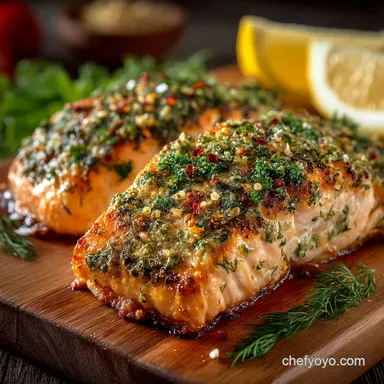
Lemondill Baked Salmon the Speedy 25Minute Weeknight Wonder

- Why This Lemon-Dill Recipe Reigns Supreme for Weeknights
- The 25-Minute Path to a Gourmet Dinner
- Sourcing the Star: What to Look for in Quality Salmon Fillets
- Prepping Your Fish: Temperature and Patting Techniques
- Step-by-Step Assembly: Crafting the Perfect Dill-Butter Glaze
- Optimal Baking Temperature and Timings for Oven Baked Salmon
- Common Queries: Troubleshooting Dry or Unevenly Cooked Fish
- Flavor Upgrades: Creative Customizations Beyond Lemon and Dill
- Recipe FAQs
- 📝 Recipe Card
Why This Lemon Dill Recipe Reigns Supreme for Weeknights
When the clock is ticking and dinner needs to be both effortless and impressive, the search for the Best Damn Salmon Recipe often ends here. This specific method for Oven Baked Salmon is designed for speed and reliability, delivering sophisticated flavour without any complex steps.
We bypass the pitfalls of dull, dry fish by utilizing a hot oven and a concentrated aromatic glaze. The classic pairing of bright lemon and fragrant fresh dill cuts through the richness of the fish, transforming four simple ingredients into a gourmet meal in under half an hour.
It’s a guaranteed success whether you are a novice cook or looking for a stellar addition to your weekly rotation.
The 25-Minute Path to a Gourmet Dinner
The real genius of this dish lies in its efficiency. From the moment you begin prepping until you serve up dinner, the total commitment is just 25 to 28 minutes.
This includes 10 minutes of active prep time which involves making our simple glaze followed by a quick 12 to 15 minutes of baking. It's truly a testament to how quick, high-quality cooking can be.
Achieving Flaky Perfection: The Secret to Moist Salmon Every Time
The key to preventing that dreaded dry texture when learning How To Bake Salmon Fillets In Oven is twofold: proper temperature and precise timing. We utilize a slightly higher temperature, 400°F (200°C), which ensures a fast cook time.
This rapid heat minimizes the period during which the delicate proteins can seize up, resulting in a tender, moist interior that flakes beautifully. The buttery glaze we apply acts as a protective shield, locking in moisture while adding tremendous flavour.
Beyond Boring: Elevating Classic Oven Baked Salmon Flavor Profiles
While salt, pepper, and olive oil are fine, the true depth of this oven baked salmon fillet comes from our simple, four component glaze: melted butter, minced garlic, fresh dill, and the double punch of fresh lemon juice and zest.
The melted butter provides richness, while the minced garlic infuses savouriness. But it is the one-two combination of zesty brightness and earthy dill that truly elevates this to a premium flavour profile, moving it far beyond typical minimalist preparations.
Essential Equipment for Zero Fuss Preparation
Fortunately, achieving restaurant quality results requires very little specialized gear. You will need a standard oven, a sturdy rimmed baking sheet, and either aluminum foil or parchment paper (essential for quick cleanup).
While not mandatory, an instant read meat thermometer is the single best investment you can make for precision cooking, ensuring you hit that perfect internal temperature every time. A small mixing bowl for the glaze and a basting brush or spoon complete the list.
Sourcing the Star: What to Look for in Quality Salmon Fillets
Starting with exceptional fish is crucial. Look for fillets that are vibrant in color whether deep reddish orange or light pink and free from any gray or dry edges. The fish should smell fresh, like the ocean, not overwhelmingly "fishy." We recommend centre cut fillets, roughly 6 ounces (170g) each, as they offer the most uniform thickness, which is critical for even baking.
Prepping Your Fish: Temperature and Patting Techniques
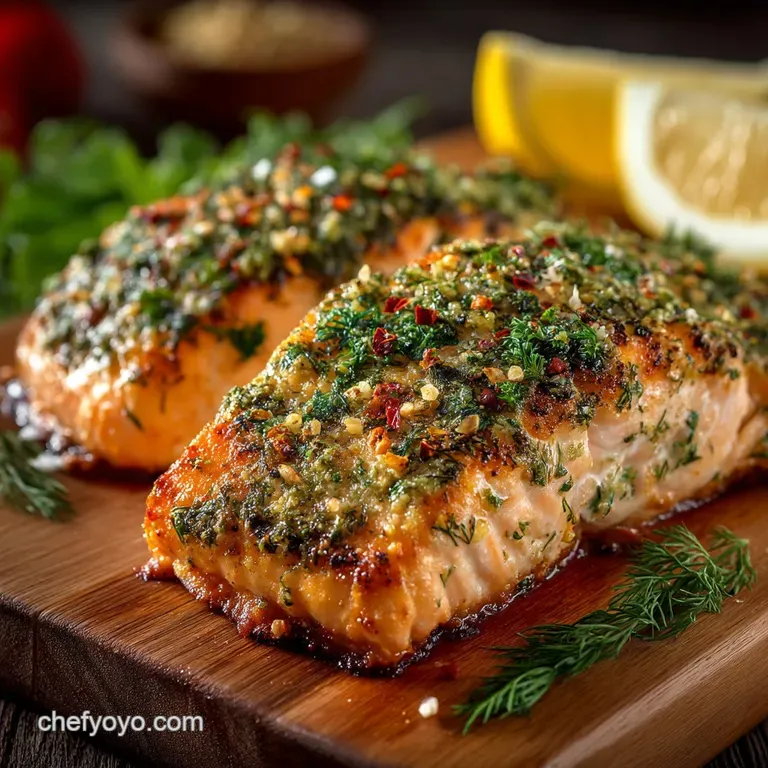
Before you even think about seasoning, ensure your fillets are properly prepared. If possible, take the salmon out of the refrigerator 15 to 20 minutes before baking; cooking fish that is too cold can lead to uneven results, where the exterior overcooks before the center is done.
Next,, and perhaps most importantly, pat the entire surface of the fish dry using kitchen paper. This technique removes excess surface moisture, allowing the olive oil and subsequent glaze to coat the fish properly, setting the stage for better texture.
The Freshness Check: Wild vs. Farmed and Optimal Thickness
Both farmed Atlantic salmon and wild varieties (like Sockeye or King) work splendidly for this recipe, though they behave slightly differently. Farmed salmon tends to have higher fat content, resulting in a richer flavour and a lower chance of drying out.
Wild varieties are leaner and boast a more complex flavour profile. This high heat method is also fantastic if you are working with thicker cuts, such as oven baked salmon steaks , which may require a minute or two of extra baking time.
Essential Aromatics and Glazes: Garlic, Dill, and Zest Ratio Guide
To craft our signature glaze, you will combine 3 tablespoons of melted unsalted butter (or olive oil for a dairy-free option) with 2 cloves of minced garlic and 2 tablespoons of finely chopped fresh dill.
The vital flavour component is the lemon: we use 1 teaspoon of zest for maximum aromatic impact, and 2 tablespoons of fresh juice to provide necessary acidity and moisture. Stir these components well until they form a fragrant, slightly emulsified mixture.
Mise en Place Mastery: Having Everything Ready Before the Oven Heats
Efficiency in the kitchen starts with organization. Before you mix your glaze, preheat your oven to 400°F (200°C / Gas Mark 6) and line your rimmed baking sheet tightly with foil or parchment paper this is the base of our effective Foil Salmon Oven technique for mess free cooking.
Once the oven is hot and the pan is lined, the preparation steps are swift: dry the fish, lightly oil the fillets with 1 tablespoon of olive oil, and season them generously with ½ teaspoon of salt and ¼ teaspoon of pepper.
Related Recipes Worth Trying
- Effortless Lemon Garlic Salmon Recipe A Quick Weeknight Winner — This easy baked salmon recipe uses a punchy lemon garlic marinade to deliver maximum flavour with minimal fuss Ready in under 30 minutes its a healthy...
- Cracking Good oven roasted Garlic Cabbage Steaks with Lemon Drizzle — Forget boiled cabbage These oven roasted Garlic Cabbage Steaks caramelise into nutty perfection They are healthy easy and a brilliant Keto Cabbage Steaks...
- HerbCrusted Oven Baked Lamb Chops Juicy Quick and Perfect Every Time — Learn the chefs secret for truly Juicy Lamb Chops This Oven Baked Lamb Chops recipe uses a quick sear for a deep crust and guarantees a perfectly tender...
Step-by-step Assembly: Crafting the Perfect Dill Butter Glaze
With your fish prepped and seasoned skin side down on the lined sheet, it’s time to apply the flavour. Ensure the butter used for the glaze is fully melted before stirring in the fresh aromatics (garlic and dill). The heat from the melted fat helps release the fragrance of the zest and garlic immediately.
The resulting mixture should be highly fragrant. A spoon or basting brush works perfectly to ensure the glaze is distributed evenly over the top surface of all four fillets.
Optimal Baking Temperature and Timings for Oven Baked Salmon
We utilize a robust temperature of 400°F (200°C) to achieve the oven baked salmon temperature and time balance necessary for tender results. Place the sheet pan into the preheated oven, ideally on the middle rack.
The total bake time will range between 12 and 15 minutes, depending entirely on the thickness of your fillets. Thinner cuts (under 1.5 inches thick) will hit the 12-minute mark, while thicker portions will require up to 15 minutes.
Lining the Pan: Ensuring Easy Cleanup and Moisture Retention
Using aluminum foil or parchment paper is crucial when baking. While we aren't sealing the salmon completely into a packet (as is sometimes done), lining the pan with foil prevents the glaze from sticking or burning onto the baking sheet.
It also allows you to gather up the flavorful pan juices easily after cooking, which can be drizzled over the finished dish, minimizing waste and maximizing moisture.
The Importance of the Flavor Seal: Applying the Glaze Evenly
The lemon dill-butter mixture serves as more than just flavour; it creates a fat barrier that protects the salmon proteins from drying out under the intense heat. Ensure that the glaze is applied entirely across the exposed surface of the fillet, creating a uniform "flavor seal." This is particularly important if you are utilizing oven baked salmon skin on , as the glaze protects the top while the skin shields the bottom.
The Internal Doneness Test: Using a Thermometer for Accuracy
The best way to guarantee you have the Best Oven Baked Salmon is to rely on science, not guesswork. The target internal temperature for moist, perfectly cooked fish is 145°F (63°C). Insert your instant read thermometer horizontally into the thickest part of the fillet.
Visually, the fish should flake easily with a fork and the interior should be opaque pink, not translucent. Pull the fish promptly once this temperature is reached.
Resting Ritual: Why Post Bake Wait Time is Non-Negotiable
Just like a steak, salmon benefits immensely from a brief rest. Once you remove the pan from the oven, let the fillets rest directly on the tray for 3 minutes.
This critical resting ritual allows the internal temperature to coast up slightly (carry over cooking) and, more importantly, permits the muscle fibres to relax and redistribute the internal juices, ensuring maximum tenderness and moisture retention.
Common Queries: Troubleshooting Dry or Unevenly Cooked Fish
If your salmon comes out dry, the culprit is almost always overcooking. The 12-to-15 minute window is precise; a mere two minutes too long can ruin the texture. The simplest way to fix this is to commit to using a thermometer.
Another common issue is uneven cooking, often caused by starting with fillets that are fridge cold or placing pieces too close together on the sheet pan, causing them to steam rather than bake. Always ensure space between the fillets.
Flavor Upgrades: Creative Customizations Beyond Lemon and Dill
While our lemon dill glaze is outstanding, the high heat baking technique allows for excellent customization. For a bold change, try a spicy Cajun flavour by skipping the glaze and simply coating the oil-rubbed fish in a store-bought blackening seasoning mix.
Alternatively, substitute the butter dill mixture for an Asian inspired glaze made of soy sauce, honey, fresh ginger, and a dash of sesame oil.
Dealing with Over Seasoning: Adjusting Acidity Post Bake
Accidents happen. If the lemon juice makes the dish too acidic or the salt level is too high, adjustments can be made after baking. If it’s too tart, a small dollop of plain Greek yogurt or crème fraîche on the side will neutralize the sharp acidity.
If it tastes slightly too salty, a fresh squeeze of lemon juice applied after resting can help balance the palate by enhancing the other flavours and distracting from the sodium.
Safe Storage and Reheating Guidelines for Leftover Baked Salmon
Leftover baked salmon should be stored in an airtight container and refrigerated within two hours of cooking, where it will remain safe and palatable for up to three days. When reheating, avoid high heat, which instantly dries out the fish.
Gently warm the salmon in a low oven (around 275°F/135°C) covered with foil until just warmed through, or use short, 30-second bursts in the microwave until serving temperature is achieved.
Pairing Perfection: Best Side Dishes for This Style of Oven Baked Salmon
The bright, zesty flavour of this salmon pairs beautifully with starchy and fresh green sides. Creamy risotto or crisp, herb roasted potatoes offer grounding textures. For vegetables, opt for lightly steamed asparagus or tenderstem broccoli, simply tossed with a drizzle of olive oil and a pinch of salt.
The goal is to select accompaniments that complement the salmon’s brightness without overwhelming it.
Nutritional Breakdown: The Health Benefits of Omega Rich Fish
Beyond its superior flavour, Oven Baked Salmon is a nutritional powerhouse. Each serving (approx. 6 oz) provides a massive dose of lean protein (around 40g) and is rich in Vitamin D and B vitamins.
Crucially, salmon is one of the best dietary sources of Omega-3 essential fatty acids (EPA and DHA), which are vital for brain and heart health. Choosing oven baked salmon skin on provides additional healthy fats and a boost to the total caloric content, landing each serving of this particular recipe between 380 and 420 calories.
Recipe FAQs
Help! How do I stop my Oven Baked Salmon from turning out dry and chalky?
The secret to perfectly moist salmon is all in the temperature overcooking is the villain here! We strongly recommend using an instant read thermometer and pulling the fish out of the oven the moment it hits 145°F (63°C) at its thickest point.
Furthermore, don’t skip the short 3-minute rest period; this allows the juices to redistribute, guaranteeing a flaky, succulent result rather than a chewy catastrophe.
I’ve got leftovers from my Oven Baked Salmon dinner; how long will the cooked fish keep in the fridge?
If stored correctly in an airtight container, the cooked salmon is perfectly fine in the fridge for 3 to 4 days, making it excellent for a quick lunch the next day. To reheat without drying it out, stick to low and slow methods try warming it gently in a frying pan on low heat or popping it into a preheated air fryer at 300°F (150°C) for a couple of minutes until just warm through.
I fancy making this again, but I'm not keen on dill. What's a good flavour substitute for this recipe?
No problem at all! Dill is lovely, but there are plenty of aromatic pals waiting in the wings. For a similar fresh flavour, try substituting the dill with finely chopped fresh chives or tarragon, which pairs beautifully with lemon.
If you're looking for a complete change, swap the glaze for a sweet and sticky Asian inspired mix of soy sauce, honey, and a pinch of ginger that’s a cracking variation!
Should I bother leaving the skin on the salmon when I bake it?
Absolutely, yes! Think of the skin as a handy protective layer; when you bake the salmon skin side down, it acts as a natural barrier between the heat of the tray and the delicate flesh. This helps keep the fillet super moist and makes it easier to handle when transferring to the serving plate.
If you’re not keen on eating the skin, you can simply slide the cooked fillet off it just before serving.
I only have frozen fillets in the freezer can I use those, or do they need to be fresh?
Frozen salmon works perfectly well, provided you tackle the thawing properly. You must fully thaw the fillets overnight in the fridge before starting the recipe; baking from frozen yields inconsistent and wet results.
Crucially, after thawing, remember to pat the fish thoroughly dry with kitchen paper before applying the oil and seasoning this step is essential for achieving a good texture.
Lemon Dill Oven Baked Salmon