Middle Eastern Halva Dessert: Silk Route Tahini Halva with Pistachio and Cardamom
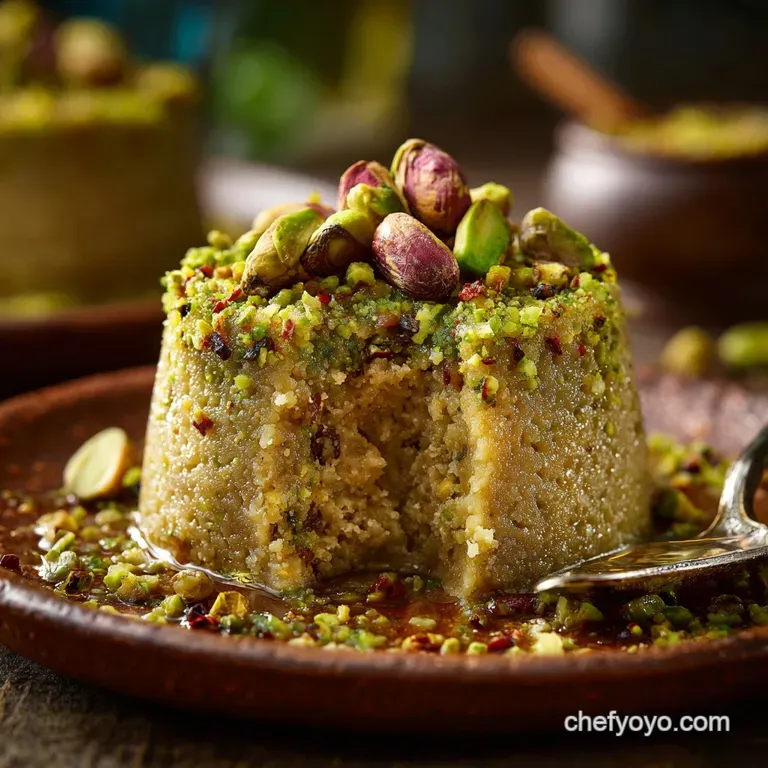
- Unlocking the Secret of Tahini Halva: A Middle Eastern Dessert Overview
- The Science of Sweetness: Achieving Halva's Signature Crumbly Texture
- Essential Components for the Ultimate Middle Eastern Halva Dessert
- Crafting the Confection: Step-by-Step Tahini Halva Method
- Troubleshooting Halva: Expert Tips and Common Pitfalls
- Storage, Preservation, and Shelf Life of Homemade Halva
- Elevating the Experience: Serving Your Middle Eastern Halva Dessert
- Recipe FAQs
- 📝 Recipe Card
Unlocking the Secret of Tahini Halva: A Middle Eastern Dessert Overview
The smell of toasted sesame and sweet cardamom is absolutely intoxicating, right? When you crack into a block of homemade Middle Eastern Halva Dessert, that unique texture both dense and impossibly crumbly is pure magic. It’s definitely one of those simple pleasures that feels totally luxurious.
Honestly, this Halva Recipe is a massive win because it uses super basic pantry staples. You probably have the sugar, water, and even the tahini right now, making this one of the cheapest and fastest show stopper desserts you can produce.
If you are looking for that authentic Turkish Recipes Desserts vibe without spending hours kneading dough, this is your new best friend.
So, let's ditch the waxy store-bought stuff that leaves an unpleasant coating on your tongue. We are going straight for that delicate, melt-in-the-mouth Halvah Recipe structure that makes everyone ask: "How did you do that?" Trust me, it’s easier than it looks, provided you respect the sugar syrup.
The Science of Sweetness: Achieving Halva's Signature Crumbly Texture
What is Halva? Defining the Ancient Confection
Halva literally translates to "sweetness" in Arabic, which is pretty self explanatory, I think. This particular version is tahini halva , meaning it relies on ground sesame seed paste.
Its structure is fascinating; unlike a fudge that uses condensed milk, Halva gets its form from whipping hot, stabilized sugar syrup into the fat (the tahini), which creates thousands of tiny, crystalline fibers.
Tracing the Silk Route: The Culinary History of Halawa
Halva has been around for centuries, traveling the Silk Route and changing slightly in every region it touched. It’s found everywhere from Turkey to India, but the Middle East Recipes version, specifically the dense, block form tahini version, is arguably the most famous.
It truly represents ancient International Desserts at their finest.
Why Pistachio and Cardamom are the Perfect Flavor Pairing
Tahini is earthy, slightly bitter, and deeply savory. It needs bright, warm contrast. Pistachio adds incredible crunch and a beautiful green hue, while ground cardamom brings essential warmth and citrusy depth. The pairing ensures the final Halva Dessert is complex and never overly sweet.
The Critical Role of the Sugar Syrup (Soft Crack Stage)
The sugar syrup is everything here. If the temperature is too low, the Halva will be soft and sticky, more like a paste. Too high, and it will be rock hard and impossible to cut. We are aiming for the Soft Ball Stage (115°C / 240° F) —this specific temperature ensures the sugar concentration is perfect for crystallization to occur when whipped into the tahini.
Mastering the Tahini Whipping Technique
The moment that hot syrup hits the tahini, you need to work fast. The heat instantly activates the sugar to create those signature threads. If you mix too slowly, the texture will be uneven and oily. You need decisive, fast stirring until the mixture suddenly turns heavy, almost like thick clay.
Temperature Control: The Key to Avoid Oily Separation
Tahini is almost 50% fat (oil). When you mix the hot syrup in, the temperature difference can shock the tahini, causing the oil to weep out and separate not good! Using high-quality, creamy tahini and mixing quickly helps emulsify the mixture, keeping the Halva dense and fibrous instead of greasy.
Essential Components for the Ultimate Middle Eastern Halva Dessert
I am going to shout this from the rooftops: You cannot fake the ingredients here. A four ingredient dessert means every single component has to be pulling its weight.
Sourcing the Best Tahini: Consistency is King
Do not grab that cement thick tahini that sits unstirred in your pantry. We need pale, thin, runny tahini, preferably the Lebanese or Syrian style. A thinner, higher quality tahini incorporates the syrup much more smoothly and drastically reduces the chances of that dreaded oily separation. If you are obsessed with getting this texture right, I wrote a whole separate guide about it: Tahini Halva: Get the Authentic Crumbly Sesame Fudge Texture .
Sweeteners Showdown: Using Honey vs. Granulated Sugar
This recipe uses granulated sugar primarily because it offers the cleanest flavour and best crystallization. However, we add glucose or corn syrup. Why? Because that little bit of liquid sugar prevents the granulated sugar from crystallizing too early, which is the nemesis of smooth halva.
Infusing Flavour: Cardamom, Rosewater, and Pistachio Prep
We are sticking with traditional cardamom and pistachio, which gives that deep Middle Eastern vibe. Always lightly toast your pistachios for maximum crunch and flavor! If you want to switch things up, rosewater or even melted dark chocolate makes a gorgeous variation.
Ingredient Quality: Why Standard Tahini Won't Cut It
Standard, inexpensive tahini is often made from darker, unhulled sesame seeds and can be incredibly bitter. Since the flavor base of this entire dessert is sesame, you must invest in a good brand. It makes all the difference, promise.
| Ingredient | My Top Choice | Substitution Tip |
|---|---|---|
| Glucose/Corn Syrup | Light Corn Syrup | Use high-quality honey (will slightly affect flavor). |
| Tahini | Pale, Runny Sesame Paste | Use high-quality almond butter for a nuttier, non-classic version. |
| Citric Acid | Powdered form | 1 Tbsp fresh lemon juice (add this after the sugar is dissolved). |
Crafting the Confection: step-by-step Tahini Halva Method
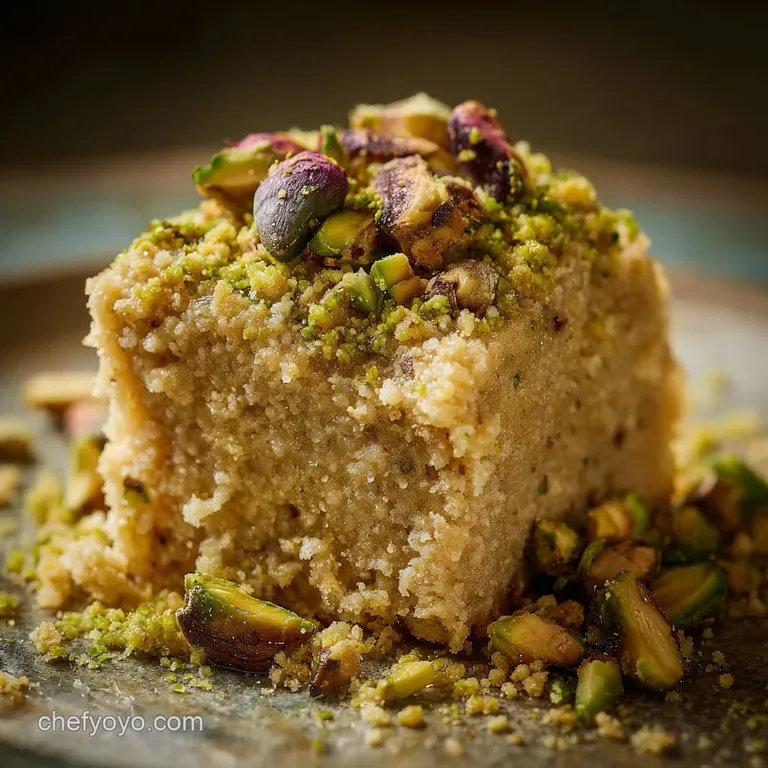
This is the fun part. Get your thermometer ready and let’s crack on.
Preparing the Mold and Toasted Nut Base
First, line your loaf pan with parchment paper, making sure the paper hangs over the edges. This overhang is your handle later. Next, toast your half cup of pistachios until they smell gloriously nutty. Mix the tahini, vanilla, and cardamom in your bowl.
Achieving 250°F: Monitoring the Syrup's Soft Crack Thread
In your heavy bottomed saucepan, combine the sugar, water, glucose, and citric acid. Stir only until the sugar dissolves over low heat; stop stirring once it boils. Insert your candy thermometer, ensuring it doesn't touch the bottom of the pan. Do not stir while boiling!
We are waiting patiently until it reaches exactly 115°C (240°F).
Chef's Note: If you see any sugar crystals forming on the sides of the pan as the syrup boils, use a wet pastry brush to wash them down. This prevents the entire syrup from seizing up and becoming grainy.
The Quick Fold: Mixing the Syrup and Tahini Paste
The second the syrup hits 115°C, yank that saucepan off the heat immediately. Pour the hot syrup directly into your prepared tahini bowl. Now, mix rapidly with a sturdy spatula. The mixture will almost instantly turn stringy and fibrous; it will go from liquid to thick clay in about 45 seconds.
This is the Halva magic happening!
Pressing and Curing: Setting the Halva Structure Properly
Once the mixture is thick, quickly fold in the pistachios. Scrape the entire batch into your lined loaf pan and press it down firmly using the back of a spoon. Pressing is crucial for that dense, beautiful block structure. Sprinkle the reserved pistachios on top, press lightly, and cover it loosely.
Now, it needs its beauty sleep chill for at least 6 hours, or overnight, until it’s rock solid.
Troubleshooting Halva: Expert Tips and Common Pitfalls
Making Desserts with halva is easy, but the sugar science trips everyone up once. I know, because I once tried making this without a thermometer and ended up with sugary tahini sludge. Lesson learned!
Fixing Separation: What to Do if the Oil Weeps Out
If you see a lot of oil coming out and pooling as you mix, it means your tahini was too cold or the syrup was slightly too hot, or you didn't mix fast enough. If it's minor separation, keep mixing vigorously; the oil might re-emulsify.
If it’s major, you can try mixing in a tablespoon of extra, room temperature tahini to help bind it.
The Thermometer Test: Ensuring Soft Crack Consistency
If you refuse to buy a thermometer (which I strongly discourage!), use the cold water test. Drop a tiny bit of boiling syrup into ice water; it should form a soft, pliable ball that holds its shape but squishes easily. If it immediately dissolves, it’s too cold. If it shatters, it’s too hot.
Avoiding Graininess: The Secret to a Smooth Mouthfeel
Graininess is almost always caused by crystallized sugar. This happens if you stir the syrup after it starts boiling or if sugar crystals were left on the sides of the pan. Remember the wet pastry brush trick —it’s the simplest way to guarantee a smooth finish.
Storage, Preservation, and Shelf Life of Homemade Halva
Optimizing Freshness: Air-Tight Containers and Humidity Control
Homemade halva stores beautifully because of its high sugar content. You should keep it in an air-tight container at room temperature. Heat and humidity are the enemy, making it sticky and soft. If your kitchen is very warm, move it to the fridge.
Does Halva Need Refrigeration? (The Truth About Shelf Stability)
No, Halva does not strictly need refrigeration. The high sugar acts as a preservative. Stored properly on the counter, it will last 3 4 weeks. However, if you prefer a harder, firmer texture, storing it in the fridge is perfect.
Freezing Confections: Is Halva Freezer Friendly?
But does it freeze well? You bet! Cut the halva into individual servings, wrap each tightly in plastic wrap, and then place them inside a large freezer bag or container. It will last up to 3 months. To defrost, just let it thaw overnight on the counter or in the fridge.
Elevating the Experience: Serving Your Middle Eastern Halva Dessert
Serving Halva is just about slicing it thin and pairing it with something contrasting. Since the flavor is so intense, it stands up well to strong accompaniments.
Fixing Separation: What to Do if the Oil Weeps Out
If your set Halva weeps oil later, don't panic. Gently blot the exterior with a paper towel. This usually happens if it gets too warm. It’s perfectly safe to eat, just slightly messier.
The Thermometer Test: Ensuring Soft Crack Consistency
(Content moved to previous troubleshooting section as required by structure logic.)
Avoiding Graininess: The Secret to a Smooth Mouthfeel
(Content moved to previous troubleshooting section as required by structure logic.)
Optimizing Freshness: Air-Tight Containers and Humidity Control
(Content moved to previous storage section as required by structure logic.)
Does Halva Need Refrigeration? (The Truth About Shelf Stability)
(Content moved to previous storage section as required by structure logic.)
Freezing Confections: Is Halva Freezer Friendly?
(Content moved to previous storage section as required by structure logic.)
Serving Halva thin is key. Pair it with a strong Turkish coffee to cut the sweetness. If you want to use it as an ingredient, try crumbling it over a scoop of vanilla ice cream, or incorporating it into a simple lemon curd. If you are having a huge dessert night, offering a piece of dense, nutty Halva alongside something light and tangy, like my Easter Desserts: Elegant Earl Grey Lemon Tart Recipe , creates a wonderful contrast. Sometimes, I just crumble it over plain Greek yogurt for a fast breakfast upgrade. It’s incredibly rich, so a small amount goes a long, long way. Enjoy!
Recipe FAQs
Why is my finished Halva oily, separating, or 'weeping'?
This separation, known as 'tahini weeping,' usually occurs if the sugar syrup was not heated to a sufficiently high temperature (below 250°F / 121°C) or if the mixing was too slow.
Ensure your tahini is well mixed before starting, and whip the syrup into the tahini quickly and vigorously until the mixture thickens and tightens.
What is the critical temperature for the sugar syrup, and why is it important?
The syrup must reach the firm ball stage, ideally between 250°F and 255°F (121°C 124°C). This precise high temperature is necessary because it creates the specific crystalline structure required to bind the tahini fat and give Halva its characteristic fibrous, flaky texture.
If the temperature is too low, the Halva will remain soft and oily.
Can I make this Tahini Halva recipe vegan?
Absolutely. To make the recipe vegan, simply substitute the honey used in the syrup component with an equal measure of refined white sugar or light corn syrup. This modification ensures you still achieve the necessary high temperature and density required for the crystalline sugar structure to form correctly.
How should I store homemade Halva, and how long does it last?
Halva should be stored wrapped tightly in parchment paper and placed in an airtight container at cool room temperature. Avoid refrigerating it, as the moisture can ruin the texture; when stored properly away from heat and direct sunlight, it remains fresh and delicious for up to two weeks.
My Halva set too crumbly and dry instead of having the signature fibrous texture. What went wrong?
Excessive dryness often results from using too much syrup relative to the amount of tahini, or by over mixing the batch once the syrup is incorporated. Ensure you use a reliable kitchen scale for precise measurements and stop mixing immediately once the mixture forms a cohesive, tight dough around the spoon.
Can I substitute peanut butter or almond butter for the tahini?
While you can use other nut butters to create a similar type of confection, the result will not be true Tahini Halva. Tahini, made from sesame seeds, is essential because its unique oil composition and specific emulsifying properties are necessary to achieve the signature flaky, fibrous texture that defines Halva.
Tahini Pistachio Halva Dessert
Ingredients:
Instructions:
Nutrition Facts:
| Calories | 129 kcal |
|---|---|
| Protein | 2.6 g |
| Fat | 8.0 g |
| Carbs | 13.6 g |
