Tomato Gnocchi with Brown Butter and Crispy Sage
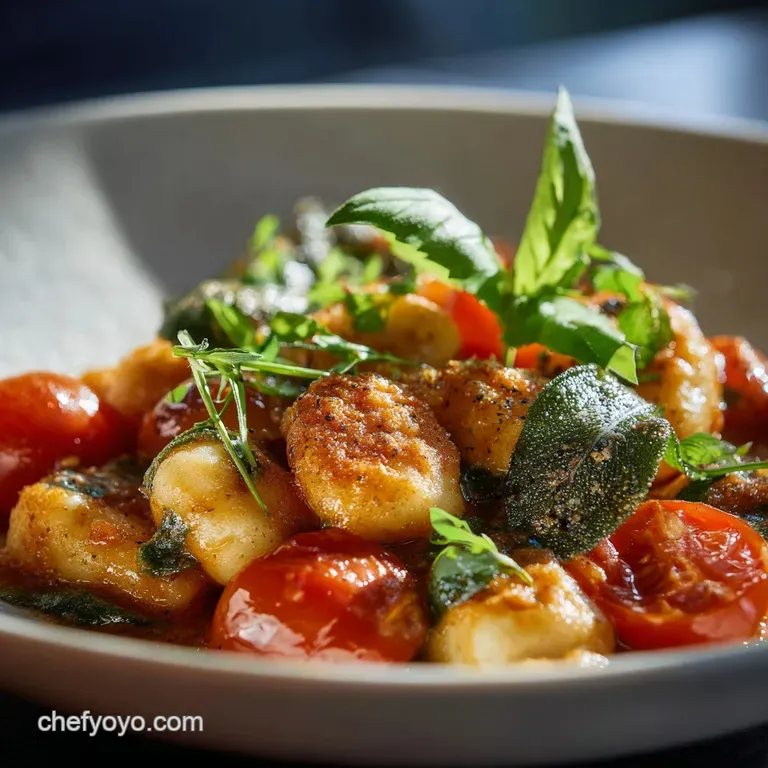
- The Secret to Pillowy Roasted Tomato Gnocchi
- The Science Behind Perfect, Tender Gnocchi Dough
- Essential Ingredients for Tomato Gnocchi and Smart Swaps
- Mastering the Method: Step-by-Step Tomato Gnocchi Creation
- Troubleshooting Your Gnocchi: Expert Tips and Common Pitfalls
- How to Store and Freeze Fresh Tomato Gnocchi for Later
- The Perfect Finish: Serving and Pairing Your Tomato Gnocchi
- Recipe FAQs
- 📝 Recipe Card
The Secret to Pillowy Roasted Tomato Gnocchi
Oh my goodness, friend, you absolutely must try this. Imagine walking into your kitchen and being hit by that warm, nutty aroma of browned butter and crispy sage, followed by the sight of tiny, rosy dumplings swimming in the glorious stuff.
The gnocchi itself isn't dense or chewy, but impossibly light, literally melting when it hits your tongue. It’s pure comfort, elevated.
Making homemade pasta or dumplings often sounds like a weekend project for a masochist, but I swear, making this tomato gnocchi recipe is far less complicated than you think. Once the potatoes are cooked and dry, the rest of the process is quick, quiet, and deeply satisfying.
This recipe is fast, cheap, and transforms basic ingredients into something that feels worthy of a five star Italian restaurant. It’s my go-to when I need serious carb therapy but only have an hour.
Today, we are moving beyond basic potato gnocchi and giving the dough a stunning colour and deep, savoury flavour boost using double concentrated tomato paste. This little addition changes the whole game.
Trust me, once you master the technique of minimum flour and maximum tenderness, you’ll be whipping up homemade tomato gnocchi all the time. Let’s crack on with the dough mechanics.
The Science Behind Perfect, Tender Gnocchi Dough
Moving Beyond Standard Potato Dumplings
The most common mistake people make when thinking about gnocchi recipes is focusing too much on the potato itself and not enough on the binder. But what really sets this recipe apart is infusing that classic potato base with a powerful umami punch.
Incorporating reduced tomato paste gives the dumplings a subtle sweetness, a beautiful rosy hue, and a richness that cuts through the fat of the butter sauce perfectly. This is how you make easy gnocchi with tomato sauce —by baking the sauce right into the dough.
A Quick Look at the Brown Butter Sauce
We are keeping the sauce simple because the homemade tomato gnocchi needs to be the star. Brown butter, or beurre noisette , offers an unparalleled depth of flavour; it’s nutty, deep, and slightly sweet.
Pairing that richness with fresh sage gives us a gorgeous aromatic contrast that feels incredibly sophisticated.
What Makes Reduced Tomato Paste the Key Ingredient?
You might wonder why we don’t use fresh roasted tomatoes here, right? Well, fresh tomatoes are packed with water, and water is the enemy of light gnocchi dough. We need the intense, dehydrated flavour bomb found only in quality, double concentrated tomato paste.
Using paste means we get maximum flavour with zero added moisture.
Managing Moisture: Why We Use Reduced Tomato Paste
This is the non-negotiable step: You must cook the potatoes until they are dry, dry, dry. I always bake mine and then use a ricer immediately while they are piping hot, which allows the steam to escape quickly. If you boil them, they absorb water, requiring you to dump in piles of extra flour later.
Remember, the less flour you add, the lighter and more "pillowy" your dumplings will be.
The Importance of the Light Flour Bind
I once tried to knead gnocchi dough like I would bread dough, and the result was inedible, rubbery bullets. Do not knead your gnocchi. We are folding the ingredients together gently using a bench scraper until they just barely hold hands.
Over mixing develops gluten, and developed gluten makes tough dumplings.
Potato Variety Matters: Starchy vs. Waxy
When making gnocchi, you need a high starch potato like a Russet, Idaho, or the UK’s Maris Piper. These varieties fall apart beautifully when cooked and are naturally lower in moisture than waxy potatoes (like new potatoes or reds). Starchy potatoes absorb less flour, which is the magic key to true tenderness.
Essential Ingredients for Tomato Gnocchi and Smart Swaps
I believe in using the best ingredients you can afford, especially since there are so few components in this simple dish. We are going for quality, not quantity!
Key Components for the Gnocchi Dough
We also include a small amount of ricotta, which acts as a gentle binder and keeps the dough tender, preventing it from drying out too much. A pinch of freshly grated nutmeg is also essential; don't skip that little aromatic boost!
| Ingredient | Why We Use It | Smart Substitution |
|---|---|---|
| Russet/Maris Piper Potatoes | High starch, low moisture. | Any dry, baking potato (Yukon Golds work in a pinch). |
| Ricotta Cheese (Whole Milk) | Adds richness and tenderness. | 1 Tbsp of good quality olive oil or mashed, cooked butternut squash puree. |
| Double Concentrated Tomato Paste | Intense flavour, no extra water. | Can be omitted for plain gnocchi, or substitute with 1 Tbsp of sun-dried tomato paste. |
| All-Purpose Flour | Minimal binding agent. | Substitute with Tipo 00 flour for even finer, softer results. |
Ingredients for the Nutty Sage Brown Butter Sauce
This sauce is ridiculously easy and relies solely on the quality of your butter and the freshness of the sage.
- Unsalted Butter: Go for a good, high fat European style butter if you can. It browns beautifully.
- Fresh Sage Leaves: Essential for that fragrant, crispy texture.
- Parmesan Reggiano: Always grate it fresh. The pre-shredded stuff will make your sauce grainy.
Flour Choices: All-Purpose vs. Tipo 00
While standard All-Purpose flour works perfectly well for this homemade tomato gnocchi , if you want to geek out, grab some Tipo 00 flour. It has a finer consistency and lower protein content than AP flour, which makes for an incredibly smooth and silky dumpling.
Honestly, just use what you have, but remember that the less you use, the better the final texture.
Mastering the Method: step-by-step Tomato Gnocchi Creation
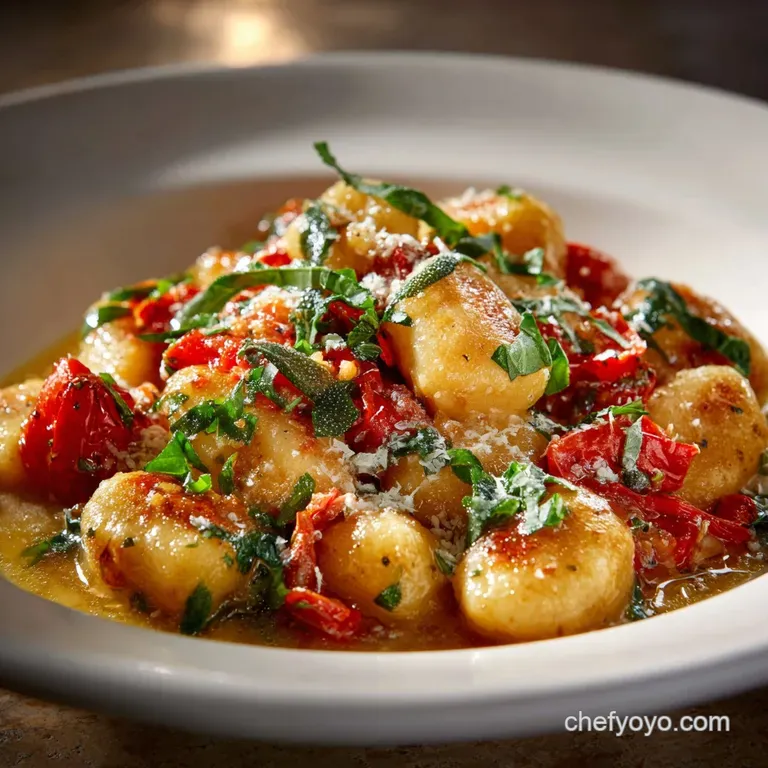
Preparing the Potato and Tomato Base
- Roast the Potatoes Dry: Preheat your oven to 400°F (200°C). Prick the potatoes all over and bake them directly on the rack until they are fork tender about 45– 60 minutes.
- Rice Immediately: Slice the hot potatoes in half lengthwise and scoop the flesh directly into a potato ricer. Press the flesh out onto a clean, lightly floured work surface. Crucially, spread the riced potato thinly and let it cool for 5 to 10 minutes to finish steaming and drying out.
- Mix the Wet Ingredients: In a small bowl, whisk the egg yolk, ricotta, tomato paste, salt, and nutmeg until uniform.
- Combine Gently: Form a shallow well in the center of the riced potato mountain. Pour the wet mix into the well, then sprinkle about 2/3 of your flour over the top.
Chef's Note: Use a bench scraper to chop and fold the mixture inward, incorporating everything without actual kneading. Your hands should barely touch the dough. Stop the moment it forms a cohesive, soft, slightly tacky ball.
Kneading and Shaping the Gnocchi Ropes
- Rest and Divide: Let the resulting soft dough rest for five minutes. Divide it into four manageable pieces.
- Roll the Ropes: On a lightly floured surface (semolina flour is great for this if you have it), gently roll one section of dough into a smooth rope about 1/2 inch (1.5 cm) thick. Don't press hard, just gentle rolling.
- Cut the Dumplings: Use your bench scraper or a sharp knife to cut the rope into small 3/4 inch (2 cm) pillows.
The Secret to Rolling and Cutting Perfect Dumplings
You can leave the gnocchi smooth, but creating ridges helps hold the sauce! Gently press each piece lightly over the tines of a fork or a dedicated gnocchi board, rolling it away from you. Place the finished gnocchi on a separate, well floured tray, ensuring they do not touch each other.
If they touch, they will stick and rip when you try to boil them.
Cooking Until They Float: The Boiling Technique
- The Boil: Bring a large pot of heavily salted water to a rolling boil. Drop the gnocchi in gently, working in batches so the water never stops boiling.
- Float Test: Cook for 2– 4 minutes. The gnocchi are done when they float to the surface. Allow them to float for an extra 30 seconds for perfect tenderness, then immediately scoop them out using a slotted spoon, reserving a ladleful of the cooking water.
Troubleshooting Your Gnocchi: Expert Tips and Common Pitfalls
Why Your Gnocchi Dough is Too Sticky
The dough should feel slightly tacky, but not so sticky that it glues itself to your hands. The number one culprit is usually wet potatoes. Did you boil them? Did you rice them cold? If you followed the baking and hot ricing steps, try dusting the surface with just a pinch more flour, folding it in gently.
Never add flour directly to the centre of the dough mass.
Fixing Gnocchi That Falls Apart While Boiling
If your first test piece completely dissolves in the boiling water, it means your dough lacks binder (flour or egg). Take the remaining dough, flatten it slightly, sprinkle a teaspoon of flour over the top, and fold it in very gently.
It might make the final result slightly denser, but it will save the batch.
Ensuring the Dough is Properly Seasoned
Dough needs salt! We are using simple ingredients, so every component must sing. We added salt to the dough mixture, but also ensure your boiling water is as salty as the sea. This is the last chance to season the interior of the gnocchi.
How to Store and Freeze Fresh Tomato Gnocchi for Later
Gnocchi is the perfect make-ahead component. Seriously, Homemade Tomato Gnocchi freezes beautifully, so double the batch if you have time.
Flash Freezing Uncooked Gnocchi on a Tray
Lay the freshly cut, uncooked gnocchi on a baking sheet lined with parchment paper, again ensuring none of the pieces touch. Place the tray in the freezer for about two hours until the pieces are rock solid. Once frozen, you can transfer them to a freezer bag or airtight container. They will last three months easily.
Best Practices for Reheating Frozen Gnocchi
Do not thaw frozen gnocchi; they will stick together into a messy blob. Cook them directly from frozen. Drop them into salted boiling water. They will take slightly longer than fresh gnocchi (5– 7 minutes), but they are ready when they float to the surface.
The Perfect Finish: Serving and Pairing Your Tomato Gnocchi
Once your gnocchi are cooked and drained, it’s time to make that magic brown butter sauce.
- Brown the Butter: Melt the 4 tablespoons of butter in a large sauté pan over medium heat. Add the sage leaves. The butter will foam, then turn quiet, then start browning. Wait until you see little brown bits (the milk solids) forming at the bottom, and you smell a deep, nutty aroma.
- Sauté and Finish: Remove the crispy sage leaves and set them aside. Toss the warm gnocchi directly into the butter. Add the reserved pasta water (this is starchy gold!) and the Parmesan. Toss quickly until the sauce thickens and emulsifies, creating a light, silky coating.
- Serve: Plate immediately, grating fresh Parmesan over the top and crumbling those crispy sage leaves for garnish.
If you aren't feeling the brown butter, this tomato infused gnocchi is also glorious tossed simply with a bit of olive oil, fresh basil, and some torn burrata that's the tomato gnocchi burrata dream right there. For a truly quick weeknight dinner, you could also pair this dough with my Garlic Shrimp in Coconut Milk and Tomatoes Creamy 30 Minute Dinner for a rich, savoury main course.
Perfect Wine Pairings for Brown Butter Sauce
Since the sauce is rich and earthy, you need something slightly acidic and bright to cut through the fat. Look for a crisp, light Italian Rosé or a youthful, lightly chilled Chianti Classico. That acidity will make every bite of the gnocchi with tomato sauce feel lighter.
Serving Suggestions
Because the gnocchi is quite rich, I often serve it alongside a crisp, fresh side dish. It is perfect with a light starter salad, like my Cucumber tomato and Avocado Salad: Crisp, Vibrant, Ready in 15 Mins , which offers a lovely cool contrast to the warm, nutty dumplings. Alternatively, if you're looking for a slightly different tomato dish to serve alongside, my recipe for Sheet Pan Feta with Broccolini Tomato and Chickpea: Creamy, Quick Dinner makes for a fantastic pairing.
Recipe FAQs
My gnocchi dough is extremely sticky and hard to handle. What went wrong?
Gnocchi dough is highly sensitive to moisture; excess stickiness usually means too much tomato moisture or insufficient flour/potato base. Avoid adding too much flour, which makes them dense; instead, dust your workspace lightly and handle the dough quickly and gently, minimizing kneading time.
If the dough is still unusable, chill it briefly (15 minutes) to help stabilize the starches and make rolling easier.
Can I use fresh, pureed tomatoes instead of concentrated paste or roasted tomatoes?
No, fresh tomatoes contain too much water, which would necessitate adding excessive flour, resulting in very dense, heavy gnocchi. The recipe relies on concentrated tomato paste (or roasted, reduced tomato pulp) to deliver intense flavor and color without compromising the delicate, pillowy texture of the dough.
Always ensure your tomato addition is as reduced and dry as possible.
How should I store or freeze leftover fresh gnocchi?
To freeze, arrange the uncooked gnocchi in a single layer on a parchment lined baking sheet and freeze until solid (about 2 hours). Once frozen, transfer them to an airtight container or freezer bag for up to two months.
When ready to cook, boil them directly from frozen, adding an extra minute or two to the cooking time.
How do I know when the gnocchi is perfectly cooked?
Gnocchi cooks very quickly; when first dropped into salted boiling water, they will sink to the bottom. They are fully cooked the moment they float back up to the surface, which typically takes only 2 to 4 minutes.
Immediately remove them with a slotted spoon once they float, as overcooking causes them to become disappointingly rubbery.
Can this recipe be adapted to be completely vegan?
Yes, the main gnocchi dough is often naturally vegan, provided you omit any egg typically used as a binder and ensure the flour is vegan friendly. However, you must replace the brown butter sauce with a suitable plant based alternative, such as a high-quality olive oil infused with garlic and fresh basil, or a light vegan cashew cream sauce.
My brown butter sauce separated and looks gritty instead of nutty and smooth. Why?
This separation usually happens if the heat is too high or the pan wasn't continuously swirled, causing the milk solids to scorch rather than toast evenly. Ensure the heat is medium low, and keep swirling the pan as the milk solids turn golden brown and begin to smell nutty, then immediately remove it from the heat once the solids achieve an amber color to stop the cooking process.
What are some good alternative sauces for Tomato Gnocchi if I don't want brown butter?
Tomato gnocchi pairs wonderfully with light, fresh sauces that won't overpower the dumpling's intrinsic flavor. Excellent alternatives include a classic simple Pesto, a creamy Mascarpone sauce, or a quick, fresh sauté of raw cherry tomatoes, basil, and a touch of chili flakes.
The inherent tomato flavor means it also works well just tossed with good olive oil and Parmesan.
Tomato Gnocchi With Brown Butter Sage
Ingredients:
Instructions:
Nutrition Facts:
| Calories | 750 kcal |
|---|---|
| Protein | 23.7 g |
| Fat | 9.9 g |
| Carbs | 122.0 g |
