The Quintessential German Chocolate Cake: Layered and Cracking Good
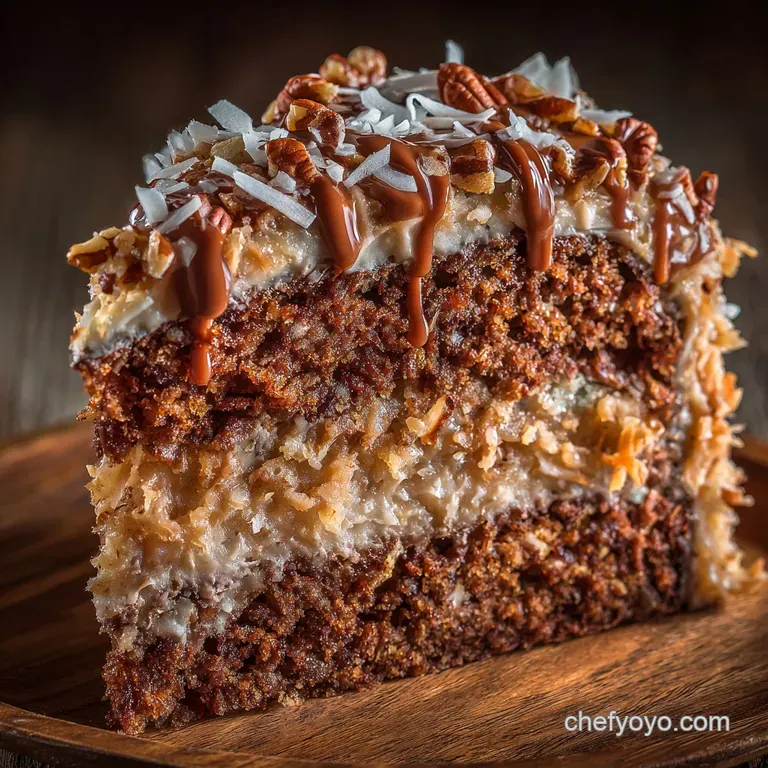
- The Quintessential German Chocolate Cake Recipe: Rich Layers and Cooked Frosting
- The Science Behind the Perfect German Chocolate Cake
- All the Components: Ingredients List and Essential Substitutions
- Step-by-Step Guide: Baking and Assembling the Layered Cake
- Expert Tips for Mastering Your German Chocolate Cake
- How to Store German Chocolate Cake Layers and Leftovers
- Perfect Pairings: What to Serve Alongside Your Rich Dessert
- Recipe FAQs
- 📝 Recipe Card
The Quintessential German Chocolate Cake Recipe: Rich Layers and Cooked Frosting
That deep, bittersweet chocolate smell, rich and almost earthy, hits you first. Then comes the sticky, toasted aroma of coconut and pecans simmering in a buttery caramel. This is not just a cake; it’s an experience in texture a tender, moist crumb giving way to an outrageously gooey, cooked filling.
Seriously, if you close your eyes, you can almost feel the decadence.
Look, making a layer cake sounds like a weekend long project, but I promise this recipe is surprisingly straightforward. We aren't dealing with fussy Swiss meringue or complex pastry creams here. The magic comes from simple, standard pantry ingredients combined in a clever way.
Plus, the stovetop frosting, which is the star of the show, comes together quickly once you nail the temperature.
Forget those dry, imitation versions you find at the grocery store. We are going for the gold standard, the classic German Chocolate Cake that will make everyone ask for the recipe. Trust me on this: mastering this one cake is better than knowing a dozen mediocre ones.
Let's talk about the tricks that make this version absolutely perfect.
The Science Behind the Perfect German Chocolate Cake
What Makes This Cake American, Not German?
Here’s a fun piece of baking trivia to impress your friends: this cake has absolutely nothing to do with Germany the country. It’s named after Sam German, an American baker who, back in 1852, developed a brand of dark baking chocolate for Baker’s Chocolate Company.
So, when people ask, you can tell them it’s a classic American sweet born from a specialized formulation of baking chocolate. It’s brilliant.
The Defining Feature: Pecan Coconut Caramel Frosting Structure
This isn't a powdered sugar buttercream, thank goodness. The traditional frosting is actually a custard base, cooked on the stovetop using evaporated milk and egg yolks. That cooking stage is non-negotiable because it creates the specific sticky, gooey, caramel like structure that holds the pecans and coconut together.
It sets up beautifully without becoming rock hard or sliding off the cake.
Quick Glance: Recipe Difficulty and Prep Time Estimates
This recipe is comfortably categorized as medium difficulty. The cake layers themselves are incredibly forgiving and mix up quickly. The only slightly tricky part is cooking the frosting, which demands about fifteen minutes of constant, focused stirring.
Plan for at least two hours of cooling time, too; cold cake layers are happy cake layers.
Balancing Bitterness: Cocoa vs. Melted Chocolate for Depth of Flavor
I use a mix of cocoa powder and the intensity gained from pouring hot coffee into the batter. Cocoa powder provides a darker, more defined chocolate flavor than melted baking chocolate in this context. If you want a truly dark, bittersweet cake that reminds you of something like my Dark Chocolate Peppermint Bark: Get the Perfect Glossy Snap , rely on the cocoa to do the heavy lifting. The coffee simply amplifies the cocoa flavor without contributing any coffee taste.
Achieving the Cracking Layer: Mastering the Stovetop Frosting
The key to that gorgeous, thick, spoonable German chocolate cake frosting is cooking the custard until it coats the back of a spoon. You are essentially creating a stovetop caramel base where the evaporated milk provides a unique richness and thickness.
If you rush it, the frosting will be too runny; if you cook it too high, the egg yolks will scramble, and that's a sad day in the kitchen.
Why Buttermilk Creates a Moister and Tender Cake Sponge
Buttermilk is your secret weapon in baking. It reacts with the baking soda to give you maximum lift, making the cake light and airy despite its richness. More importantly, the acidity in buttermilk breaks down the gluten strands just enough, ensuring a tender, unbelievably moist crumb that pairs perfectly with the sticky frosting.
All the Components: Ingredients List and Essential Substitutions
Baking is chemistry, but sometimes you have to improvise. Here is the full list of what you need, along with my go-to substitutions if you’re caught short.
For the Deep Chocolate Layers: Quality Cocoa Powder and Buttermilk Notes
Always use good quality, unsweetened natural cocoa powder here; I prefer natural over Dutch process for this specific recipe due to its better reaction with baking soda. Remember, the hot coffee is crucial, so don't skip it!
| Ingredient | Substitute | Why it Works |
|---|---|---|
| Buttermilk | Whole Milk + 1 Tbsp White Vinegar | The vinegar curdles the milk slightly, replicating the acidity needed for leavening. |
| All-Purpose Flour | gluten-free All-Purpose Blend | Use a blend that contains xanthan gum for structure. |
| Granulated Sugar | Caster Sugar (finer crystals) | This dissolves more easily into the butter, resulting in a slightly finer crumb. |
Building the Signature Frosting: Coconut Flakes, Evaporated Milk, and Pecans
The coconut pecan filling is all about texture and richness. Make sure you use evaporated milk, not sweetened condensed milk, or your frosting will be sickly sweet and far too thick.
| Ingredient | Substitute | Why it Works |
|---|---|---|
| Evaporated Milk | Heavy Cream or Half and Half | Texture will be softer, but the richness will remain. |
| Pecans | Walnuts or Hazelnuts | They offer a similar oily, crunchy texture and nutty flavor. |
| Egg Yolks | Whole eggs (increase by 2) | Using whole eggs in the custard is less traditional, but they still provide enough emulsification and thickening power. |
Baking Measurements: Weight vs. Volume for Accuracy
I’m going to shout this from the rooftops: Weighing your ingredients, especially flour, is the fastest way to succeed. Volume measurements (cups) can fluctuate wildly based on how you scoop. Investing in a cheap kitchen scale will instantly improve your baking results.
Ingredient Prep: Toasting Pecans and Tempering Wet Ingredients
Please, for the love of all that is delicious, lightly toast your pecans! Five minutes in a dry pan until they smell fragrant is all it takes. This simple step vastly improves the crunch and eliminates that raw, slightly dull flavor. Also, make sure your eggs and buttermilk are at room temperature before mixing.
step-by-step Guide: Baking and Assembling the Layered Cake
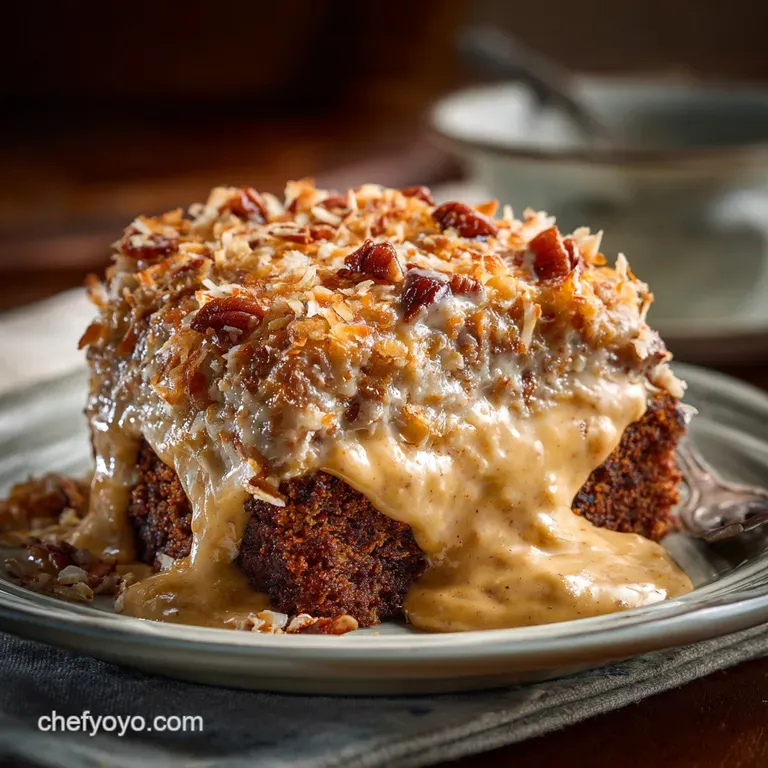
Phase 1: Mixing the Batter and Achieving Ideal Cake Pans
- Prep the Pans: Preheat your oven to 350°F (175°C). Grease three 9 inch round pans, line the bottoms with parchment paper, and lightly flour the sides. This ensures an easy release.
- Dry Ingredients: Whisk or sift the flour, cocoa powder, baking soda, and salt together in a bowl. Sifting prevents lumps and helps distribute the leaveners evenly.
- Creaming: In a stand mixer, cream the softened butter and sugar until the mixture is visibly lighter in color and fluffy. This builds air and volume into your cake.
- Wet Mix: Add the whole eggs and extra yolks one at a time, mixing well after each addition. Incorporate the buttermilk and vanilla.
- Combining: Add the dry ingredients to the wet mixture on low speed, mixing only until the streaks of flour disappear.
- The Hot Liquid: Pour the hot coffee (it should be steaming) directly into the batter and mix briefly until smooth. The batter will be thin, runny even, and that is exactly what you want! Divide evenly among the three prepared tins.
- Bake and Cool: Bake for 30– 35 minutes. Cool for 10 minutes in the tins, then invert onto wire racks to finish cooling completely.
Phase 2: The Critical Stovetop Method for Cooking the Caramel Frosting
- Start the Base: In a medium, heavy bottomed saucepan, whisk together the evaporated milk, sugar, and the remaining 4 egg yolks and salt.
- Cook Smartly: Cook over medium low heat. You must stir constantly using a whisk or rubber spatula to prevent the bottom from scorching and the eggs from scrambling. Cook for about 10– 15 minutes until the mixture thickens dramatically and coats the back of a spoon.
Chef’s Note: The thickening stage is done when you run your finger across the back of the spoon (coated in custard) and the line holds without the custard running back together. This means the yolks have done their job.
- Finish the Frosting: Remove the pan from the heat immediately. Stir in the cubed butter until fully melted, followed by the vanilla extract.
- Cool and Add Textures: Transfer the custard to a separate bowl and let it cool for about 15 minutes. Once warm, stir in the toasted pecans and shredded coconut. It will continue to thicken as it reaches room temperature.
Phase 3: Cooling the Cake and Preparing for Assembly
A cooled cake is paramount for successful assembly. If the tops are domed, use a serrated knife to gently level them. You can use the scraps for a quick snack, or perhaps crumble them into a rich, fudgy creation like my instructions for Chocolate pig cake: The ultimate fudgy Pigs In Mud birthday cake !
Phase 4: Crumb Coating and Final Frosting Application
Place your first cooled layer on the serving plate. Spread about one-third of the frosting mixture over the top, pushing it right to the edge. Repeat with the second layer. Place the final layer on top, and use the remaining frosting to completely cover the top surface.
Traditionally, you leave the sides exposed, letting the dark chocolate peek out for contrast.
Expert Tips for Mastering Your German Chocolate Cake
The Cardinal Sin: Applying Frosting to a Warm Cake
If you try to frost a cake that is even slightly warm, the butter in that gorgeous coconut pecan filling will instantly melt. You will end up with a sticky, slippery mess sliding off the sides. Do not rush the cooling process.
If time is tight, wrap the cooled layers in plastic and place them in the fridge for 30 minutes.
Solving the Split Frosting Problem (When the Cooked Mixture Separates)
Sometimes, if you cook the frosting too fast or heat it unevenly, it can look curdled or split, like mayonnaise breaking. Don't panic! Simply remove the mixture from the heat and rapidly whisk in one or two tablespoons of cold evaporated milk or heavy cream.
This often helps re-emulsify the mixture back into a smooth custard.
The Skewer Test: Determining Cake Layer Doneness
Insert a wooden skewer or toothpick right into the center of the cake layer. When the cake is done, the skewer should come out clean, perhaps with just a few moist crumbs clinging to it. If you see wet batter, bake for another 2- 3 minutes and test again.
Adjusting Texture: Handling Excessively Runny or Thick Frosting
If your finished frosting is too runny after cooling, you likely didn't cook the eggs long enough on the stovetop. You can try gently reheating it for another minute or two, stirring constantly. If it's too thick, simply stir in a splash of warm evaporated milk until it reaches your desired gooey consistency.
How to Store German Chocolate Cake Layers and Leftovers
Short Term Storage: Countertop vs. Refrigerator Life
Because this German Chocolate Cake uses a traditional cooked custard (egg-based) frosting, it must be refrigerated. Never leave this cake out on the counter overnight. Store leftovers in an airtight container in the fridge for up to 4 days.
Freezing the Cake: Best Practices for Baked Layers and Whole Slices
You can absolutely freeze this cake!
- Unfrosted Layers: Once completely cooled, wrap each layer tightly in plastic wrap, then wrap in foil. They keep well for up to 3 months. Thaw overnight in the fridge before frosting.
- Frosted Slices: If you have leftovers, slice the cake and wrap individual slices tightly in plastic, then place them in a freezer safe container. To eat, thaw the slices in the refrigerator, or let them sit out on the counter for about 20 minutes before serving. No need to reheat this one, though I won't judge if you microwave a slice for ten seconds to make the frosting extra gooey!
Perfect Pairings: What to Serve Alongside Your Rich Dessert
This cake is incredibly rich, sweet, and sticky, so you need things that cut through that sweetness or complement the nuts.
- Acidic Fruits: A simple side of fresh, slightly tart raspberries or a small bowl of sliced, unsweetened strawberries is perfect. They provide the necessary contrast.
- Dairy Contrast: A small scoop of high-quality vanilla bean ice cream or a dollop of unsweetened whipped cream balances the intense caramel flavor.
- Simple Dippers: If you are having a dessert spread, something simple and fluffy, like my recipe for Peanut Butter Dip: Ultimate Fluffy Cheesecake Recipe (No-Bake) , would provide a textural contrast to the dense cake.
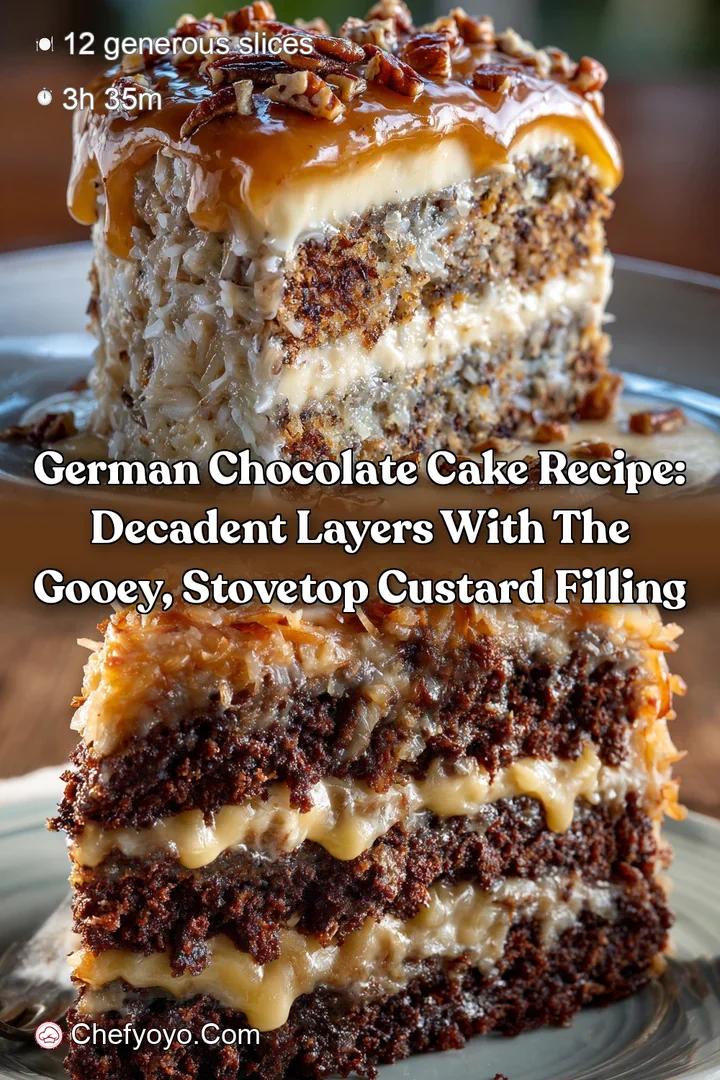
Recipe FAQs
Why is my coconut pecan frosting runny or too thin?
This is usually due to insufficient cooking time, or possibly adding too much liquid (evaporated milk). The frosting must cook over low heat until it visibly thickens and coats the back of a spoon deeply, indicating that the sugar and egg yolks have properly emulsified.
If it is still slightly runny after cooling, chill it in the refrigerator for 20 minutes before spreading.
My cake layers came out dry. What went wrong?
The most common cause of dry cake is overbaking; ensure you test for doneness promptly, removing the cakes when a toothpick yields only moist crumbs, not wet batter. Another factor can be overmixing the batter, which develops the gluten too much, resulting in a tougher, drier texture.
Can I use sweetened condensed milk instead of evaporated milk for the frosting?
No, these ingredients are not interchangeable in this classic recipe. Sweetened condensed milk is already heavily sugared and very thick, which will disrupt the essential caramelizing process necessary for the traditional gooey, stovetop cooked frosting. You must use unsweetened evaporated milk.
How should I store the finished German Chocolate Cake, and can I freeze it?
Due to the dairy and egg yolks in the cooked frosting, the assembled cake should be stored airtight in the refrigerator for 5 to 7 days. For freezing, it is best to freeze the layers unfrosted; the coconut pecan frosting texture suffers slightly after being frozen and thawed.
I don't like pecans. What is a good substitute nut for the frosting?
Walnuts are the best substitute, providing a similar rich, earthy flavor and necessary crunch that balances the sweetness of the caramel base. Always toast whichever nut you choose lightly before incorporating it into the cooked frosting mixture to deepen its flavor profile.
My frosting turned grainy after cooking. How can I fix this?
Graininess usually occurs because the sugar dissolved too quickly or the mixture cooked over too high a heat. To potentially fix it, place the frosting over a double boiler (bain marie) and stir gently until the sugar crystals melt back into the mixture, then cool completely before stirring again.
Can I use unsweetened coconut flakes instead of sweetened?
While sweetened coconut is traditional, you can substitute unsweetened flakes, but you may need to increase the granulated sugar in the frosting recipe by about a quarter cup. Ensure that the flakes are finely shredded so they incorporate properly into the thick, cooked caramel base.
Traditional German Chocolate Cake Recipe
Ingredients:
Instructions:
Nutrition Facts:
| Calories | 340 kcal |
|---|---|
| Protein | 4.0 g |
| Fat | 18.0 g |
| Carbs | 42.0 g |
