Silky Porcini and Wild Mushroom Risotto the Perfect Mantecatura
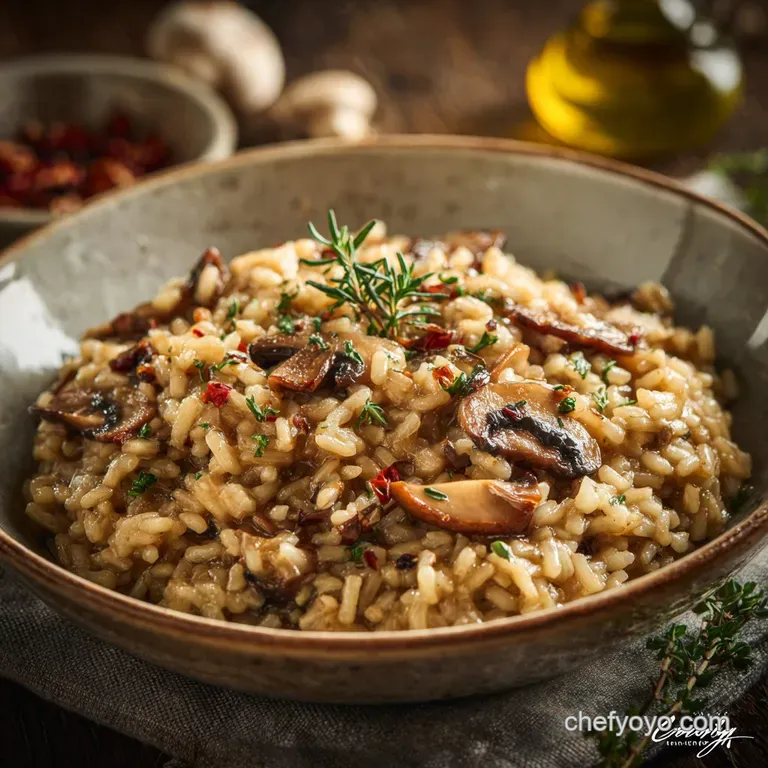
Mastering the Art of Creamy Mushroom Risotto
There are few dishes that evoke the luxurious comfort of true Italian cooking quite like a perfectly executed creamy mushroom risotto. This classic, often seen as daunting, is less about complexity and more about commitment to rhythm and technique.
Our goal is to achieve that velvety, flowing consistency, known as all'onda (meaning "like a wave"), by harnessing the natural starches of the rice, rather than relying on heavy, extraneous dairy.
When done correctly, this labour of love transforms simple grains into a profound culinary experience, showcasing the deep, earthy notes of wild fungi.
Why We Skip the Heavy Cream: The Starch Method
The benchmark of an authentic creamy mushroom risotto is its texture, which should be silky without feeling cloying or heavy. Many novice recipes mistakenly call for heavy cream, but this shortcuts the true magic of risotto.
The secret lies in the constant, gentle friction of the rice against itself and the pot walls as you stir. This action slowly scrapes the outer layers of the grain, releasing amylopectin a soluble starch.
When combined with hot stock, this starch forms a stable emulsion, creating a rich, sauce like viscosity that provides the necessary body for a successful creamy mushroom risotto recipe. By mastering this method, you achieve superior flavour and a lighter mouthfeel than cream could ever provide.
Understanding Mantecatura : The Crucial Final Step
If the constant stirring is the engine of the risotto, the mantecatura is the polish that brings it to a mirror shine. This Italian term translates roughly to "binding" or "whipping," and it is the process of vigorously emulsifying the cooked rice with chilled fats and cheese off the heat source.
For our recipe, this means incorporating 4 tablespoons (60g) of cold, cubed unsalted butter and 1 cup (80g) of freshly grated Parmigiano Reggiano. The key is the temperature difference: removing the pot from the heat prevents the fats from separating.
Instead, the vigorous stirring causes the fats and starches to combine, resulting in the desired glossy, thick, and velvety sauce that defines high-quality risotto.
Selecting Arborio vs. Carnaroli: Which Rice Reigns Supreme?
Choosing the right rice is non-negotiable for success. While many home cooks rely on Arborio, the superior choice for a creamy mushroom risotto recipe is Carnaroli. Carnaroli grains are slightly longer, firmer, and contain a higher concentration of amylopectin, making them less prone to overcooking while releasing starch consistently.
This provides greater insurance against the grains turning gummy. We use 1 ½ cups (300g) of rice for four servings. If you must use Arborio, be prepared to adjust the stock slightly and stir with extra care, as it absorbs liquid faster than Carnaroli.
Curating Your Pantry: Essential Elements for a Rich Risotto Base
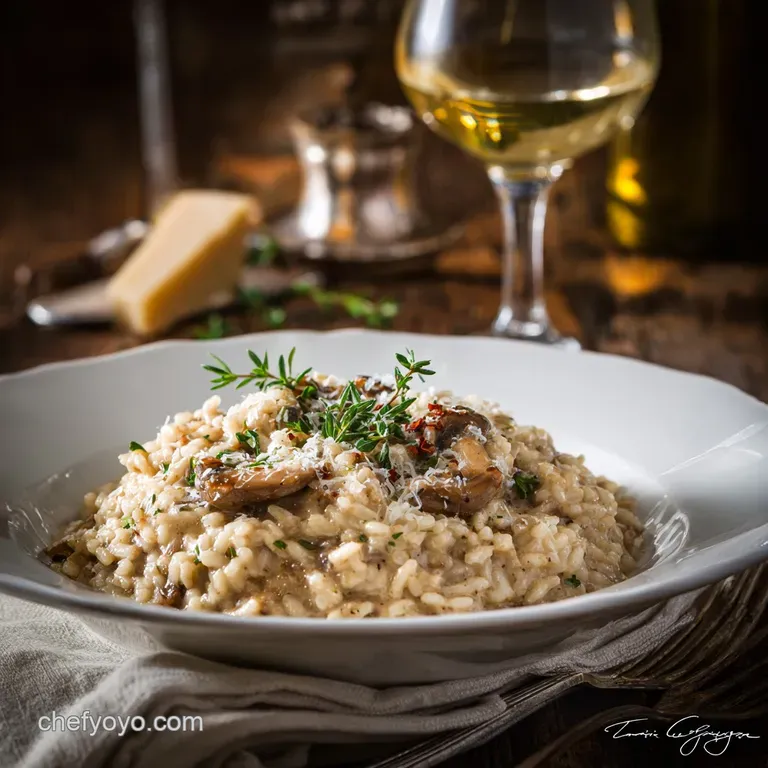
A phenomenal risotto requires exceptional ingredients; the finished dish is only as good as its foundation. Focus on building profound layers of umami from the ground up, ensuring a deeply satisfying, Healthy Vegetarian Risotto Dish.
Porcini Power: Hydrating Dried Mushrooms for Maximum Depth
Porcini mushrooms are the flavour backbone of this recipe. Their earthy intensity delivers unparalleled depth, something fresh mushrooms alone cannot replicate. Begin by soaking 1/2 oz (15g) of dried porcini in 1 cup (240ml) of boiling water for 15 minutes.
This process is twofold: it rehydrates the fungi for chopping, and more importantly, it creates a powerful stock concentrate. After straining the soaking liquid always through a fine mesh sieve or cheesecloth to catch any residual grit add this highly concentrated "porcini power" directly into your hot stock.
Building Umami: Best Fresh Wild Mushroom Combinations
In addition to the rehydrated porcini, 8 oz (225g) of fresh, sliced mushrooms are necessary for texture and moisture. We recommend a combination of cremini, oyster, or shiitake. Before starting the rice, sauté these mushrooms in 2 tablespoons (30g) of butter over medium high heat until they have released their moisture and started to brown slightly.
Removing them and setting them aside before adding the rice ensures they maintain their texture and prevents them from steaming in the pot, allowing their umami notes to concentrate beautifully.
Beyond the Stock Cube: Crafting a Superior Vegetable Broth
The quality and temperature of your stock are paramount. For the optimal creamy mushroom risotto recipe, you will need 6 cups (1.4 litres) of low-sodium chicken or vegetable stock. Simply using water will yield a bland risotto; the stock is the liquid that penetrates the rice grains, setting the entire flavour profile.
The non-negotiable rule here is that the stock must be kept piping hot at a gentle simmer on a separate burner throughout the entire cooking process. Adding cold or lukewarm stock shocks the rice, causing the temperature to plummet, which hinders the smooth release of starch and leads to a less successful, often gummy, texture.
Required Tools for Success: The Right Pot and Spoon
While you don't need highly specialized equipment, the right pot is essential. Opt for a heavy bottomed pot or Dutch oven, ideally with a 4 5-quart capacity. The heavy base distributes heat evenly and prevents the rice from scorching. On top of that,, invest in a sturdy wooden spoon or heat resistant spatula.
Since stirring is continuous for approximately 35 minutes, a utensil with a comfortable handle and a wide, flat edge is crucial for scraping the bottom and sides effectively.
Related Recipes Worth Trying
- HandsOff Baked Risotto with Creamy Mushroom Parmesan — Forget the constant stirring This Baked Risotto recipe delivers incredible deeply savoury mushroom and Parmesan creaminess with 90 less faff A foolproof...
- High Protein Creamy Beef Pasta 40 Min LowFuss Weeknight Dinner — This High Protein Creamy Beef Pasta uses blended cottage cheese for a velvety lowfat sauce Its a quick weeknight dinner ready in 40 minutes and delivers...
- Ultimate Creamy Lowcountry Shrimp and Grits Charleston Style — This Best Shrimp And Grits Recipe is pure comfort Smoky bacon gravy meets seriously Cheesy Shrimp And Grits for a Lowcountry hug in a bowl Rich tangy and...
A step-by-step Guide to Perfect Creamy Mushroom Risotto
Achieving a restaurant quality creamy mushroom risotto recipe is all about developing a meditative rhythm. By following these precise stages, you guarantee optimal texture and depth of flavour.
The Tostatura Technique: Why Toasting the Rice Matters
After preparing your soffritto (sautéing the diced shallots/onion and garlic in olive oil), you move to the critical tostatura . Add the 300g of rice to the pot and toast it in the oil, stirring continuously for 2– 3 minutes.
The grains should smell nutty and look translucent around the edges. This process slightly seals the rice, preventing it from dissolving prematurely and ensuring that coveted al dente bite remains even after 20 minutes of simmering.
Immediately after toasting, deglaze the pot with 1/2 cup (120ml) of dry white wine. Cook, stirring constantly, until the wine is completely absorbed and the sharp alcohol scent has vanished this takes about two minutes.
(For those needing a creamy mushroom risotto recipe without wine, substitute the wine with a tablespoon of white wine vinegar mixed into the first ladle of hot stock).
The Golden Rule of Ladling: Achieving the Right Consistency
The cooking phase is where patience pays off. Begin by adding the first large ladleful of hot stock (about 1 cup total). Stir constantly until the liquid is nearly completely absorbed. Crucially, the rhythm is maintained by adding stock only one ladleful at a time.
Do not add the next ladle until you can drag your spoon through the rice and the liquid is scarce enough to leave a trail momentarily. This disciplined approach forces the rice to release its starch gradually and evenly, producing the necessary creaminess over the active 18– 20 minutes of cooking.
This consistent flow is what elevates this from a simple rice dish into a sophisticated creamy mushroom risotto.
Finishing Strong: The Importance of Resting and Seasoning
Once the rice reaches al dente (tender but still offering a slight resistance in the center), stir the reserved sautéed mushrooms back into the pot. Taste and adjust the seasoning with fine sea salt and black pepper as needed before initiating the mantecatura stage.
Remove the pot completely from the heat source and incorporate the chilled butter and Parmesan. Stir vigorously for one full minute until a glossy emulsion forms. Finally, and this is a frequently overlooked step, cover the pot with a lid or tea towel and let the risotto rest for five full minutes.
This brief rest allows the starch and fats to fully marry and thicken the sauce to its ideal, velvety consistency before serving immediately, garnished with fresh parsley.
Troubleshooting Common Risotto Mistakes (Too Stiff or Too Soupy)
If your finished dish is too stiff, it means you likely didn’t add enough stock during the cooking process, or perhaps the post- mantecatura rest was too long.
If your risotto is too soupy, it suggests either the heat was too low, preventing proper evaporation, or you added too much stock at once, drowning the starch release. Remember, the true mark of excellence is the all'onda consistency, where the risotto flows gently onto the plate.
While tempting, shortcuts like attempting a Quick Mushroom Risotto in a pressure cooker (Instant Pot Risotto) rarely achieve this delicate, wavy texture that comes from careful, active stirring.
Elevating Your Dish: Serving Suggestions and Customizations
A perfectly executed creamy mushroom risotto demands thoughtful accompaniment to balance its richness.
Wine Pairing Wisdom: Matching Acidity to Earthy Flavors
To complement the rich, earthy notes of the porcini and the richness imparted by the butter and cheese, select a wine with high, crisp acidity. Unoaked Italian white wines like Soave or a vibrant, mineral driven Pinot Grigio work exceptionally well, cutting through the fat.
If you prefer red, a light bodied, slightly chilled red like Beaujolais offers the necessary acidity without overpowering the delicate mushroom flavours.
How to Store and Reheat Leftover Risotto Safely
Risotto is best eaten immediately, but leftovers can be stored safely in an airtight container in the refrigerator for up to three days. When reheating, the rice grains will have absorbed much of the remaining sauce, resulting in a much drier texture.
To restore the creaminess, reheat the risotto gently in a pan over medium heat, adding a splash of hot stock or water and stirring continuously until the desired moisture is achieved. Do not attempt to microwave the entire portion without adding liquid, or it will become tough and rubbery.
Recipe Variations: Swapping Fungi for Spring Vegetables or Saffron
This highly adaptable base recipe serves as a brilliant template for other dishes. To create a luxurious Saffron Risotto (Risotto Milanese), omit the mushrooms entirely and soak 1/2 teaspoon of saffron threads in a ladle of hot stock for 10 minutes before adding the coloured stock toward the end of the cooking process.
For a completely plant based alternative, you can easily adapt this into a creamy mushroom risotto vegan dish by substituting the dairy butter with a high-quality vegan alternative or extra olive oil, and swapping the Parmesan with nutritional yeast or a blend of cashew cream and white miso paste for deep umami flavour.
This adjustment maintains the Healthy Vegetarian Risotto Dish status while catering to specific dietary needs.
Analyzing the Nutrition: Calories and Macronutrients per Serving
While undoubtedly a hearty and indulgent dish, this creamy mushroom risotto (based on four generous servings) provides substantial nutritional value. Estimated at 520 580 kcal per serving, the dish is rich in carbohydrates (55 60g) from the rice and includes a healthy dose of protein (18 22g), primarily derived from the cheese and mushrooms.
Due to the essential use of butter and Parmigiano Reggiano in the mantecatura , the total fat content is estimated between 25 30g, including approximately 15g of saturated fat. While decadent, the careful technique ensures this is a fulfilling and balanced main course.
Recipe FAQs
Why do I have to keep stirring the pot? It feels like a proper chore!
We know, mate, it feels like a proper arm workout, but this continuous stirring is absolutely essential! It coaxes the starch out of the rice grains, which then emulsifies with the fat (butter and Parmesan) to create that velvety, creamy sauce we're after.
If you don't stir, the starch stays locked in, and the rice ends up gummy rather than luxurious.
I've made too much! What's the best way to store and reheat leftover Creamy Mushroom Risotto?
Risotto notoriously sets rock solid once chilled, so reheating requires a bit of finesse. Store leftovers in the fridge for up to three days. To reheat, place the cold risotto in a pan with a splash of extra stock (or water) and stir gently over low heat until it loosens up and reaches an acceptable texture.
Alternatively, roll the cold risotto into balls, stuff them with mozzarella, and fry them you’ve just made fantastic arancini!
Help! My risotto is too thick and gloopy, not that lovely runny texture (all’onda). What went wrong?
Cheer up, it’s a common mishap! The usual culprits are either adding too little stock overall, or skipping the crucial resting step. When you remove it from the heat for the mantecatura (adding the chilled butter and cheese), the rice should still be a bit too loose almost soupy.
It’s during that final five minute rest that the rice absorbs the excess moisture and firms up to perfection.
I don't have Arborio rice, can I use regular long grain rice for this recipe?
Unfortunately, swapping in standard long grain rice (like Basmati or Jasmine) is a cardinal sin in risotto making. These types lack the necessary high starch content required for the dish.
For a truly authentic and decadent Creamy Mushroom Risotto, stick to Arborio or, if you can find it, the superior starchy Carnaroli rice, which holds its shape beautifully while still releasing that creamy magic.
How can I make this mushroom risotto suitable for my vegetarian friends?
Making this dish veggie friendly is a breeze. The most important step is swapping out the chicken stock for a good quality vegetable stock ensure it’s kept piping hot! Also, be mindful of the cheese: traditional Parmigiano Reggiano uses animal rennet, so look for a reliable vegetarian hard cheese alternative or substitute the Parmesan entirely with Grana Padano, which is often suitable, or nutritional yeast for a cheesy flavour boost.
Ultimate Creamy Mushroom Risotto Recipe

Ingredients:
Instructions:
Nutrition Facts:
| Calories | 944 kcal |
|---|---|
| Protein | 28.1 g |
| Fat | 52.9 g |
| Carbs | 68.5 g |
| Fiber | 22.9 g |
| Sodium | 10175 mg |
