Sugar Cookie Recipe: the Ultimate Cut-Outs (No Spread, Perfect for Icing)
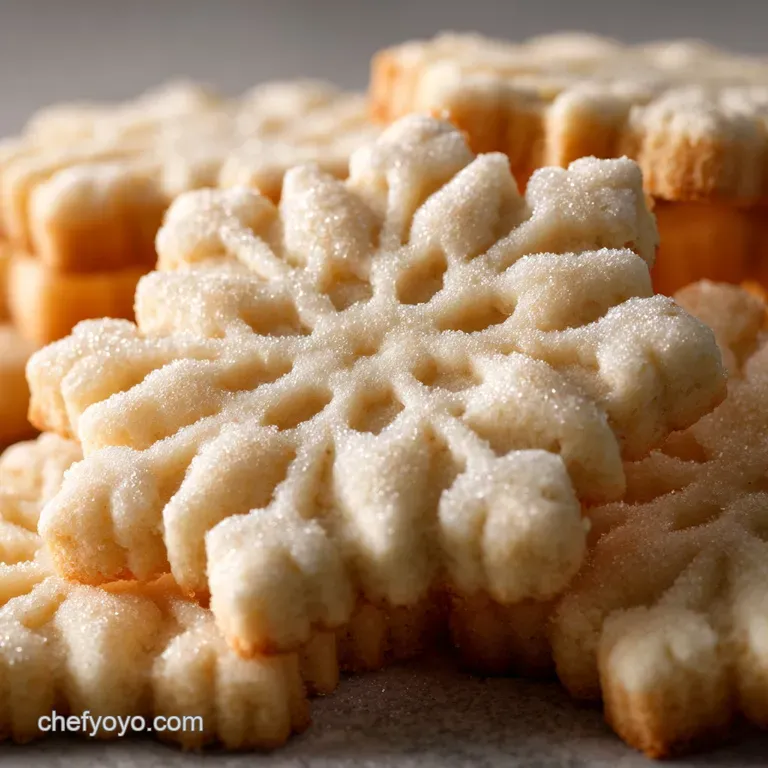
- Introducing the Ultimate "No Spread" Cut-Out Sugar Cookie
- Essential Components and Smart Swaps for Your Dough
- Mastering the Science Behind Crisp Edges and Tender Centres
- Crafting the Ultimate Sugar Cookie Dough: A Step-by-Step Guide
- Troubleshooting and Expert Tips for Zero-Spread Success
- Preserving Freshness: Storing Baked Cookies and Dough
- Presentation and Pairing Ideas for Your Sugar Cookie Masterpiece
- Recipe FAQs
- 📝 Recipe Card
Introducing the Ultimate "No Spread" Cut-Out Sugar Cookie
That smell, oh my god, that smell. When these sugar cookies hit the oven, your house stops being just a house and starts being a bakery, instantly filled with the warm, buttery cloud of vanilla.
These aren't just cookies; they are the softest, most tender treats with an unbelievably crisp edge that snaps perfectly when you bite them.
Look, you don’t need an expensive gadget or a dozen obscure ingredients to make bakery quality cookies, which is why this recipe is an absolute lifesaver. This formula delivers beautiful, flat cookies every single time, meaning you can finally use those ridiculously intricate cutters without watching your snowman melt into a buttery blob.
It’s cheap, it’s easy to scale, and it’s the cornerstone of all holiday baking.
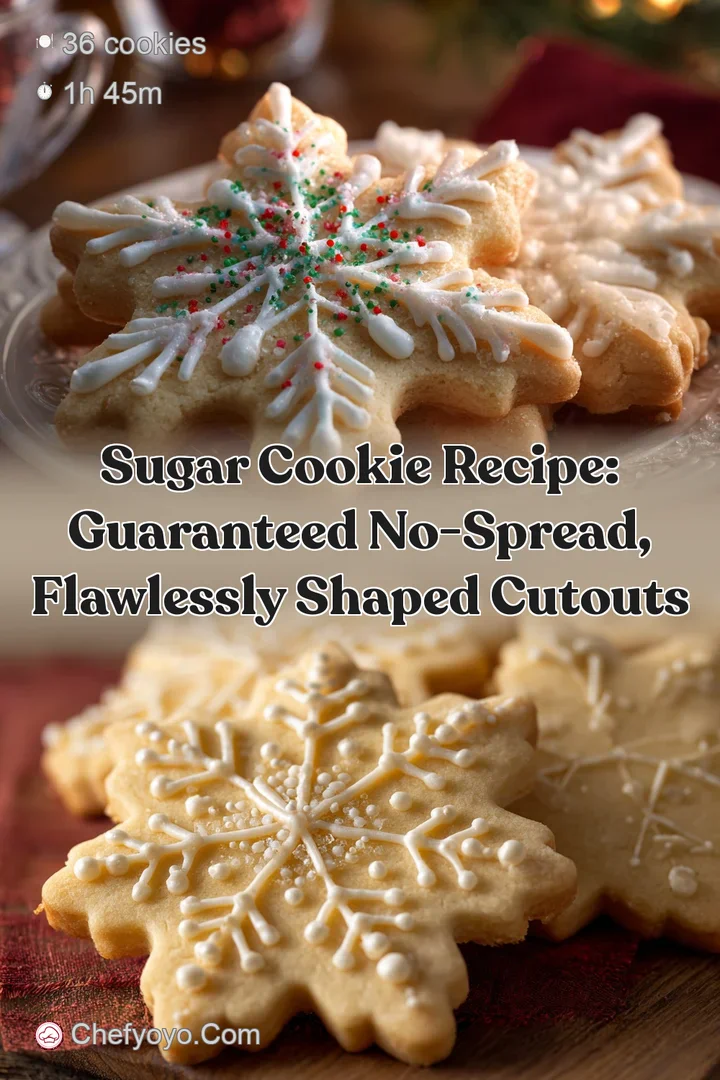
We're going to dive into the few simple techniques that separate a mediocre, tough sugar cookie from a genuinely tender, professional looking masterpiece. Get your apron ready, because we are finally perfecting the Best Sugar Cookie Recipe For Decorating that holds its shape beautifully and tastes incredible.
Defining the Perfect Cut-Out Cookie Texture
When I say "perfect," I mean a cookie that balances two seemingly opposing traits: structure and tenderness. We want zero spread in the oven, ensuring those sharp edges remain defined for your beautiful flood icing or intricate designs.
However, we absolutely refuse to eat a cookie that tastes like flour and sand, right?
This recipe achieves that tricky balance by using a specific ratio of fat to flour and, crucially, by regulating the dough temperature. The structure comes from the flour and the chilling process, but the melt-in-your mouth tenderness comes entirely from how we handle the butter and sugar in the mixing phase. If you are looking for that other kind of cookie super soft, thick, and almost cakey you might prefer making my recipe for a Fruit Pizza Recipe: The Ultimate Chewy Sugar Cookie Crust Masterpiece next time, but today we focus on the crisp cut-out.
Why Traditional Recipes Fail Intricate Designs
Many old-school sugar cookie recipes call for too much liquid or too much leavening, which are both death sentences for precise shapes. They typically have too high a ratio of softened butter compared to the flour, and once that fat heats up in the oven, it begins to run outward before the flour structure can set.
The moment the fat melts, your snowflake turns into an amorphous blob.
We fix this by controlling the gluten development and ensuring the dough hits the oven intensely cold. Cold dough buys us precious minutes for the cookie structure to set before the butter has a chance to fully liquefy and spread across the sheet.
Trust me, the minimal effort of chilling saves you huge decorating headaches later.
The Essential Tools for Medium Difficulty Baking
You don't need a professional kitchen, but a stand mixer makes this exponentially easier. If you want consistently sized cookies and you do, for even baking you really need a rolling pin with thickness guides. Consistency is everything in cut-out cookies.
Chef's Note: If you only have a basic rolling pin, use two stacks of paint stirrers or thin rulers (1/4 inch thick) on either side of the dough. These act as guides and guarantee uniform thickness across the entire batch. Brilliant!
Essential Components and Smart Swaps for Your Dough
Every ingredient here plays a structural role, but don't panic if you’re missing something minor. We always have smart swaps.
| Ingredient | Role | Substitute Options |
|---|---|---|
| All-Purpose Flour | Structure, Bulk | 1:1 gluten-free Blend (Must contain Xanthan Gum) |
| Unsalted Butter | Tenderness, Flavor | high-quality Vegan Butter Sticks (Do not use margarine tubs) |
| Granulated Sugar | Sweetness, Crispness | Fine Caster Sugar or Sucrose Replacement (adjust liquid) |
| Large Eggs | Binding, Moisture | Chia or Flax Egg (Mix 2 tbsp seed + 6 tbsp water, rest 5 min) |
| Vanilla Extract | Aromatic Flavor | 1/2 tsp Almond Extract or Fresh Lemon Zest |
| Baking Powder | Slight Lift | Skip it, or use 1/4 tsp baking soda mixed with the flour (adjusting baking soda drastically changes structure, so be careful). |
Mastering the Science Behind Crisp Edges and Tender Centres
Getting the Perfect Sugar Cookies is mostly about respecting the ingredients. We aren't making a chewy, dense cookie like my Chewy Peanut Butter Cookies: The Definitive Recipe for Soft Centers , where moisture is key. Here, structure and minimal rise rule the day.
Salted vs. Unsalted Butter: A Definitive Guide
Always, always use unsalted butter in baking. Why? Because salt content varies wildly between brands, and you lose control over the flavour profile. If you only have salted butter, reduce the recipe's added salt by half, maybe even slightly more. The biggest benefit of unsalted butter is consistency.
Selecting the Right Flour for Structural Integrity
We use All-Purpose Flour because the moderate protein content allows for just enough structure without making the cookies tough. Measuring the flour correctly is arguably the most critical step after chilling.
If you scoop straight from the bag, you could easily add 25% too much flour, yielding a dry, crumbly dough that cracks while rolling. Always spoon and level the flour!
Infusing Flavor: Vanilla vs. Almond Extract Considerations
I love a pure vanilla extract for that classic, warm, familiar sugar cookie taste. It’s universally appealing and works well with any decorating scheme. A tiny drop of almond extract, however, adds a beautiful, complex "bakery quality" depth. Warning: Almond extract is strong.
If you substitute, use maybe 1/2 a teaspoon max in this recipe, otherwise your cookies will taste aggressively of marzipan.
The Role of Reverse Creaming in Preventing Spread
If you want absolutely foolproof, zero spread cookies, consider using a reverse creaming method. This involves mixing the sugar and flour together first , and then cutting in the cold butter before adding the wet ingredients.
It coats the flour granules with fat, inhibiting gluten development from the start. For this specific recipe, we use the standard creaming method but stop mixing immediately when the flour incorporates to achieve a similar result without extra steps.
Crafting the Ultimate Sugar Cookie Dough: A step-by-step Guide
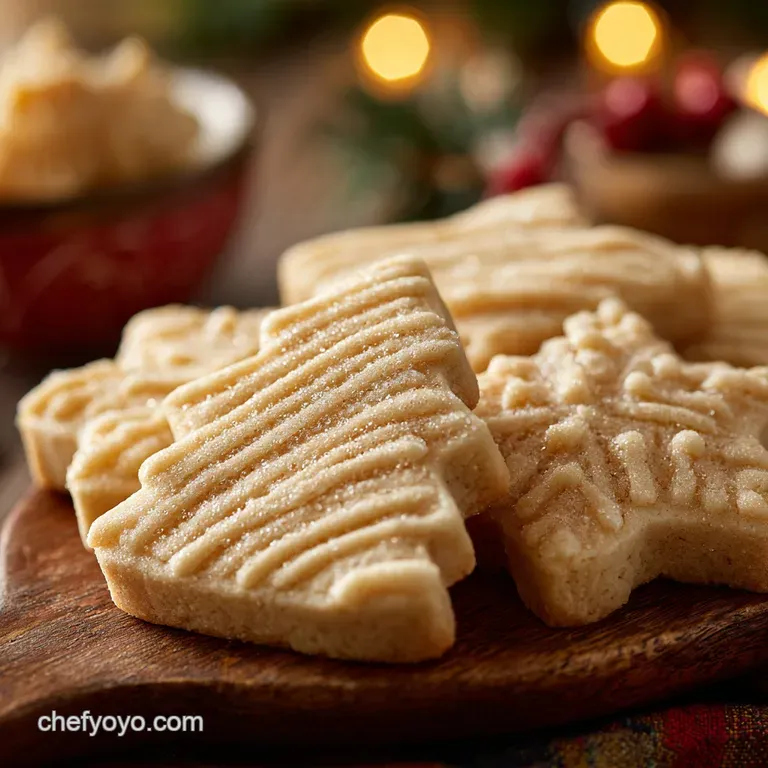
Mixing Phase: Achieving the Ideal Dough Consistency
Start by creaming your softened butter and sugar. This is where you incorporate air, and it should take a full 3 to 4 minutes on medium speed until the mixture is visibly pale yellow and fluffy. This aeration is important for the final, tender texture.
Once you add the eggs and vanilla, scrape the bowl down thoroughly; nobody wants patches of unmixed butter in their Best Sugar Cookies .
When incorporating the dry ingredients, lower the mixer speed to the lowest setting. Add the flour mixture slowly until just combined. The moment you no longer see streaks of white flour, stop the mixer. Do not overmix.
Excess mixing activates gluten, leading to tough, inelastic cookies that shrink and warp.
Chilling Time: Mandatory Rest for Perfect Shapes
This is not a suggestion; it is a law of cookie baking. Divide your dough into flat discs flatter discs chill much faster than a big ball wrap them tightly, and stick them in the fridge for a minimum of 60 minutes.
The purpose is twofold: the fat solidifies, which prevents spreading, and the gluten relaxes, which prevents shrinkage. If you're really short on time, 30 minutes in the freezer works in a pinch.
Rolling and Cutting Techniques for Uniform Thickness
Rolling the dough to a consistent 1/4 inch thickness is non-negotiable for even baking. Work with only one chilled disc at a time, keeping the other in the fridge. Lightly dust your counter and rolling pin, and roll the dough briskly.
The moment the dough starts feeling tacky or warm, stop cutting and put the whole tray of cutouts back into the fridge for 10 minutes.
The Baking Sweet Spot: Color and Texture Indicators
Preheat your oven to 350°F (175°C). We are looking for structure, not color, in these Christmas Sugar Cookies Recipe Cut Outs . Bake for 10 to 12 minutes.
The edges should be set, potentially showing the barest hint of golden brown, but the center should still look pale and perhaps slightly soft. They will firm up considerably on the baking sheet during the mandatory 5 minute cool down before moving them to the wire rack.
Troubleshooting and Expert Tips for Zero Spread Success
Identifying and Fixing Over Creaming Mistakes
Over creaming the butter and sugar can incorporate too much air, essentially acting like extra leavening, which causes spreading. You want light and fluffy, not aggressively whipped and voluminous.
If you suspect you've over creamed, slightly increase the amount of flour (1 2 tablespoons) when you mix the dry ingredients, but measure carefully.
Hand Mixer vs. Stand Mixer: Adapting Your Method
If you are using a hand mixer, you might need an extra minute of creaming time compared to a powerful stand mixer. More importantly, when adding the flour, you must mix on the absolute lowest speed possible. Stop and mix the last few spoonfuls in by hand with a spatula.
This extra care ensures you don't overwork the gluten.
Preventing Warping During Transfer to the Baking Sheet
Warping happens when warm, delicate cut-out dough is lifted and stretched. The best way to beat this is the freeze before-baking technique. After cutting your shapes and placing them on the parchment lined baking sheet, put the entire tray into the freezer for 5- 10 minutes.
This makes the dough firm enough to transition beautifully into the heat without slumping.
Preserving Freshness: Storing Baked Cookies and Dough
Freezing Unbaked Dough for Future Use
This is my favorite trick for being ready for holidays or last minute baking! You can wrap the unrolled dough discs tightly in plastic wrap, then seal them inside a freezer bag. They freeze beautifully for up to 3 months. Thaw overnight in the fridge before rolling.
You can also cut out the shapes, arrange them on the baking sheet, freeze until solid, and then transfer the shapes to a freezer bag. Bake directly from frozen, adding 2– 4 minutes to the cooking time.
How Long Do Decorated Sugar Cookies Last?
Unfrosted baked cookies kept in an airtight container at room temperature will stay fresh and crisp for about 5 to 7 days. Once decorated with royal icing, the high sugar content acts as a preservative, extending their shelf life to about 10 days, provided they are stored in a single layer at room temperature (not the fridge, which can introduce condensation and soften the cookies).
Presentation and Pairing Ideas for Your Sugar Cookie Masterpiece
Royal Icing vs. Glaze: Choosing the Right Topping
Royal Icing (made with meringue powder) dries rock hard and shiny, making it perfect for stacking and detailed piping work. It is the definitive choice for the serious decorator. A simple Glaze (powdered sugar and milk) is much quicker to mix, dries softer, and works wonderfully if you prefer a chewier texture or just need a simple dip and dust finish.
These cookies are fantastic on their own, but pairing them with a rich hot cocoa or a strong, milky coffee is a truly classic experience. If you’re preparing a dessert platter, remember that this subtle vanilla flavor is a lovely contrast to something richer and bolder, like a classic Peanut Butter Cookies Recipe: Crispy Edges, Seriously Soft Centres . A mix of textures and flavors always impresses!
Recipe FAQs
Why did my cut-out cookies spread during baking?
Spreading is usually caused by the butter being too warm when mixed or by insufficient chilling time. Ensure your butter is only slightly softened, not melted, and always chill the dough for a minimum of two hours.
For maximum shape retention, flash chill the cut-out shapes on the baking sheet for 10 minutes just before placing them in the hot oven.
Why are my sugar cookies tough or dry instead of tender?
This is typically a result of overworking the dough once the flour has been added. Overmixing develops the gluten, resulting in a tough texture. Mix the dry ingredients only until the flour streaks have almost disappeared, then stop immediately.
How long is truly sufficient for chilling the sugar cookie dough?
While the recipe calls for a minimum of two hours, chilling for 4 hours or overnight is ideal for the best structural integrity. Proper chilling solidifies the fat, which is the crucial element that prevents spreading and ensures crisp, clean edges on your cut-outs.
Can I freeze the sugar cookie dough or the baked cookies?
Yes, both are excellent for freezing. The dough can be wrapped tightly (in discs or pre-cut shapes) and stored in the freezer for up to three months. Baked, unfrosted cookies should be completely cooled, layered between parchment paper, and stored in an airtight container for similar longevity.
Can I substitute butter with vegetable shortening in this recipe?
You can substitute up to half of the butter with high-quality vegetable shortening. Shortening helps slightly minimize spreading and yields a softer cookie texture, but using 100% butter is recommended for the richest flavor profile.
Can I make these cut-out cookies using a gluten-free flour blend?
Yes, you can swap the all-purpose flour for a cup-for-cup gluten-free blend that already contains xanthan gum. Note that GF doughs can sometimes be crumbly, so you may need to add a teaspoon of milk to achieve a manageable dough consistency.
When is the best time to apply royal icing or glaze for decorating?
It is absolutely crucial that the cookies are completely cooled before any decorating takes place, ideally for at least one hour after coming out of the oven. Applying icing to warm cookies will cause the residual heat to melt the glaze or cause the fat in the cookie to bleed into the color.
Ultimate Cut Out Sugar Cookie Recipe
Ingredients:
Instructions:
Nutrition Facts:
| Calories | 100 kcal |
|---|---|
| Protein | 1.0 g |
| Fat | 4.5 g |
| Carbs | 14.0 g |
