The Great British Spring Roll Fresh Herb Rolls Ultimate Satay Sauce
- Beyond the Fryer: Why Fresh Spring Rolls Are the Ultimate Summer Dish
- Sourcing the Freshest Flavours: Essential Components for the Perfect Roll
- The Assembly Line Approach: Mastering the Art of the Roll
- Troubleshooting and Tailoring: Expert Tips for Your Fresh Spring Rolls with Peanut Sauce
- Recipe FAQs
- 📝 Recipe Card
Beyond the Fryer: Why Fresh Spring Rolls Are the Ultimate Summer Dish
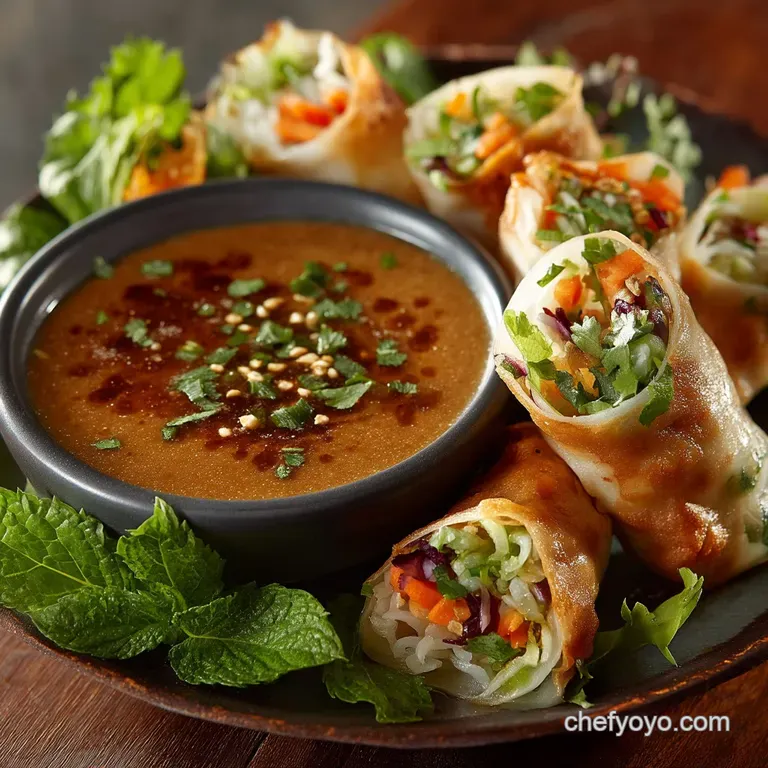
There is a distinct joy that comes from biting into a perfectly constructed Fresh Spring Roll . Unlike their deep fried, heavy cousins, these light, translucent parcels of vibrancy offer a uniquely refreshing experience.
They are the ideal starter or main course for any warm weather gathering, proving that truly satisfying food doesn't need to be complicated or cooked in vats of oil. This particular Spring Roll Recipe focuses on maximizing freshness and flavour contrast, resulting in delicious, healthy spring rolls that never fail to impress.
But the true masterpiece of this meal lies in the dipping accompaniment the rich, nutty, and slightly fiery Spring Rolls with Peanut Sauce .
The Vietnamese Original: Understanding Gỏi Cuốn
While many cultures lay claim to wrapped foods, the genesis of the fresh roll we know and love is undeniably Vietnamese, where it is known as Gỏi Cuốn . Literally translating to "salad roll," the essence of Gỏi Cuốn is transparency and balance.
The preparation involves layering crisp, cool ingredients a medley of fresh herbs, julienned vegetables, vermicelli noodles, and tender protein inside delicate rice paper wrappers. The simple ingredients are allowed to shine, providing the perfect vehicle for the intensely flavourful satay dip.
The Essential Element: Crafting the Ultimate Peanut Satay Dip
Any connoisseur knows that a spring roll is only as good as the sauce it is paired with. The ultimate peanut dip is not merely a side; it is the essential element that ties the entire dish together.
Our recipe focuses on achieving a balance between the savoury umami of hoisin and soy, the bright acidity of fresh lime and rice vinegar, and the rich depth of natural peanut butter.
Simmered gently, the resulting texture must be velvety and pourable thick enough to cling to the wrapper, but smooth enough to coat the palate beautifully.
A Symphony of Textures: Crunch, Cream, and Chew
The reason these parcels are so addictive is the deliberate contrast in mouthfeel. Within the delicate chewiness of the rehydrated rice paper, you find the silky softness of the rice vermicelli noodles (4 oz / 115g), cooked al dente.
This is instantly juxtaposed by the satisfying crunch of carefully julienned carrots and cucumber (approximately 150g each), adding structure and hydration. Finally, the succulent large prawns (12 count / 300g) and the burst of fresh mint and coriander leaves complete the profile, making every single bite an adventure.
Sourcing the Freshest Flavours: Essential Components for the Perfect Roll
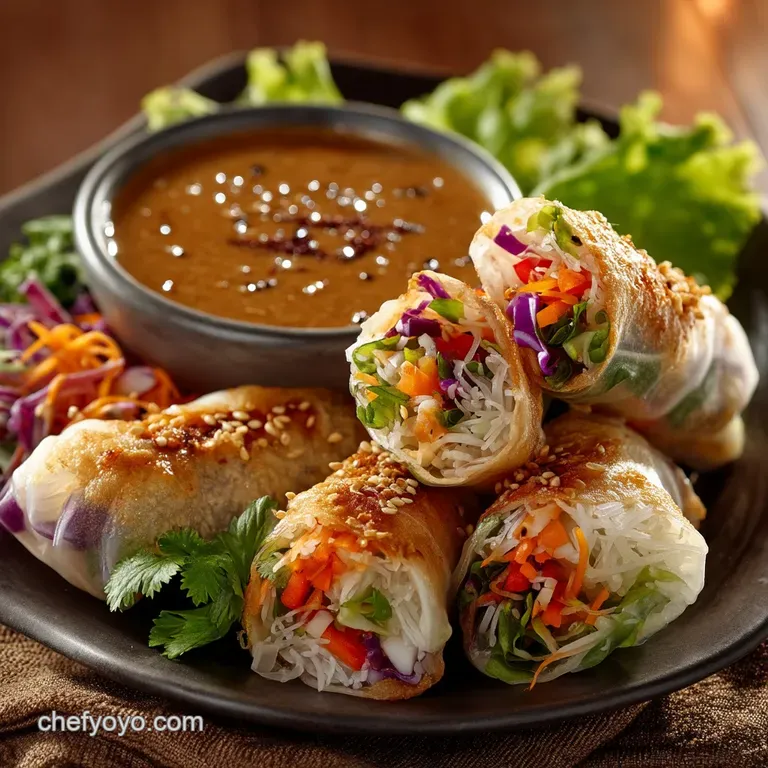
Success in making rice paper rolls with peanut sauce begins long before the first roll is formed. It requires thoughtful selection of the highest quality components, ensuring maximum vibrancy and crispness.
The Filling Foundation: Choosing Crisp Vegetables and Tender Prawns
For the best results, select vibrant, firm vegetables. We recommend using Butterhead lettuce, which is pliable enough to act as a soft cushion inside the wrap. Carrots and cucumbers must be cut into thin matchsticks to ensure they layer neatly and offer easy bite through.
Regarding the protein, pre-cooked and cooled prawns are ideal due to their sweet flavour and beautiful pink hue, which is designed to showcase through the translucent wrapper. If opting for a vegetarian version, thinly sliced, seasoned spring rolls with tofu make an excellent substitute.
The Secret to Success: Selecting Quality Rice Paper Wrappers
The wrapper selection is non-negotiable. Look specifically for round rice paper sheets measuring 22 cm (8.5 inches) in diameter. These wrappers are made from rice flour, water, and salt, and their quality determines the ease of rolling.
Inferior or very thin paper tends to tear or become excessively sticky upon hydration, frustrating even experienced cooks. You will need approximately 12 sheets to complete this recipe, yielding 10 12 large rolls.
Pantry Essentials for the Satay Dipping Sauce Base
The depth of the ultimate peanut sauce relies on key high impact ingredients. Start with 1/2 cup of natural smooth peanut butter avoiding low-fat or overly sweetened varieties is critical for richness. The core umami is built with 3 Tbsp of hoisin sauce and 1 Tbsp of low-sodium soy sauce.
Acidity comes from 1 Tbsp each of fresh lime juice and unseasoned rice vinegar, while 1 Tbsp of maple syrup balances the flavour profile. Do not skip the fresh aromatics: two finely minced cloves of garlic and a teaspoon of grated fresh ginger add necessary warmth.
Necessary Kitchen Tools: Your Rolling and Prep Station Setup
Efficient assembly relies on having the right tools ready. Beyond your standard sharp chef's knife and cutting board for the considerable prep work, you will need a large pot for cooking the noodles and a small saucepan for simmering the peanut sauce.
The most important specialized piece of equipment is a large, shallow plate or pie dish designated solely for soaking the rice paper. Crucially, designate a large, clean, slightly damp kitchen towel to act as your rolling surface, preventing the delicate wrappers from instantly sticking and tearing.
Related Recipes Worth Trying
- Master Homemade Teriyaki Sauce The Quick 15Minute Umami Glaze — Ditch the sickly bottle This quick and easy Teriyaki Sauce recipe delivers a rich balanced umami glaze in just 15 minutes Perfect for salmon or chicken...
- Forget the Jar Proper 10Minute Homemade Teriyaki Sauce Recipe — Achieve a deeply savoury glossy homemade Teriyaki Sauce in just 13 minutes This best Teriyaki Sauce recipe is foolproof perfect for chicken salmon or...
- The Best Simple Italian Marinara Sauce Recipe Slow Simmered — Skip the shopbought jar Learn how to make Marinara Sauce the authentic way This simple Italian recipe uses quality San Marzano tomatoes and a long gentle...
The Assembly Line Approach: Mastering the Art of the Roll
With all ingredients prepped and organized (the all-important mis en place ), the actual assembly process takes roughly 15 minutes and is best executed swiftly and systematically.
Phase One: Preparing the Prawns and Julienning the Vegetables
Before any rolling begins, all fillings must be ready. This requires an estimated 45 minutes of prep time. If using raw prawns, blanch them quickly until perfectly pink, then cool them completely.
For a professional presentation, cooked prawns should be halved lengthwise this allows the beautiful interior pink curve to be visible through the wrapper when rolled. The 115g of vermicelli noodles should be cooked, rinsed with cold water to stop the cooking process, and lightly tossed with a touch of oil to prevent clumping.
Whisking Wisdom: Developing the Velvety Texture of the Peanut Sauce
The sauce must be made next, as it improves slightly as it cools. Combine all ingredients the peanut butter, hoisin, soy, rice vinegar, maple syrup, lime, garlic, and ginger in a small saucepan. Heat this over medium low heat, whisking constantly until smooth. The sauce will be quite stiff at this point.
To thin it to the desired "double cream" consistency, gradually whisk in 1/4 to 1/3 cup (60 80 ml) of hot water or coconut milk. Remove the sauce immediately once the desired thickness is achieved and set it aside to cool slightly.
Hydrating the Wrappers: The 3-Second Soak Rule
This is the make-or-break moment for your Fresh Spring Rolls . Fill your shallow dish with lukewarm water. Take one sheet of rice paper and completely submerge it for only two to three seconds. When you remove it, the paper should still feel relatively stiff, not floppy.
It continues to hydrate and soften rapidly once it hits the counter. Immediately lay the slightly firm wrapper flat on your dedicated damp kitchen towel.
The Rolling Technique: Folding for a Tight, Presentable Parcel
Layering must be strategic. Position your fillings about 1.5 inches from the edge closest to you. For visual appeal, start with 2 3 halved prawns (cut side down) and a few whole mint and coriander leaves; these will be visible on the finished roll.
Below this, lay a small cushion of lettuce, followed by a mound of noodles, and finally, a few strands of cucumber and carrot. Avoid overfilling at all costs ; this is the leading cause of tears. To roll, fold the bottom edge up and tightly over the fillings.
Then, fold in the left and right sides, much like wrapping a burrito or a tailored suit. Now, roll the entire parcel tightly and gently away from you until the seal is complete, yielding 10 12 beautifully formed rice paper rolls with peanut sauce .
Troubleshooting and Tailoring: Expert Tips for Your Fresh Spring Rolls with Peanut Sauce
Even veteran cooks encounter issues with rice paper, but a few key adjustments can ensure every batch of your Spring Rolls with Peanut Sauce is perfect.
Meat Free Swaps: Creating a Vegan or Vegetarian Filling
The beauty of the Spring Roll Recipe is its versatility. To create truly satisfying Vegan Spring Rolls , simply swap the prawns for pre-marinated baked strips of spring rolls with tofu .
Ensure the tofu is pressed and well seasoned, perhaps baked with a touch of tamari and sesame oil for maximum flavour. For a more creative approach, add creamy slivers of avocado and firm, ripe mango alongside the herbs and vegetables.
This variation is a fantastic option for a light, fulfilling Vegan Lunch .
Solving the Sticky Wrapper Problem: Humidity and Handling Advice
If your wrappers are tearing or sticking together during assembly, the rolling surface is likely too dry or the wrapper was soaked too long. Always use the damp towel technique it provides just enough moisture to prevent sticking without over softening the rice paper.
After rolling, if you must place finished rolls on a platter before serving, brush them very lightly with a neutral oil (like grapeseed) before they touch each other. This thin coating acts as a barrier, preventing the delicate rice paper from bonding instantly.
Storage Solutions: Keeping Rolls Fresh for Lunch the Next Day
Fresh Spring Rolls are undeniably best enjoyed immediately. However, if prepping ahead or storing leftovers, they can be kept chilled for up to two hours, lightly covered with damp paper towels and plastic wrap in the refrigerator.
If stored longer, the moisture from the fillings will begin to soften the wrapper excessively, potentially causing them to break down or stick aggressively. They are not recommended for storage beyond 24 hours.
Serving Suggestions: Complementary Dishes for a Complete Meal
These fresh rolls are substantial enough for a light meal, but they pair wonderfully with complementary textures. Serve them alongside a crisp Asian Slaw tossed in a vibrant sesame ginger vinaigrette for additional crunch. Alternatively, a small side of lightly salted Edamame adds protein and simplicity.
For beverages, the freshness of the rolls and the richness of the satay dip are perfectly complemented by a cold, crisp lager or a refreshing iced tea. Don't forget to serve the dipping sauce at room temperature to ensure its velvety texture is at its best.
Recipe FAQs
Why does my rice paper wrapper keep ripping or sticking together when I roll?
Ah, the age-old dilemma of the spring roll beginner! The trick here is the "under soak" rule only dip the rice paper for 2 3 seconds, as it continues to soften on the counter.
Always set up your rolling station on a slightly damp, clean tea towel; a dry surface will make the delicate rice paper instantly glue itself down and cause unnecessary drama.
Can I make these ahead of time for a picnic or garden party?
While these fresh rolls are an absolute dream for entertaining, they sadly aren't brilliant for long term storage, as the rice paper tends to harden or become sticky and brittle. For the absolute best flavour and texture, they should be enjoyed within an hour of rolling, fresh as a daisy.
If you must prep, brush them lightly with a neutral oil (like grapeseed) and wrap them individually in cling film, keeping them chilled for no more than two hours.
My peanut sauce seems too thin or too thick. What’s the trick to getting that perfect velvety consistency for the Spring Rolls with Peanut Sauce?
Getting the sauce consistency spot on is key to an excellent dipping experience! If your sauce is thick like cement, gradually whisk in more hot water or coconut milk, just a tablespoon at a time, until it flows nicely.
Conversely, if it’s too runny, either simmer it gently for a minute or two to reduce it, or simply stir in a tiny bit more peanut butter to tighten it up again.
I'm not keen on prawns. What are some good, reliable substitutions for the protein filling?
Absolutely no worries; these rolls are incredibly versatile! Shredded rotisserie chicken breast works brilliantly, or you could opt for thinly sliced, quickly sautéed pork loin, which is a classic pairing.
For a vegetarian option, use pre-baked, marinated firm tofu strips, or skip the protein entirely and add creamy avocado and sweet mango batons for a wonderful tropical flavour twist.
Are these spring rolls gluten-free and/or suitable for vegans?
The rice paper wrappers and vermicelli noodles are naturally gluten-free, which is a good start. However, you must substitute the traditional soy sauce in the peanut sauce with Tamari or coconut aminos to ensure they are truly gluten-free.
For a vegan dish, simply swap the prawns for baked tofu or tempeh, and ensure you use maple syrup (as listed) rather than any honey.
Ultimate Fresh Spring Rolls With Peanut Sauce
Ingredients:
Instructions:
Nutrition Facts:
| Calories | 525 kcal |
|---|---|
| Protein | 8.4 g |
| Fat | 4.7 g |
| Carbs | 48.7 g |
| Fiber | 6.9 g |
| Sodium | 857 mg |
