The Best Chicken Thigh Marinade: Zesty Glaze
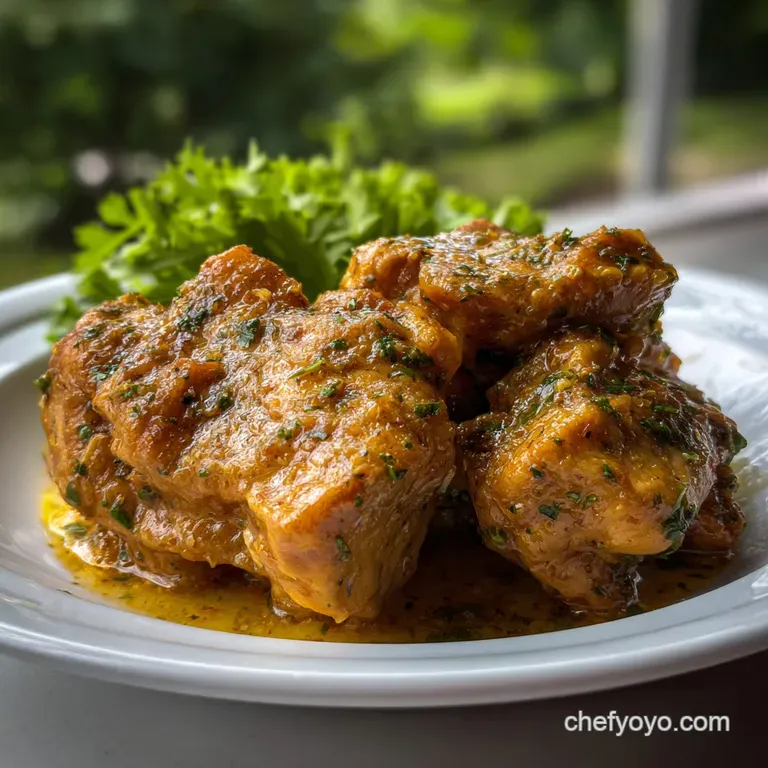
- Effort/Time: 10 minutes prep, 20 minutes active cooking.
- Flavor Hook: Zesty Mediterranean profile with a honey-lacquered finish.
- Perfect for: Weeknight meal-prep, summer grilling, or over high heat roasting.
- The Ultimate Chicken Thigh Marinade for Juicy Results
- The Science Behind Why This Marinade Works
- Ingredients and Smart Substitutions
- The Science Behind Lemon Juice and Honey
- The Science Behind Sea Salt and Olive Oil
- Step-by-Step Instructions for the Perfect Soak
- Pro Tips and Mistakes to Avoid
- Storage and Freezing Instructions
- Serving Suggestions and Side Dish Pairings
- Recipe FAQs
- 📝 Recipe Card
The Ultimate Chicken Thigh Marinade for Juicy Results
Stop settling for rubbery, flavorless poultry that relies on bottled sauce to survive. The biggest mistake most home cooks make is using a chicken thigh marinade that lacks the structural components to actually penetrate the muscle fibers.
I spent years pulling dry, "grey" meat off the grill before I realized that flavor isn't just about spices; it's about the chemistry of osmosis.
Trust me, I've had my share of kitchen disasters involving over acidified "mushy" chicken. This chicken thigh marinade recipe solves that by using a specific 3:1 lipid-to-acid ratio.
We’re going to transform 2 lbs of boneless, skinless chicken thighs into a centerpiece that boasts a satisfying sizzle and a velvety interior.
Let's crack on with the science of why this works so you can stop guessing and start cooking with intent. This is the last easy chicken thigh recipes resource you'll ever need to bookmark for your Sunday prep.
The Science Behind Why This Marinade Works
A chicken thigh marinade isn't just a bath; it's a chemical delivery system. To get the best results, you need to understand how these ingredients interact with the protein structure of the meat.
- Protein Denaturation: The 3 tbsp of freshly squeezed lemon juice breaks down tightly wound protein coils, allowing moisture to enter the gaps.
- Hygroscopic Action: Honey acts as a humectant, pulling moisture toward the surface to facilitate a faster Maillard reaction.
- Lipid Diffusion: The 0.25 cup extra virgin olive oil carries fat-soluble flavor compounds from the 1 tbsp dried oregano deep into the tissue.
- Osmotic Pressure: The 1.5 tsp sea salt draws out moisture initially, dissolves into a brine, and is then reabsorbed to season the meat internally.
Why Dark Meat Benefits from Acid and Fat
Chicken thighs contain significantly more connective tissue and intramuscular fat than breasts. This higher fat content means you need a thigh marinade that can cut through the richness without being overpowered. The acidity in this recipe ensures the meat doesn't feel "heavy" or greasy after cooking.
Using chicken thigh marinade for bbq requires a high smoke point oil, but for general purposes, olive oil provides the best flavor. Because the thighs are more resilient, they can withstand longer marination times than leaner cuts.
This resilience allows the flavors of the 4 cloves of minced garlic to fully permeate the meat.
Achieving Restaurant Quality Flavor at Home
The "restaurant" taste usually comes from two things: high heat and balanced seasoning. By using this recipe, you're creating a surface environment primed for caramelization. The 1 tsp of honey provides just enough sugar to encourage browning without burning before the meat is cooked through.
If you are looking for a different profile, like a chicken thigh marinade asian style, you might look at my Korean BBQ Sauce: Easy Recipe for Ultimate Bulgogi Marinade. However, for a classic, versatile profile, this Mediterranean blend is the gold standard for oven baked chicken thighs.
The Role of Aromatics in Moisture Retention
Aromatics like the 4 cloves of garlic and 1 tsp of coarse black pepper do more than add scent. They create a "flavor crust" that acts as a secondary barrier against moisture loss during the 20 minutes of cook time.
As the garlic hits the hot Lodge Cast Iron Skillet, it releases essential oils that infuse the oil.
This process is vital when making crispy baked chicken thighs. The aromatics roast alongside the meat, providing texture and intense savory notes. Without these solids, the chicken thigh marinade would simply slide off the surface, leaving the meat exposed to the drying effects of the heat.
Ingredients and Smart Substitutions
Accuracy is everything when you're balancing acidity and salt. Use the exact quantities from the Schema data to ensure the chicken thigh marinade performs as expected.
| Original Ingredient | Substitute | Why It Works |
|---|---|---|
| Extra Virgin Olive Oil (0.25 cup) | Avocado Oil | Higher smoke point; more neutral flavor profile. |
| Lemon Juice (3 tbsp) | Apple Cider Vinegar | Similar pH level; adds a fruitier, fermented tang. |
| Sea Salt (1.5 tsp) | Diamond Crystal Kosher Salt | Larger flakes; use 2 tsp for equivalent salinity. |
| Honey (1 tsp) | Maple Syrup | Thinner consistency; provides a woodsy sweetness. |
Base Components: Oils, Acids, and Salts
The foundation of any chicken thigh marinade recipe is the lipid base. I recommend using a high-quality oil like Colavita Extra Virgin Olive Oil because its peppery notes complement the 1 tbsp of dried oregano.
The oil creates a protective seal around the meat, preventing the 3 tbsp of lemon juice from over curing the exterior.
Salt choice matters immensely for the texture of your thigh marinade. I prefer 1.5 tsp of sea salt because it dissolves cleanly into the lemon juice. If you're using a finer table salt, reduce the amount by 25% to avoid an oversalted finished product.
Customizing Your Flavor Profile with Spices
While 1 tbsp of dried oregano and 1 tsp of coarse black pepper are the baseline, you can pivot easily. For a chicken thigh marinade for grilling, consider adding smoked paprika or a pinch of cumin.
The spices must be dry to ensure they don't add excess moisture that would lead to steaming instead of searing.
If you prefer a creamier texture, you might experiment with a chicken thigh marinade with greek yogurt. Yogurt introduces lactic acid, which is gentler on the proteins than the citric acid found in our 3 tbsp of lemon juice.
This is particularly useful if you plan to marinate for longer than 12 hours.
Pantry Swaps for Common Dietary Needs
If you’re out of fresh garlic, you can use 1 tsp of garlic powder, though you’ll lose the texture of the 4 cloves of minced garlic. For those avoiding refined sugars, the 1 tsp of honey can be omitted, but the chicken thigh marinade won't brown as deeply in the oven baked chicken thighs method.
When making easy chicken thigh recipes for a crowd, scale the ingredients linearly. For a larger batch, ensure you have a large enough glass bowl or a Ziploc Gallon Bag to ensure every square inch of the 2 lbs of thighs is submerged.
The Science Behind Lemon Juice and Honey
- What They Do
- Chemical tenderization and Maillard acceleration.
- The Chemistry
- Citric acid facilitates protein denaturation, while the glucose and fructose in honey lower the temperature required for the Maillard reaction.
- Why This Matters
- It results in a shorter cook time with a superior golden brown crust and moist interior.
The Science Behind Sea Salt and Olive Oil
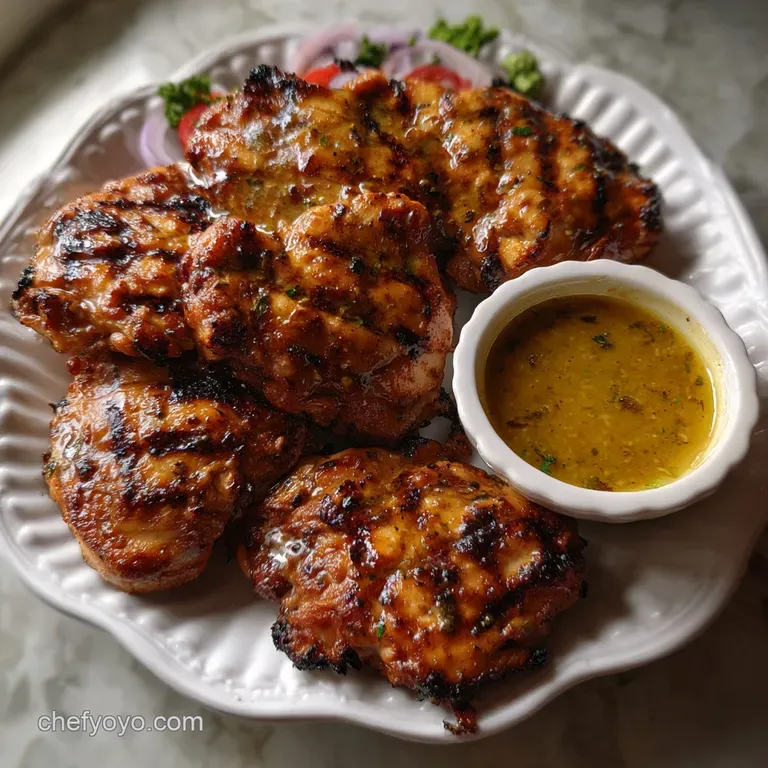
- What They Do
- Moisture regulation and flavor transport.
- The Chemistry
- Salt initiates osmosis, drawing liquid out then pulling brine back in, while oil acts as a non-polar solvent for fat-soluble aromatics.
- Why This Matters
- You achieve deep tissue seasoning and a "velvety" mouthfeel that prevents the meat from tasting "stringy."
step-by-step Instructions for the Perfect Soak
Whisking the Best Chicken Thigh Marinade
Combine 0.25 cup extra virgin olive oil, 3 tbsp lemon juice, 4 minced garlic cloves, 1 tbsp dried oregano, 1.5 tsp sea salt, 1 tsp pepper, and 1 tsp honey in a bowl. Note: Whisking creates a temporary emulsion, ensuring the honey and oil are fully integrated for even distribution.
Place the 2 lbs of boneless, skinless chicken thighs into a glass dish and pour the mixture over them. Note: Avoid metal bowls as the acid in the lemon juice can react with the surface, imparting a metallic taste.
Massage the chicken thigh marinade into every fold of the meat for 1 minute. Note: Physical agitation helps the marinade penetrate the small crevices of the thigh meat.
Timing for Boneless vs. Bone-In Cuts
For the 2 lbs of boneless thighs in this recipe, 30 minutes is the minimum, but 4 hours is the sweet spot. Note: Boneless meat has more surface area exposed, meaning the lemon juice works faster on the proteins.
If you were using bone-in thighs, you would need at least 6 hours for the thigh marinade to reach the center. Note: Bone-in cuts act as heat sinks and flavor barriers, requiring more time for salt to penetrate via osmosis.
Never exceed 24 hours with this chicken thigh marinade recipe. Note: Prolonged exposure to citric acid will eventually break down the muscle fibers too much, resulting in a mealy texture.
Cooking Techniques: Grilling, Baking, and Searing
Preheat your Lodge Cast Iron Skillet or grill to medium high heat. Note: A hot surface is required to trigger the Maillard reaction immediately upon contact.
Lay the thighs flat, ensuring they don't overlap, and cook for 20 minutes total. Note: Overcrowding the pan lowers the temperature, causing the chicken to boil in its own juices instead of searing.
Flip the chicken only once at the 10 minute mark to ensure a deep crust. Note: Constant flipping prevents the honey in the chicken thigh marinade from properly caramelizing.
Chef's Tip: Freeze your 4 garlic cloves for 10 minutes before mincing. It makes them firmer and easier to microplane, releasing more essential oils into the olive oil base.
Pro Tips and Mistakes to Avoid
| Problem | Why It Happens | The Fix | Pro Protocol |
|---|---|---|---|
| Rubbery Texture | Too much acid or overcooking. | Stick to 3 tbsp lemon juice and pull at 165°F. | Use a ThermoPro Digital Meat Thermometer for 165°F verification. |
| Burnt Surface | Honey caramelized too fast. | Reduce heat slightly or move to indirect heat. | Place a piece of foil loosely over the chicken if browning occurs before 15 mins. |
| Bland Interior | Not enough marinating time. | Let sit for at least 4 hours. | Use a fork to poke small holes in the meat before adding the marinade. |
Common Myths
Myth: Marinating for 48 hours makes the chicken more tender. Truth: This is false. Acid based marinades like this one will eventually "cook" the meat chemically, turning the texture mushy and unpleasant after 24 hours.
Myth: You should wash chicken before applying a chicken thigh marinade. Truth: Never wash raw poultry. It spreads bacteria around your sink and does nothing to improve the flavor or safety of the chicken thigh marinade recipe.
Myth: Oil in a marinade is only for flavor. Truth: Oil is a heat conductor. It helps transfer the heat from your pan to the meat more efficiently, ensuring the oven baked chicken thighs cook evenly.
Storage and Freezing Instructions
You can store the marinated, uncooked chicken in the fridge for up to 2 days in an airtight container. If you have leftovers of the cooked chicken thigh marinade dish, they will stay fresh for 3 to 4 days.
Always ensure the chicken has cooled to room temperature before sealing to prevent condensation and sogginess.
For long term prep, this chicken thigh marinade for bbq is a freezer hero. 1. Place the 2 lbs of raw thighs and marinade into a heavy duty freezer bag. 2. Squeeze out all excess air to prevent freezer burn. 3. Freeze for up to 3 months. 4.
Thaw in the refrigerator for 24 hours before cooking. Note: The chicken will actually marinate as it thaws, making this an incredible time saver.
To reheat, avoid the microwave if possible. Use a toaster oven or a skillet with a splash of water to maintain the moisture. If you enjoy this style of prep, you might also like my Homemade Dog Food: Vet-Approved Chicken Rice Veggie Stew for your furry friends.
Serving Suggestions and Side Dish Pairings
How to Avoid the Mushy Texture of Over Marinating
The key to a successful chicken thigh marinade air fryer or oven session is the "pat dry" method. If your chicken is dripping with liquid, it will steam. I recommend lightly tapping the thighs with a paper towel before cooking.
This leaves the oil and spices intact but removes excess lemon juice that prevents a "shatter" crisp skin.
Freezing a Chicken Thigh Marinade for Meal Prep
If you’re a fan of grab and-go meals, double the batch. I often keep three bags of this chicken thigh marinade recipe in the freezer. It’s the ultimate insurance policy against "what's for dinner" stress.
Just remember to label the bag with the date and the specific 30 minutes total time required.
Safe Thawing and Handling Practices
Never thaw marinated chicken on the counter. The sugar in the 1 tsp of honey and the low pH of the lemon juice don't stop bacterial growth at room temperature. Always use the fridge. If you’re in a rush, you can submerge the sealed bag in a bowl of cold water, changing the water every 30 minutes.
Best Grains and Greens to Complete Your Meal
This dish pairs beautifully with a bright starch. Try it with a lemon herb couscous or as the protein for my Chicken and Noodles Recipe: Velvety Sauce in 45 Mins. The acidity in the chicken thigh marinade also complements bitter greens like charred broccolini or a kale caesar salad.
Whether you're using this as a chicken thigh marinade for bbq or a simple weeknight bake, the balance of fat, acid, and salt is your ticket to success. This easy chicken thigh recipes staple will quickly become a recurring favorite in your kitchen. Happy cooking!

Recipe FAQs
What is the minimum marinating time for chicken thighs?
20 minutes minimum. Acidity needs time to penetrate muscle fibers for chemical tenderization. Longer, up to 4 hours, improves flavor depth.
Can I use a citrus juice substitute for the lemon juice?
Use white wine vinegar instead. While citrus adds volatile oils, vinegar provides consistent, sharp pH for effective tenderizing. You can use this technique when prepping poultry for dishes like our Ultimate Chicken Enchiladas Recipe ScratchMade Red Chile Sauce.
Should I rinse the marinade off before cooking?
Myth: Rinsing removes excess salt and sugar. Reality: Rinsing off marinade, especially honey based ones, washes away flavor compounds needed for crust development. Cooking immediately dries the surface sufficiently.
Can I freeze marinated chicken thighs?
Yes, freezing is safe. For best texture, freeze before marinating or use very high acid marinades sparingly if freezing post marination to avoid mushiness.
Is olive oil or avocado oil better for this marinade?
Olive oil for flavor depth. Avocado oil has a higher smoke point, better for searing, but olive oil’s fruity profile complements the Mediterranean herbs in this recipe perfectly. Our method focuses on flavor transfer rather than extreme heat.
Why is my chicken thigh skin chewy after grilling?
Skin did not dry sufficiently before heat exposure. Moisture blocks the Maillard reaction necessary for crisping, trapping steam underneath the skin barrier.
- Pat skin bone dry post marinade
- Start on medium high indirect heat
- Use a wire rack for airflow during resting
Does this marinade work for chicken breasts?
No, avoid long soaks with breast meat. Chicken breasts are leaner and cure faster, leading to a mealy texture if exposed to high acid for over 90 minutes. Try this mix when preparing components for The Best Crispy Chicken Parmesan with Homemade Marinara.
Zesty Chicken Thigh Marinade
Ingredients:
Instructions:
Nutrition Facts:
| Calories | 322 kcal |
|---|---|
| Protein | 36 g |
| Fat | 18 g |
| Carbs | 2 g |
| Fiber | 0.2 g |
| Sugar | 1.2 g |
| Sodium | 710 mg |
